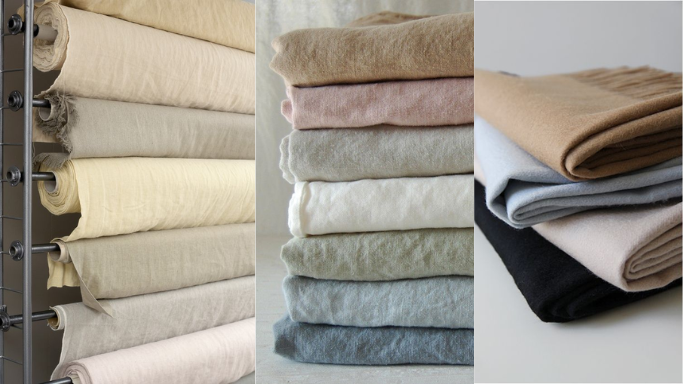
Linen's Enduring Legacy

HISTORY - Linen, ancient and enduring, traces its origins to the Nile Delta. Symbolizing purity in ancient Egypt, it adorned pharaohs and priests. Across civilizations, linen remained prized for its comfort and elegance. Medieval Europe saw its use in garments for all classes. Renaissance artisans elevated it with delicate lace and embroidery. Today, linen retains its allure for fashion and sustainability, favored by designers and consumers alike. Its timeless elegance and eco-friendly nature make it a fabric of choice in modern wardrobes, bridging the past, present, and future with a thread of history, culture, and craftsmanship.
Linen in the Bible
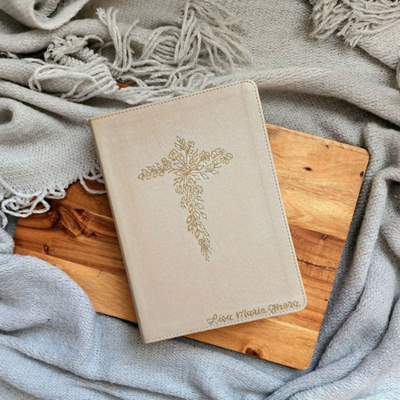
Early References: Linen is referenced early in the Bible. Genesis 41:42 mentions Pharaoh clothing Joseph in "fine linen" after he interprets Pharaoh's dreams, indicating linen's high status.
Priestly Garments: Linen was used extensively in the making of priestly garments. In Exodus 28, God instructs Moses to make holy garments for Aaron and his sons from linen, highlighting its importance in religious rites.
Tabernacle and Temple: Linen was used in the construction of the Tabernacle and the Temple. Exodus 26 describes the curtains of the Tabernacle being made from "fine twisted linen" embroidered with blue, purple, and scarlet yarns.
Symbolism: Linen is often associated with purity and righteousness in the Bible. Revelation 19:8 describes the "fine linen, bright and clean," given to the saints to wear, symbolizing their righteous acts.
Burial Practices: Linen was used in burial practices. Jesus was wrapped in linen cloths after His crucifixion, as described in the Gospels (Matthew 27:59, Mark 15:46, Luke 23:53, John 19:40).
Amazing facts about linen.
Ancient Origins:
- Linen's history dates back thousands of years, with artifacts found in a Georgian cave.
Symbolism of Purity:
- Linen's association with purity and cleanliness made it a preferred fabric for religious and ceremonial garments.
Natural Properties:
- Linen is naturally hypoallergenic and antibacterial.
Cultural Importance:
- Linen was used for other purposes like writing material. The Dead Sea Scrolls, for example, were wrapped in linen.
Color Retention:
- Linen can be dyed easily and retains colors well, ensuring that dyed linen fabrics remain vibrant for a long time.
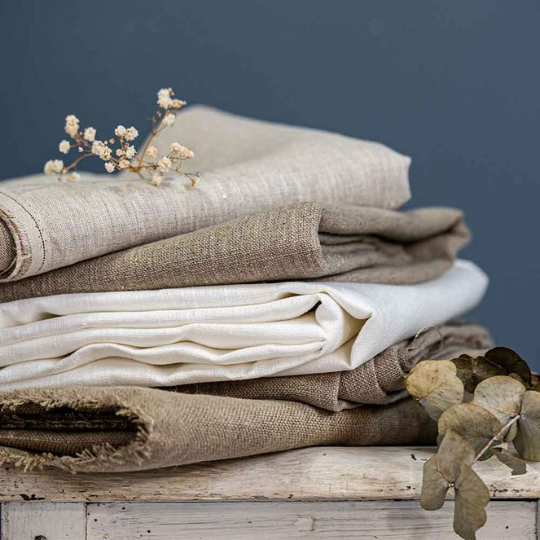
Embriodery that can be carved on linen.
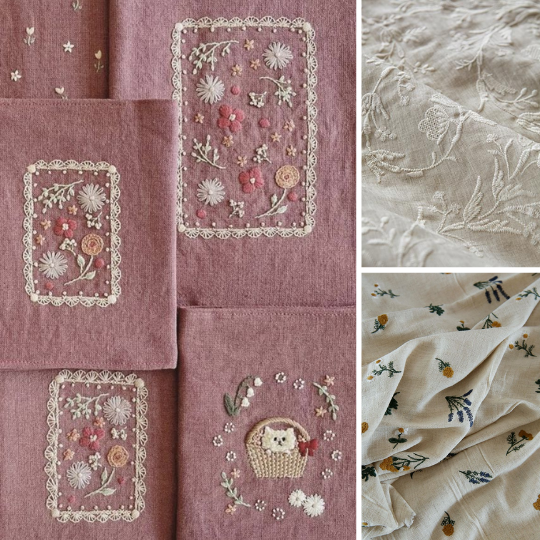
Cross-Stitch Embroidery - X-shaped stitches are used to form a picture
Hardanger Embroidery - technique of Norway, cutting and wrapping threads to create patterns
Crewel Embroidery - using wool threads to create a raised, textured design.
Sashiko Embroidery - A Japanese form of decorative reinforcement stitching.
Stumpwork Embroidery - Designs are created in three dimensions using padding and wire.
LINEN STYLES AND DESIGNS
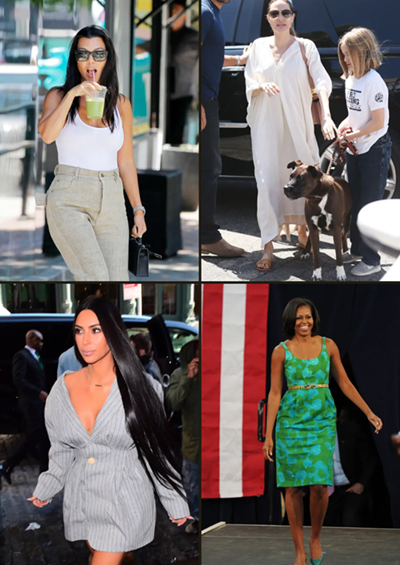
- Kourtney Kardashian's linen trousers.
- Kim Kardashian's pinstriped linen jacket.
- Angelina Jolie's angelic linen white dress.
- Michelle Obama's colorful blue and green linen dress
Our Ethical Linen Production
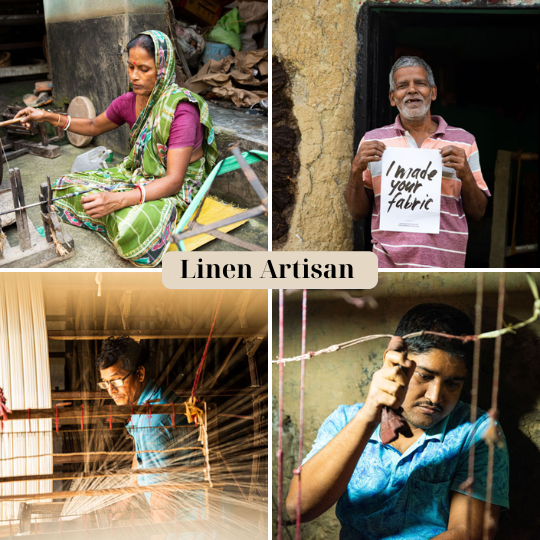
At Anuprerna, The Linen Fabrics Are Always Handwoven, Which Are Stronger Than The Machine Woven Ones. Anuprerna collaborates with Linen weavers in 2 clusters situated in the districts of Burdwan and Birbhum in West Bengal. We have 12+ years of working relationship in Burdwan cluster and 3+ years of working relationship in Birbhum cluster.
Their artistic vision and knowledge of traditional weaving techniques play a vital role in creating exquisite Handwoven Linen fabrics that reflect the rich cultural heritage of the craft.
releted question
Is linen fabric good for summer?
arrow_drop_downBreathable. One of the reasons why people prefer wearing linen in the summer is because it does not stick to their bodies. This property of linen makes it highly breathable. It can easily absorb your body's moisture and even dry more quickly than other fabrics.
Is linen better than cotton?
arrow_drop_downCotton will make you feel warmer at first, but you may end up getting a little too warm, which is the case for many. Linen sheets, however, will retain the heat from your body, making you feel nice and cozy. Linen sheets feel heavier than cotton sheets and are about 30 percent stronger yet offers better breathability.
Can linen be ironed?
arrow_drop_downIroning linen requires quite steady, repetitive strokes and a lot of pressing – not great if your ironing board is wobbly! Also get yourself a pressing cloth (the iron should never directly touch the linen). This should be a small piece of flat cotton – like an old pillowcase.
Does linen wrinkle fast?
arrow_drop_downLinen has been used in clothing and home goods since biblical times, but it only recently became fashionable again in the 21st century. However, one of the downsides to linen is that it wrinkles easily.
More Blogs
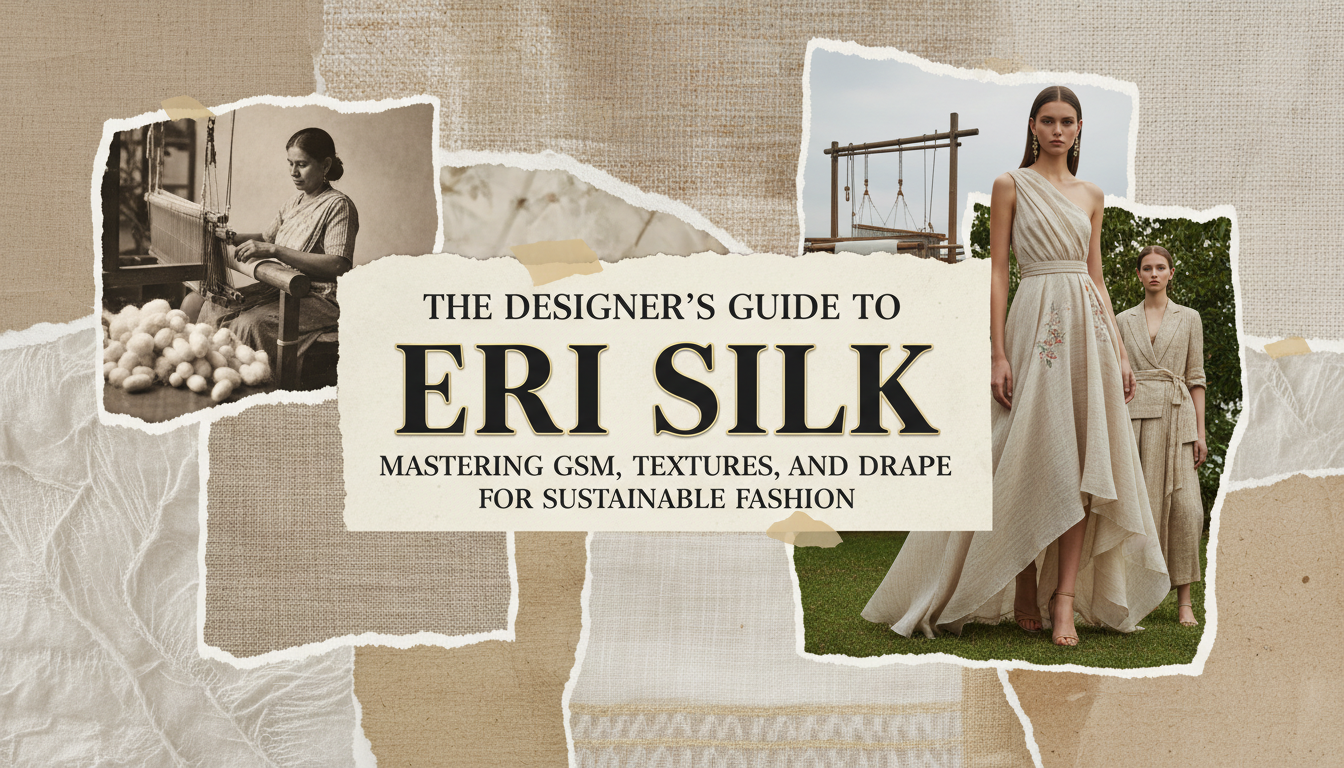
the designer’s guide to eri silk: mastering gsm, textures, and drape for sustainable fashion
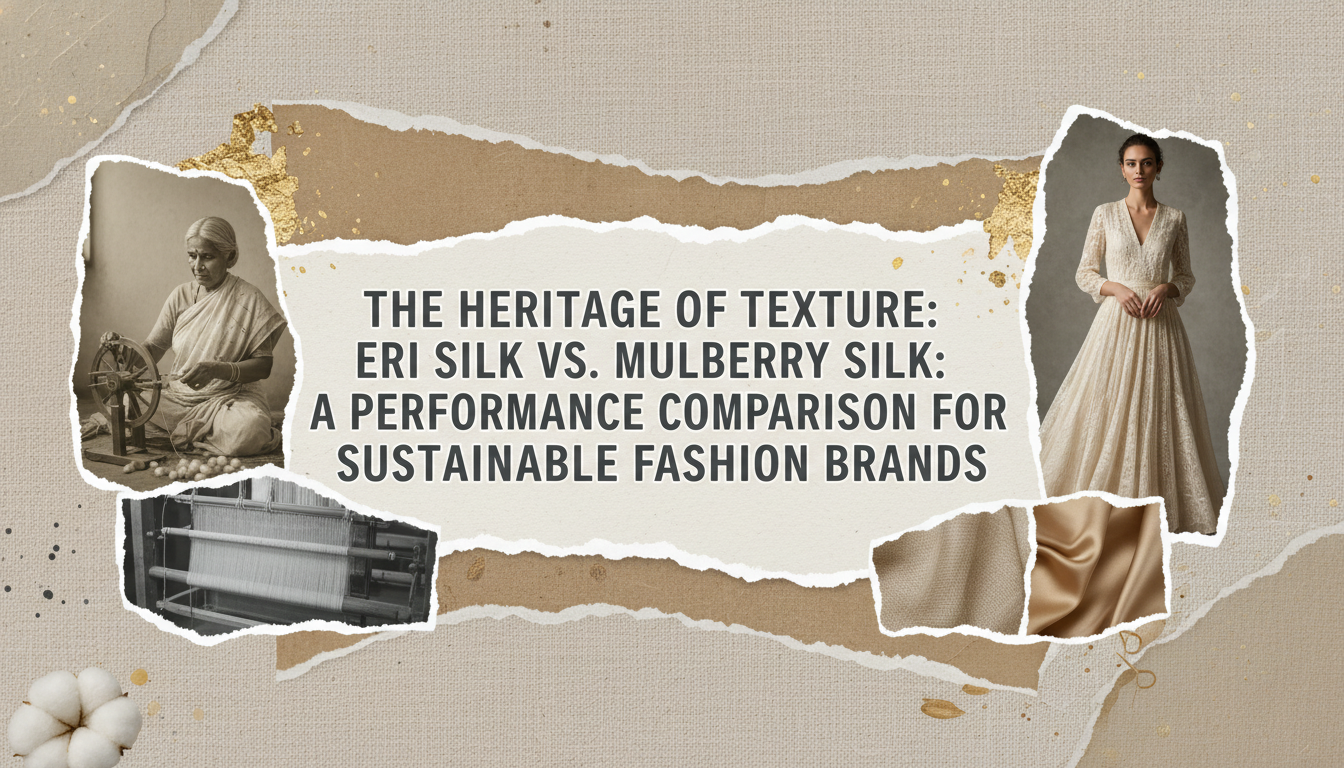
eri silk vs. mulberry silk: a performance comparison for sustainable fashion brands
khaadi online shopping: technical analysis of khadi vs. powerloom cotton for fashion production
from sericulture to spun yarn: a deep dive into the artisanal raw silk production process
raw silk vs. mulberry silk: a technical comparison for textile designers
the ultimate sourcing guide to raw silk fabric: properties, weights, and creative uses