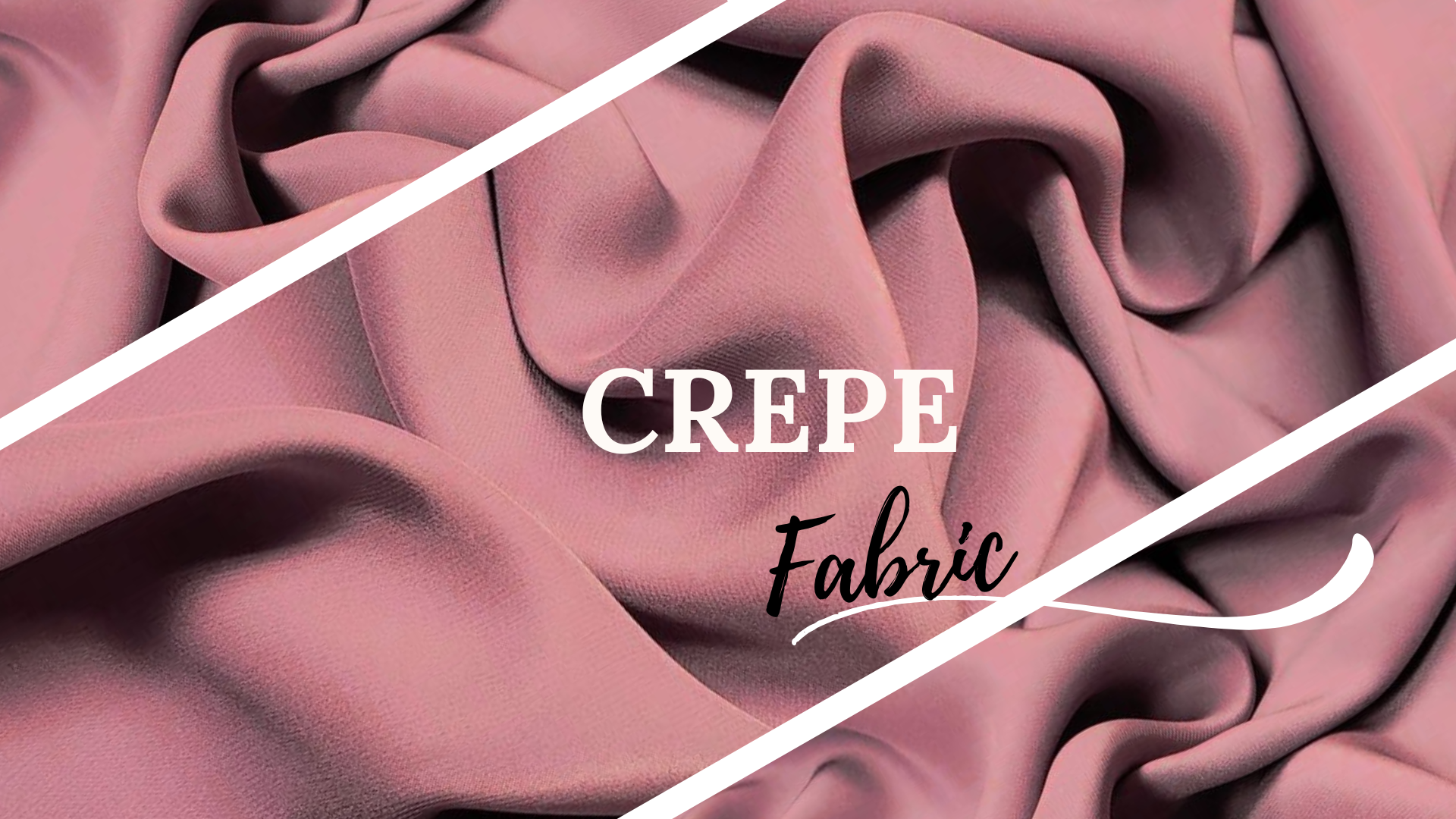
The Crinkle and Flow: Unveiling Crepe Fabric's Charm

Is crepe fabric good for summer? Yes, this material is a popular choice for warm weather due to its lightweight texture and breathable properties. In this article, we explore the characteristics of crinkle crepe fabric, its seasonal suitability, and why it remains a staple for comfortable, elegant wear.
Understanding Crepe Fabric Texture
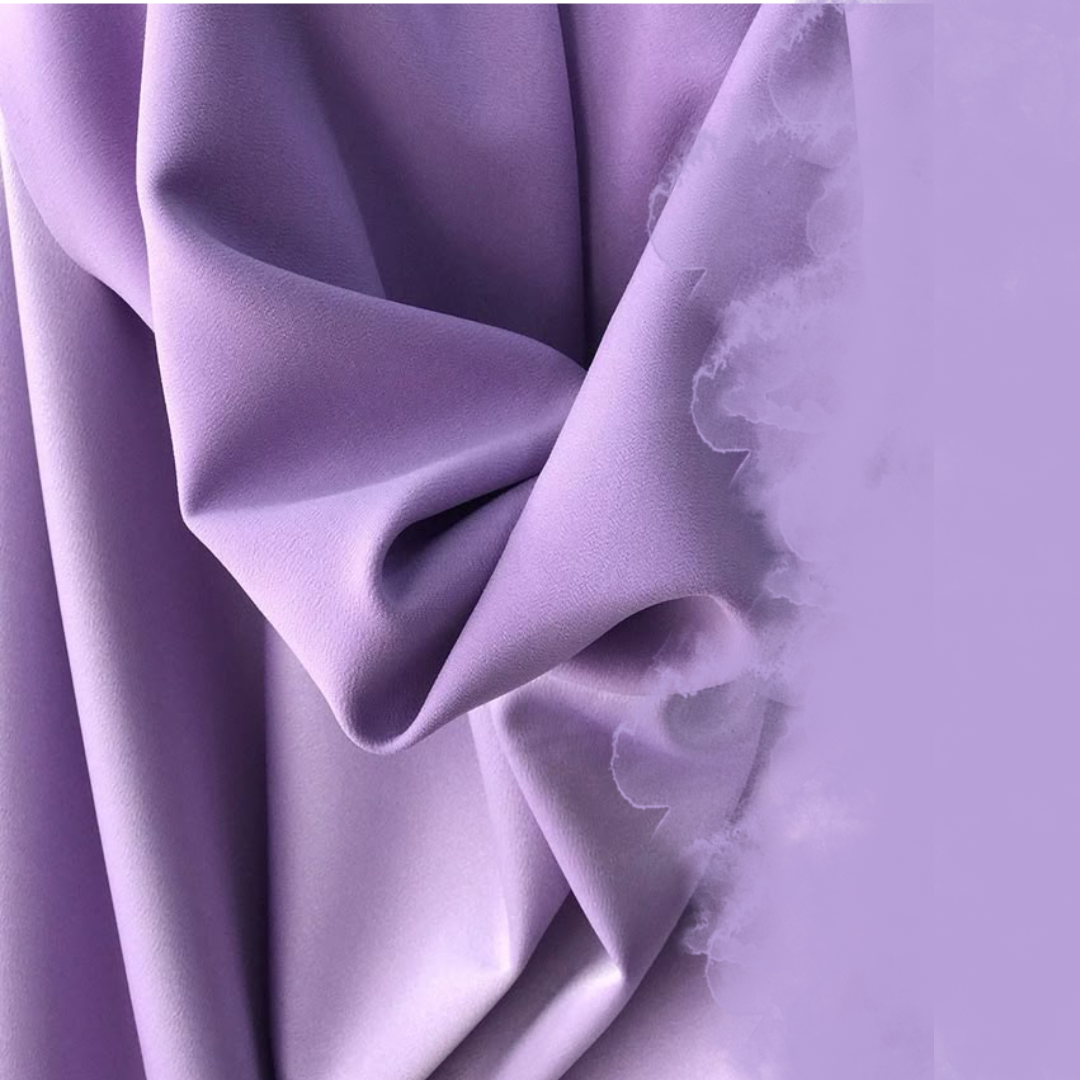
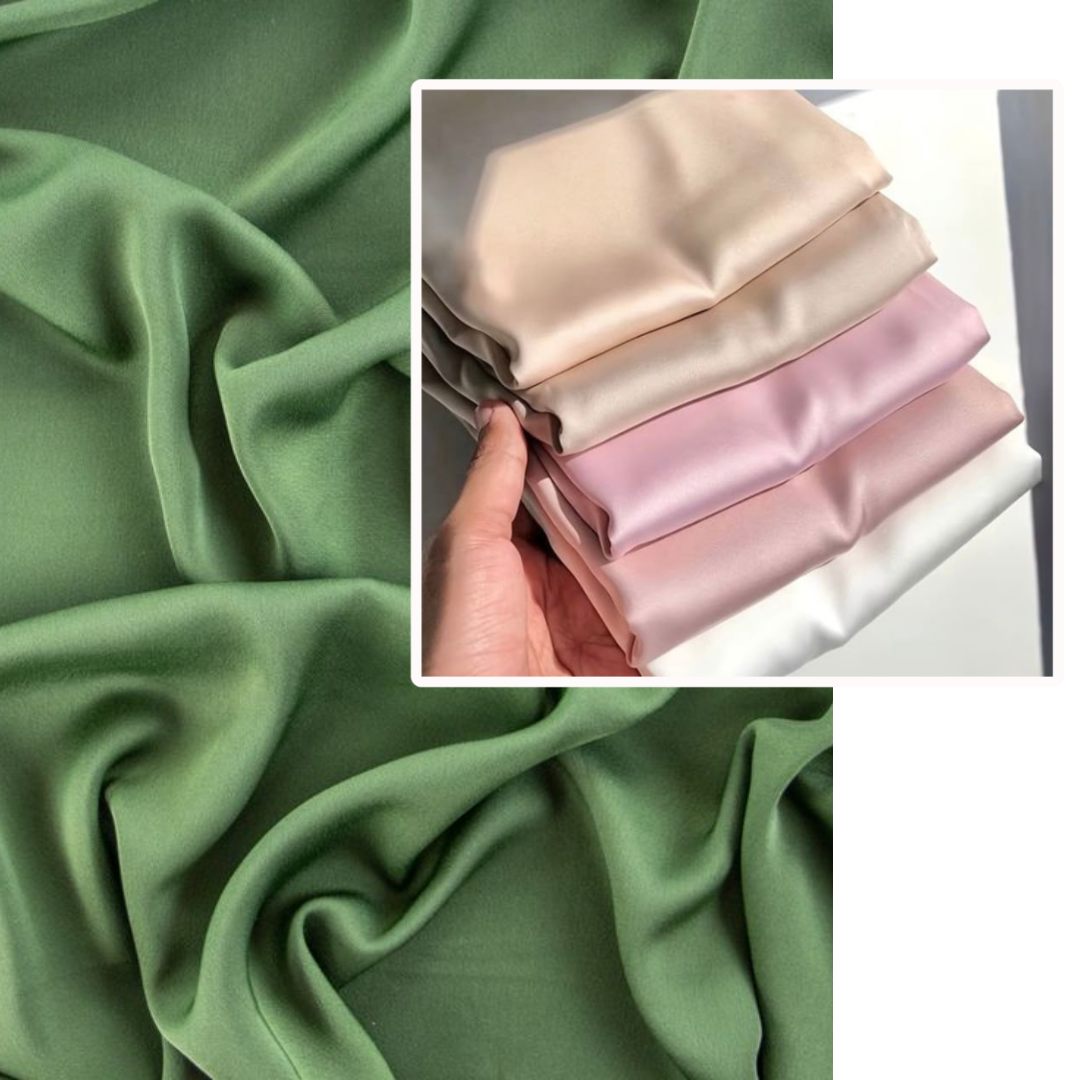
Crepe fabric is synonymous with sophistication and versatility. It is a lightweight to medium-weight fabric known for its distinctively crinkled texture and graceful drape.
This characteristic crimped aesthetic, achieved through specialized weaving or finishing processes, distinguishes crepe from other textiles.
Crafted from a diverse array of fibers, from the luxurious drape of silk and the natural comfort of cotton to the warmth of wool and the versatility of synthetic blends, crepe offers a spectrum of tactile and visual experiences.
Tracing the Origins of Crepe Fabric
The Crepe Fabric does not have any specific date mentioned in the history for its origin. Crepe has a diverse historical background, tracing its roots to multiple cultures:
- Originating in Europe and Asia, Crepe was traditionally associated with mourning attire and high-fashion ensembles.
- Indian Crepe weaving gained popularity through its use in luxurious Banarasi silk sarees and fine handloom drapes.
- Over time, Crepe evolved into a staple fabric in global fashion, used for everything from formal wear to lightweight summer apparel.
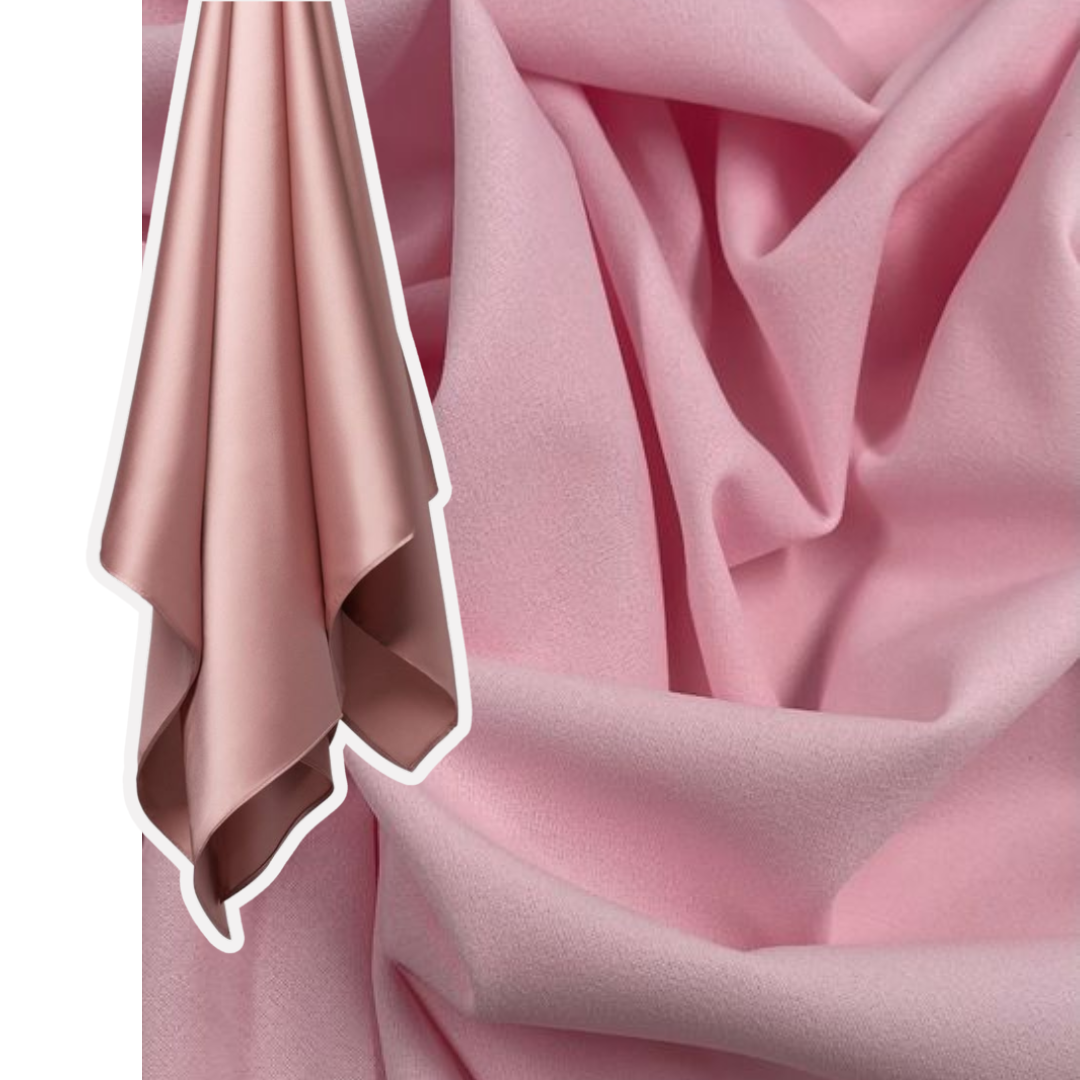
Crepe Material Variations: From Subtle to Statement
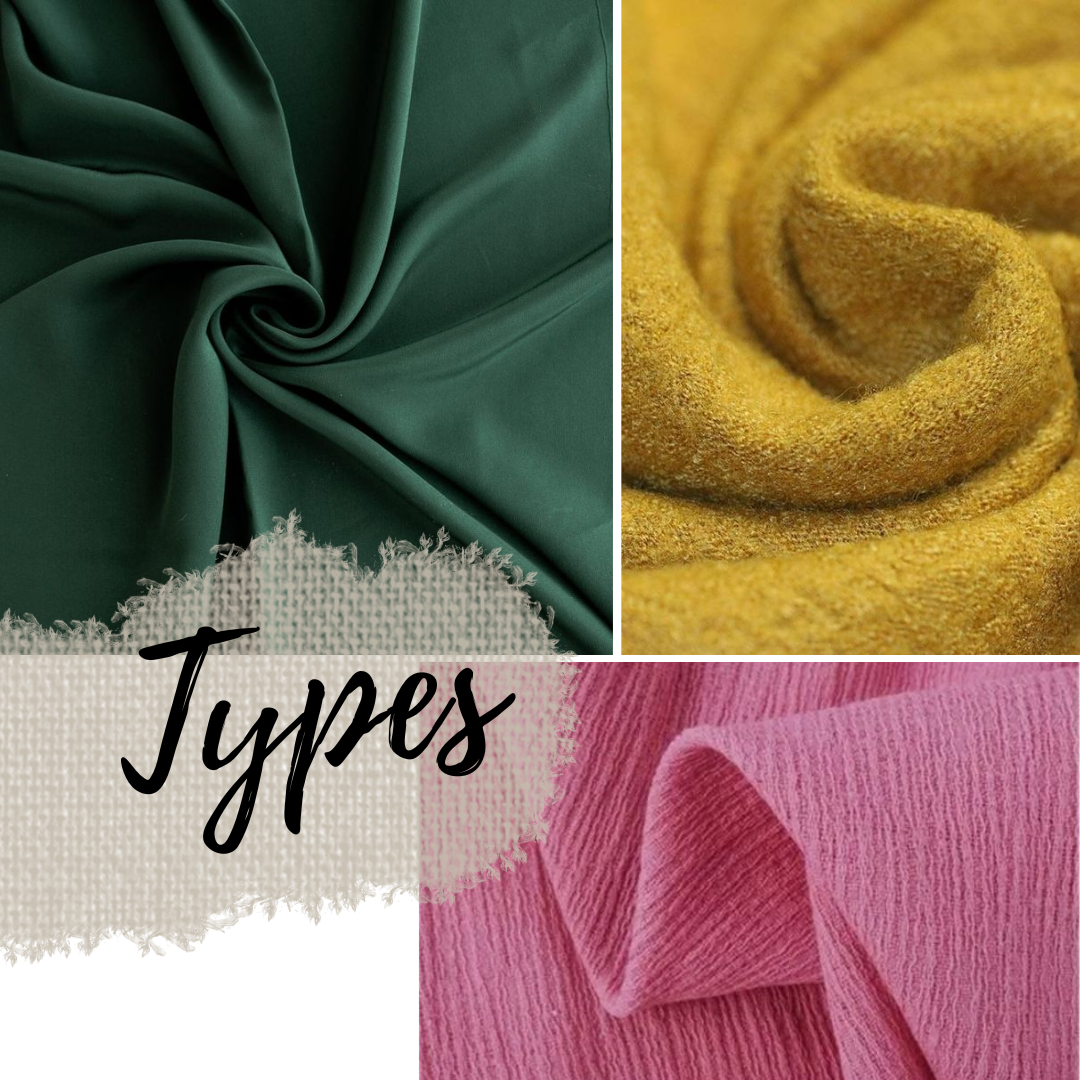
There are several types of crepe fabric, each with its own distinct characteristics. Some of the popular variants include:
- Silk Crepe: Silk crepe fabric is highly coveted for its luxurious drape, smooth texture, and natural sheen. It is commonly used in high-end fashion garments such as evening gowns, blouses, and scarves.
- Cotton Crepe: Cotton crepe fabric is breathable, lightweight, and comfortable to wear. It is often used in casual clothing, summer dresses, and tops due to its excellent moisture absorption properties.
- Wool Crepe: Wool crepe fabric is known for its excellent draping qualities and warmth. It is frequently used in tailored garments like suits, skirts, and coats, offering a sophisticated and elegant look.
- Polyester Crepe: Polyester crepe fabric is a synthetic variant that combines durability with wrinkle resistance. It is commonly used in affordable clothing, including blouses, skirts, and dresses, as it retains its shape well and requires minimal ironing.
The Making of Crepe: A Textural Transformation
The creation of crepe fabric, with its signature textured surface, relies on specialized techniques. Though the precise methods diverge based on the specific fiber and desired outcome, the fundamental stages encompass:
- Weaving: A distinct weaving process, characterized by the introduction of tension during interlacing, imparts the initial twist to the yarns. This controlled tension is the genesis of crepe's hallmark crinkled appearance.
- Finishing: Following the weaving stage, the fabric undergoes a series of finishing treatments to amplify its textured quality. These treatments, which may include steaming, heat setting, or chemical applications, are meticulously applied to achieve the precise level of crinkling that defines the finished crepe.
Benefits of Using Crepe Fabric
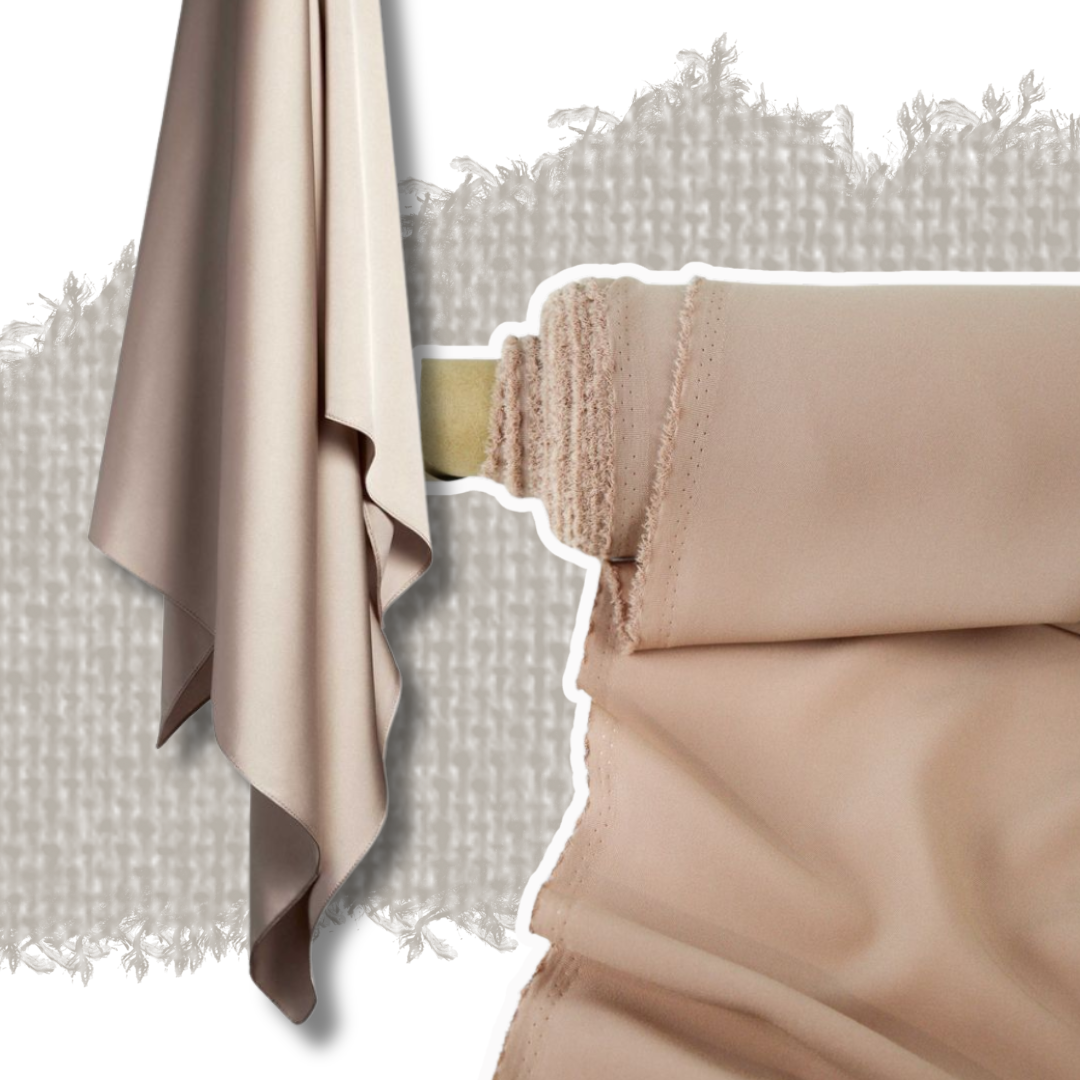
Crepe fabric, a textile of remarkable versatility, presents a wealth of advantages to both the creative vision of designers and the discerning sensibilities of consumers. Its inherent properties afford:
- Tactile and Visual Sophistication: The distinctive texture of crepe introduces an element of visual intrigue and dimensional depth to garments, elevating their aesthetic presence.
- Comfort and Breathability: Crepe, particularly when crafted from natural fibers such as silk and cotton, provides exceptional comfort and breathability, facilitating effortless movement and wear.
- Fluid Drape and Elegant Silhouettes: The fabric's inherent draping qualities contribute to the creation of graceful and flattering silhouettes, enhancing the overall aesthetic of apparel.
- Enduring Quality and Longevity: With proper care, crepe fabric exhibits remarkable durability, resisting wear and tear and offering enduring value.
- Adaptable Design Versatility: Crepe’s inherent versatility enables a broad spectrum of design possibilities, accommodating diverse styles and catering to a multitude of occasions.
Crepe Fabric for Which Season?
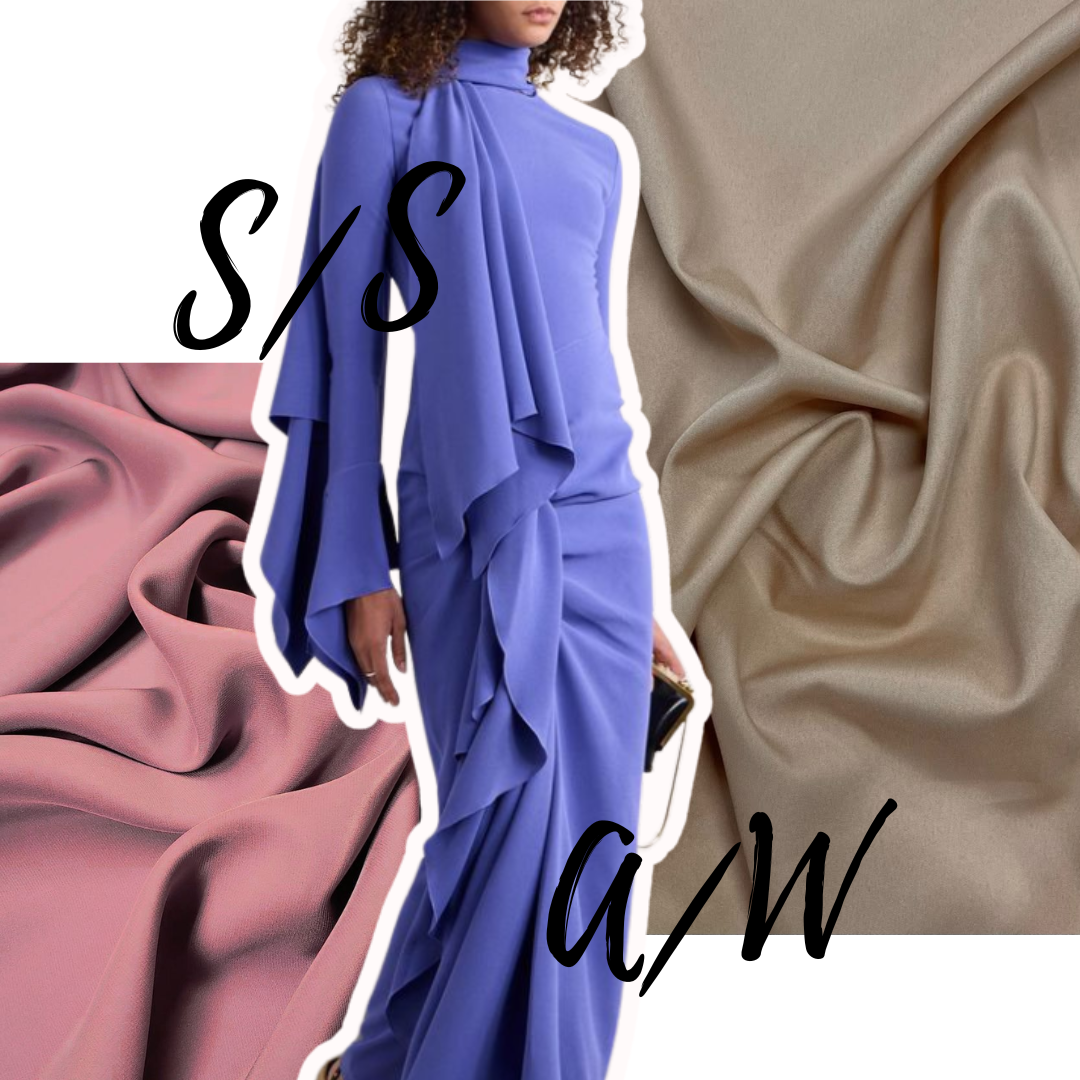
Crepe is a fabric that transcends seasons, offering comfort and elegance across warmer and cooler months. The choice of crepe depends on its fiber composition and weave, making it a year-round favorite.
Spring and Summer Wear
Cotton crepe and silk crepe are ideal for lightweight, breathable garments such as dresses, scarves, and breezy tops. These natural fibers allow airflow, wick moisture, and drape effortlessly, ensuring comfort in warmer weather.
Autumn and Winter Wear
Wool crepe or heavy silk crepe provides insulation while maintaining a soft drape, making it perfect for luxury evening wear, tailored blazers, and elegant shawls. Wool properties help retain warmth, while the textured surface of crepe ensures a cozy yet refined look.
Fabric Care Guide
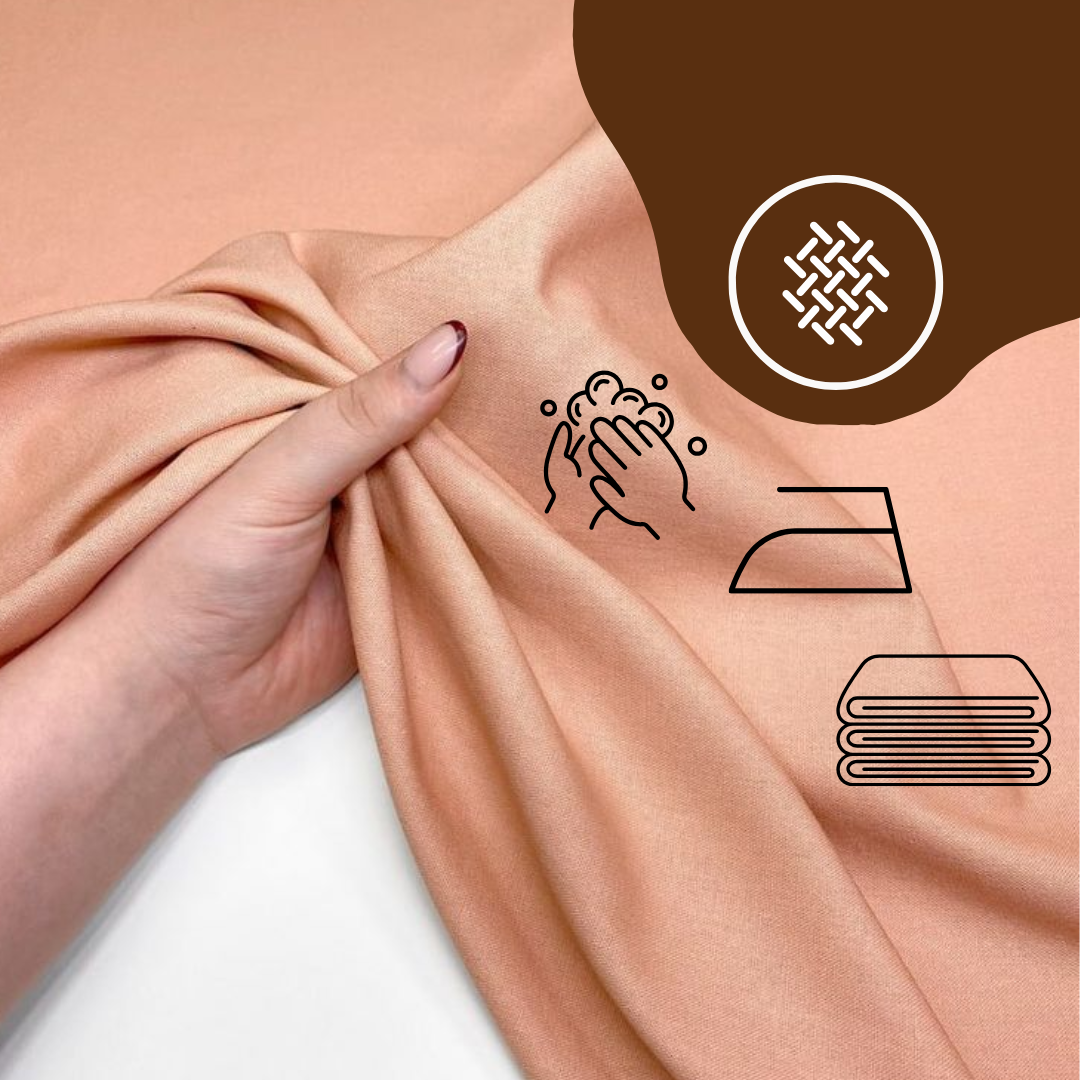
To maintain the beauty and longevity of handwoven Crepe fabric, follow these expert care tips:
- Washing:
- Hand wash with cold water and mild detergent for delicate Silk Crepe.
- Cotton Crepe can be gently machine washed on a low setting.
- Drying:
- Avoid wringing; instead, lay flat or hang dry in shade to prevent damage.
- Ironing:
- Use a low heat setting with steam for Silk Crepe.
- Cotton Crepe can be lightly ironed on a medium setting.
- Storage:
- Keep in a cool, dry place, and store silk variations in muslin cloths to preserve their texture.
related questions
Is Crepe fabric sustainable?
arrow_drop_downWhen made from natural fibers like silk, cotton, or linen, crepe is biodegradable and ethically produced.
What is the best type of crepe fabric?
arrow_drop_downSilk crepe is highly coveted for its luxurious drape, smooth texture, and natural sheen. It is commonly used in high-end fashion garments such as evening gowns, blouses, and scarves.
What are the disadvantages of crepe fabric?
arrow_drop_downCrepe, especially when made from silk, is delicate and can be susceptible to snags, pulls, and damage from sharp objects or rough handling. Silk versions can also wrinkle easily.
Is crepe fabric good for daily use?
arrow_drop_downWith its soft, lightweight, and breathable qualities, crepe fabric is practical for everyday wear.
Is crepe fabric good for summer?
arrow_drop_downCrepe fabric is suitable for the summer. You can stay cool thanks to the air circulation provided by its lightweight, breathable material. The silky drape adds comfort to warm-weather ensembles, and the gently wrinkled surface keeps it from sticking to the skin.
More Blogs
the art of khesh: the original zero-waste textile of west bengal
from waste to weave: the mechanical textile recycling process to recycle cotton fabric
khesh recycled cotton fabric vs. virgin cotton: a technical comparison for fashion brands

the khesh technique: how to recycle cotton fabric into luxury sustainable textiles
hemp vs linen fabric: a designer’s sourcing guide
the science of breathability: why handwoven textiles outperform mill-made fabrics