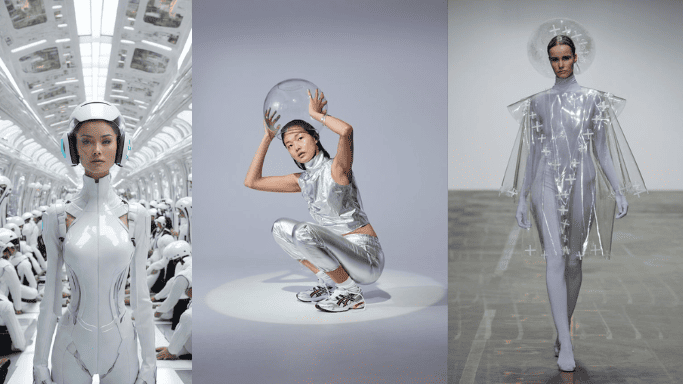
The Futuristic Fashion with Cutting-Edge Technology.

Futuristic fashion describes the integration of advanced technology into garment design, production, and consumer interaction. This shift moves beyond traditional aesthetics, focusing on how smart textiles and digital tools redefine the functionality of futuristic clothing. As brands adopt these innovations, they create new possibilities for performance, personalization, and environmental accountability.

Historical Roots of Textile Innovation
The evolution of modern apparel began with the development of synthetic fibers in the early twentieth century. Polyamide, commercialized by DuPont in 1938, provided a high-strength alternative to natural silk for military applications during World War II.
This transition marked the beginning of a focus on durability and performance in fabric engineering. Post-war, these resilient materials moved into civilian markets, setting a precedent for the functional fabrics that define current industry standards.
Engineering Smart Textiles and Futuristic Clothing
Engineering Smart Textiles
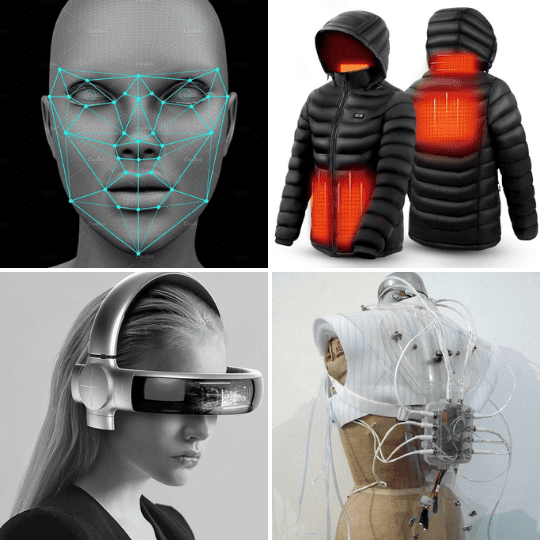
Smart textiles represent a significant futuristic fashion trend by embedding electronics and conductive fibers directly into the weave. These materials allow fabrics to sense and respond to environmental stimuli such as temperature or pressure.
Functional Applications
By integrating sensors and actuators, these textiles provide data-driven feedback. They are currently used in healthcare for patient monitoring and in sports for performance tracking, bridging the gap between hardware and apparel.

Digital Experiences in Modern Fashion

Digital Experiences in Fashion
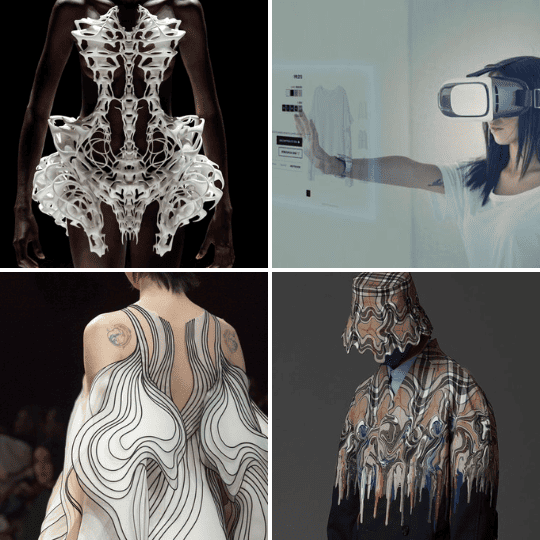
Augmented Reality and Virtual Reality are changing how consumers interact with garments before purchase. These tools reduce the need for physical samples and allow for precise digital prototyping.
AR and VR Integration
- Virtual try-ons allow users to visualize fit and style without physical inventory.
- Virtual fashion shows provide immersive brand experiences that reach global audiences.
- Designers use VR to manipulate 3D patterns in a digital space, speeding up the development process.
Biometric and Adaptive Clothing
Adaptive fashion focuses on garments that adjust to the wearer's immediate environment. This includes fabrics that regulate body temperature or respond to humidity levels to maintain comfort.
Biometric integration adds a layer of health tracking to everyday wear. Clothing now monitors metrics like heart rate and posture, offering real-time data to the user through connected applications.
3D Printing and Mass Customization
3D printing allows designers to create complex, geometric structures that traditional looms cannot produce. This technology supports on-demand production, which helps brands minimize material waste.
Mass customization platforms allow consumers to adjust specific garment features online. This shift toward bespoke production ensures that items are made only when ordered, aligning with more efficient manufacturing models.
Sustainability Through Technology
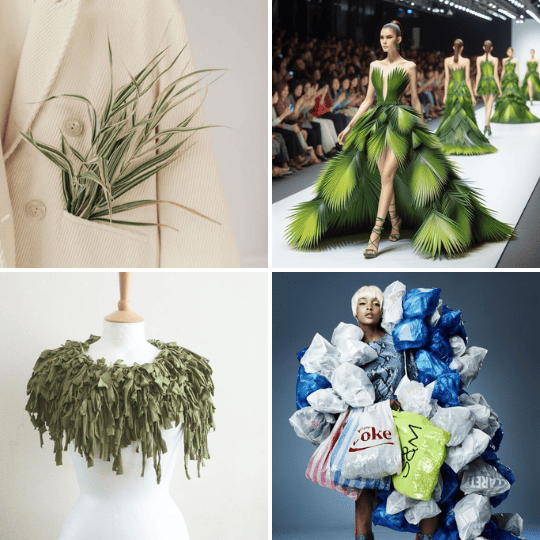
Technology supports sustainability by enabling the use of recycled materials and improving supply chain transparency. Innovative processes now convert plastic waste into durable, wearable fibers.
Digital fashion shows also contribute to a lower carbon footprint by reducing the need for physical travel and event logistics. These methods provide a path for brands to maintain creative output while addressing environmental concerns.
Impact of futuristic fashion on world.

Fashion futurism is rapidly reshaping the industry through advances in AI, smart textiles, digital design, and transparent supply chains. These innovations promise lower environmental impact, more ethical production, and highly personalized consumer experiences. At the same time, the shift raises real questions around data use, labor transitions, and accessibility.
If implemented responsibly, technology can help fashion evolve into a more sustainable, accountable, and creatively dynamic industry.
Impact on Consumers
Fashion in 2026 is increasingly shaped by intelligent technologies that make shopping more personalized, immersive, and data-driven while supporting stronger sustainability practices. From AI-assisted design to virtual experiences and smarter supply chains, the industry is becoming more responsive to consumer needs.
However, progress also demands careful attention to data privacy, digital access, and inclusive design so that technological benefits are not limited to a narrow segment of consumers.

Recent Examples of Futuristic Fashion Trends
The current futuristic fashion trend is defined by the convergence of biology and technology. Designers are now utilizing bio-fabricated materials that grow in labs, offering a sustainable alternative to traditional leather.
Another notable shift involves adaptive clothing that changes color or opacity based on light exposure. These garments utilize photochromic dyes and integrated microcontrollers to provide a dynamic aesthetic that responds to wearer's surroundings.
frequently asked questions
How to predict future fashion?
Predicting future fashion involves analyzing technological advancements, shifts in consumer behavior, and sustainability movements. Industry reports and data on material science are essential for identifying emerging patterns.
What will clothes look like in 2050?
Clothing in 2050 will likely feature integrated sensors, biodegradable materials, and highly personalized designs. Expect multifunctional garments that adapt to the wearer's environment and health needs.
What is the fabric of the future?
The fabric of the future includes smart textiles with embedded technology, algae-based biodegradable materials, and recycled synthetic fibers designed for high performance and minimal environmental impact.
How does technology improve textile production?
Technology improves production through AI-driven design, 3D printing, and automated supply chain management. These tools reduce waste, increase precision, and allow for smaller, more efficient production runs.
What is the future fashion trend?
Future fashion trends emphasize a blend of nostalgia, sustainability, and technological innovation. Key areas include smart textiles, digital-only apparel, and circular manufacturing processes that prioritize longevity.
How is AI influencing futuristic clothing?
AI is used to predict consumer demand, optimize pattern cutting to reduce fabric waste, and generate complex textile designs that would be difficult to create through manual processes.
Are smart textiles washable?
Many modern smart textiles are designed to be washable. Manufacturers often encapsulate sensitive electronic components in waterproof materials or use conductive threads that can withstand standard laundry cycles.
More Blogs
why organic fabric suppliers are growing in india
jacquard fabric in modern fashion
how silk manufacturers preserve traditional craftsmanship

indian fabric wholesale: a guide to sourcing handwoven textiles

how indian fabric exporters meet global quality standards
jacquard vs embroidery: what's the difference?