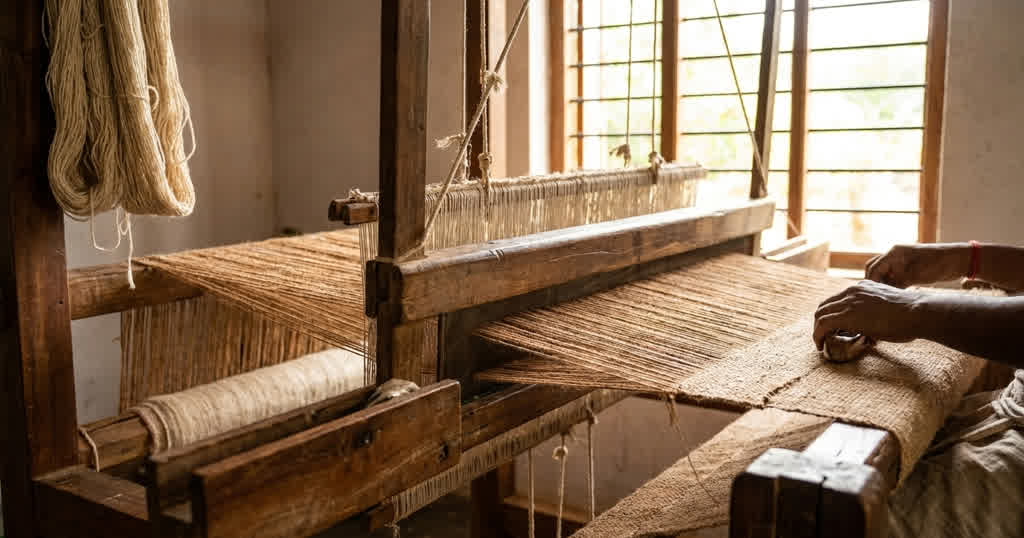
A Deep Dive into Plain Weave Fabric: Characteristics and Uses

Designers building a new collection often start by selecting a foundational base cloth that dictates the drape, dye uptake, and longevity of the final garment. At the core of these decisions sits plain weave fabric, historically known as tabby weave, which remains the most fundamental and ancient of all textile constructions. Whether sourcing for a summer apparel line or structured homeware, understanding the exact mechanics of this construction is a technical necessity. The choice of a base textile directly impacts a brand's sustainability narrative and production margins.
In India, this specific construction forms the structural backbone of Khadi and traditional handloom textiles, symbolizing artisanal self-reliance and centuries of decentralized craftsmanship. Selecting a hand-woven variant over a mill-made commodity alters the carbon footprint of a collection, offering a verifiable, low-impact alternative for conscious production.
The Architecture of Plain Weave: A 1/1 Interlacing Masterclass
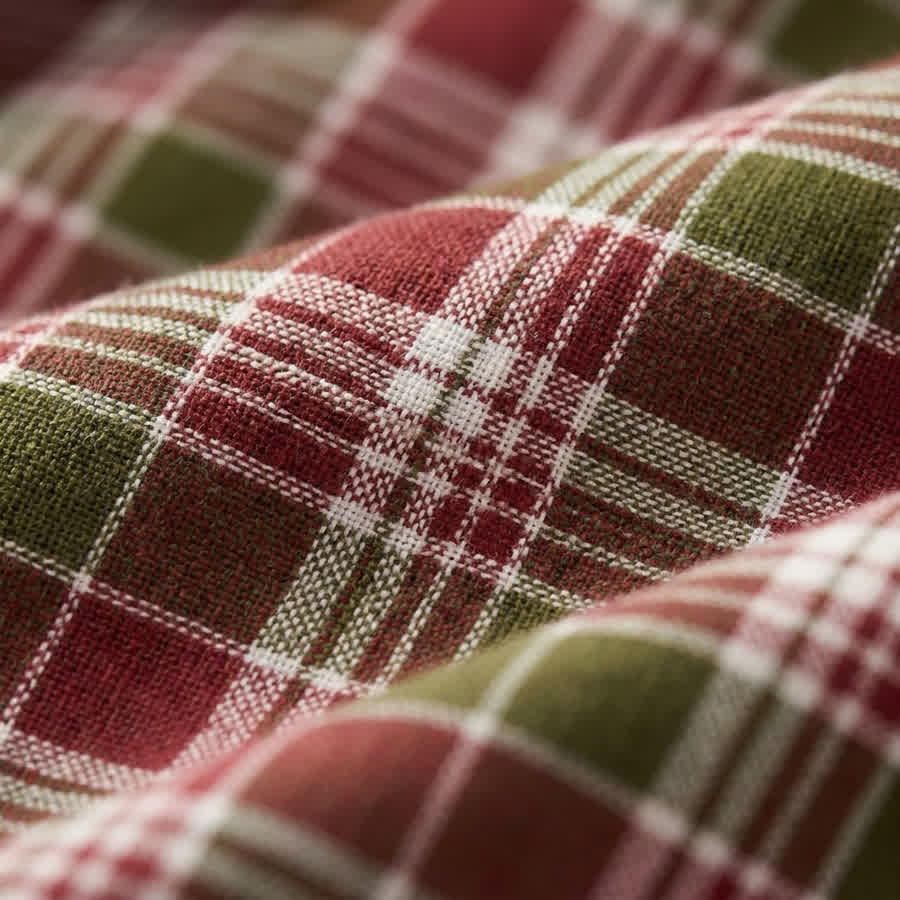
The architecture of plain weave relies on a strict 1/1 interlacing pattern where warp and weft yarns cross alternately, creating the maximum possible number of binding points for superior tensile strength. This simple but highly effective grid provides the structural stability required for durable, long-lasting garments.
To understand the performance of this textile, we must look at the loom mechanics. The warp yarns (held under tension on the loom) and the weft yarns (inserted horizontally) intersect at every possible opportunity. This high frequency of interlacing restricts yarn mobility, which prevents the fabric from easily distorting under stress.
The Mechanics of 1/1 Interlacing
The density of these intersections gives the material its defining physical properties. Because the yarns are tightly bound, the resulting cloth features exceptional abrasion resistance and a flat, uniform profile. However, this same lack of yarn mobility means the fabric is naturally prone to wrinkling, a characteristic designers must account for during garment construction.
The Mechanics of 1/1 Interlacing (continued)
When evaluating base materials, the structural benefits of this interlacing pattern include:
- High tensile strength: The frequent binding points distribute physical stress evenly across the surface.
- Structural stability: The grid resists shifting, making it highly reliable for precise pattern cutting.
- Flat profile: The absence of diagonal ridges creates a smooth surface ideal for surface embellishments.
Tensile Strength and Structural Stability
For a sourcing lead, the predictability of this construction reduces production waste. The maximum interlacing points ensure that the fabric holds its shape through repeated washing and wearing. This makes it an ideal candidate for daily-wear collections where longevity is a primary concern.
We see this stability firsthand in weaving clusters across Murshidabad, where artisans carefully align the warp and weft tension. The resulting cloth provides a dependable foundation that performs consistently, whether used as a lightweight lining or a structured outer shell.
From Sheer Muslin to Heavy Canvas: Manage the GSM Spectrum
Plain weave fabric spans a vast GSM spectrum, ranging from sheer 30 GSM muslins to heavy 300+ GSM canvases, dictated entirely by yarn count and packing density. This versatility allows designers to specify the exact weight and drape required for distinct product lines.
The adaptability of this construction lies in how easily weavers can alter the thickness of the yarn and the density of the weave. By adjusting the yarn count, artisans can produce entirely different textiles using the exact same 1/1 interlacing method. This flexibility is critical for brands looking to source multiple weights from a single supply chain.
Lightweight Applications: Muslins and Organzas
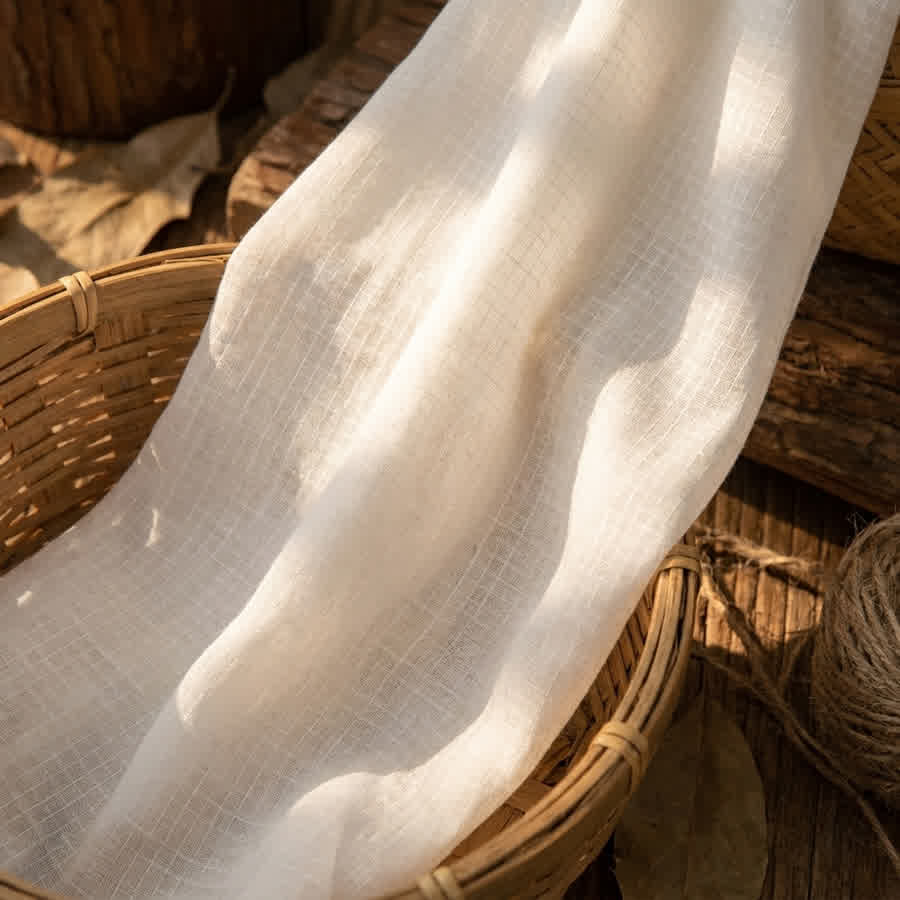
At the lower end of the weight spectrum, we find delicate, highly breathable textiles. These fabrics utilize fine yarns, resulting in a sheer, lightweight drape that is highly sought after for summer collections.
The most common lightweight plain weaves include:
Lightweight Applications: Muslins and Organzas (continued)
- Fine muslins (30-50 GSM): Characterized by a soft, airy hand-feel, well suited for flowing dresses and lightweight shirting.
- Crisp organzas (40-60 GSM): Woven with high-twist yarns to retain a stiff, structured drape for voluminous silhouettes.
- Lightweight cambrics (70-90 GSM): Offering slightly more opacity while maintaining excellent air permeability for warm climates.
Medium to Heavyweight: Cambrics and Canvases
As the GSM increases, the fabric transitions into medium and heavyweight categories suitable for structured apparel and homeware. By using thicker yarns and a tighter packing density, the resulting cloth gains significant structural rigidity and opacity.
Medium weights, such as 100-150 GSM poplins, serve as the workhorse for standard shirting and dresses. Moving up the scale, heavyweight canvases (200-300+ GSM) provide the necessary durability for bags, upholstery, and outerwear. Specifying the correct GSM ensures the final product meets the exact physical demands of its intended use.
Handloom vs. Powerloom: The Breathability and Texture Advantage
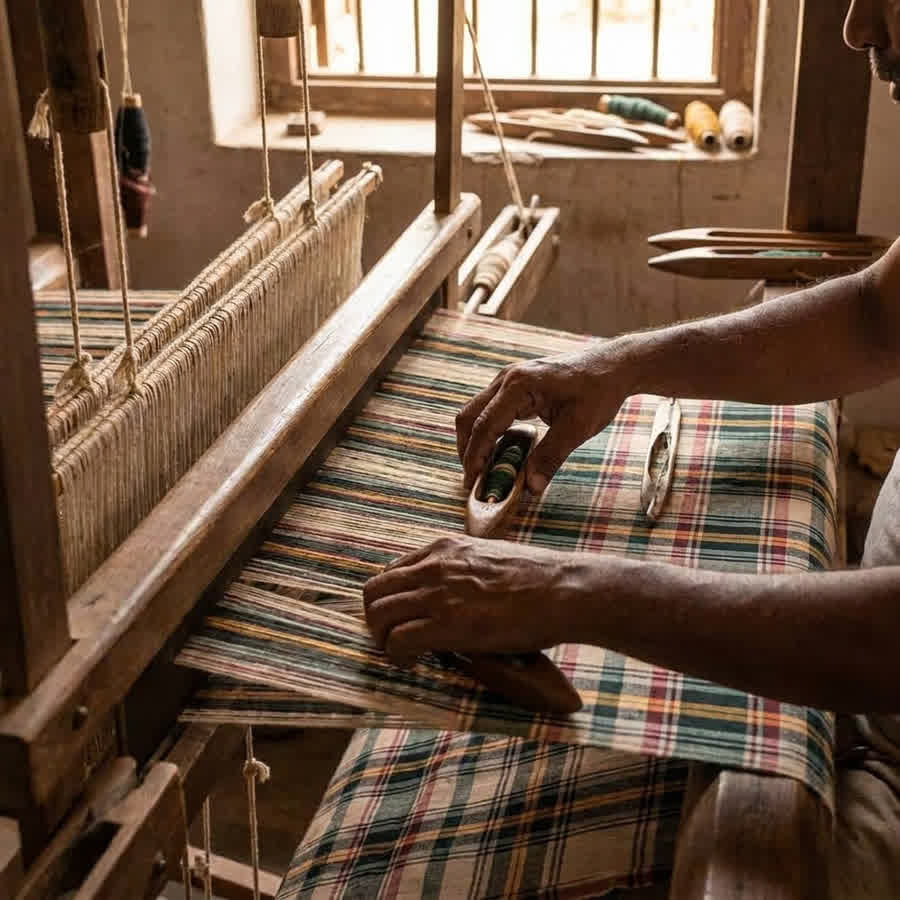
Handloom plain weaves feature micro-variations in yarn tension that create a slightly looser, organic structure, resulting in significantly higher breathability than uniform powerloom fabrics. This artisanal weaving process also imparts a unique tactile character and maintains a strictly low carbon footprint.
The mechanical differences between hand-operated looms and automated powerlooms fundamentally alter the physical properties of the finished cloth. While powerlooms apply immense, uniform tension to maximize production speed, handlooms rely on the rhythmic, human application of force. This manual process introduces micro-variations in the weave, giving the fabric its distinct personality.
Micro-Variations and Air Permeability
These subtle shifts in tension prevent the yarns from packing together as densely as they do in mill-made textiles. The resulting microscopic gaps in the 1/1 interlacing structure allow air to circulate freely through the material, directly improving air permeability.
The benefits of this organic tension include:
- Enhanced air permeability: The slightly relaxed structure allows body heat to escape, improving wearer comfort.
- Superior moisture management: Natural fibers woven on handlooms absorb and release sweat more effectively.
- Distinct tactile character: The soft, uneven texture provides a premium feel that synthetic or mill-made fabrics cannot replicate.
Tactile Character and Carbon Footprint
For conscious fashion houses, the appeal of hand-woven textiles extends beyond physical comfort. The decentralized craftsmanship required to produce these fabrics operates almost entirely without electricity, drastically reducing the environmental impact of the manufacturing phase.
By choosing handloom over powerloom, brands secure a low-carbon alternative that aligns with strict environmental targets. We observe this impact directly in rural Bengal, where the manual weaving process preserves traditional skills while offering a premium base cloth for the global market.
A strong Sustainable Canvas: Compatibility with Natural Dyes and Block Prints
The uniform, flat profile of plain weave fabric provides an uninterrupted surface that is structurally optimal for crisp block printing and even natural dye absorption. This lack of diagonal ridges ensures that surface embellishments and colors apply consistently across the entire yardage.
When applying color or pattern to a textile, the physical topography of the cloth dictates the quality of the finish. Unlike twill or satin constructions, which feature distinct diagonal lines or long yarn floats, the 1/1 interlacing pattern creates a perfectly balanced grid. This structural flatness is highly prized by artisans specializing in surface design.
Structural Flatness for Crisp Printing
For traditional techniques like Ajrakh or Bagru printing, the wooden blocks require a stable surface to transfer intricate details accurately. Any heavy texture or ridge in the fabric can disrupt the pattern, leading to blurred lines or uneven ink distribution.
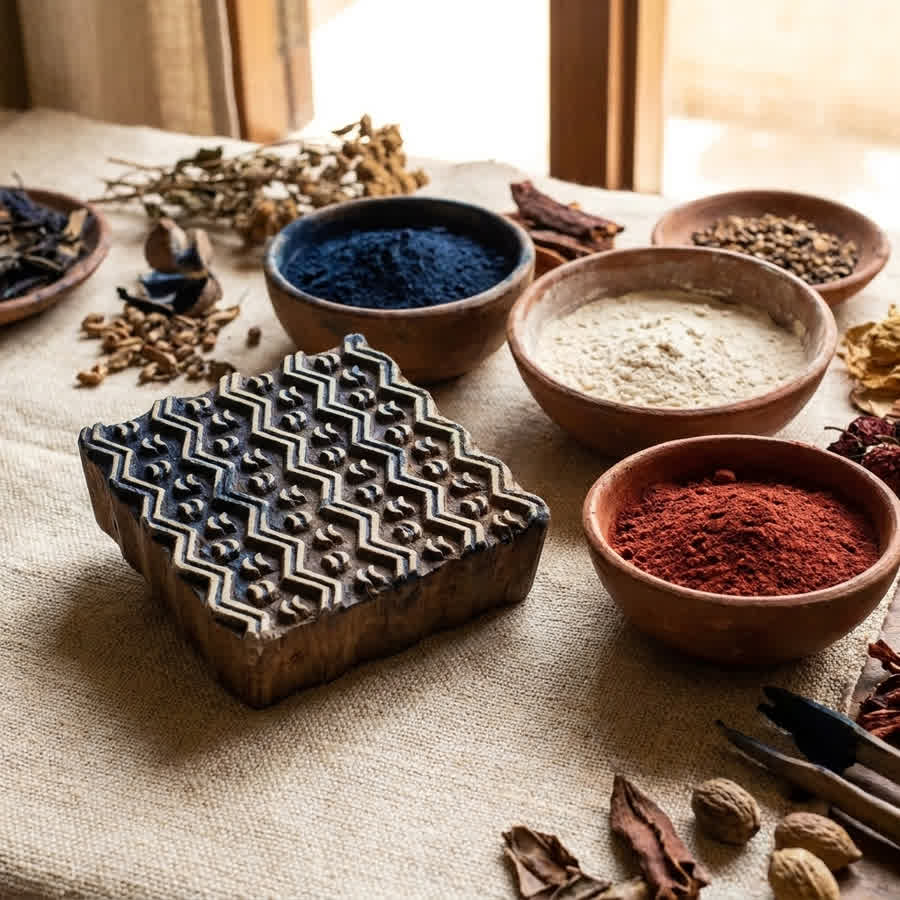
Structural Flatness for Crisp Printing (continued)
The advantages of using this flat construction for printing include:
- Sharp pattern transfer: The uniform grid allows for precise, clean edges when stamping complex motifs.
- Consistent ink absorption: The balanced distribution of warp and weft yarns ensures the dye penetrates evenly.
- Stable registration: The fabric's inherent structural stability prevents shifting during multi-color block applications.
Uniform Absorption for Natural Dyes
Beyond printing, this textile excels in vat dyeing processes, particularly when using plant-based colors. Natural dye absorption relies heavily on the fabric's ability to take up liquid uniformly, a trait directly supported by the consistent interlacing points.
Because the yarns are evenly exposed on both the face and back of the cloth, the dye strikes the fibers at the same rate. This results in a saturated color profile that enhances the premium, eco-friendly positioning of the final garment, making it a preferred choice for sustainable designers.
Sourcing with Impact: Traceability in the Decentralized Artisan Supply Chain
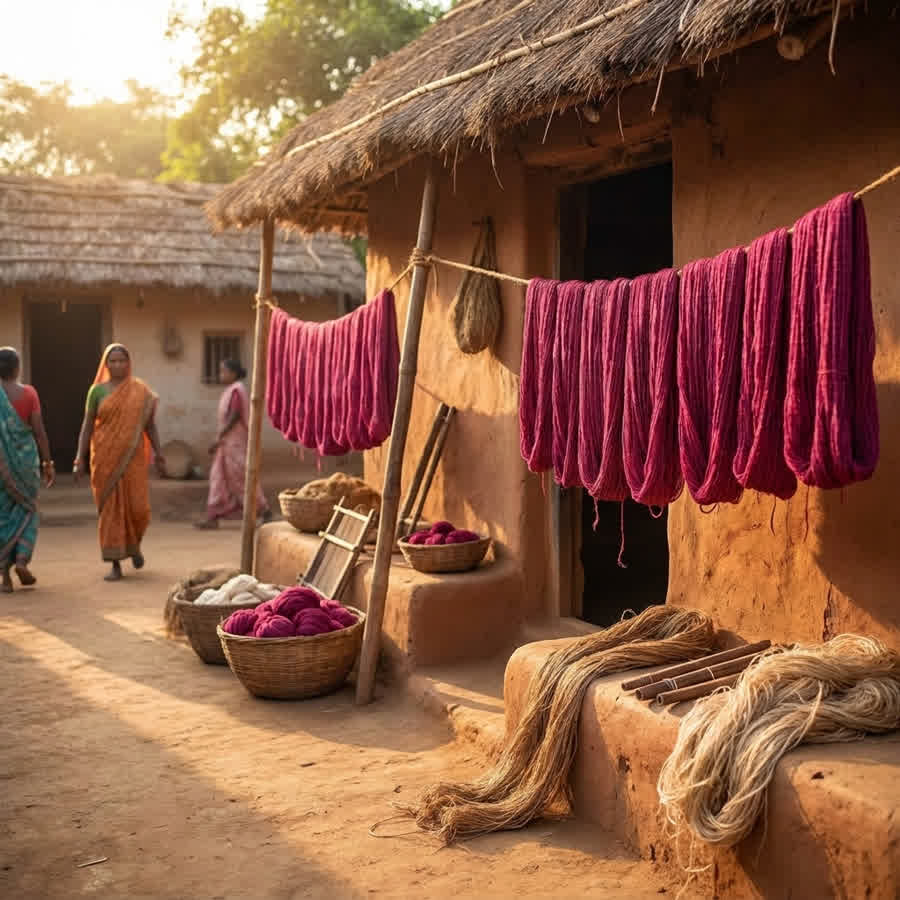
Sourcing handloom plain weave through a decentralized artisan network provides B2B buyers with verifiable traceability and strict ESG compliance. This model directly supports rural empowerment while delivering a premium, low-impact material with a compelling artisanal narrative.
Modern sourcing requires more than just specifying GSM and color; it demands a transparent view of the entire supply chain. Working with rural Indian handloom weavers shifts production away from opaque, centralized factories and into decentralized artisan clusters. This approach allows brands to map their materials directly back to the specific villages where they were woven.
The Rural Artisan Network
At Anuprerna, we organize our supply chain around these traditional clusters, ensuring that the economic benefits of production remain within the communities. By sourcing artisanal plain weaves, designers actively participate in a system that values human skill over automated volume.
The Rural Artisan Network (continued)
The key benefits of this decentralized model include:
- Verifiable traceability: Every batch of fabric can be traced back to its specific weaving cluster in regions like Burdwan or Murshidabad.
- Rural empowerment: Consistent B2B orders provide stable, fair-wage employment for skilled artisans.
- Preservation of heritage: Commercial demand ensures that centuries-old handloom techniques are passed down to the next generation.
Achieving ESG Compliance
For sourcing managers, meeting corporate sustainability goals is a critical metric. The handloom sector inherently aligns with these targets by offering a low-carbon footprint and promoting ethical labor practices.
Integrating these textiles into a collection provides a highly marketable sustainability story. Brands can confidently communicate their commitment to ethical production, knowing their base fabrics are backed by transparent, socially responsible manufacturing practices.
Explore Our Collection
Anuprerna works directly with handloom artisan clusters to weave plain weave fabric for designers and brands building considered collections. To source it for your next line, explore the range below.
frequently asked questions
How does the 1/1 interlacing of plain weave affect fabric breathability and tensile strength?
The **1/1 structure** creates the maximum possible **interlacing points** between warp and weft yarns, resulting in high tensile strength and structural integrity. In handloom plain weaves, the slightly looser, organic tension compared to power looms enhances **air permeability**, making the fabric exceptionally breathable while maintaining durability.
What is the typical GSM range for Anuprerna's handloom plain weave fabrics?
Our handloom plain weaves cover a **broad spectrum** to suit diverse B2B needs. They range from **ultra-lightweight muslins** and jamdanis (30-50 GSM) ideal for summer apparel, to medium-weight cambrics and poplins (80-150 GSM) for shirting and dresses, up to **heavier canvases** (200+ GSM) for accessories and homeware.
Why is plain weave fabric preferred for artisanal block printing and natural dyeing?
The **uniform, flat surface** of plain weave fabric provides an uninterrupted canvas with minimal diagonal ridges (unlike twill). This structural flatness ensures **crisp, sharp lines** in block printing and allows for even, consistent absorption of natural dyes, which is critical for high-quality **artisanal finishing**.
What are the shrinkage tolerances for handloom plain weave fabrics compared to mill-made alternatives?
Handloom plain weave fabrics typically experience a slight **initial shrinkage** (around 3-5%) due to the natural relaxation of yarns woven with less **mechanical tension** than mill-made fabrics. We recommend pre-washing or **bio-washing** the yardage before garment construction to stabilize the dimensions.
How can designers mitigate the natural wrinkling tendency of plain weave fabrics?
Designers can mitigate wrinkling by selecting plain weaves blended with **naturally resilient fibers** or by employing specific **garment finishing techniques**. Because the 1/1 interlacing restricts yarn mobility, the fabric is prone to creasing; however, pre-washing the yardage and incorporating slightly looser **garment silhouettes** can significantly improve the drape and reduce visible wrinkles during wear.
More Blogs
the ultimate guide to tussar silk fabric care and maintenance
how emerging eco-conscious brands source fabrics: a guide for new designers
french terry vs. fleece: choosing the right material for your loungewear line
sourcing authentic batik fabric india: a buyer's guide
sourcing authentic batik fabric in india: a buyer's guide
raw silk vs mulberry silk durability: which is better for your collection?