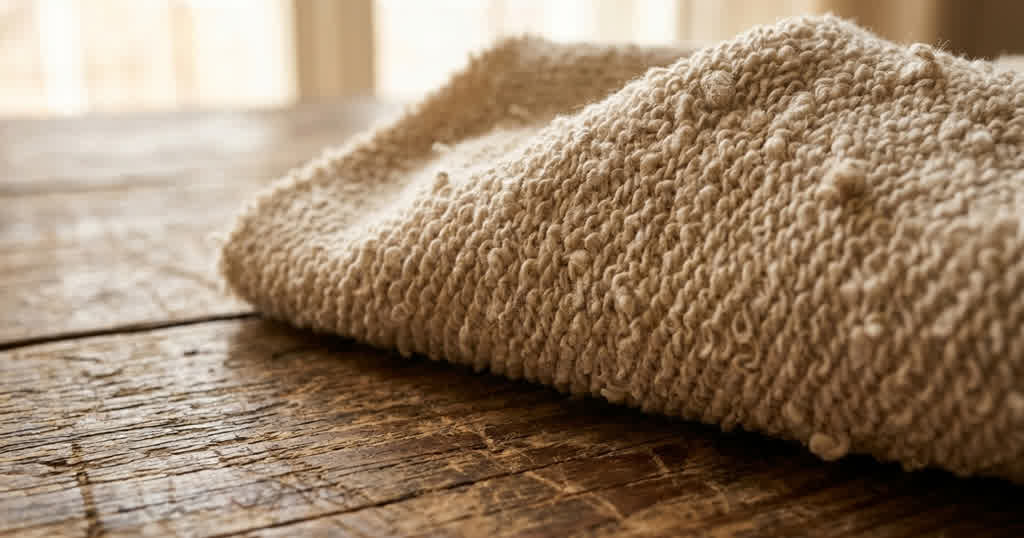
French Terry vs. Fleece: Choosing the Right Material for Your Loungewear Line

The shift from synthetic activewear to the premiumization of loungewear forces designers to make precise structural decisions long before a garment reaches the cutting table. Selecting the right french terry material or brushed fleece dictates how a collection performs across seasons, endures repeated washing, and passes rigorous sustainability audits. For decades, the industry relied on synthetic poly-blends to achieve a plush, insulating hand-feel, but strict environmental goals now demand 100% natural cotton alternatives. Understanding the mechanical differences between these two knit structures allows sourcing directors to specify fabrics that offer high-end comfort while eliminating microplastic shedding from their supply chains.
Structural Anatomy: The Loop vs. The Brush in French Terry Material and Fleece
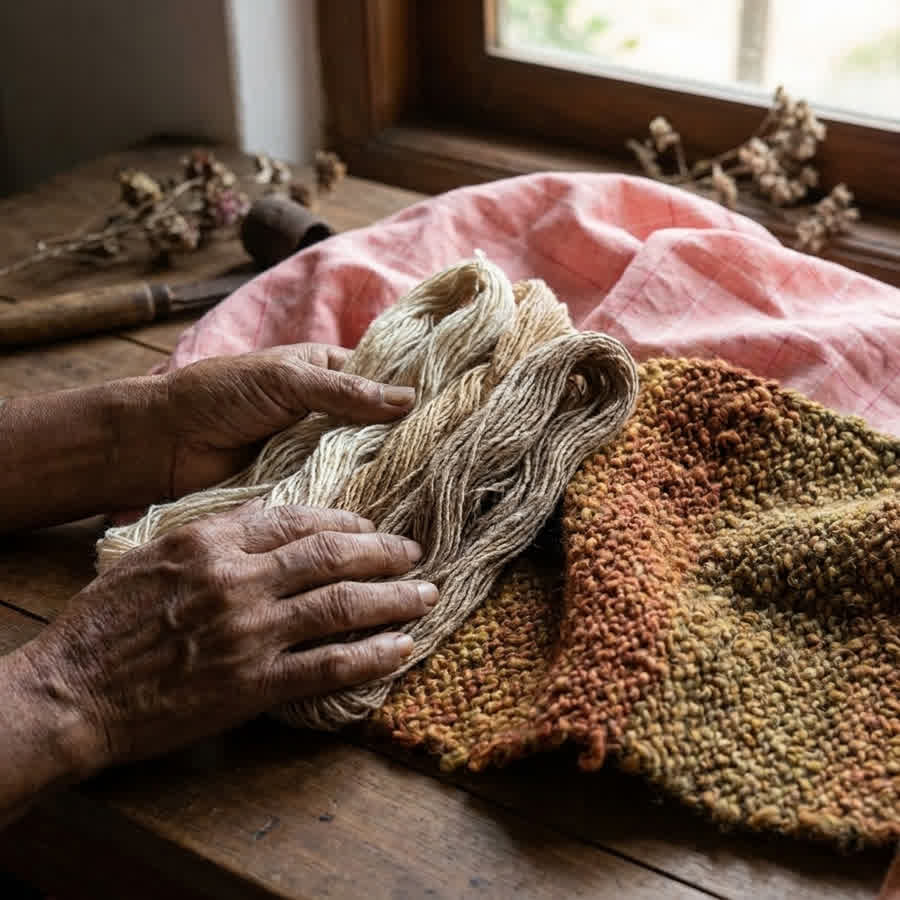
The structural difference between these fabrics lies entirely in the finishing process: French terry retains its uncut yarn loops for moisture management, while fleece undergoes mechanical brushing to shred those loops into an insulating pile. Both begin on the knitting machine as the exact same single-knit jersey base.
The Evolution of the Single-Knit Base
Historically, these two textiles emerged to solve very different athletic problems. Designers in the 1980s developed the first french terry material as a lighter, knit adaptation of traditional woven terrycloth. This innovation provided athletes with a flexible garment that absorbed sweat without the heavy, rigid drape of a woven towel.
Conversely, modern fleece was pioneered in 1981 by Malden Mills as a direct synthetic alternative to wool. The goal was to mimic the dense, warming properties of animal fibers using extruded polyester. Today, the sustainable shift reclaims both of these distinct fabric structures using 100% natural, heritage cotton, stripping away the synthetic history while keeping the mechanical benefits.
Mechanical Brushing and Loop Retention
The divergence between the two textiles happens during the final finishing stages at the mill. A standard knitting machine creates a smooth face on one side and a series of continuous yarn loops on the reverse.
To maintain the specific properties of a terry knit, the mill leaves the fabric exactly as it comes off the machine. The intact loops create a high surface area that actively draws moisture away from the skin.
To create fleece, the mill runs that same looped fabric through a specialized machine equipped with fine wire brushes. This mechanical brushing process yields several distinct structural changes:
- Shredded loops: The wire bristles tear the continuous cotton yarns, breaking them into thousands of individual, upright fibers.
- Plush pile formation: These broken fibers entangle to create a soft, fuzzy interior surface that feels instantly warm against the skin.
- Reduced moisture absorption: Because the continuous capillary structure of the loop is destroyed, the fabric loses its rapid wicking capabilities.
Understanding this mechanical divergence helps a designer specify the correct french terry material or fleece based on whether the garment needs to breathe or insulate.
Thermal Dynamics and GSM: Engineering Loungewear for Seasonal Performance
Fleece provides superior thermal insulation by trapping dead air within its brushed pile, requiring a heavier weight of 280 to 400+ GSM, whereas French terry prioritizes breathability with a lighter 200 to 350 GSM range. The choice directly dictates the seasonal viability of a loungewear collection.
Weight Ranges and Fabric Density
Specifying the correct grams per square meter (GSM) determines how a garment drapes, wears, and retains its shape over time. Because the brushing process physically removes a small amount of fiber and weakens the base structure, mills must start with a heavier, denser knit to produce durable fleece.
When sourcing for a B2B collection, designers typically work within two distinct weight categories:
- French terry material (200-350 GSM): This lighter specification offers a fluid, relaxed drape ideal for spring and summer collections, or active recovery wear.
- Brushed fleece (280-400+ GSM): This heavier specification provides the necessary structural integrity to support the brushed pile, resulting in a stiffer, highly structured garment suited for winter drops.
Weight Ranges and Fabric Density (continued)
Selecting a weight below these recommended thresholds often results in poor garment longevity. This structural failure leads to sagging knees in joggers or warped necklines in hoodies after minimal wear.
Air-Trapping Mechanics vs. Breathability
The thermal performance of a knit fabric relies entirely on how it interacts with body heat and ambient air. The shredded fibers of a fleece interior create a microclimate of trapped dead air right against the skin.
This trapped air acts as a highly effective insulating barrier, preventing body heat from escaping. However, this same barrier severely restricts airflow, making heavy fleece uncomfortable in temperate climates or during physical exertion.
In contrast, the uncut loops of french terry material create physical space between the fabric base and the wearer's skin. This spacing allows air to circulate freely, venting excess body heat while the hydrophilic cotton loops absorb sweat. For brands building year-round, versatile loungewear staples, this dry, crisp hand-feel and superior breathability make terry the more adaptable choice.
The Microplastic Dilemma: Why Natural Cotton is a B2B Imperative
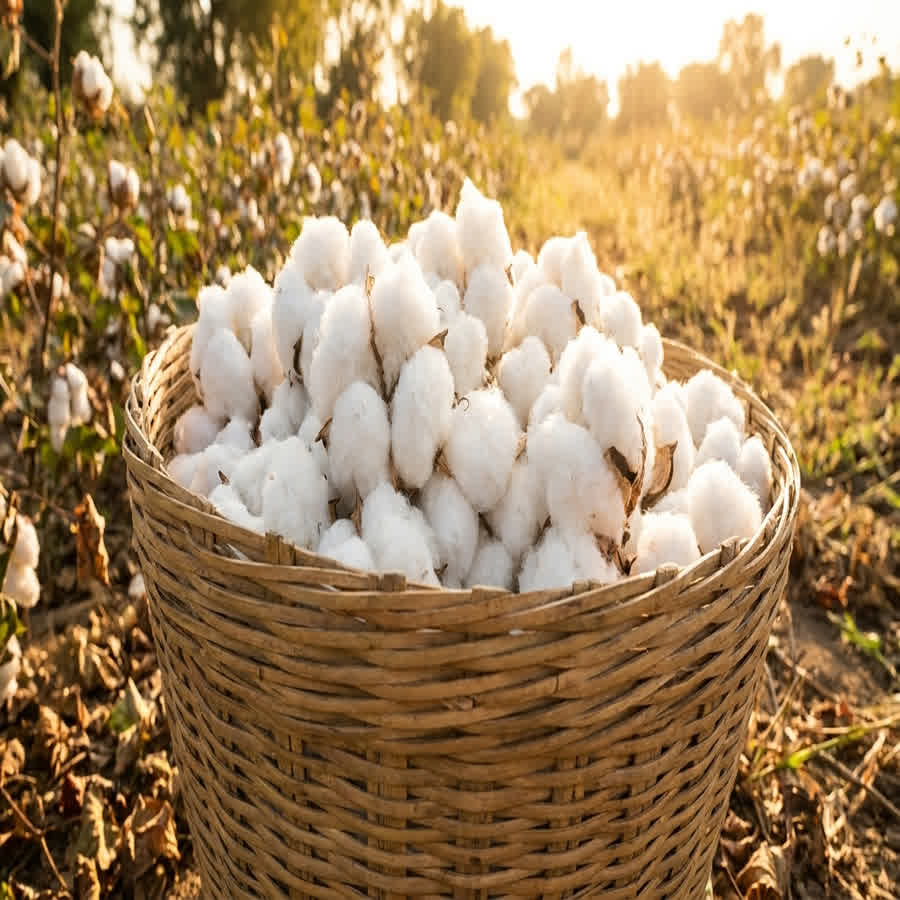
Replacing synthetic poly-blends with 100% natural cotton is a mandatory sourcing shift to prevent the shedding of microplastics during domestic washing cycles. B2B buyers face immense pressure to align premium comfort with strict environmental, social, and governance (ESG) goals.
The Environmental Cost of Synthetic Fleece
Since its invention in the early 1980s, synthetic fleece has dominated the activewear market due to its low cost and high insulation. However, the exact mechanical process that makes fleece warm also makes it an ecological liability.
When a mill brushes extruded polyester to create a soft pile, it creates millions of tiny, fragile plastic filaments. During a standard machine wash, friction causes these synthetic filaments to snap off and drain directly into local waterways.
Industry consensus identifies synthetic textiles as a primary source of oceanic microplastic pollution. For a modern fashion brand, continuing to source poly-blends directly contradicts the zero-waste credentials that eco-conscious consumers demand.
Transitioning to Heritage Cotton
To eliminate this pollution without sacrificing the plush, insulating hand-feel of winter loungewear, sourcing directors are returning to natural fibers. Producing fleece and french terry material entirely from organic cotton ensures that any fibers shed during washing are fully biodegradable.
This transition requires careful attention to yarn quality and staple length. Natural cotton lacks the continuous filament strength of extruded plastic, meaning mills must use high-quality, long-staple cotton to prevent excessive pilling in brushed fabrics.
When brands specify 100% natural cotton, they secure a fabric that breathes better, absorbs moisture naturally, and aligns with rigorous sustainability audits. This shift transforms a basic loungewear set from a fast-fashion commodity into a premium, responsible investment.
The Anuprerna Advantage: Improve Knits with Artisan-Spun Yarns
Integrating hand-spun organic cotton yarns from rural Indian artisans into the knitting process imparts a unique slub texture while building a transparent, decentralized supply chain. We connect the technical performance of premium knits directly to the ethical empowerment of traditional handloom weaving communities.
Decentralized Sourcing and Traceability
Most commercial knitwear relies on highly centralized, opaque factory systems that obscure the origin of the raw materials. At Anuprerna, we operate a decentralized artisan supply chain that partners directly with rural clusters across regions like Murshidabad and Malda.
This model allows us to trace every batch of cotton from the farm to the final knitted roll. When a designer specifies our fabrics, they receive exact data on the origin, the spinning process, and the specific artisans involved.
By distributing production across independent rural clusters, we ensure fair wages and preserve heritage skills. This transparency provides B2B buyers with a verifiable sustainability narrative that resonates strongly with their end consumers.
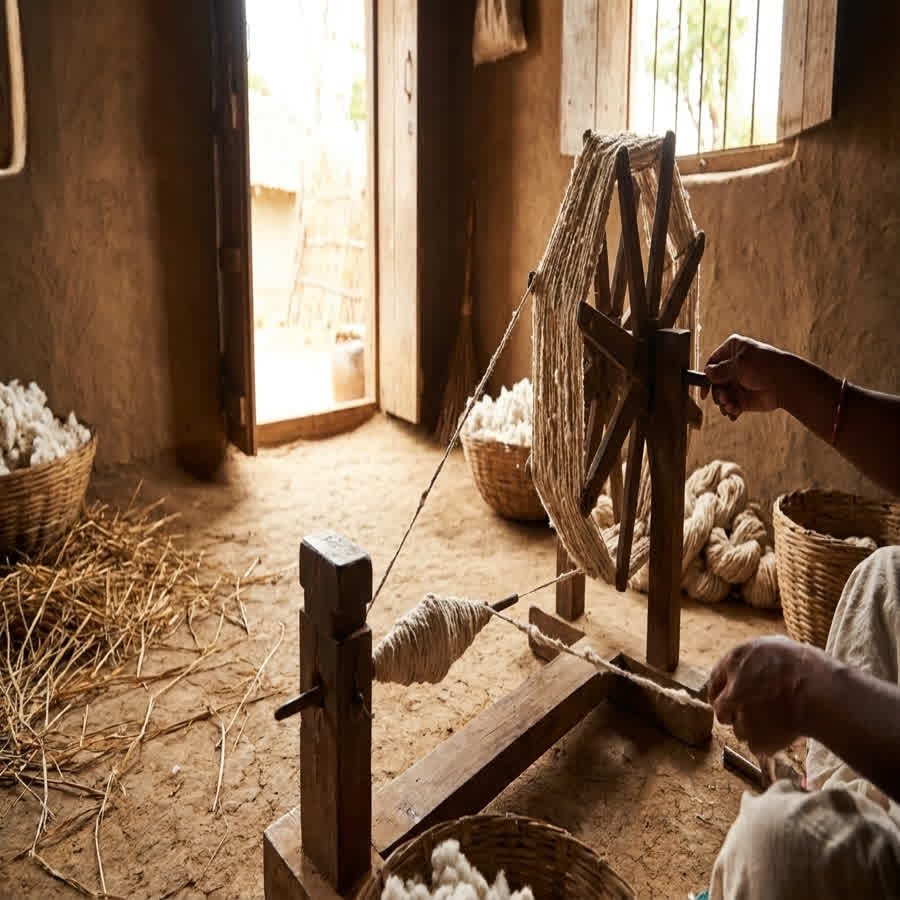
The Tactile Benefits of Hand-Spun Yarn
While the knitting machines provide the necessary consistency for bulk production, the character of the fabric originates in the yarn structure. We incorporate hand-spun cotton yarns into our knit structures, introducing subtle, intentional variations that commercial mills try to engineer out.
These artisanal yarns offer distinct advantages for premium loungewear lines:
- Unique slub textures: The natural variations in yarn thickness create a rich, organic surface texture that distinguishes the garment from flat, mass-produced basics.
- Enhanced breathability: Hand-spinning introduces micro-pockets of air within the yarn itself, improving the thermal regulation of our french terry material.
- Superior dye uptake: The less uniform, porous nature of artisanal yarn absorbs natural dyes deeply, resulting in complex, saturated colors.
Choosing artisan-spun knits allows a brand to deliver the precise GSM and structural performance required for high-end loungewear. It embeds a tangible, human story into every fiber, proving that technical excellence and ethical sourcing can coexist.
Explore Our Collection
Anuprerna works directly with handloom artisan clusters to weave french terry material for designers and brands building considered collections. To source it for your next line, explore the range below.
frequently asked questions
What is the optimal GSM for premium french terry material in year-round loungewear?
For high-end, versatile loungewear, a weight of **280-320 GSM** is optimal. This range provides enough structure to prevent the garment from clinging, while maintaining the breathability inherent to the **unbrushed loop structure**. Designers targeting transitional seasons rely on this specific weight to balance durability with a comfortable drape.
Why does fleece tend to pill more than french terry material?
Fleece undergoes a **mechanical brushing process** that breaks the yarn loops to create a fuzzy pile, leaving loose fibers that tangle under friction. These broken fibers are inherently more prone to matting and pilling during wear and washing compared to the intact, **continuous loops** of French terry. Specifying long-staple cotton helps mitigate this issue in brushed fabrics.
How does the moisture-wicking capability of French terry compare to brushed fleece?
**French terry material** is highly hydrophilic, using its uncut interior loops to increase surface area and wick moisture efficiently away from the skin. Brushed fleece, while significantly warmer, traps air and moisture within its **shredded pile**, making it far less breathable. This makes terry the superior choice for active recovery or temperate climates.
Can French terry and fleece be sustainably produced using artisan supply chains?
Yes, these knit fabrics can be sustainably produced by integrating **hand-spun organic cotton yarns** from rural Indian artisans into the machine-knitting process. This hybrid approach eliminates **synthetic microplastics** while imparting a unique, premium texture to the final fabric. It allows brands to scale production while supporting decentralized weaving communities.
How does the shrinkage rate of organic cotton French terry compare to synthetic blends?
Organic cotton French terry typically exhibits a higher **shrinkage rate of 3-5%** upon the first wash compared to the near-zero shrinkage of synthetic polyester blends. Because natural cotton fibers relax and contract when exposed to heat and water, sourcing directors must factor this **dimensional change** into their initial pattern grading. Pre-washing or garment-dyeing the fabric at the mill can effectively stabilize the final dimensions.
More Blogs
the ultimate guide to tussar silk fabric care and maintenance
how emerging eco-conscious brands source fabrics: a guide for new designers
sourcing authentic batik fabric india: a buyer's guide
a deep dive into plain weave fabric: characteristics and uses
sourcing authentic batik fabric in india: a buyer's guide
raw silk vs mulberry silk durability: which is better for your collection?