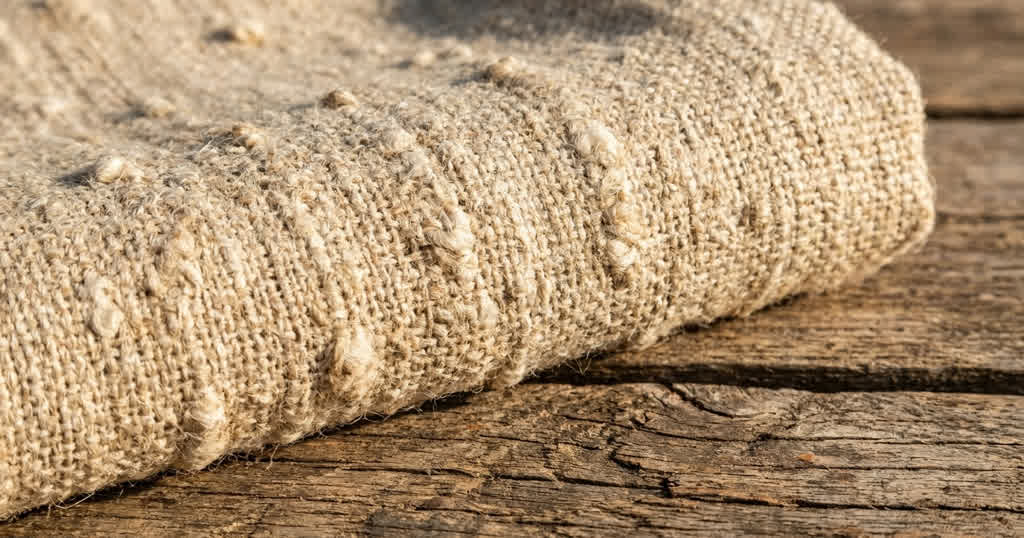
Buy Hemp Fabric for Clothing: From Hemp Fiber to Finished Textile

Designers seeking alternatives to thirsty conventional cotton face a distinct challenge when sourcing hemp fabric for upcoming seasonal collections. The market is saturated with industrial, machine-milled options that often feel rigid, lacking the drape and tactile nuance required for premium apparel. The decision to specify this ancient material goes beyond basic environmental compliance. Selecting the right hemp textile dictates garment longevity, dye uptake, and the traceability narrative a brand can confidently share with its customers.
What is Hemp Fabric? The Anatomy of a High-Performance Bast Fiber
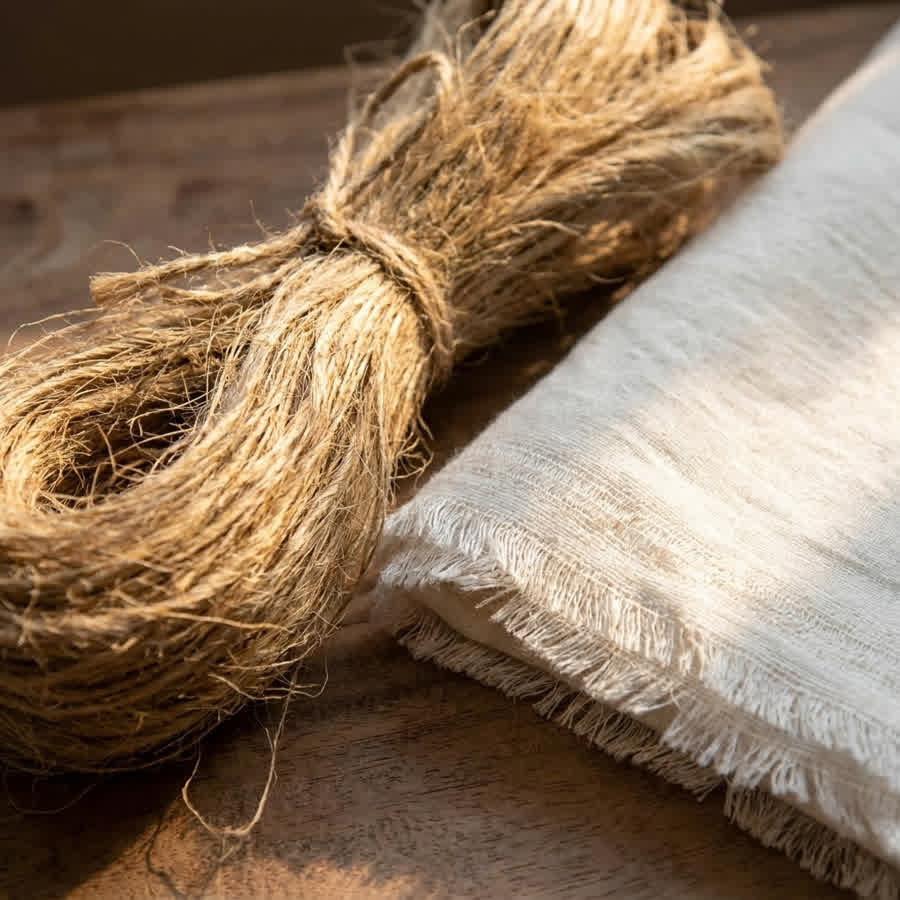
What is hemp fabric? It is a highly durable textile woven from the long bast fibers found in the inner bark of the hemp plant stalk. This specific structural composition gives the material exceptional tensile strength and breathability for B2B apparel applications.
Understanding the material science behind this textile explains why it structurally outperforms conventional cotton. The raw material is extracted directly from the phloem of the plant stalk, creating a highly resilient natural yarn.
This specific botanical origin provides a unique cellular architecture. The fibers are composed primarily of cellulose, which accounts for approximately 70% of their internal structure.
The remaining composition includes 8-10% lignin, an organic polymer that acts as a natural botanical binder. This specific lignin content is responsible for the initial crisp hand-feel often associated with raw, unwashed bast textiles.
Cellular Structure and Strength
The high cellulose concentration directly translates to mechanical performance on the loom, whether for plain weaves or intricate jacquard fabric. Designers specifying this material benefit from a tensile strength that is up to three times higher than that of standard cotton.
This structural integrity ensures that garments resist tearing and physical degradation over years of heavy use. When you buy hemp fabric, you are investing in a textile engineered by nature for extreme longevity.
The long staple length of the fiber actively prevents surface pilling, a common issue found in shorter-staple synthetic blends. This makes the material ideal for high-wear garments like structured trousers, heavy outerwear, and durable alternatives to denim fabric.
Thermoregulation and Porosity
Beyond raw physical strength, the cellular structure offers distinct comfort advantages for the end consumer. The fibers possess a highly porous structure, which traps microscopic pockets of air and facilitates rapid moisture wicking.
This natural porosity creates exceptional thermoregulation properties, keeping the wearer cool in summer and insulating them in cooler climates. The hollow core of the fiber allows it to absorb significant ambient moisture before feeling damp against the skin.
For B2B fashion brands, these technical specifications translate directly to superior consumer comfort. The fabric breathes naturally, making it a superior choice for close-to-skin apparel and sustainable collections.
From Stalk to Handloom: The Journey of Hemp Fiber
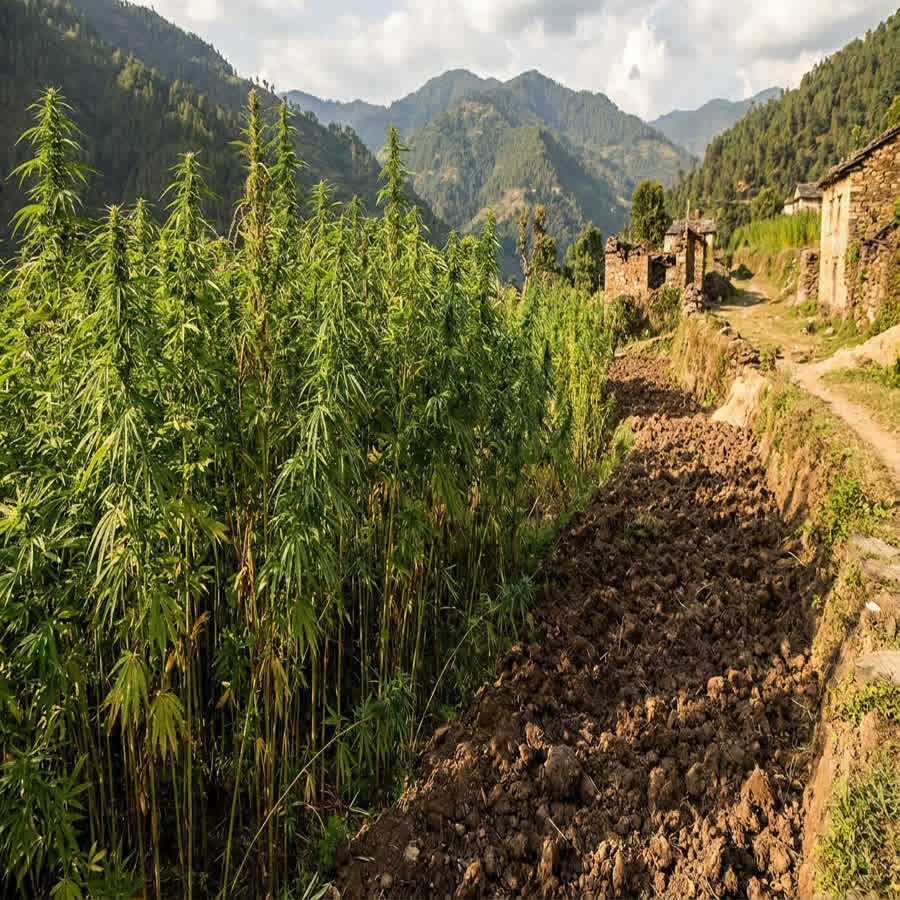
The journey of hemp fiber begins with wild harvesting in the Himalayan regions and ends with manual spinning and weaving by rural Indian artisans. This decentralized supply chain preserves the natural integrity of the material while maintaining a zero-carbon manufacturing footprint.
In the Indian subcontinent, particularly in the high-altitude regions of Uttarakhand, wild hemp has been harvested by indigenous communities for centuries. This traditional cultivation predates industrial milling, relying on deep generational knowledge of the local ecology.
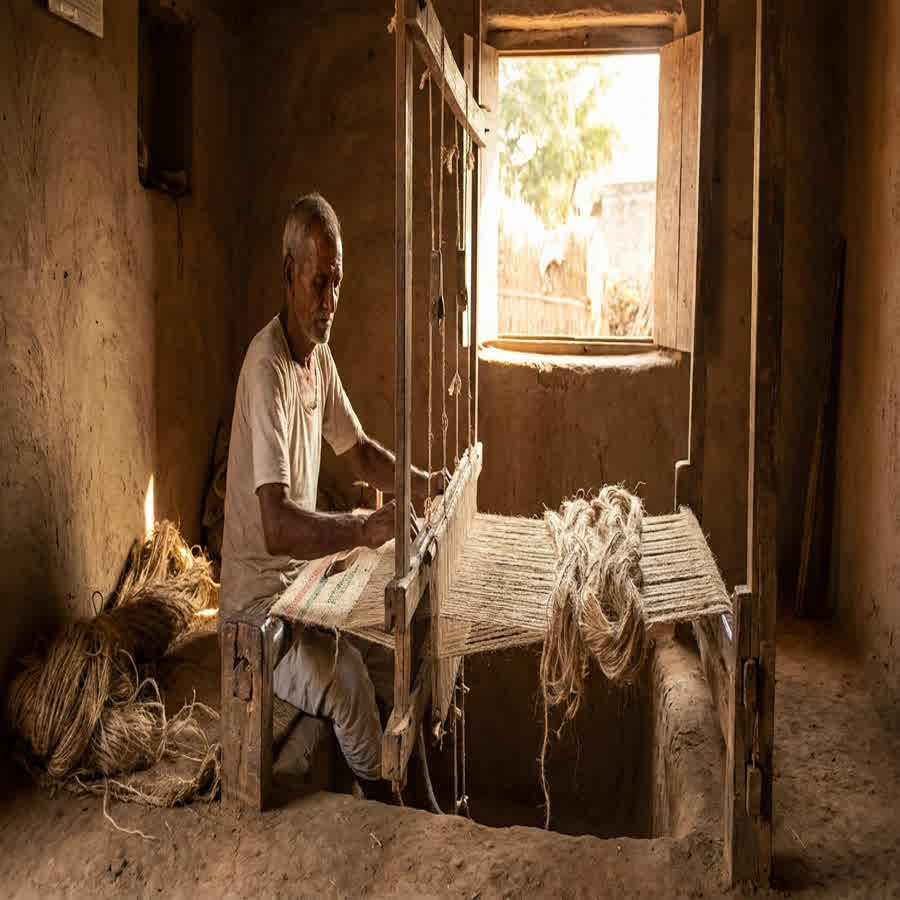
The transformation from raw stalk to finished textile is a highly labor-intensive process. We work with rural clusters that handle every step manually, ensuring the raw hemp fibers retain their natural strength and character.
Harvesting and Retting in Uttarakhand
The process begins with harvesting the mature stalks, followed immediately by a crucial step called retting. This is a natural decay process where moisture and local bacteria dissolve the cellular tissues surrounding the bast fiber bundles.
Instead of using harsh chemical enzymes, our artisans rely on dew retting or water retting in local mountain streams. This traditional extraction method separates the fibers without weakening their internal cellular structure.
After retting, similar to the extraction of banana fiber, the stalks undergo manual decortication, where the woody core is physically stripped away by hand. The resulting fibers are then washed and prepared for spinning, maintaining their natural variations in color and textile texture.
The Hand-Spinning and Weaving Process
Once extracted, the fibers are hand-spun into yarn, a process that requires immense physical skill to achieve a consistent gauge. This manual spinning introduces slight, beautiful irregularities, giving the final hemp textile its distinct artisanal character.
The yarn is then transferred to traditional wooden handlooms for the final weaving stage. This decentralized manufacturing model offers several distinct advantages for sourcing managers looking to build an ethical supply chain.
- Zero-carbon footprint: The entire weaving process operates without electricity, relying solely on human kinetic energy.
- Customizable tension: Artisans can adjust the loom tension to create specific drapes and fabric weights.
- Socio-economic empowerment: Direct partnerships provide fair, consistent wages to rural weaving communities.
By keeping the entire process manual, the resulting fabric possesses a supple drape that heavy industrial machines often crush.
Hemp Fiber Benefits: Why Eco-Conscious Brands are Making the Switch
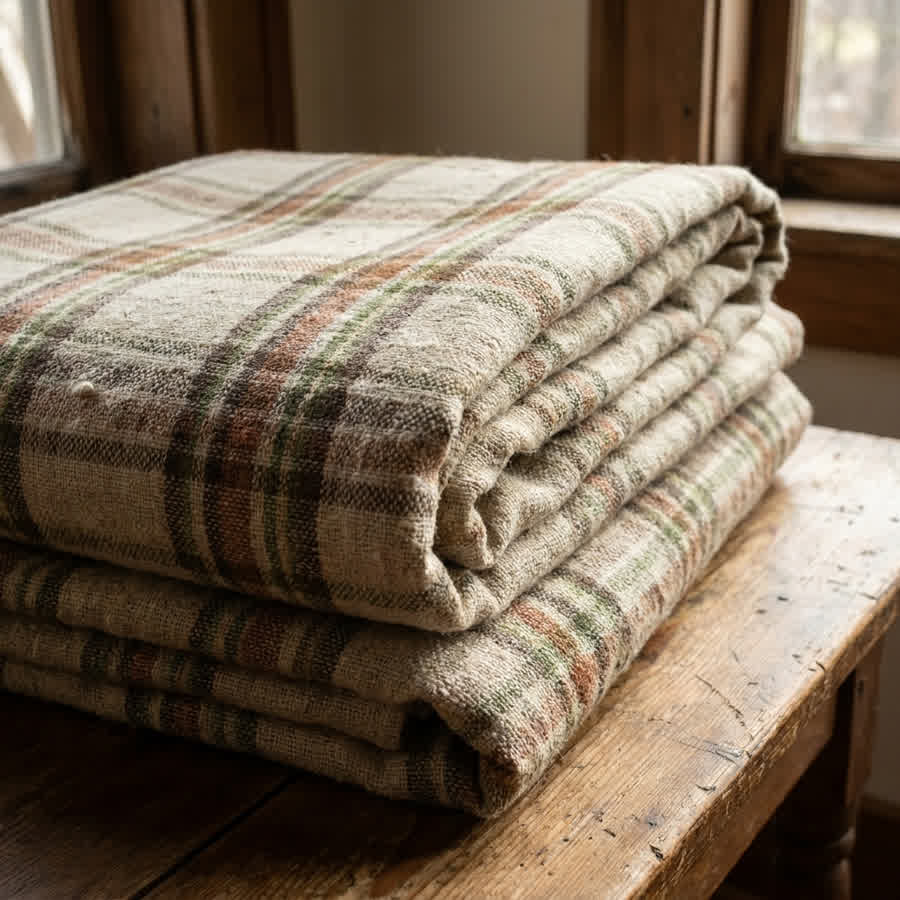
The primary hemp fiber benefits include distinctive structural durability, natural UV resistance, and inherent antimicrobial properties. These technical advantages allow eco-conscious brands to produce long-lasting, high-performance garments that align with strict ESG mandates.
B2B fashion brands are actively seeking low-impact alternatives to conventional textiles to meet growing consumer demand for circularity. The shift toward this specific bast fiber is driven by its measurable performance metrics and its alignment with sustainable fashion principles.
When evaluating materials for a new collection, designers must weigh both ecological impact and physical performance. This fiber excels in both categories, offering a compelling, fact-based narrative for the end consumer.
Structural Durability and UV Resistance
The inherent physical strength of the material ensures that garments maintain their shape through years of continuous wear. This high tensile strength reduces the frequency of garment replacement, directly supporting a brand's long-term circularity goals.
Additionally, the dense cellular structure provides natural UV resistance without the need for chemical coatings. The fabric effectively blocks a significant portion of harmful ultraviolet rays, making it an excellent choice for summer apparel and outdoor wear.
Unlike synthetic treatments that wash out over time, this UV protection is a permanent physical characteristic of the raw fiber. This ensures lasting protection for the wearer while maintaining the fabric's natural breathability.
Antimicrobial Properties and Softening
Another critical advantage is the material's natural resistance to mold, mildew, and odor-causing bacteria. These inherent antimicrobial properties mean garments require less frequent washing, further reducing their lifecycle environmental impact.
A common concern among designers is the initial stiffness of the raw textile straight off the loom. However, the fabric undergoes a unique physical transformation through regular use.
- Mechanical softening: Regular washing and wearing physically break down the residual lignin.
- Progressive drape: The fabric becomes progressively softer and more fluid over time, developing a lived-in softness.
- No structural degradation: This softening occurs without compromising the underlying tensile strength.
This progressive softening becomes a key selling point, as the garment physically improves with age and mechanical washing.
Is Hemp Fabric Organic? Manage Sustainable Cultivation
Is hemp fabric organic? Yes, when wild-harvested or cultivated traditionally in India, it grows without synthetic pesticides or fertilizers, naturally phytoremediating the soil and requiring minimal water. This makes it inherently organic in practice, offering a highly sustainable textile for B2B sourcing.
The cultivation of this plant is widely recognized by industry consensus as one of the most ecologically sound agricultural practices available. It grows vigorously in diverse climates, naturally outcompeting local weeds and eliminating the need for chemical herbicides.
For sourcing leads focused on sustainability, understanding the agricultural footprint is just as important as the weaving process. The plant actively improves the environment in which it is grown, providing a net-positive ecological impact.
Phytoremediation and Soil Health
One of the most remarkable agricultural traits of the plant is its ability to perform active phytoremediation. Its deep taproots draw toxins, heavy metals, and excess radiation from the soil, effectively cleaning degraded agricultural land.
These deep roots also aerate the soil and prevent surface erosion, leaving the earth in significantly better condition for subsequent crops. This makes it an ideal rotational crop for farmers operating in rural India.
The plant yields significantly more fiber per acre than conventional cotton or flax. This high yield density maximizes land use efficiency, a crucial metric for brands auditing their supply chain's spatial footprint.
Water Efficiency and Natural Pest Resistance
Water consumption is a major pain point in conventional textile sourcing and global manufacturing. This crop requires approximately one-third the water of conventional cotton, relying almost entirely on natural rainfall in regions like Uttarakhand.
The plant also possesses natural pest resistance, negating the need for synthetic pesticides during its growth cycle. When evaluating whether a textile is sustainable, these inherent agricultural efficiencies provide a clear, data-backed answer.
- Zero synthetic inputs: Traditional cultivation relies entirely on natural soil fertility and local climate conditions.
- Rain-fed growth: Eliminates the need for destructive irrigation infrastructure and preserves local water tables.
- Carbon sequestration: The rapid growth cycle absorbs significant atmospheric carbon before the harvest.
By sourcing these wild-harvested fibers, brands directly support an agricultural system that actively regenerates the local ecosystem.
How to Buy Hemp Fabric: Sourcing Handloomed Hemp Textiles for Clothing
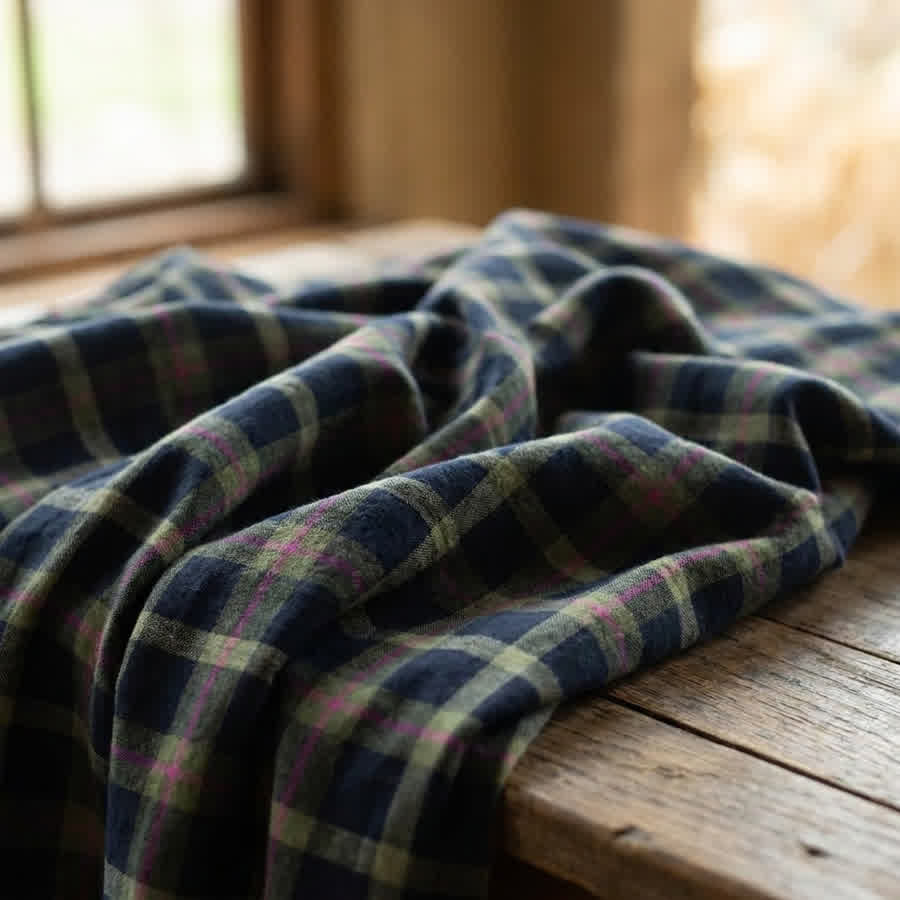
To successfully buy hemp fabric for clothing, B2B buyers must specify the correct GSM for their garment type and consider blending options to achieve the desired drape. Partnering with a decentralized artisan network ensures transparent traceability and access to customizable, handloomed yardage.
Sourcing this material requires a technical understanding of weight, weave structure, and finishing techniques. Because handloomed textiles possess natural variations, communicating precise specifications to your supplier is essential for production consistency.
We guide designers through the selection process, ensuring the chosen textile aligns perfectly with the intended garment silhouette. The most critical metric to define early in the sourcing phase is the exact fabric weight.
Selecting the Right GSM for Apparel
The weight of the textile, measured in Grams per Square Meter (GSM), dictates its final application. Handloomed options typically range from lightweight shirting to heavy upholstery grades.
For summer collections, a 120 to 150 GSM range provides the necessary breathability and lightness for shirts and dresses, offering a cooling effect similar to bamboo linen fabric. This specific weight maximizes the fiber's natural porosity and moisture-wicking capabilities.
For structured garments, heavier weights are required to maintain the intended silhouette.
- 180 to 250 GSM: Ideal for structured trousers, lightweight jackets, and durable skirts.
- 300+ GSM: Reserved for heavy outerwear, durable workwear, and structural accessories.
- Custom weaving: Artisans can adjust the warp and weft density to hit specific weight targets.
Blending and Artisan Partnerships
While pure bast fiber offers distinctive durability, blending it with other natural materials can alter the hand-feel and drape. We frequently blend it with organic cotton or peace silk directly on the wooden handloom.
These blends mitigate the initial crispness of the raw fiber, providing a softer initial drape suitable for premium ready-to-wear collections. Blending also allows for unique cross-dyeing effects, as different fibers absorb natural dyes at varying rates.
Partnering with a decentralized artisan network like Anuprerna provides B2B buyers with manageable Minimum Order Quantities (MOQs). This flexibility allows independent designers to test new materials without committing to industrial-scale yardage, while securing a transparent, ethical supply chain narrative.
Explore Our Collection
Anuprerna works directly with handloom artisan clusters to weave hemp fabric for designers and brands building considered collections. To source it for your next line, explore the range below.
frequently asked questions
What is the ideal GSM when you buy hemp fabric for clothing?
For apparel, 120-150 GSM is ideal for breathable shirts and summer dresses. Mid-weight ranges of 180-250 GSM are suited for trousers and structured skirts, while 300+ GSM is reserved for heavy outerwear or durable workwear.
Does handwoven hemp textile soften over time?
Yes. Hemp fibers are highly porous. While they may initially possess a crisp hand-feel similar to raw linen, mechanical action from washing and wearing breaks down the residual lignin, making the fabric progressively softer without compromising its high tensile strength.
How does hemp fiber compare to linen in textile manufacturing?
Both are bast fibers, but hemp fibers are generally longer, making hemp up to eight times stronger than linen. Hemp also offers superior UV resistance and antimicrobial properties, though linen may have a slightly softer initial drape before the hemp is broken in.
Can I source hemp fabric blended with other sustainable fibers?
Absolutely. Anuprerna frequently blends hemp with organic cotton or peace silk on the handloom. This mitigates the initial stiffness of pure hemp, enhancing the drape and softness required for premium, ready-to-wear collections while maintaining durability.
What is hemp fabric made from?
Hemp fabric is made from the long bast fibers extracted from the inner bark of the Cannabis sativa plant stalk. These raw fibers are harvested, retted to remove cellular tissue, and then spun into durable yarn. In our supply chain, rural artisans handweave this yarn to create a highly breathable, sustainable textile for B2B apparel.
More Blogs
screen printing on fabric: techniques, process & applications in fashion

linen gym wear: can you really workout in natural fibers?
what to look for during khadi online shopping?
top 5 upcycled fabric products you can make at home
apparel manufacturer in india: from handwoven fabrics to finished garments
indian fabric wholesaler: understanding quality, weave, and craftsmanship