The Khesh Technique: How to Recycle Cotton Fabric into Luxury Sustainable Textiles

In an era where the global fashion industry is grappling with the environmental toll of overconsumption, the search for a truly circular economy has become paramount. Every year, millions of tons of textiles end up in landfills, yet the solution to this modern crisis may lie in an ancient craft from the heart of West Bengal, India. The Khesh technique is not just a method of weaving; it is a profound philosophy of resourcefulness that allows us to recycle cotton fabric with unparalleled artistry.
For B2B fashion brands and designers looking to lower their carbon footprint, the challenge often lies in finding materials that balance sustainability with aesthetic appeal and durability. Traditional mechanical recycling often shortens cotton fibers, leading to a loss in fabric strength. However, the Khesh fabric production method bypasses this by utilizing the structural integrity of existing cloth strips.
In this deep dive, we will explore the intricate journey of Khesh, from the collection of vintage sarees to the creation of high-quality recycle textiles. You will learn how this zero-waste weaving process supports artisan communities, offers a unique textural narrative for contemporary collections, and why it stands as a gold standard for the recycled fabric market.
Understanding Khesh: The Traditional Way to Recycle Cotton Fabric
The origins of Khesh weaving are deeply rooted in the soil of Birbhum, particularly around the cultural hub of Shantiniketan. While many traditional crafts were born out of royal patronage, Khesh was born out of necessity and the rural Indian ethos of "nothing goes to waste." It is perhaps one of the earliest documented forms of traditional fabric recycling in the world.
The Cultural Heritage of Birbhum
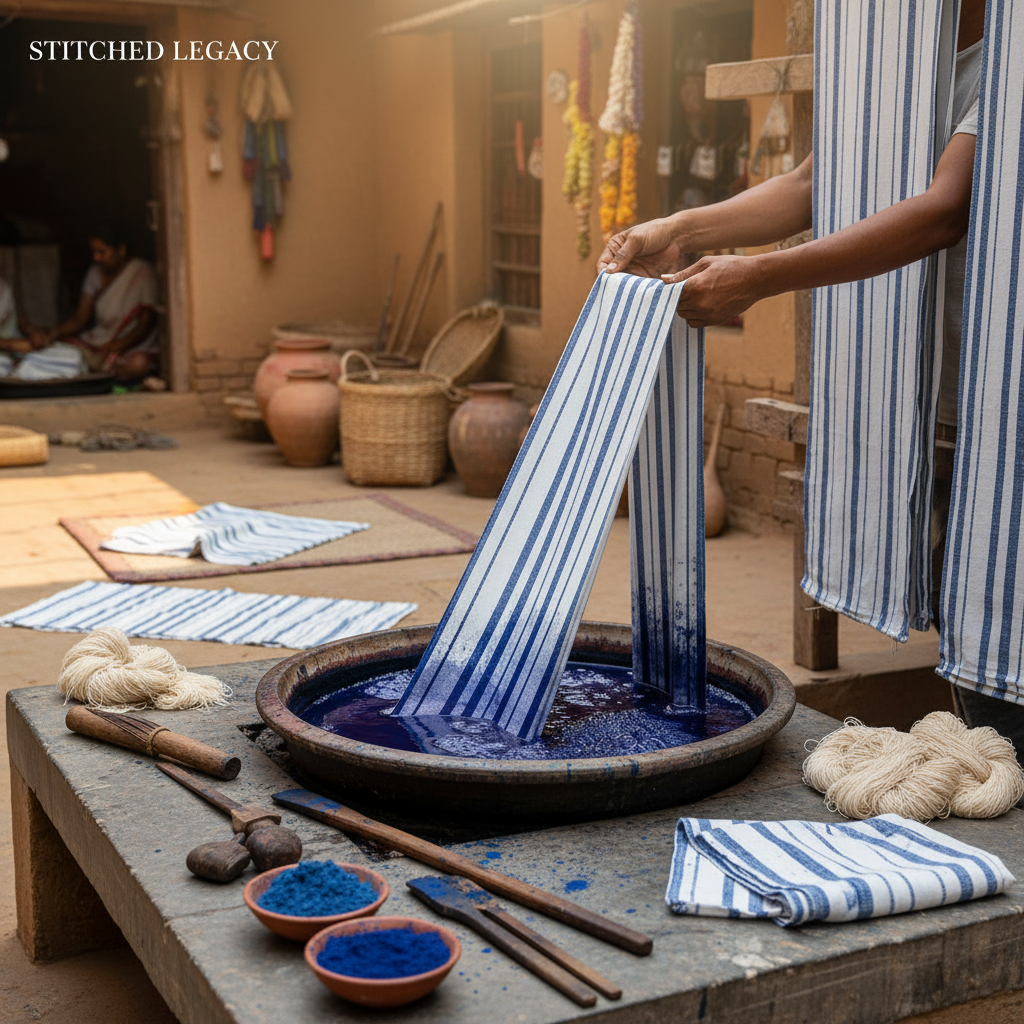
In the early 20th century, encouraged by the philosophy of Rabindranath Tagore, local artisans began experimenting with ways to repurpose old clothing. The goal was to create something functional and beautiful without requiring the expensive inputs of entirely new raw materials. Today, Khesh has evolved into a sophisticated textile sought after by high-end sustainable labels.
What Makes Khesh Unique?
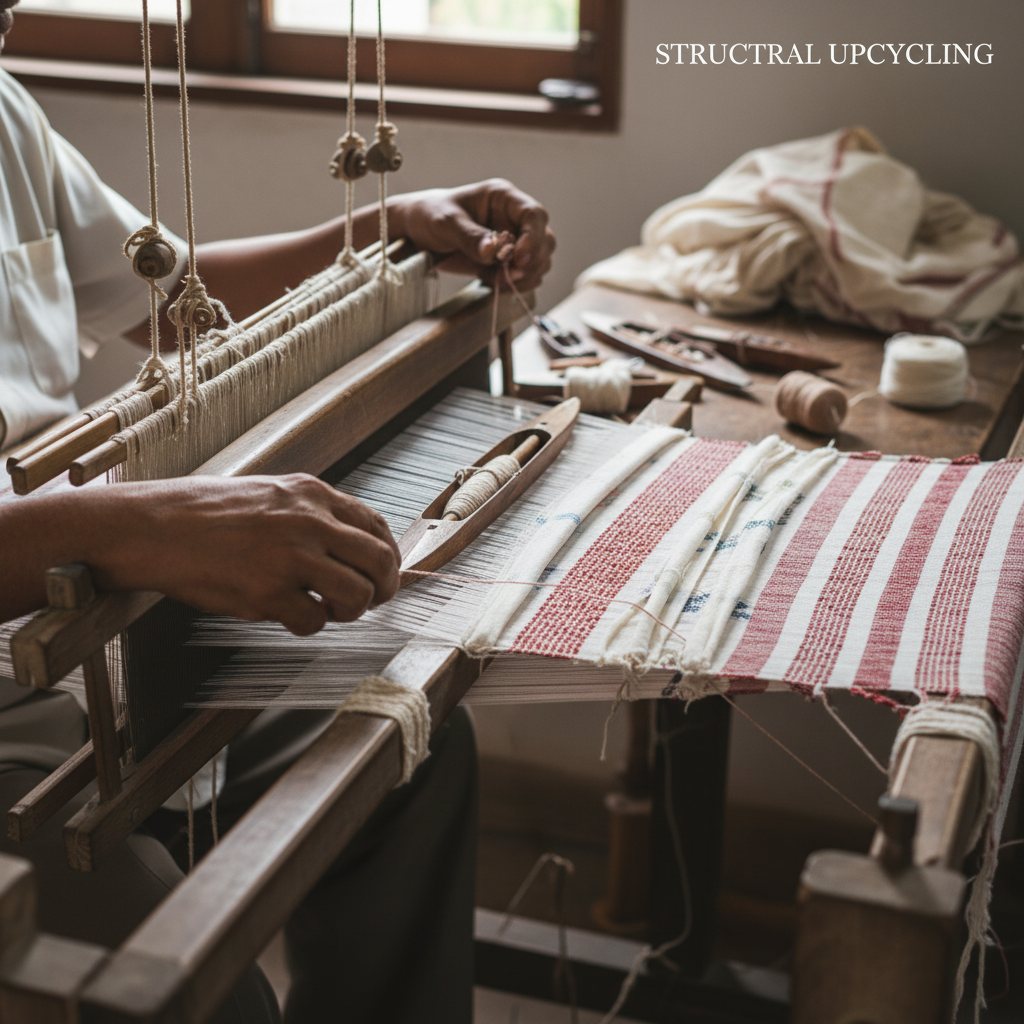
Unlike modern industrial recycling, which involves chemically or mechanically breaking down fibers into a pulp to spin new yarn, Khesh maintains the "soul" of the original garment. When we recycle cotton fabric through the Khesh method, we are essentially performing a form of structural upcycling. The resulting fabric is heavy, breathable, and possesses a "linear mosaic" look—a series of thin, multi-colored stripes that tell the story of the many sarees that contributed to its creation.
This process ensures that the recycled fabric retains the softness of aged cotton while gaining the structural strength of a new handloom weave. For brands, this means offering a product that is both vintage in spirit and modern in performance.
The Zero-Waste Weaving Process: From Old Saree to New Textile
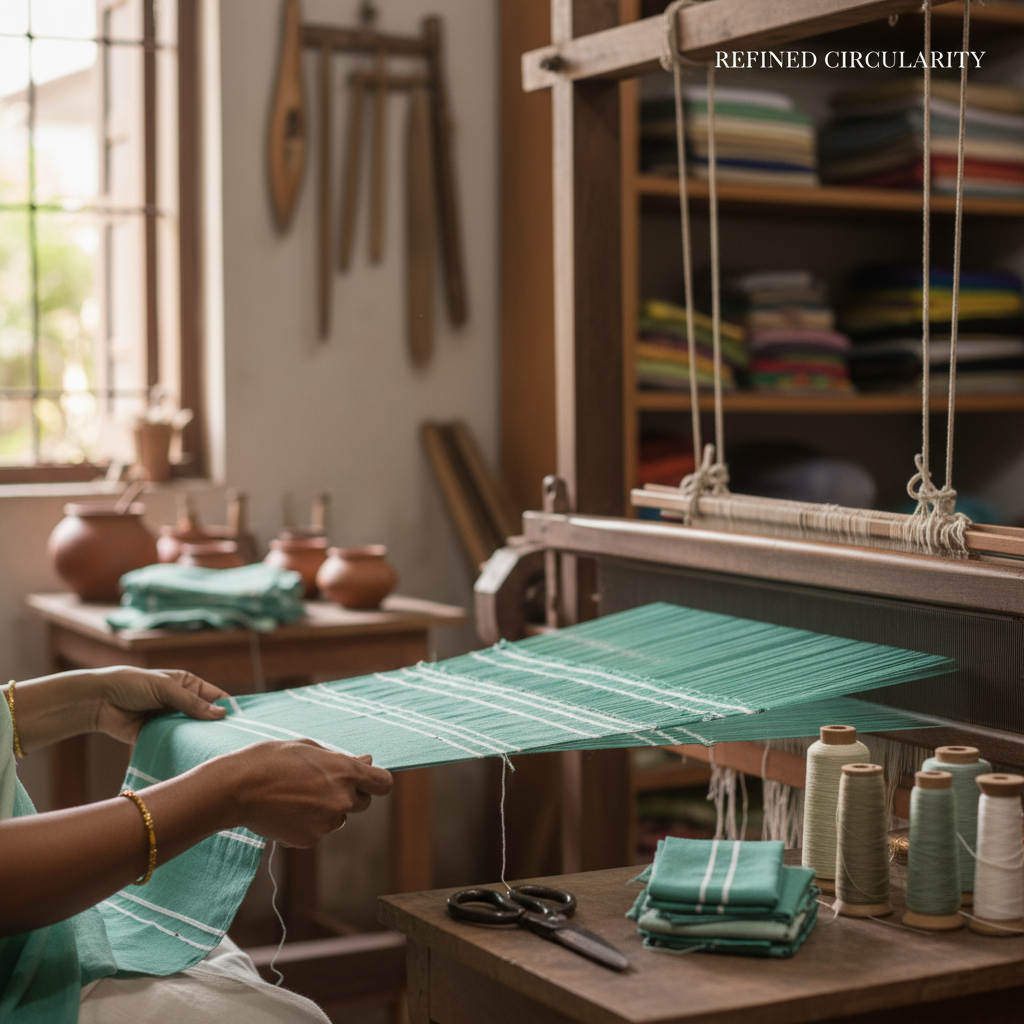
How Old Sarees Become New Khesh Fabric
The beauty of Khesh fabric production lies in its simplicity and its refusal to generate waste. At Anuprerna, we closely monitor this process to ensure that the quality meets the rigorous standards required for B2B export and high-fashion applications.
Step 1: Collection and Sorting
The process begins with the collection of old cotton sarees. These are often sourced from households or "dhobis" (traditional laundrymen). The sarees must be pure cotton to ensure the final recycle textiles maintain a consistent feel and dye-absorbency. Artisans sort these sarees by color and thickness, planning the visual rhythm of the final fabric.
Step 2: The Tearing (The "Phana")
Unlike modern cutting tools, the sarees are hand-torn into thin strips, usually about half an inch wide. This hand-tearing follows the grain of the fabric, ensuring that the strips do not fray excessively during the weaving process. These strips are then joined together to form a continuous "weft" thread.
Step 3: Setting the Warp
While the weft is made of recycled strips, the warp (the vertical threads on the loom) consists of new, high-quality cotton yarn. This is a critical distinction. By using new yarn for the warp, the weaver ensures the fabric has the necessary tension and longevity. For those interested in the foundational elements of quality weaving, understanding how to choose authentic khadi cotton fabric provides excellent context for why the quality of the warp yarn matters so much in traditional Indian textiles.
Step 4: The Handloom Weaving
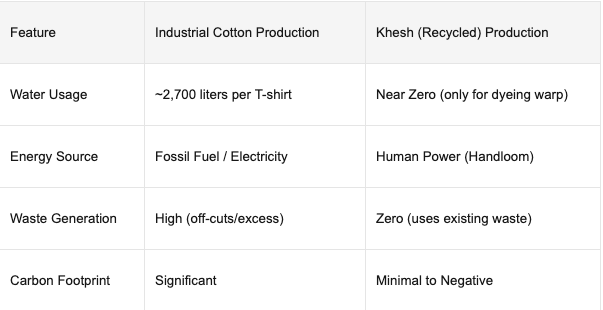
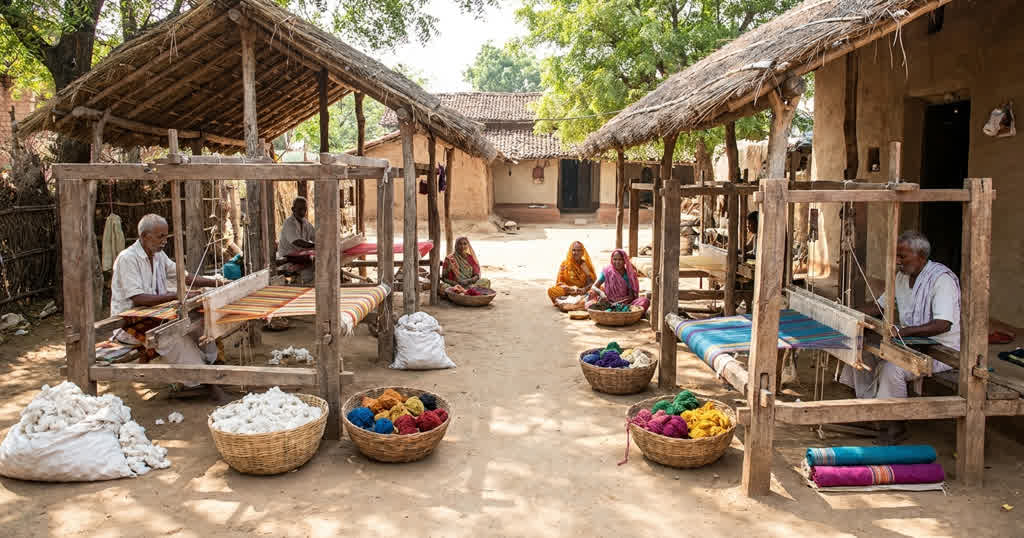
The weaver sits at a traditional pit loom or frame loom. As they throw the shuttle, the recycled cotton strips are interlaced with the new warp threads. Because the strips come from different sarees, the color of the weft changes spontaneously, creating a unique, non-repeating pattern. This zero-waste weaving process consumes no electricity and very little water, making it one of the most eco-friendly production methods available today.
Why Modern Brands Should Source Recycled Fabric and Khesh
For a B2B buyer, the decision to recycle cotton fabric through Khesh isn't just an ethical one—it's a strategic business move. As global regulations like the EU's Strategy for Sustainable and Circular Textiles come into play, brands must prove the circularity of their supply chain.
1. Unmatched Storytelling and Authenticity
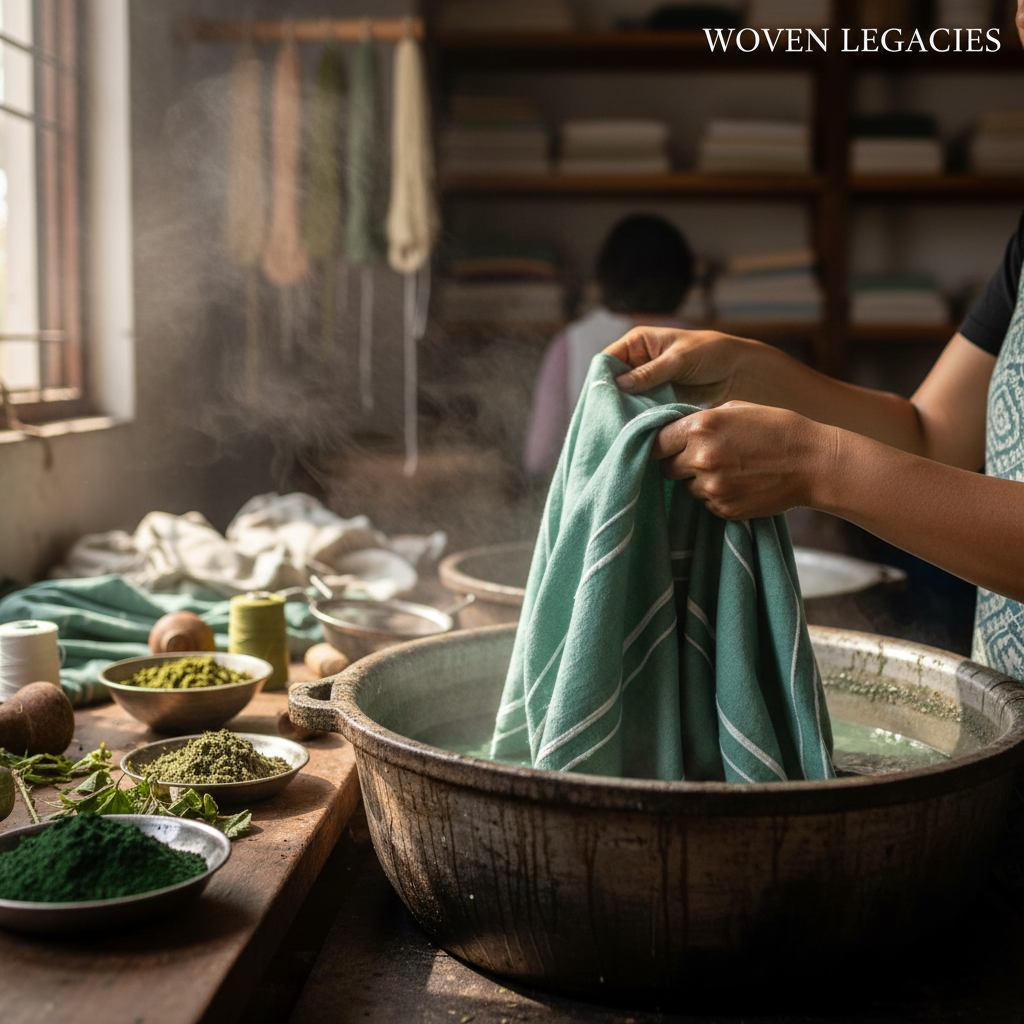
In a market saturated with mass-produced "eco" labels, Khesh offers a genuine narrative. Each meter of fabric contains fragments of history. This level of traditional Indian clothing richness allows brands to market a product that has a soul, connecting the consumer directly to the artisan's loom in East India.
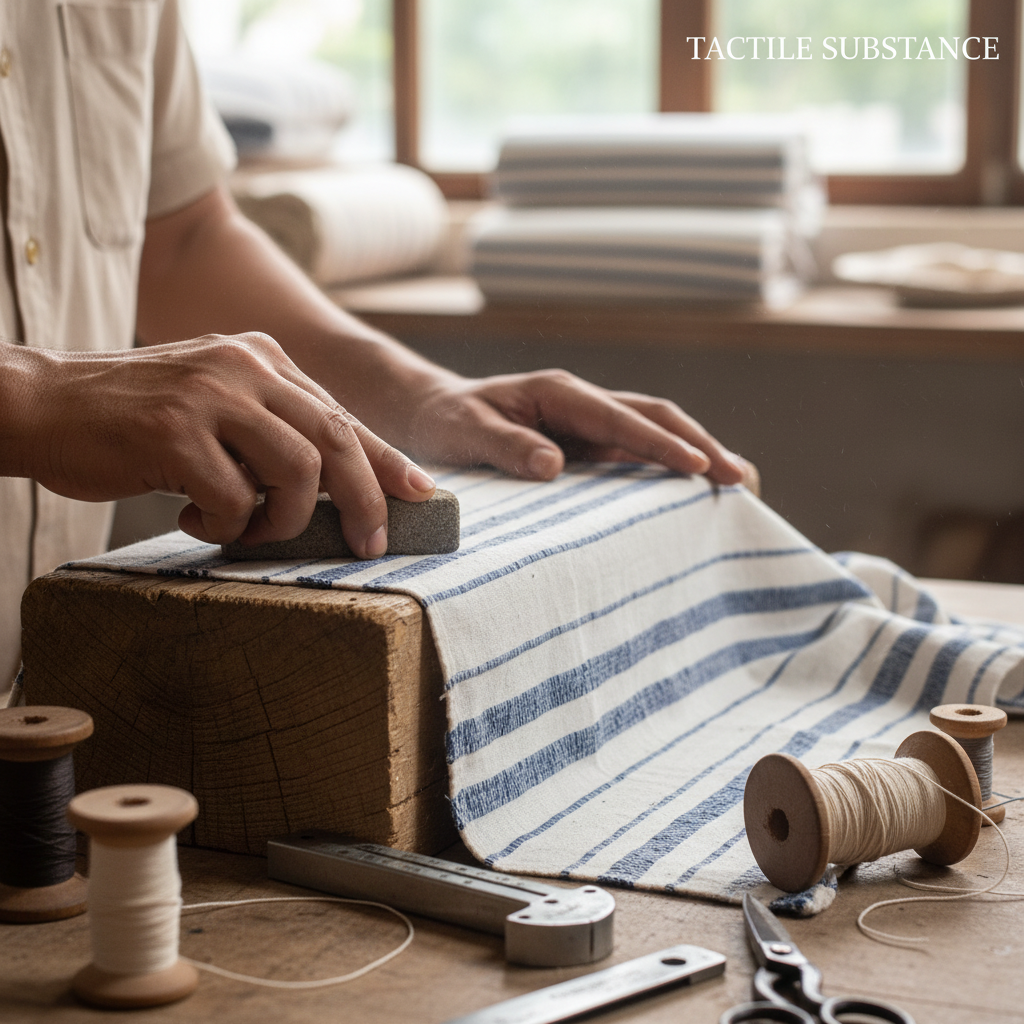
2. Durability and Texture
Khesh is notably thicker than standard cotton. It has a rustic, linen-like hand-feel that is highly desirable for home furnishings, outerwear, and structured accessories. If your brand is looking for a lighter alternative for shirting while staying within the recycled family, our White Recycled Cotton 80 Gsm Fabric offers a more refined, lightweight option that complements the rugged charm of Khesh.
3. Low Minimums and Customization
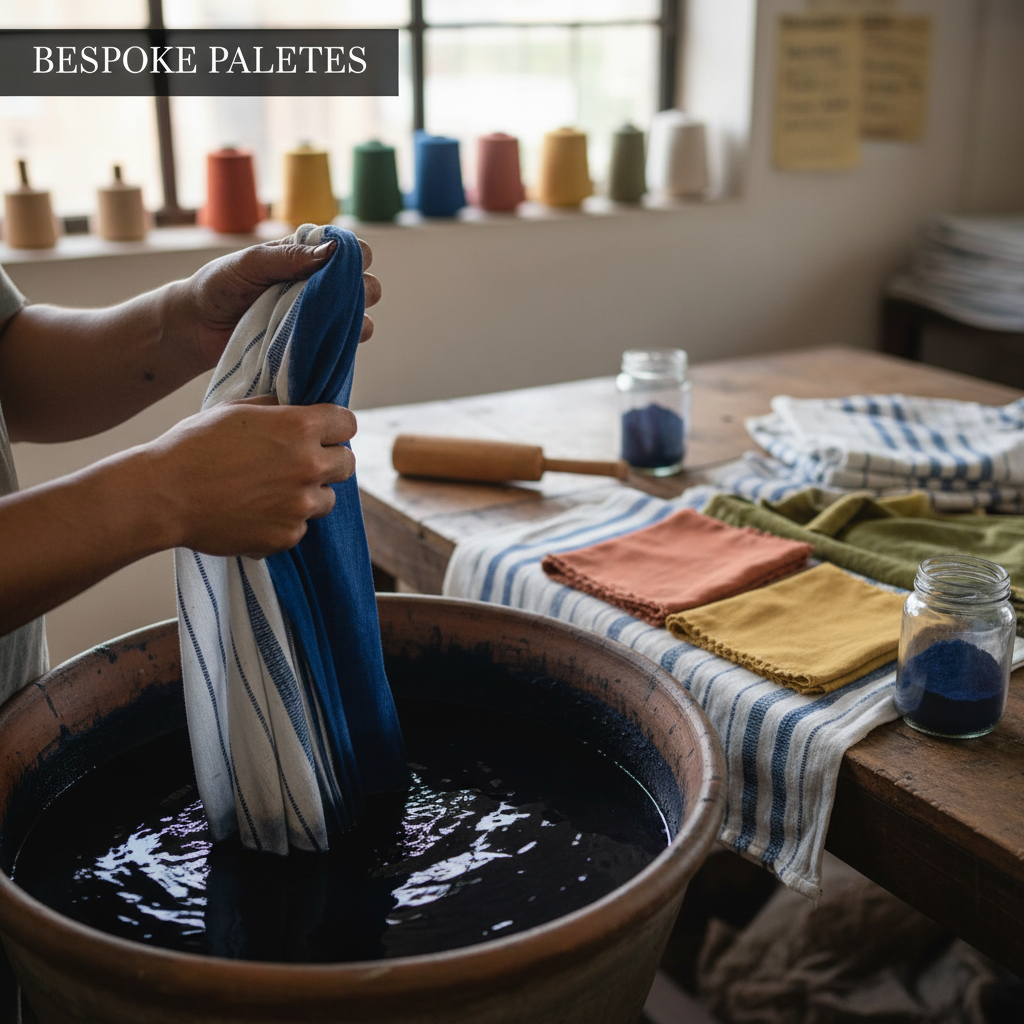
Because Khesh is a hand-crafted process, it allows for a level of customization that industrial mills cannot match. Designers can specify color palettes for the warp to create specific moods—ranging from earthy ochres to deep indigos—while letting the recycled weft provide the "surprise" elements of color.
The Environmental and Social Impact of Recycle Textiles
The decision to recycle textiles via the Khesh technique has a ripple effect that extends far beyond the fabric itself. It addresses two of the most pressing issues in the textile industry: environmental degradation and the displacement of traditional artisans.
Carbon Footprint and Water Conservation
Cotton is a thirsty crop. By choosing to recycle cotton fabric, we bypass the carbon-intensive stages of agriculture, ginning, and spinning. The Khesh technique effectively "locks in" the carbon already spent on the original sarees, extending their lifecycle by decades. This is a primary example of how we can upcycle waste fabric to create high-value products.
Empowering Artisan Communities
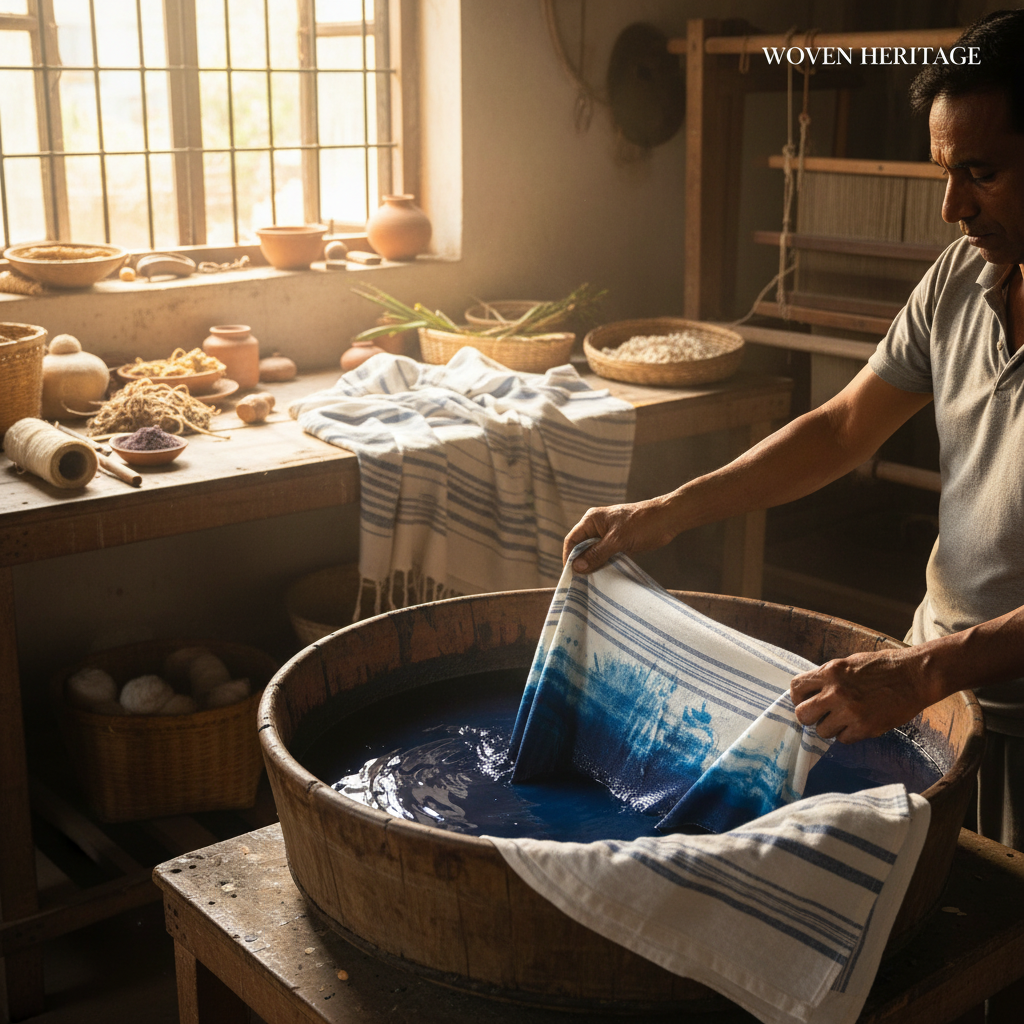
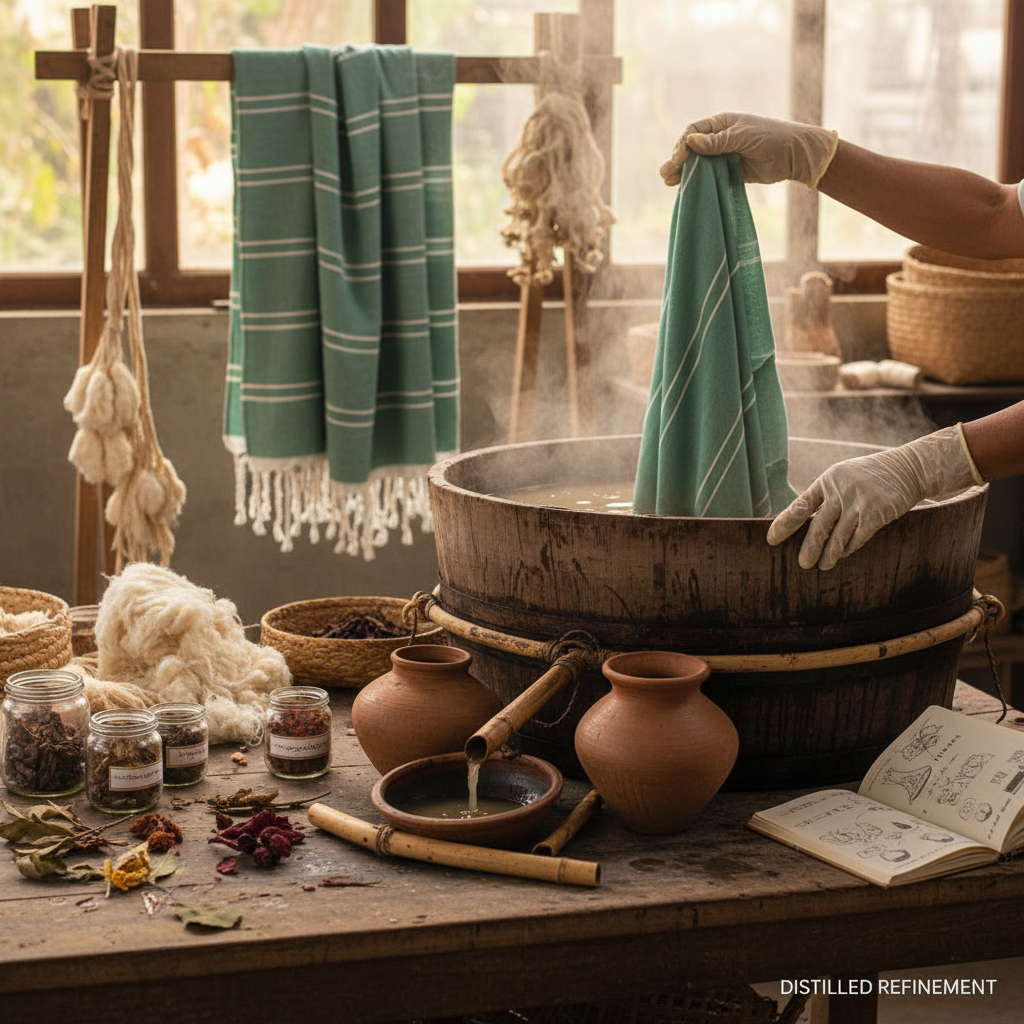
Anuprerna works directly with weaver clusters in West Bengal. By sourcing Khesh, brands provide consistent livelihoods to artisans who might otherwise be forced into unskilled labor in cities. This support ensures that the knowledge of the zero-waste weaving process is passed down to the next generation, keeping the cultural heritage of East India alive.
Design Versatility: Utilizing Khesh in Contemporary Fashion
While Khesh is traditional, its application is limited only by a designer's imagination. Its unique weight and drape make it a versatile candidate for various product categories.
1. Sustainable Home Decor
Khesh is a favorite for upholstery, cushion covers, and table runners. Its thickness makes it resistant to wear and tear, while the multi-colored weft hides minor stains, making it practical for everyday use.
2. Structured Apparel
Think chore coats, heavy-duty trousers, and oversized vests. The "stiffness" of fresh Khesh softens beautifully over time, much like high-quality denim, creating a garment that ages with the wearer.
3. Eco-Friendly Accessories
Tote bags, laptop sleeves, and footwear made from recycled fabric are gaining massive traction in the B2B space. Khesh provides the necessary tensile strength for these items without the need for synthetic reinforcements.
Conclusion
The Khesh technique is a masterclass in how we can look to the past to solve the problems of the future. By choosing to recycle cotton fabric through this zero-waste weaving process, B2B brands can offer more than just a product; they can offer a solution. Khesh represents a perfect harmony between environmental responsibility, social equity, and high-quality craftsmanship.
At Anuprerna, we are committed to bringing these stories of sustainable Indian textiles to the global stage. Whether you are looking for the rugged, storied texture of Khesh or a crisp White Recycled Cotton 80 Gsm Fabric, our goal is to provide you with materials that align with your brand's values and your customers' expectations.
Ready to integrate authentic Khesh into your next collection? Explore our collection of handwoven sustainable fabrics or contact our team for custom sourcing and artisan collaborations.
frequently asked questions
Is Khesh fabric actually durable since it uses "old" sarees?
Yes, Khesh fabric is remarkably durable. While the weft consists of recycled cotton strips, the warp is made of new, high-strength cotton yarn. This combination creates a stable structure. Furthermore, the cotton used in older sarees has often already been "pre-shrunk" and softened through use, making the final recycled fabric less prone to dramatic shrinking and very comfortable against the skin.
How do I care for Khesh recycle textiles?
Khesh is relatively low-maintenance. Because it is made of cotton, it can be machine washed on a gentle cycle with cold water. However, to preserve the vibrancy of the recycled strips and the integrity of the handloom weave, we recommend air drying in the shade. Over time, the fabric becomes softer and more supple, enhancing its natural texture.
Can Khesh be produced in specific colors for B2B orders?
While the recycled weft is a mix of colors based on the available sarees, we can customize the color of the warp yarn. By choosing a specific warp color (e.g., black, navy, or white), we can influence the overall "tint" and mood of the fabric. This allows brands to maintain a cohesive color palette across their collection while celebrating the unique variations of the recycle cotton fabric.
Why is Khesh considered a "zero-waste weaving process"?
Khesh is considered zero-waste because it utilizes textile waste (old sarees) that would otherwise be discarded. The process of tearing the sarees into strips produces almost no off-cuts. Additionally, handloom weaving requires no electricity and minimal water compared to industrial textile manufacturing, ensuring the entire production cycle has a minimal environmental footprint.
How does Khesh differ from other types of recycled fabric?
Most industrial recycled fabric is made by shredding waste into fibers and re-spinning them, which often requires mixing in synthetic fibers like polyester to maintain strength. Khesh is unique because it uses the fabric strips in their original form, maintaining 100% cotton content and a distinct artisanal aesthetic that cannot be replicated by machines.
More Blogs
why organic fabric suppliers are growing in india
jacquard fabric in modern fashion
how silk manufacturers preserve traditional craftsmanship
indian fabric wholesale: a guide to sourcing handwoven textiles
how indian fabric exporters meet global quality standards
jacquard vs embroidery: what's the difference?