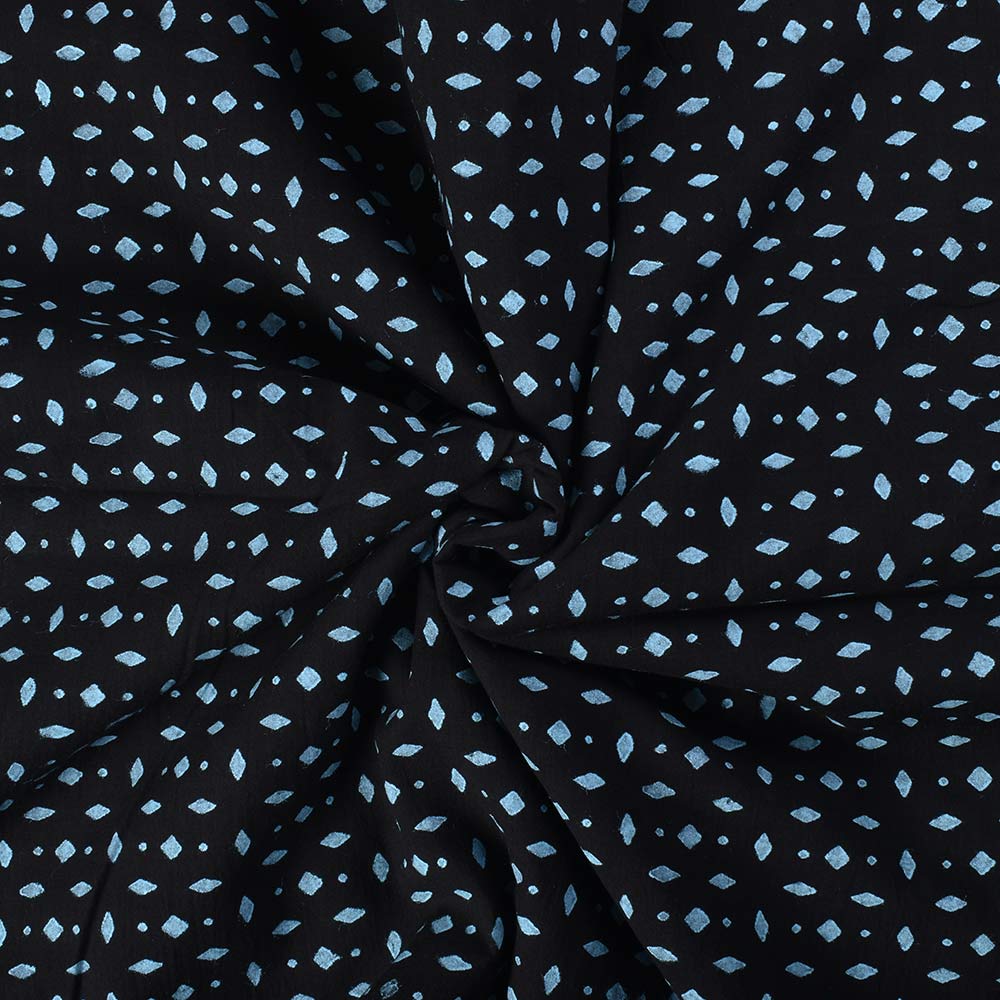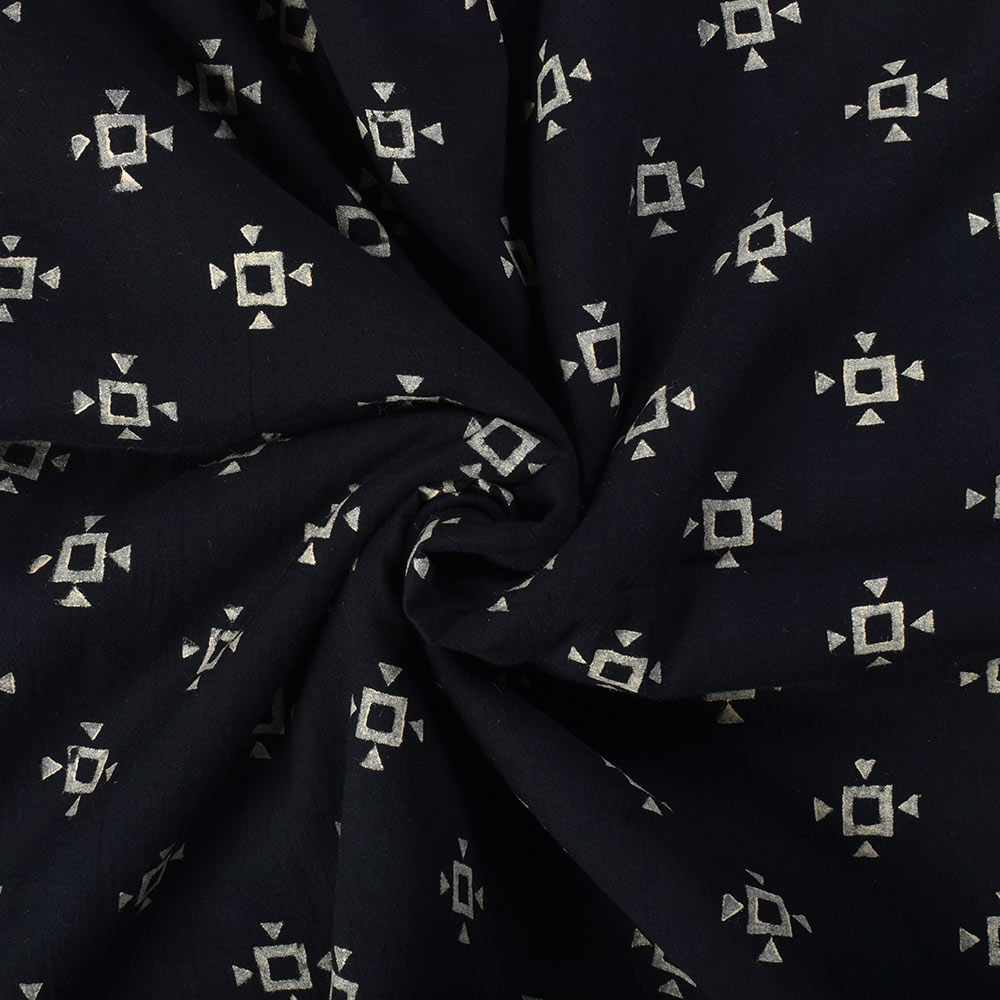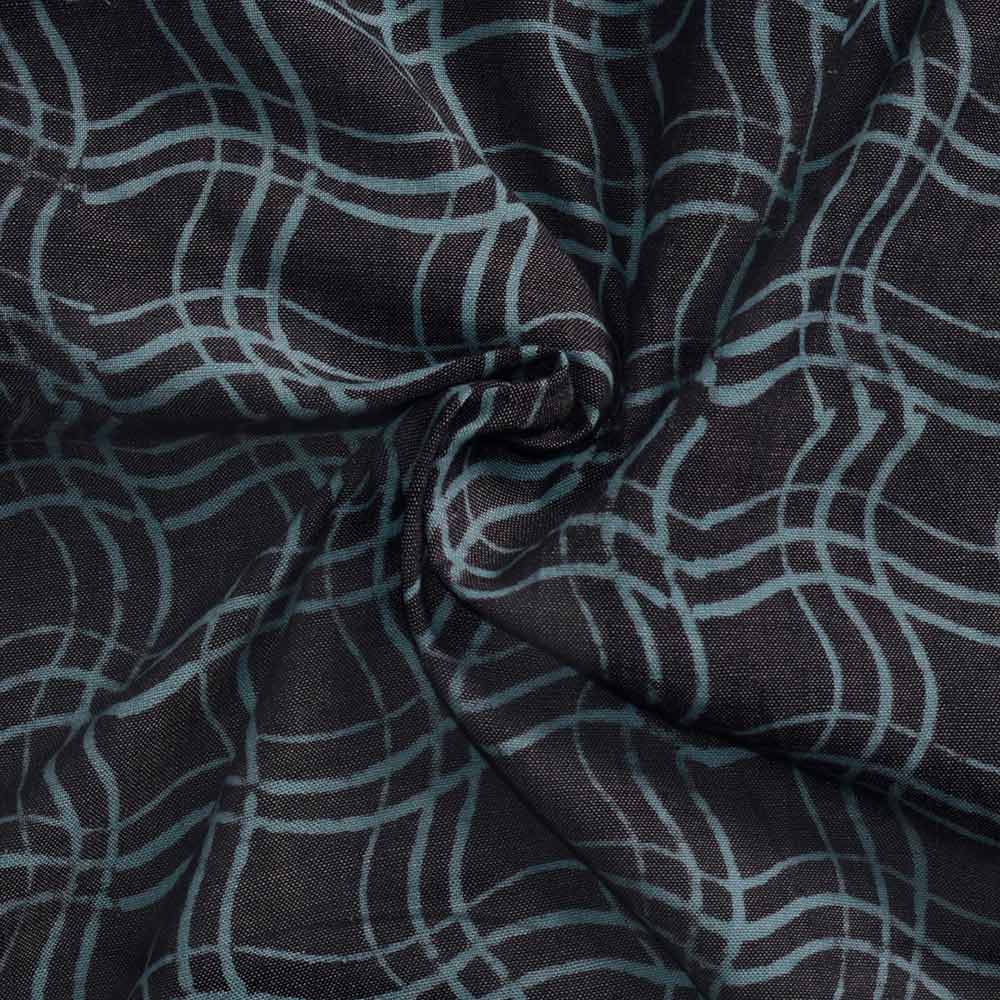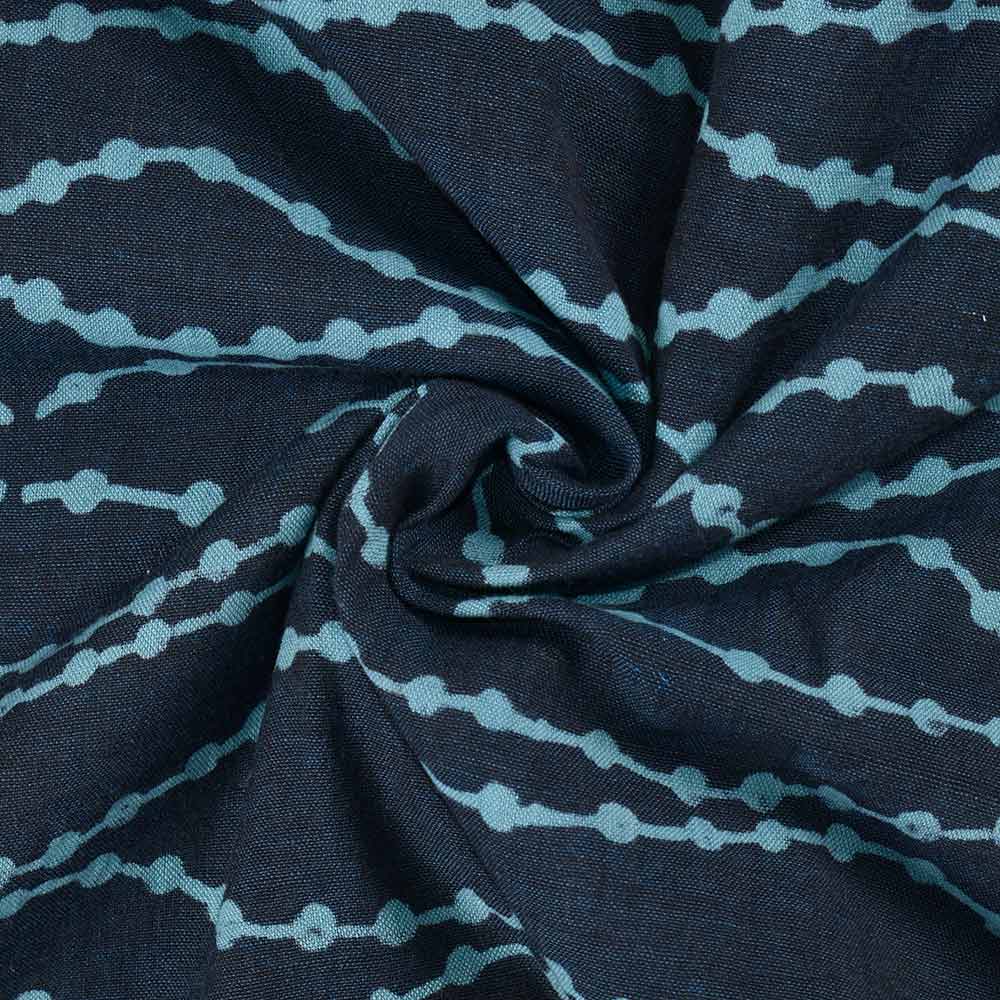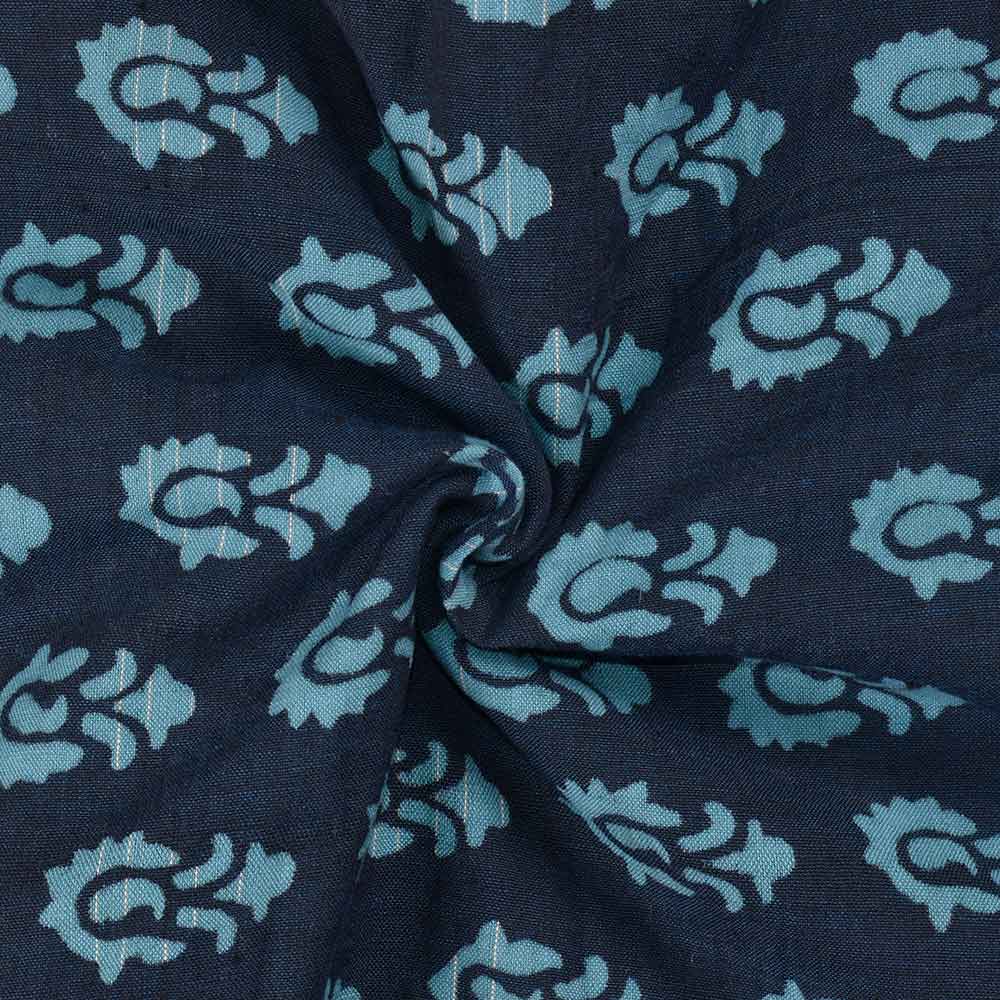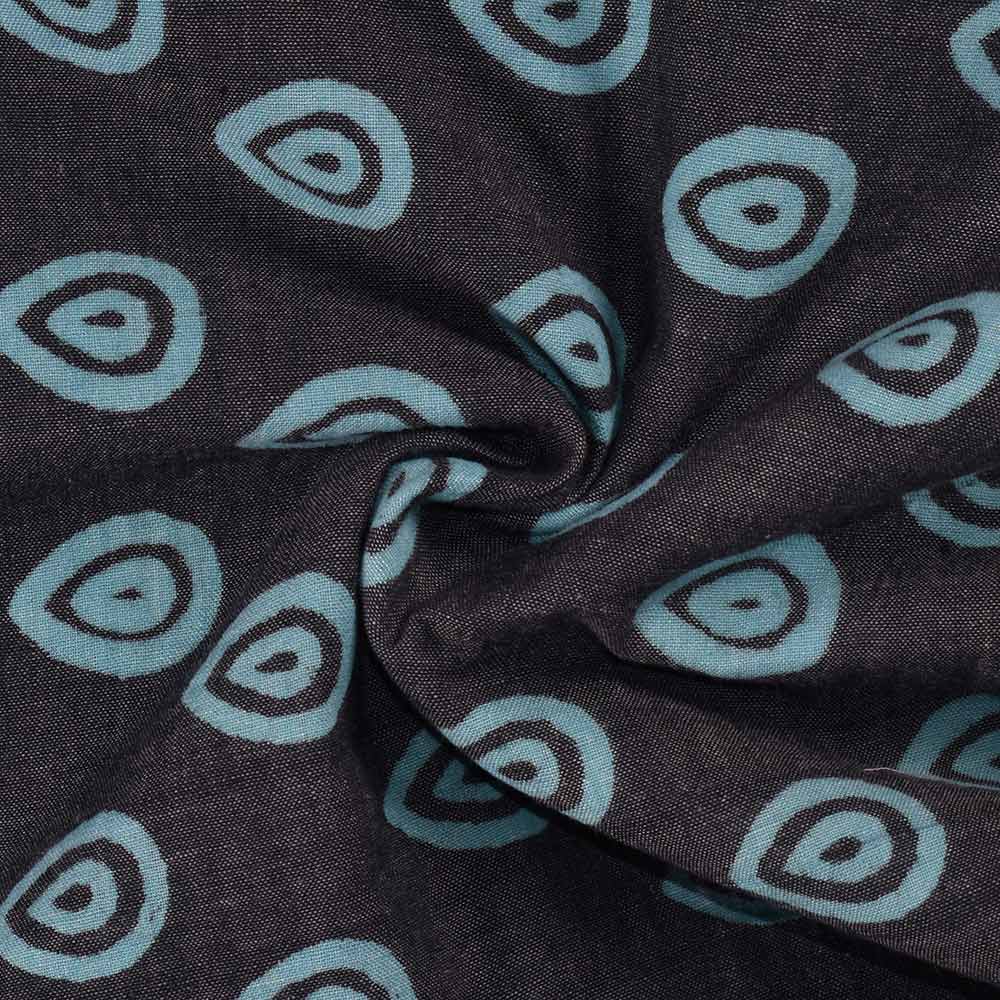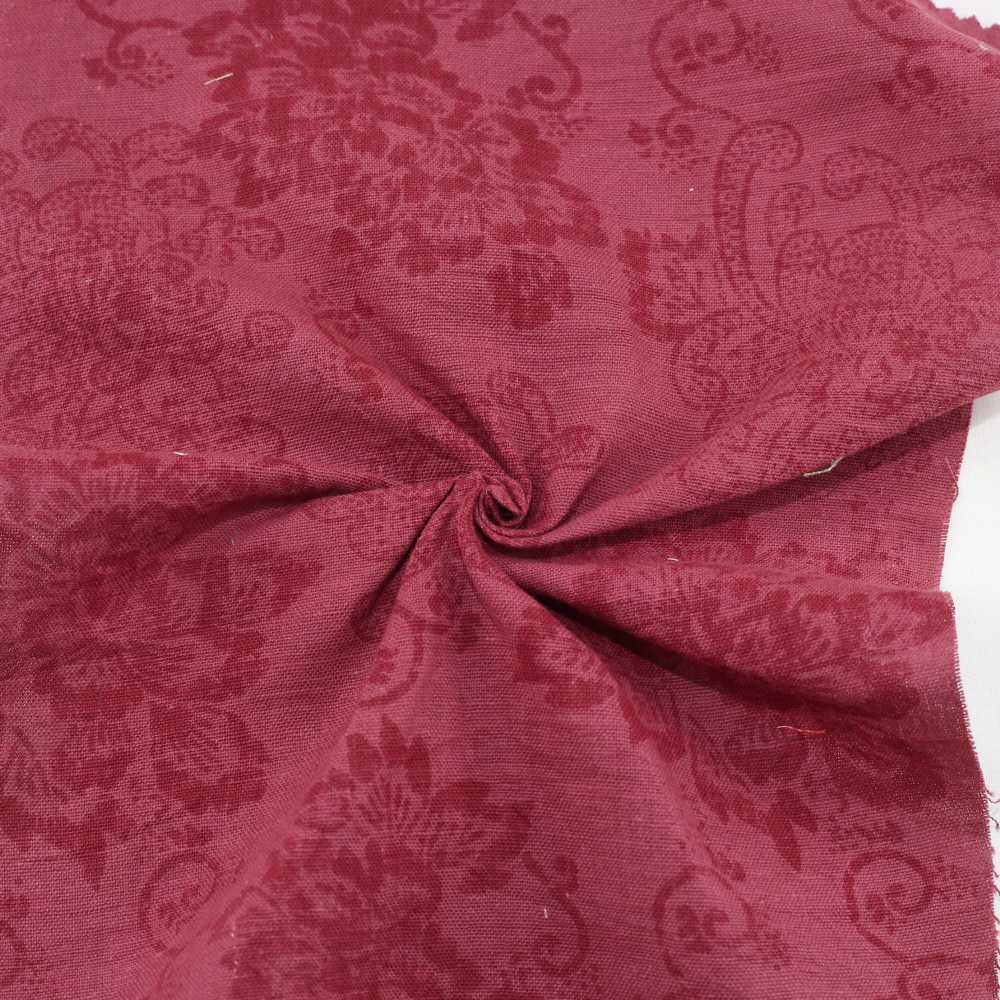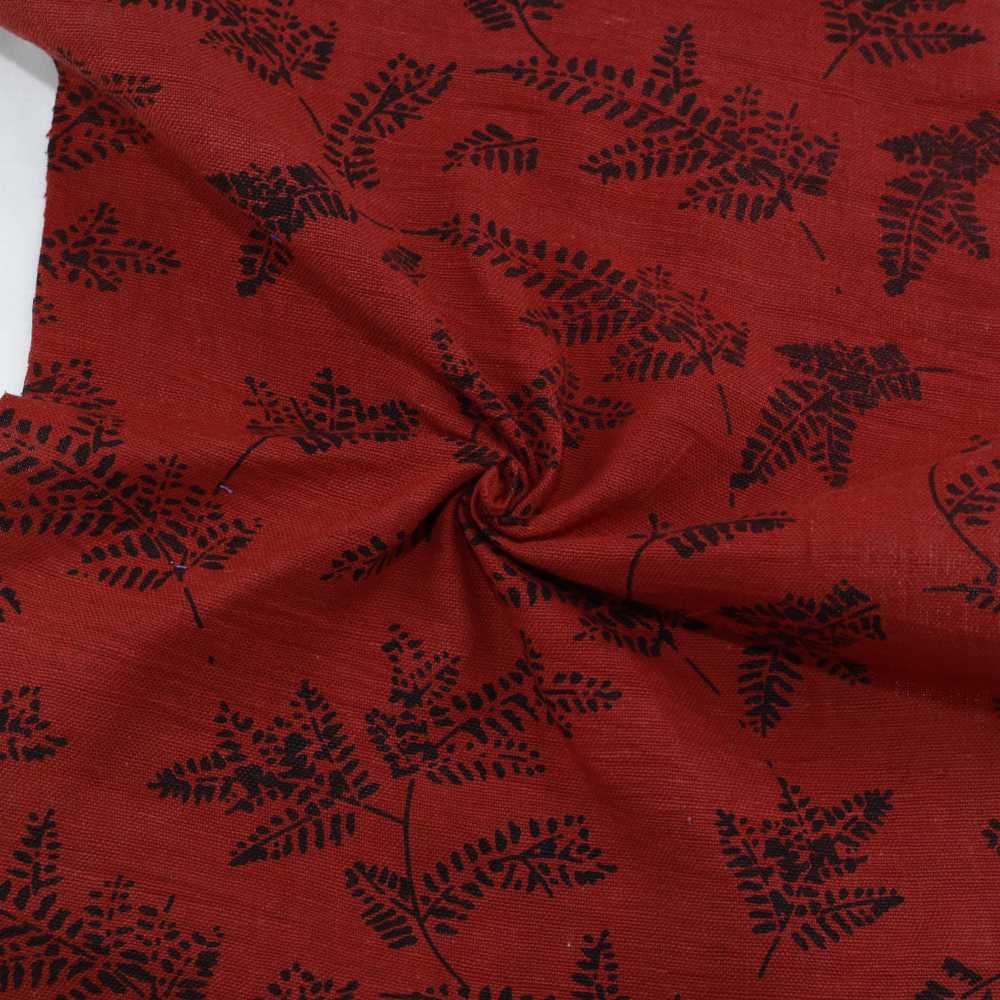
HAND BLOCK PRINTING

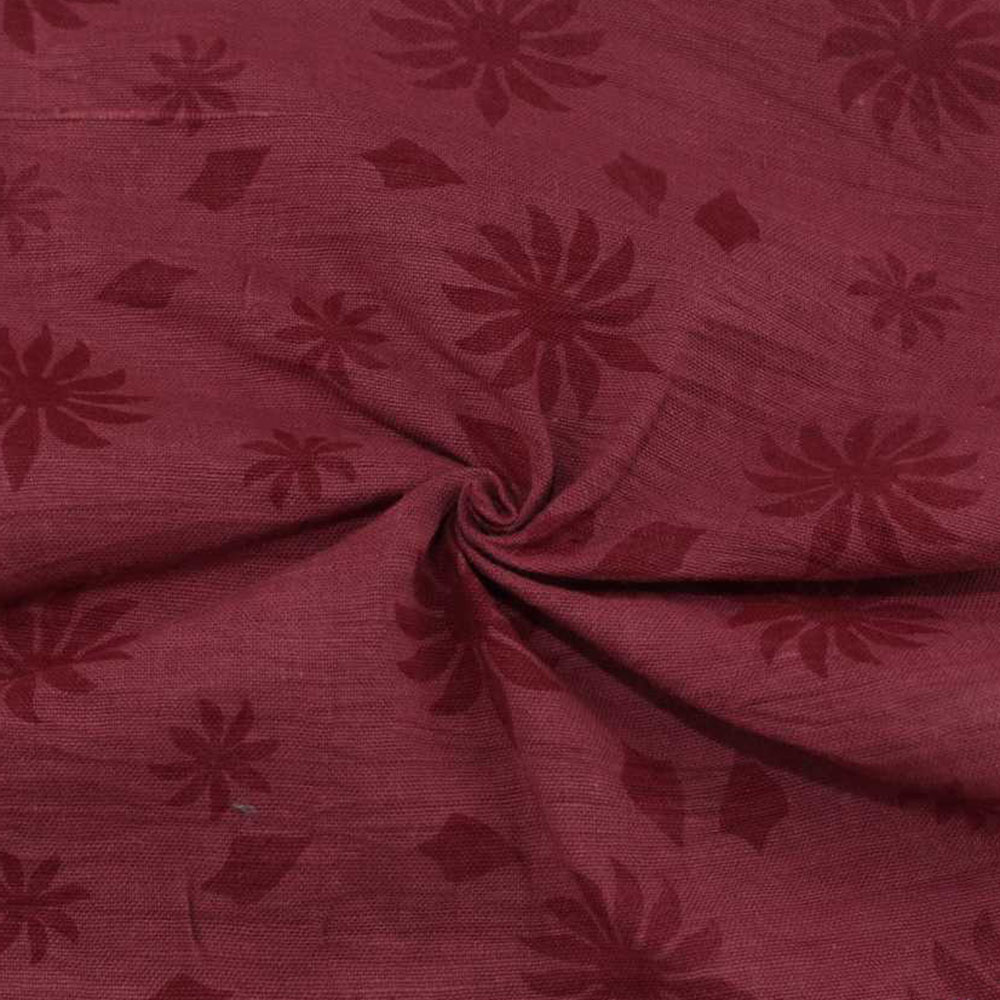
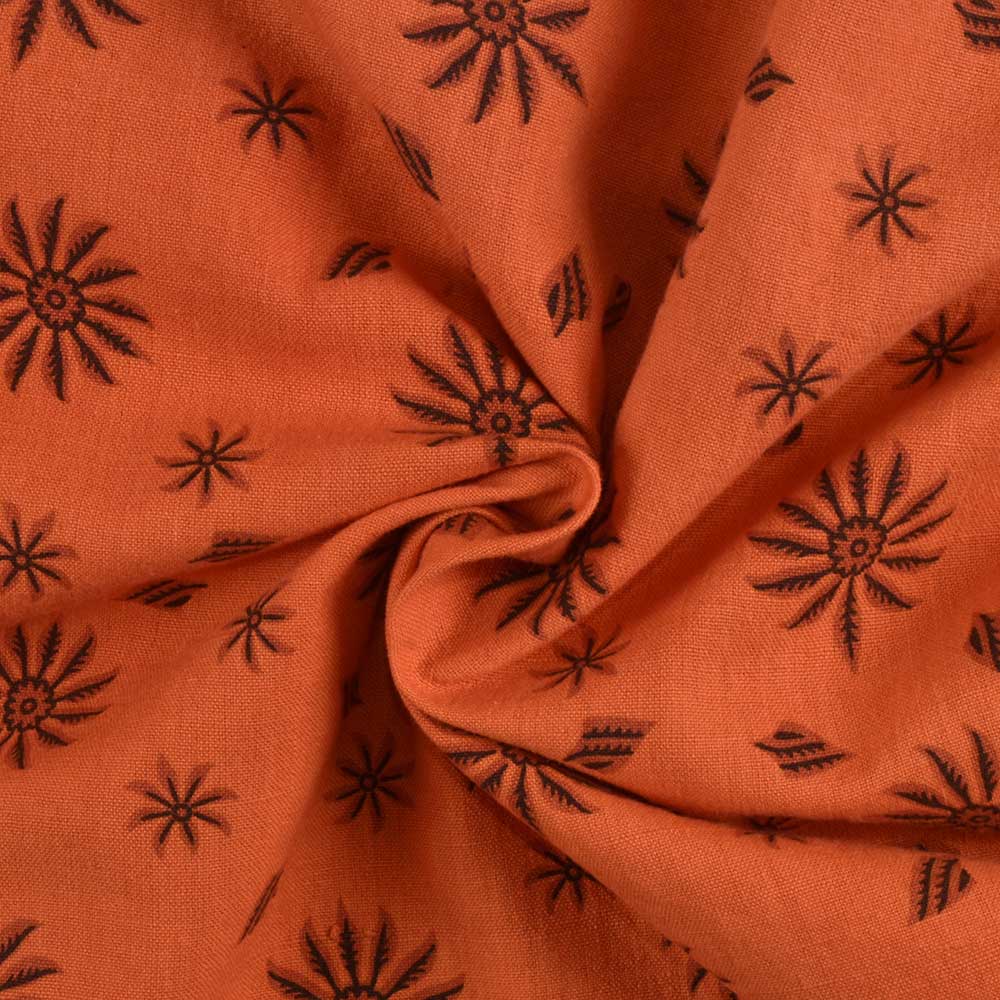
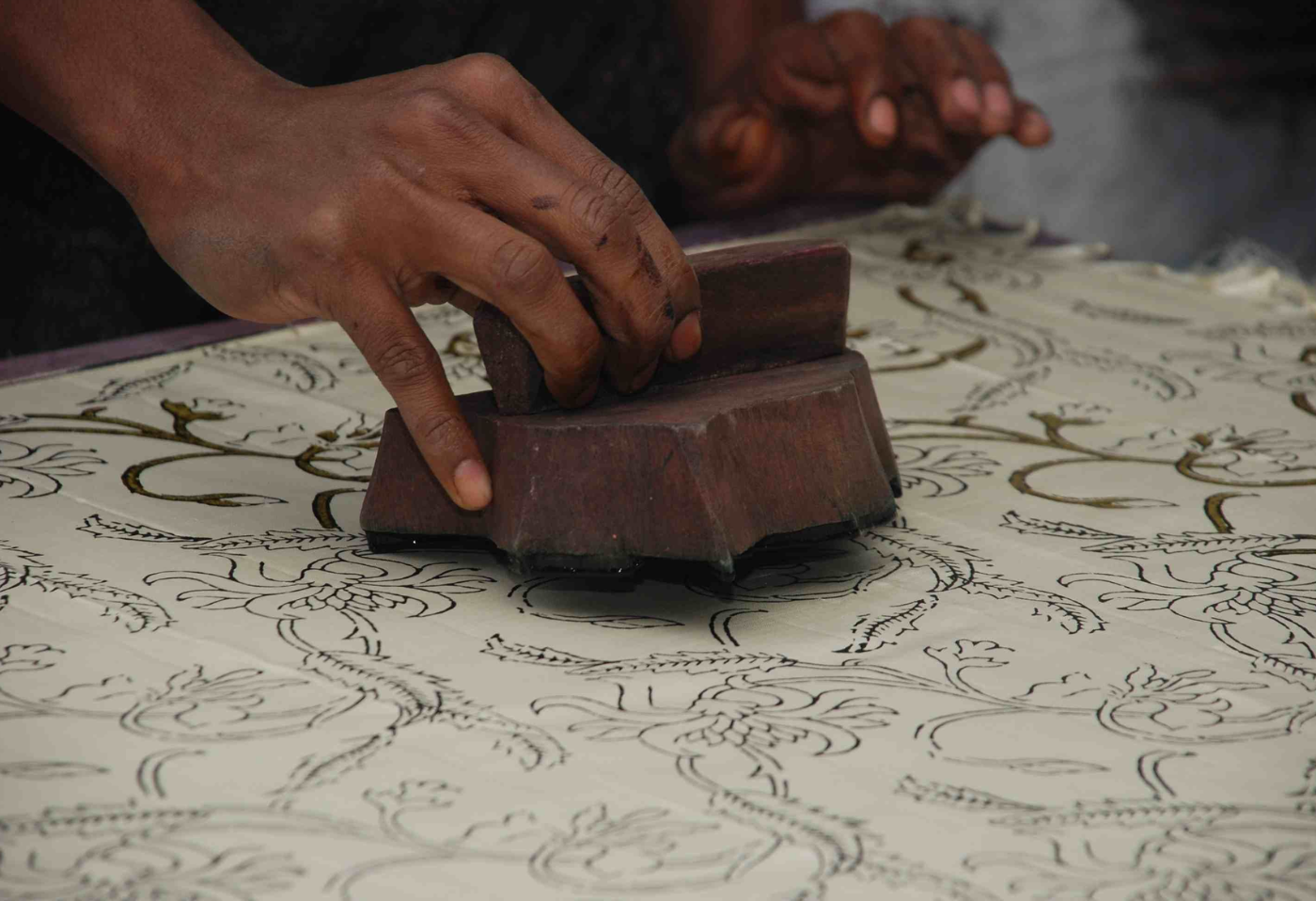
Woodblock Printing (Or Block Printing) Is A Technique For Printing Text, Images Or Patterns On Textiles And Later Paper. As A Method Of Printing On Cloth, The Earliest Surviving Examples From China Date To Before 220 AD. This Is The Oldest And Simplest Method Of Printing A Fabric. Still Extensively Used In Indian Cottage Industries, Block Printing Involves The Use Of Carved Blocks For Transfer Of Colour.
What is Woodblock Printing?
Block printing on fabric is one of the oldest textile printing techniques, rooted deeply in traditional craftsmanship across East Asia. The process uses hand-carved wood blocks to imprint patterns onto fabric, making it both simple in method and demanding in execution. India remains one of the world’s leading producers and exporters of block-printed fabric, where this technique is still widely practiced within cottage industries.
The craft extends beyond printing. Creating the blocks themselves requires patience and precision, whether carved from wood or formed using copper. In block printing on fabric, achieving consistent color absorption and accurate pattern alignment depends entirely on the artisan’s control over pressure and placement. Though slow by nature, the process delivers a level of exclusivity and character that mass production cannot replicate.
HISTORY
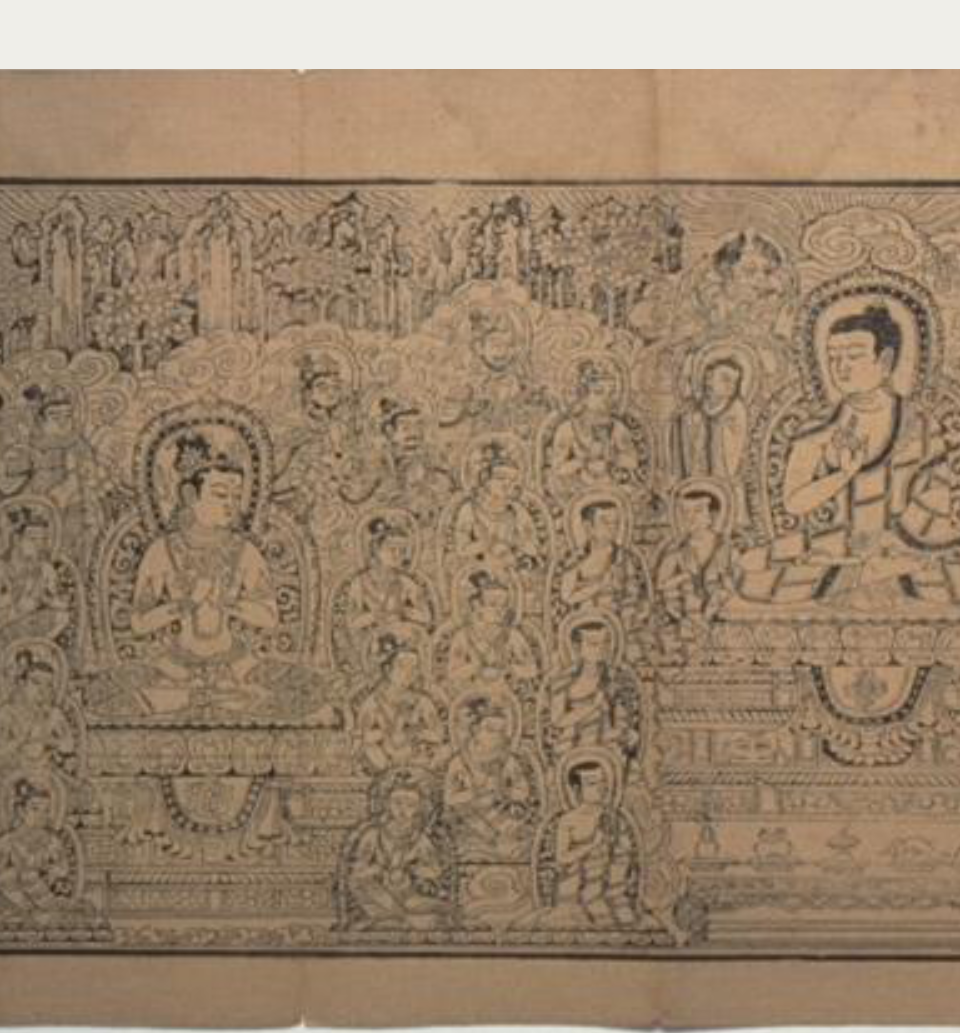
The earliest woodblock printed fragments, to survive are from China and are of Silk, printed with flowers in three colors from the Han Dynasty (before AD 220).
Woodblock printing existed in Tang China during the 7th century AD and remained the most common East Asian method of printing books and other texts. as well as images until the 19th century.
It is clear that woodblock printing developed in Asia several centuries before Europe.
PROCEDURE OF BLOCK PRINTING
Woodblock printing is a technique for printing text, images, or patterns that originated in East Asia. It involves the following key stages:
STEP 1: PREPARING WOOD BLOCKS
The process starts by cutting out wooden pieces with a height of approximately 2-3 inches. Next, the design is traced onto the wood and the surrounding areas are carefully removed. To further enhance the wood's flexibility, the pieces are then soaked in oil for a period of 10-15 days.
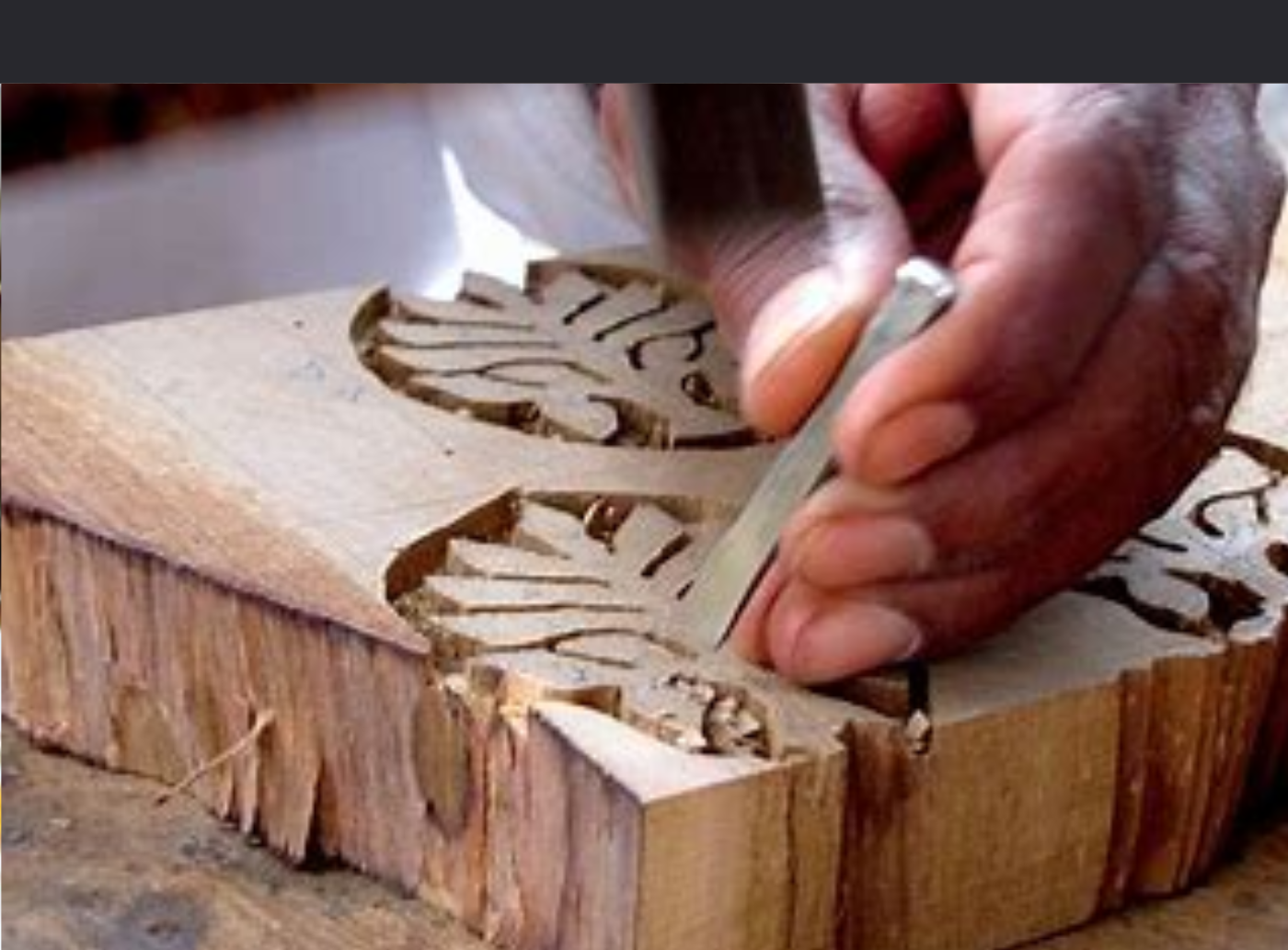
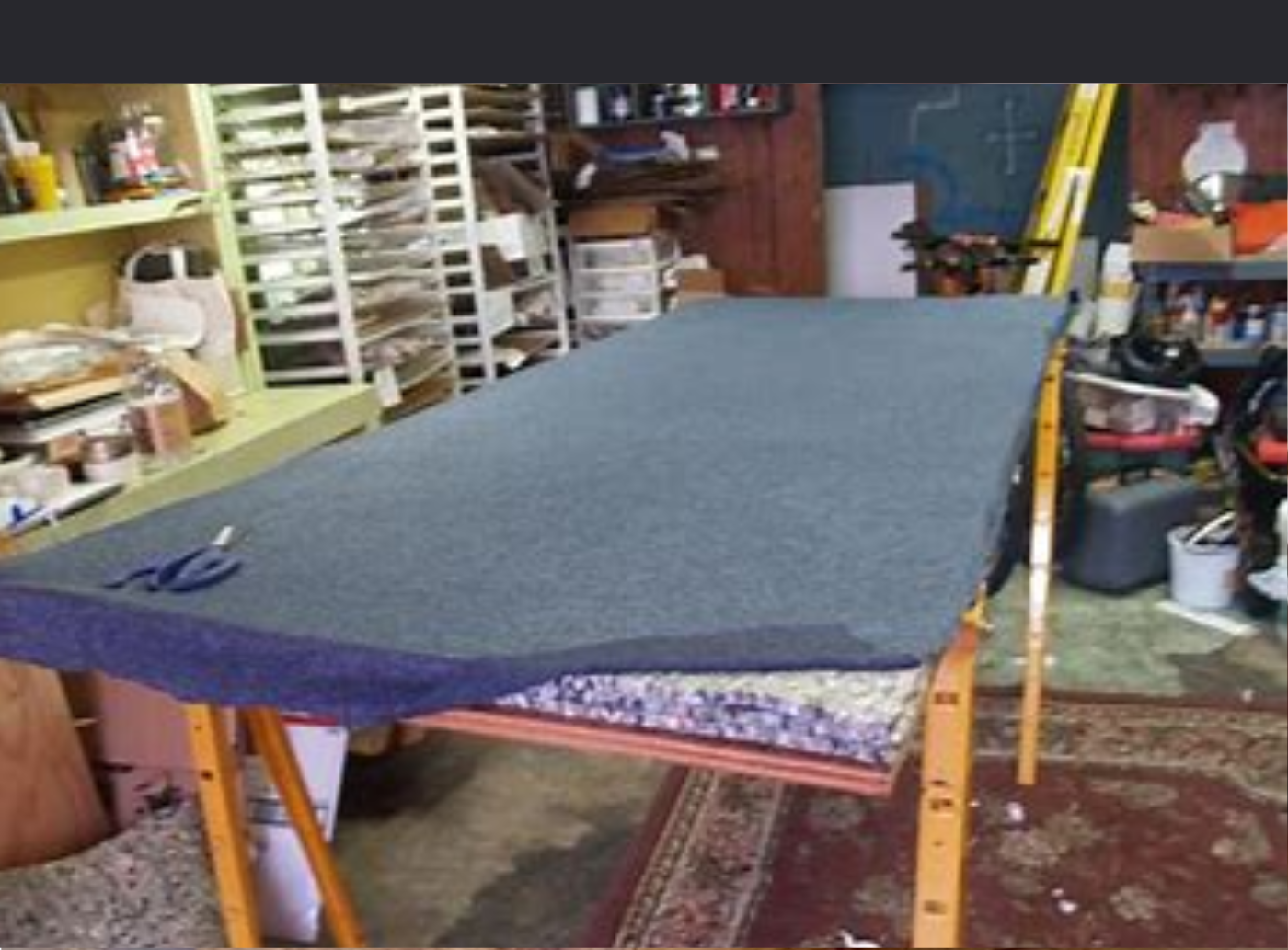
STEP 2: PREPARING THE FABRIC
Initially, the fabric is cleansed to eliminate any starch present. If the fabric has been dyed previously, it is further washed to eliminate any surplus color. Following this, the fabric is left to dry under the sun. The dried fabric is carefully stretched over the printing table and firmly fastened using pins.
STEP 3: PRINT PASTE
The print paste pigment, blender, and fixer are combined, resulting in a mixture. This mixture is then transferred onto a tray, which is covered with either a jute cloth or a sponge sheet to guarantee a uniform spread. Next, a block is applied onto the surface of the print paste to absorb it.
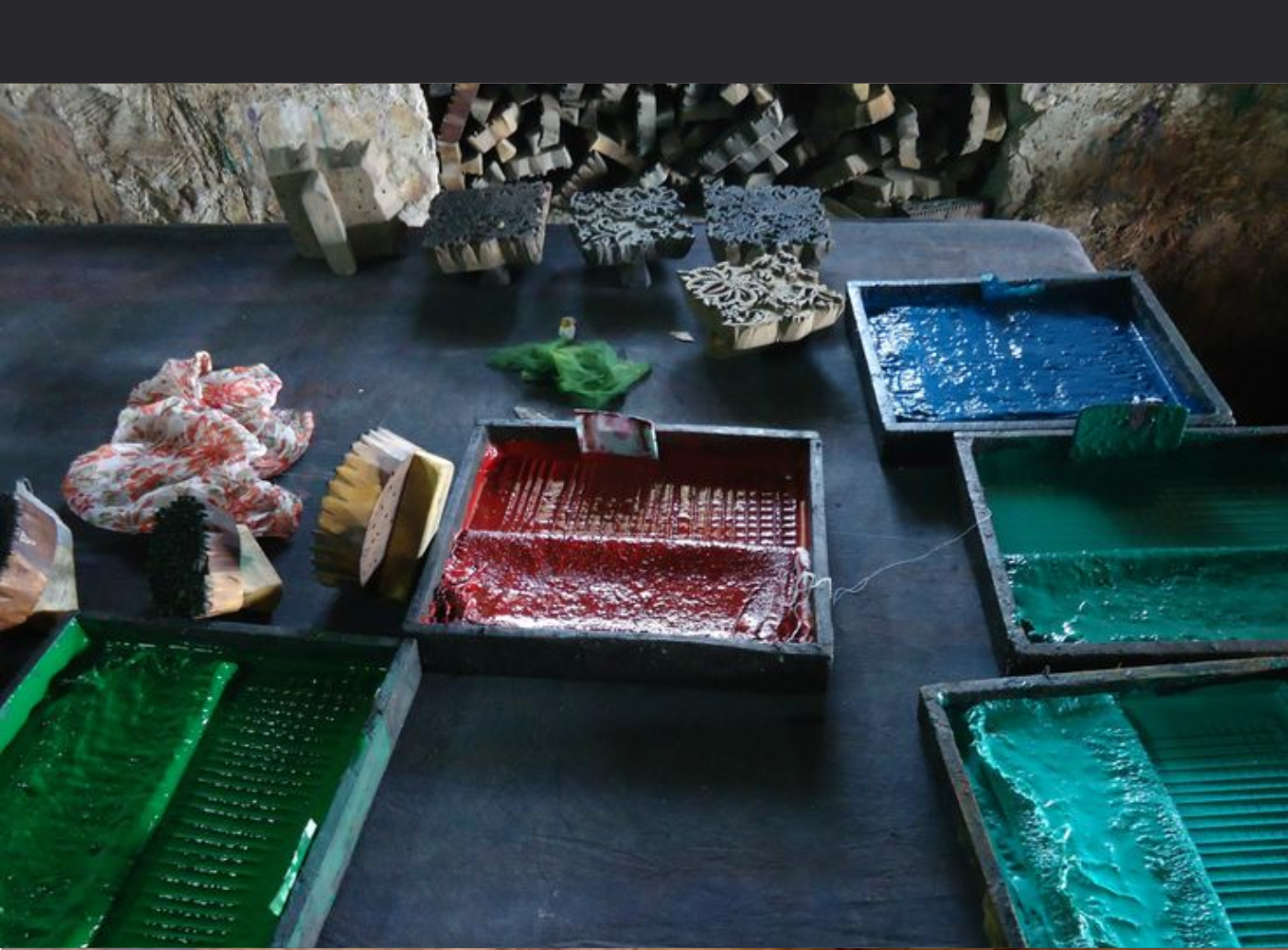
STEP 4: PRINTING
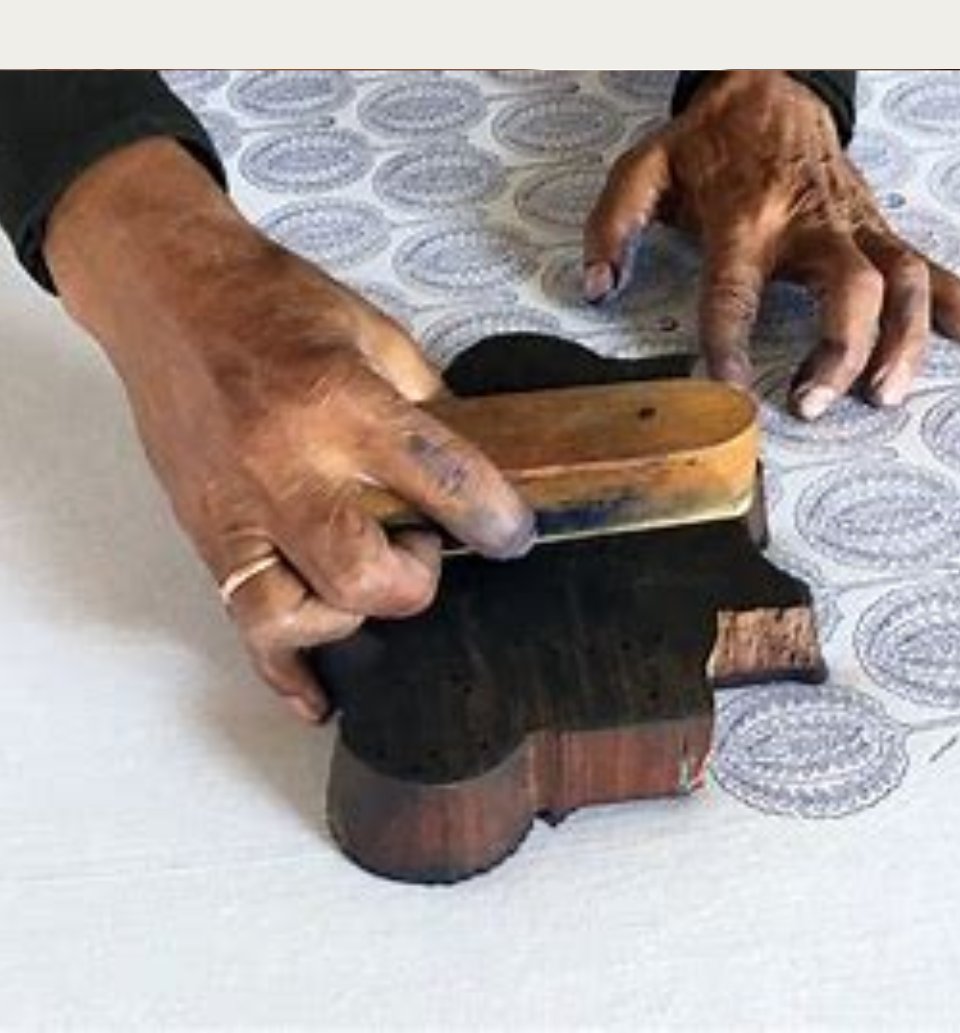
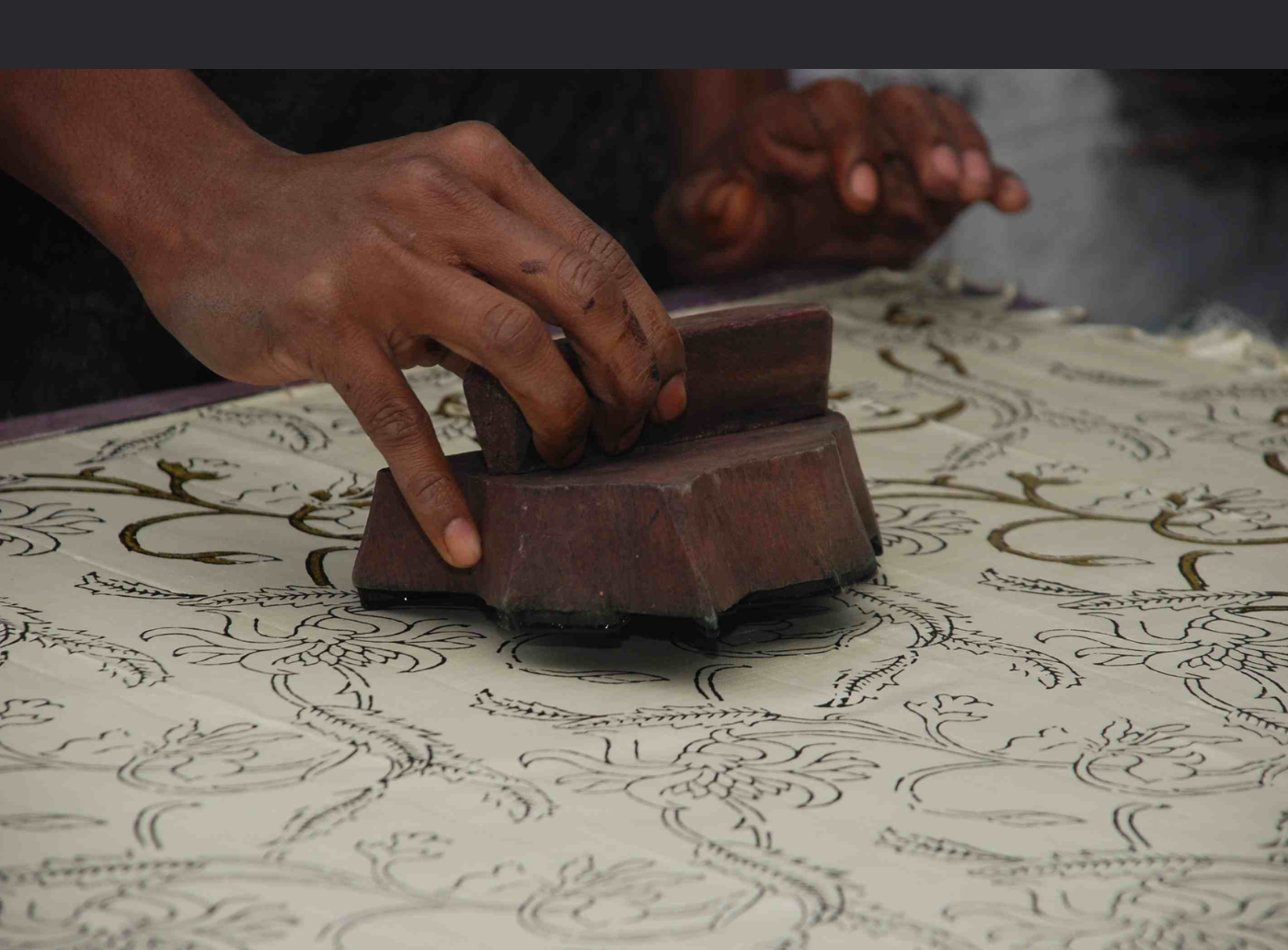
The process of printing starts by ensuring an even distribution of color on the printing tray. Next, the block is dipped into the outline color and carefully positioned on the fabric. A firm press with the fist is applied to ensure a crisp impression. Following this, the blocks are utilized to apply the remaining colors.
(If the design repeat consists of five colors, then five blocks, each containing a segment of the design, will be necessary).
STEP 5: FINISHING
After the printing process, the fabric is exposed to sunlight to dry. Subsequently, it is carefully wrapped in newspaper to prevent the layers from sticking together. Following this, the fabric undergoes steaming and washing before being set aside to dry. Finally, ironing the fabric to complete the process.
TECHNIQUES OF BLOCK PRINTING
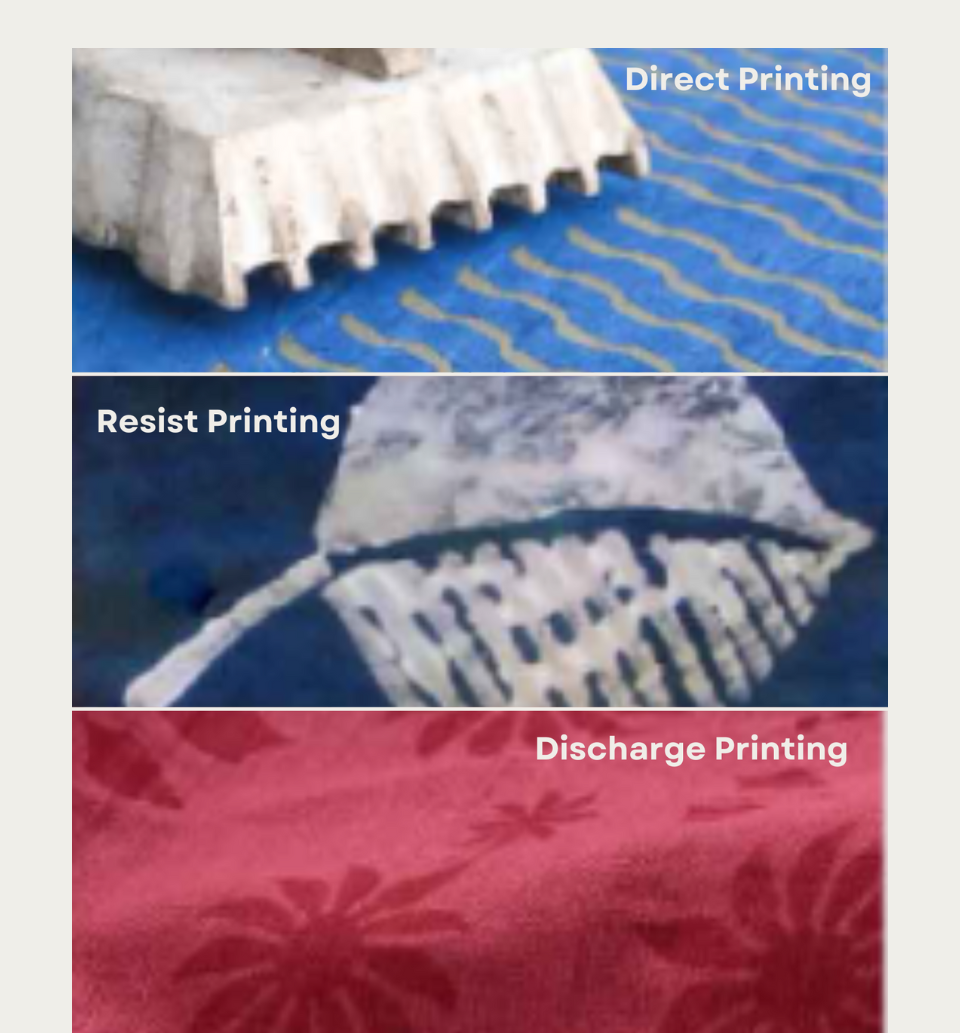
Direct Printing: This method involves the bleaching of cotton or silk fabric initially, followed by dyeing and printing using engraved blocks. The process begins with using blocks to create the outline, and then subsequently applying blocks to fill in the colors.
Resist Printing: In the resist technique, specific regions that should remain dye-free are shielded using a combination of clay and resin. Afterward, the dyed fabric goes through a washing process, causing the dye to seep into the shielded areas through cracks, resulting in a ripple-like pattern.
Discharge Printing: In this method, the fabric is initially colored with dye. Then, a specific chemical is applied to eliminate the dye from the areas intended for different color designs. These treated portions are then prepared to be re-colored.
LOCATION:
Block printing, which was not originally native to West Bengal, was introduced to the region in the beginning of 20th century. Since then, the talented block printing artists of Bengal have developed their own unique designs, while still drawing inspiration from traditional motifs. Serampur, located in West Bengal, has emerged as the hub of block printing in the region, renowned for its striking and lively patterns.
The Art of Natural Dye Block Printing: A Timeless Craft
Natural Dye Block Printing is a sustainable art form that uses eco-friendly dyes from plants like indigo and turmeric, minerals like iron and alum, and insects like lac. Fabric is mordanted, stamped with hand-carved blocks, and cured for vibrant, unique, and timeless designs, embracing nature and craftsmanship.
Sustainability, tradition, and artistry—woven together in every print.
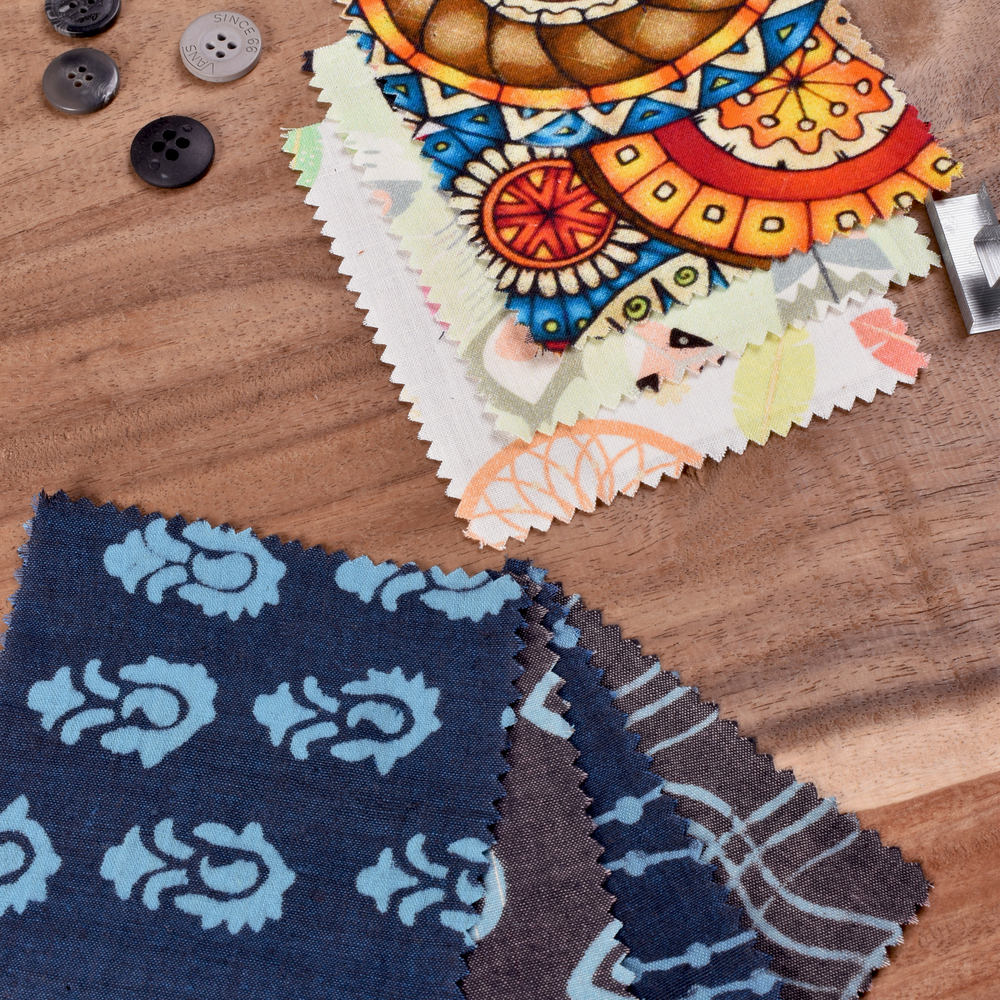
NAURAL INDIGO BLOCK PRINTS
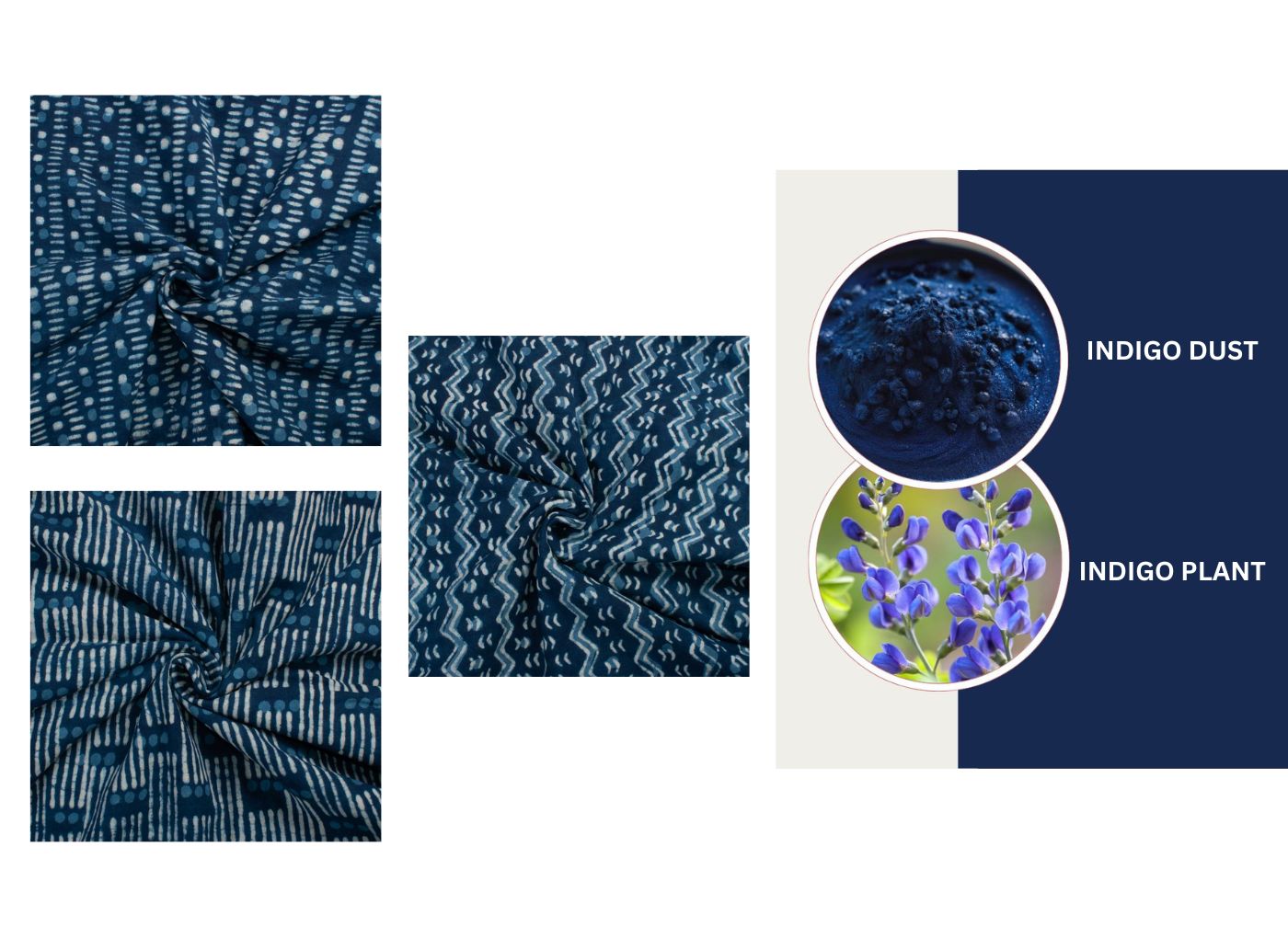
- Natural indigo block printing is an eco-friendly process involving the use of natural indigo dye derived from Indigofera plants.
- Fabrics are pre-treated with natural mordants (e.g., alum) for better dye absorption
- Iron on low heat to avoid damage.
- Fabrics are dipped in indigo dye vats multiple times to achieve deep blue tones
NATURAL MARI GOLD BLOCK PRINTS
- Fresh marigold flowers are collected. The petals are the primary source of the natural dye
- The petals are simmered in water, strained to remove solids, leaving a vibrant yellow or orange dye.
- A mordant, such as alum, is used to fix the dye, ensuring better color adherence and longevity on the fabric.
- The printed fabric is immersed in the marigold dye bath, and the stamped areas resist the color, creating patterns.
- Set dye with heat, dry in shade.
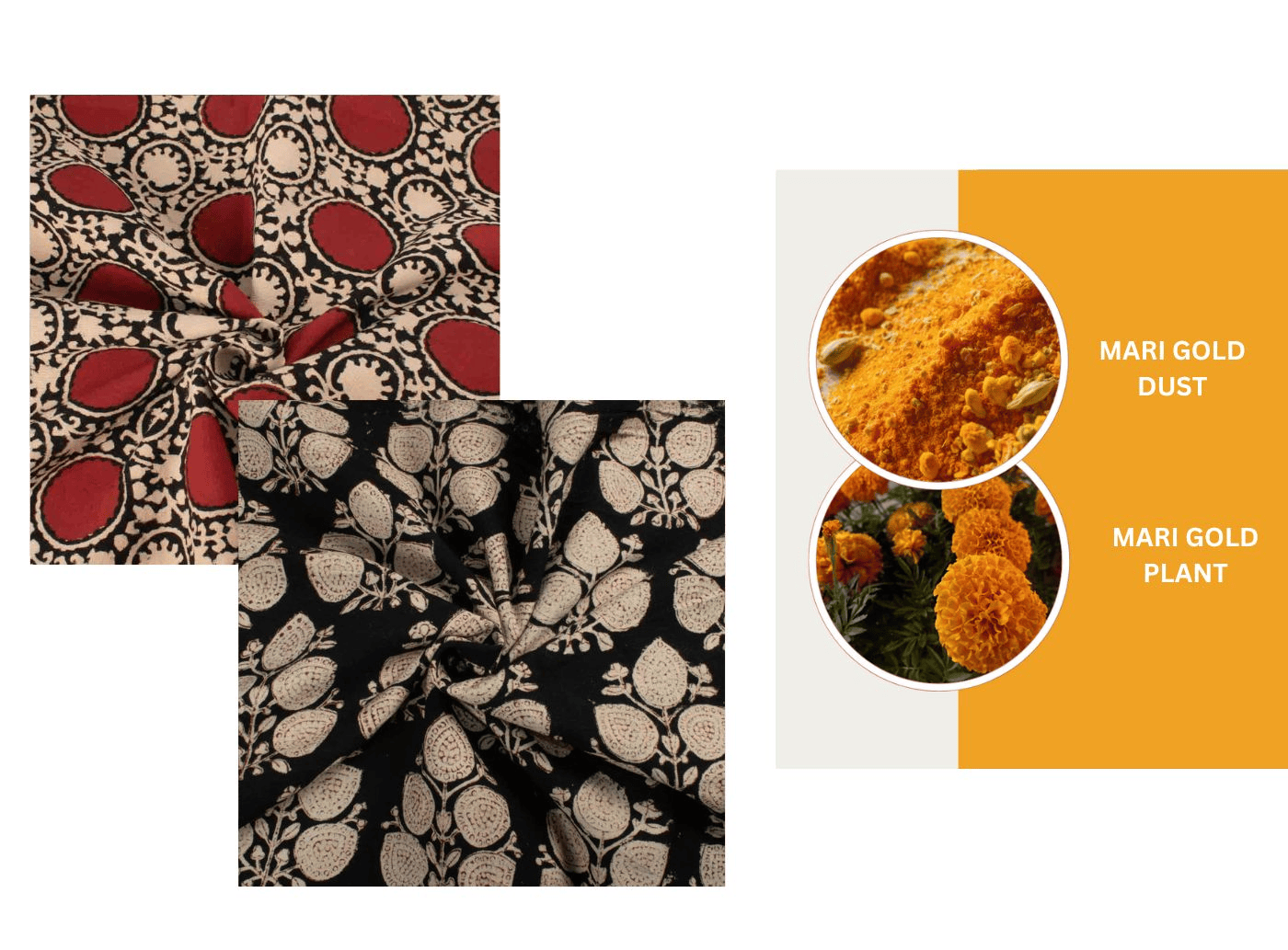
NATURAL TURMERIC BLOCK PRINTS
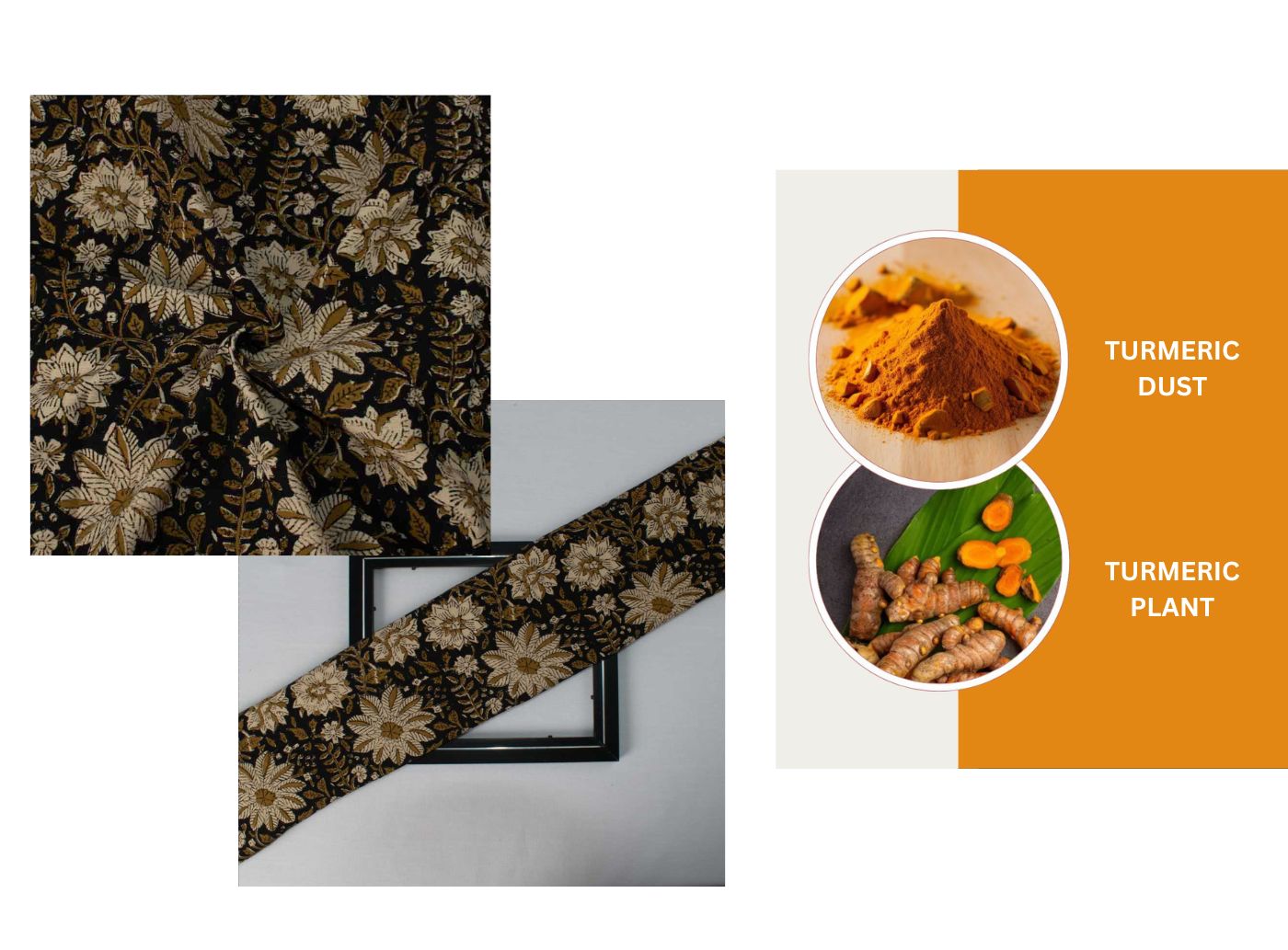
- Turmeric Dye Paste: Prepare with turmeric powder, water, and a natural binder.
- Treat fabric with alum (bright yellow) or iron (greenish-yellow).
- Enhance dye absorption through ironing or steaming
- Produces bright yellow hues with sustainable techniques.
- Soak, dry, and rinse before printing
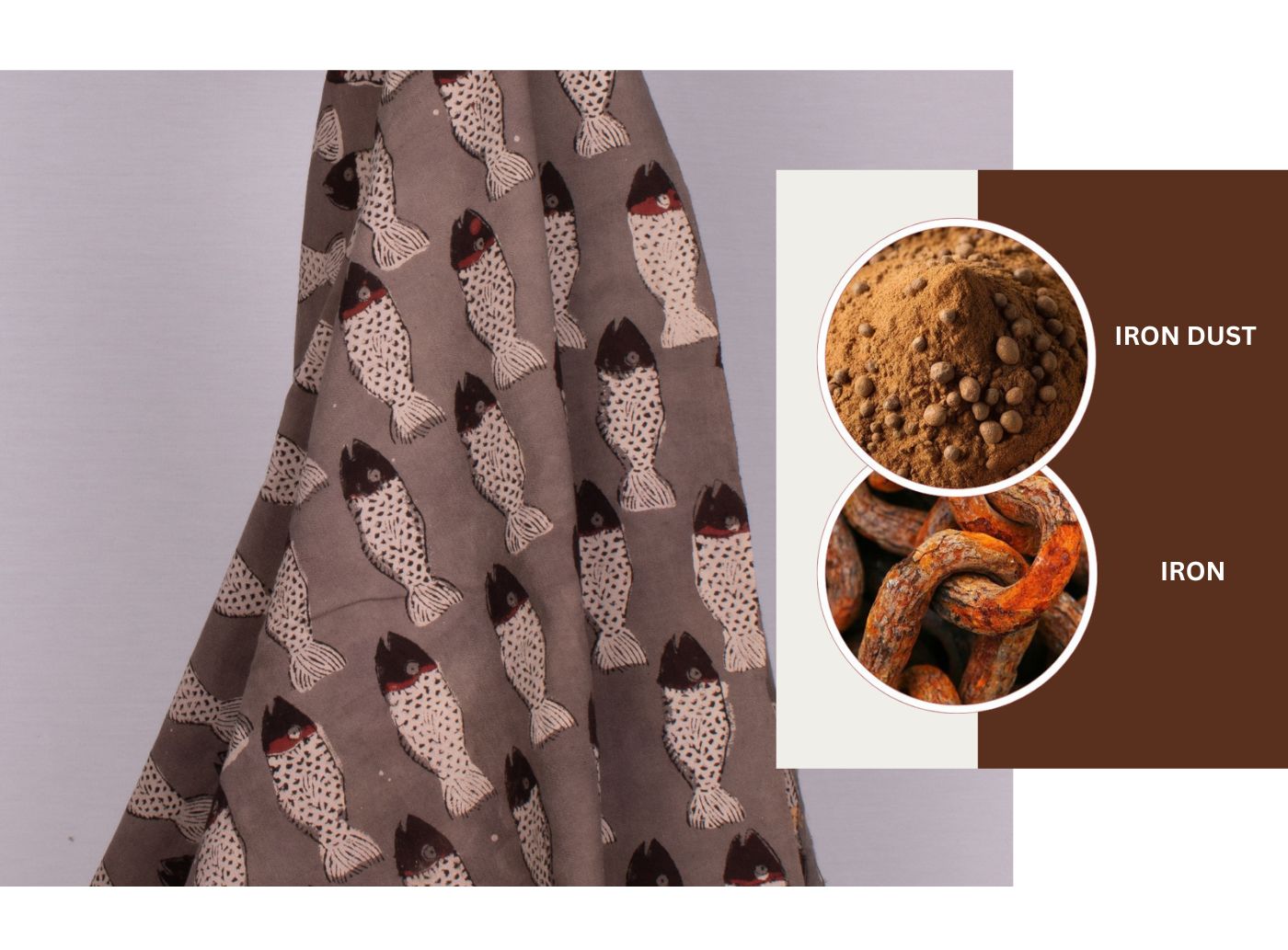
NATURAL IRON RUST BLOCK PRINTS
- Iron Dust Paste made from iron dust (rusted iron), water, and a natural binder like gum arabic or rice starch.
- Mix iron dust with water and binder to create a smooth, thick paste.
- Soak fabric in tannin solution (from plant sources like myrobalan or pomegranate peel)
- Produces rich, long-lasting hues like black, gray, or brown through iron-tannin reactions.
MADDER ROOT (RUBIA TINCTORUM)
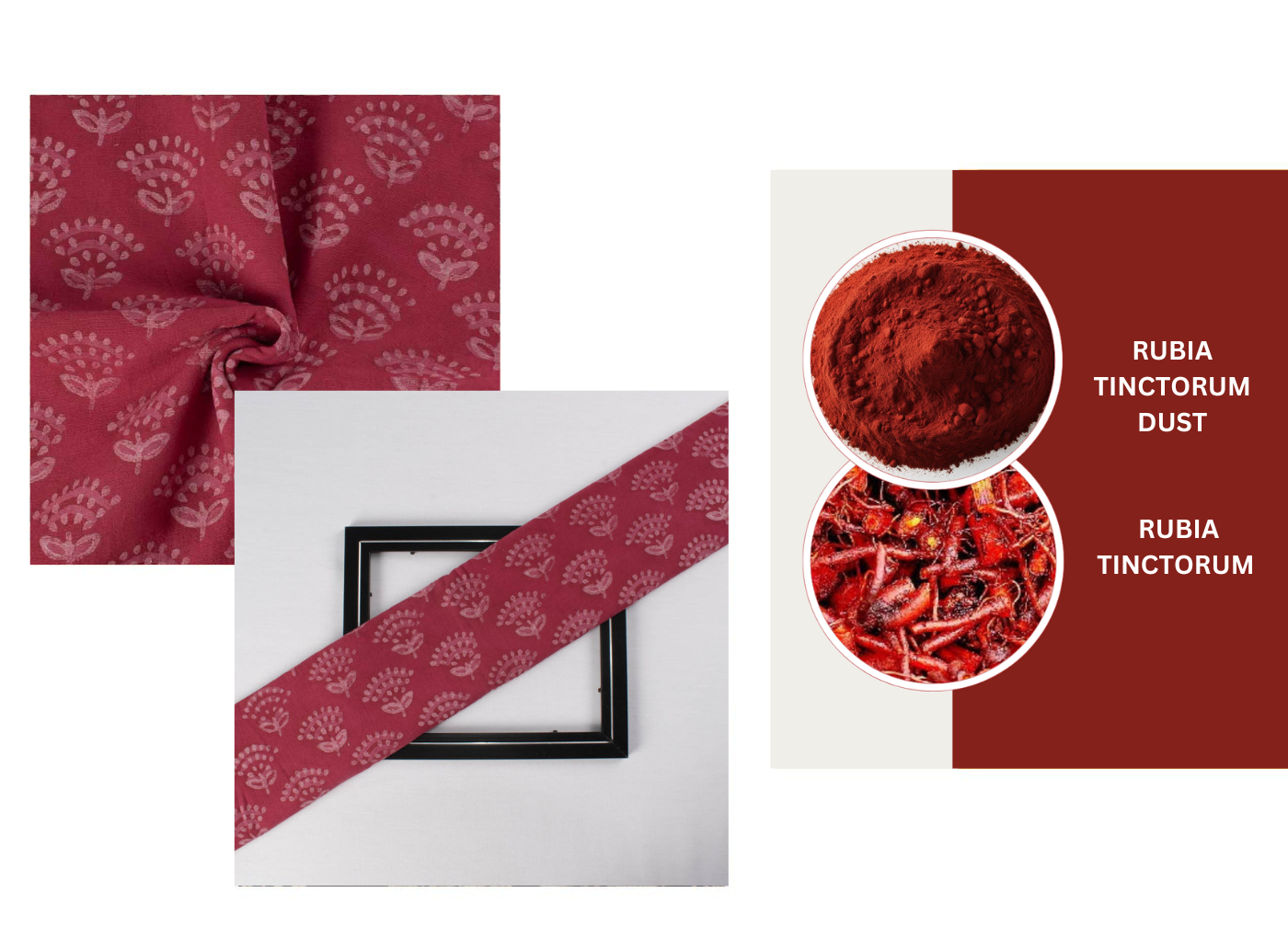
- Soak dried madder roots overnight.
- Simmer them in water to extract the red dye.
- Madder Root Produces shades of red, from soft pink to deep crimson,
- depending on the mordant used.
- Mix the liquid dye with dissolved Babool gum to form a thick paste
- Babool gum stabilizes dye on fabric, ensuring even absorption and enhancing color intensity.
- Dry in the shade to preserve the vibrant red color
VISUALS OF BLOCK PRINTING
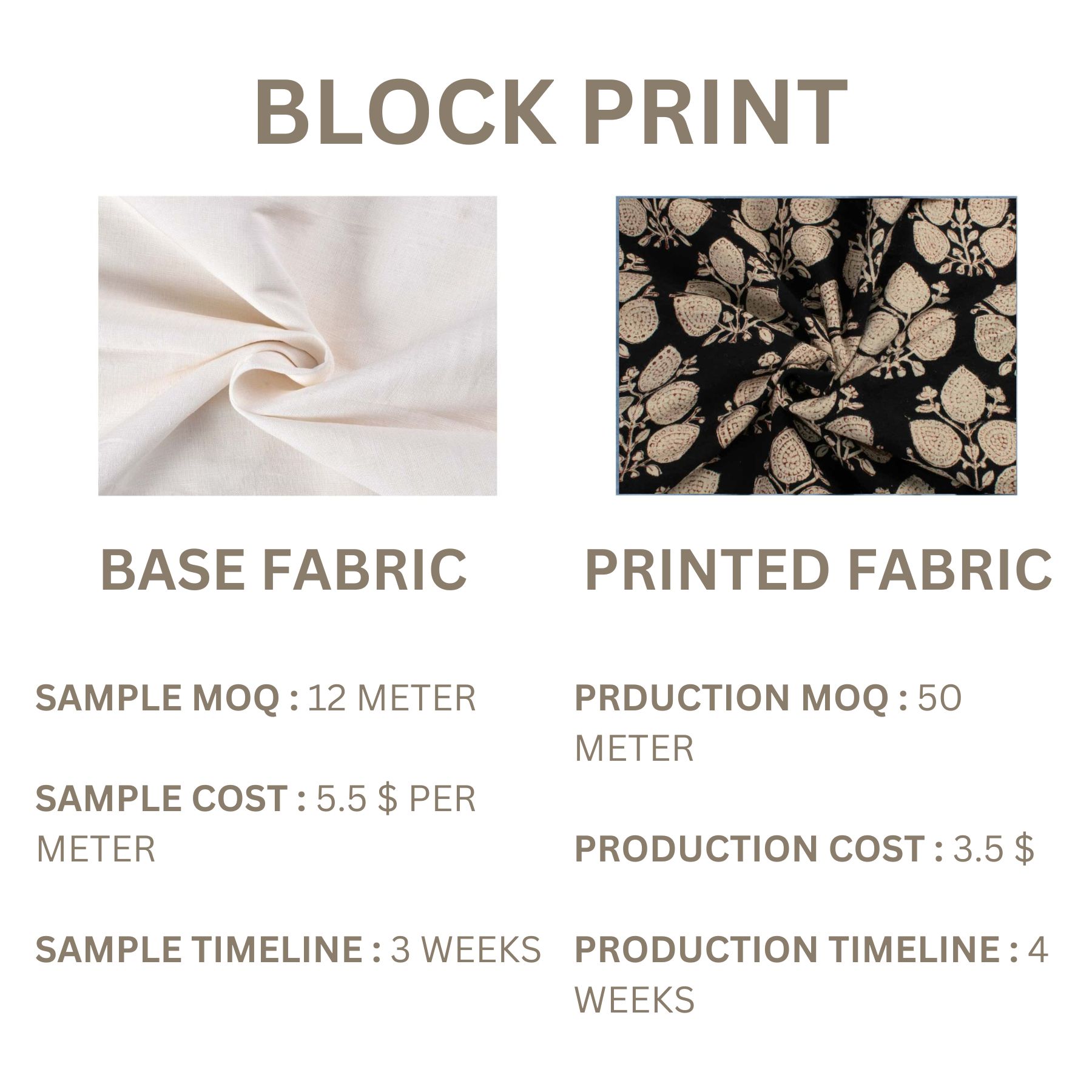
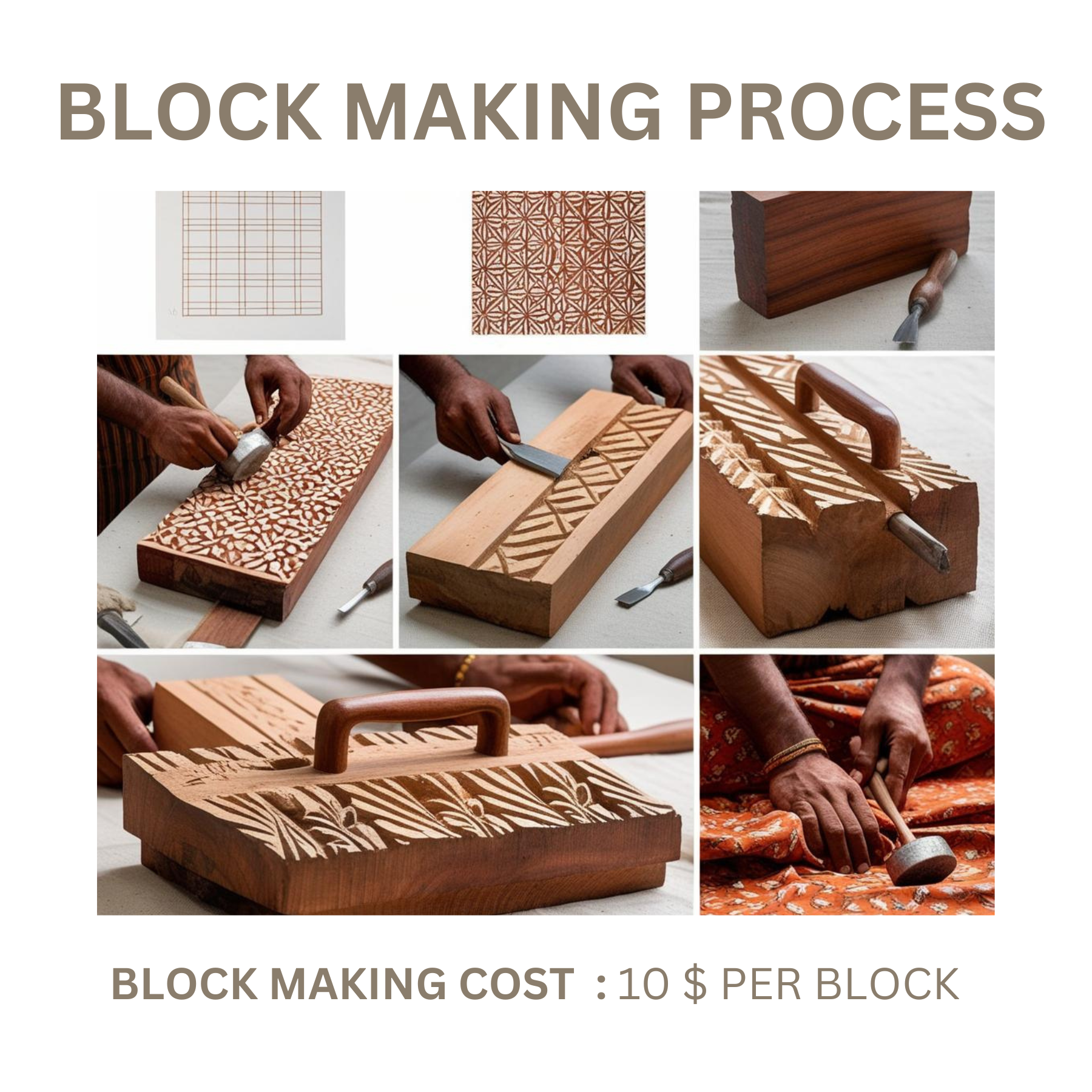
How to Do Block Printing: A Step-by-Step Guide
Mastering the craft of block printing requires attention to detail at every stage. Follow these steps to understand the professional workflow used in artisan workshops:
- Block Preparation: Designs are traced onto wood and carved by hand. Blocks are soaked in oil for several days to improve durability and flexibility.
- Fabric Preparation: Fabric is scoured to remove starch and impurities, then dried and stretched tightly over a printing table using pins to ensure a flat surface.
- Color Mixing: Pigments, binders, and fixers are blended into a print paste. This is spread onto a tray covered with a porous material to ensure the block picks up an even layer of color.
- Printing: The block is dipped into the color and pressed firmly onto the fabric. Artisans use a fist-press technique to ensure a crisp, uniform impression.
- Finishing: The fabric is sun-dried, then steamed or ironed to fix the dyes permanently before a final wash.
frequently asked questions
What is block printing?
Block printing is a manual technique where carved wood blocks are dipped in dye or print paste and pressed onto fabric to create repeating patterns.
What types of fabrics are commonly used for hand block printing?
Hand block printing is most effective on natural fibers like cotton, silk, and linen, as these materials readily absorb dyes and hold impressions well.
How to do block printing at home?
To do block printing at home, you need a carved wood block, fabric-safe textile paint, a flat printing surface, and a clean, pre-washed natural fabric. Apply paint to the block using a sponge, press firmly onto the fabric, and heat-set the design according to the paint manufacturer's instructions.
What are some common applications of hand block printed fabrics?
These fabrics are used for garments like dresses and scarves, as well as home furnishings including bedspreads, curtains, and cushion covers.
Are hand block printed fabrics colorfast?
Colorfastness depends on the quality of dyes and the fixing process. Proper care, such as washing in cold water with mild detergent, helps maintain color intensity.
Are there specific care instructions for hand block printed fabrics?
Wash separately in cold water for the first few cycles. Store in a cool, dry place away from direct sunlight to prevent fading.
Can I customize designs for block printing?
Yes, custom wooden blocks can be carved based on specific artwork to create unique, branded textile patterns.
Is block printing eco-friendly?
Yes, it is a sustainable method that uses minimal energy, often utilizes natural dyes, and supports traditional artisanal livelihoods.
More Stories
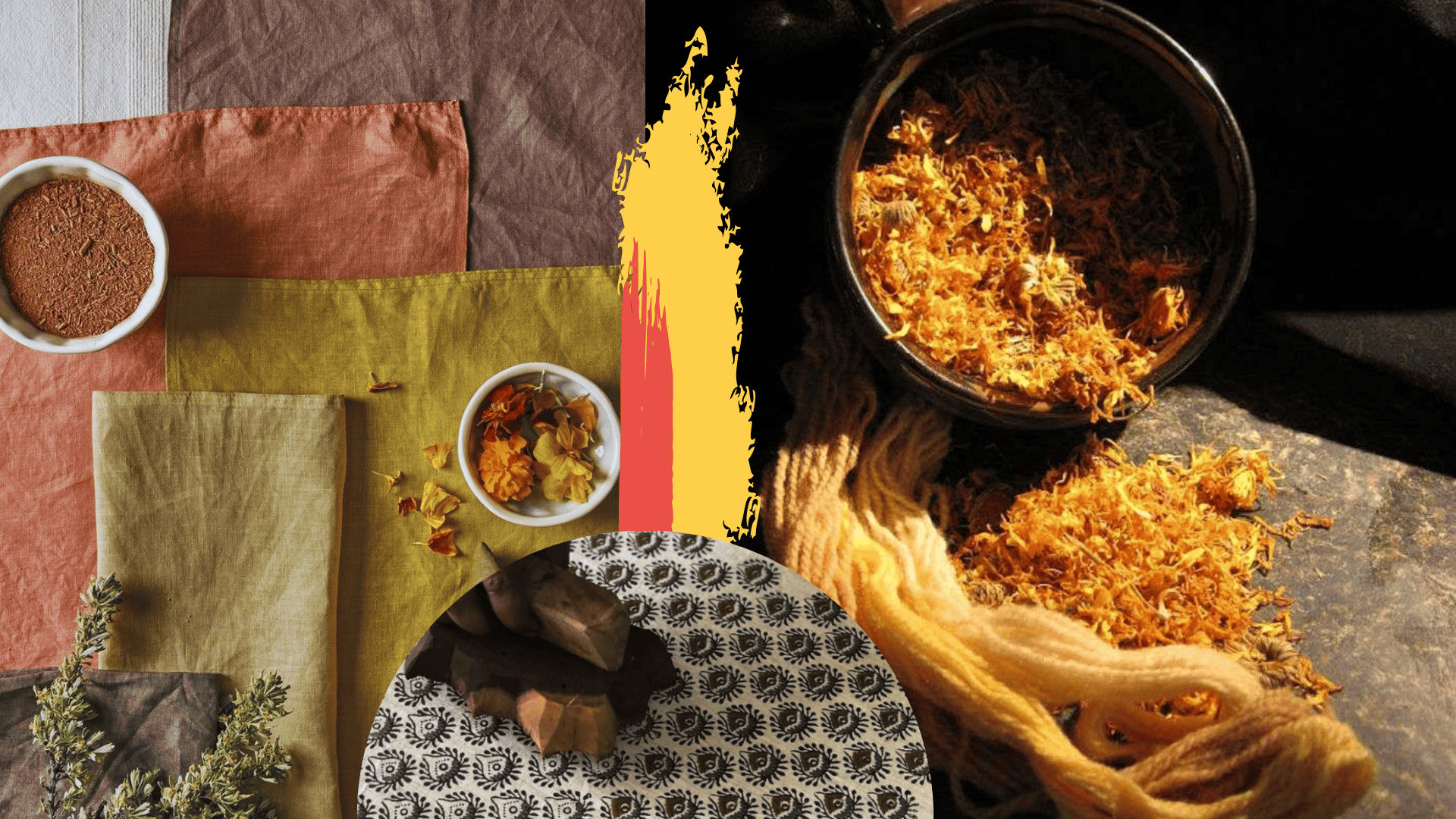
naturally dyed block printing

digital printing
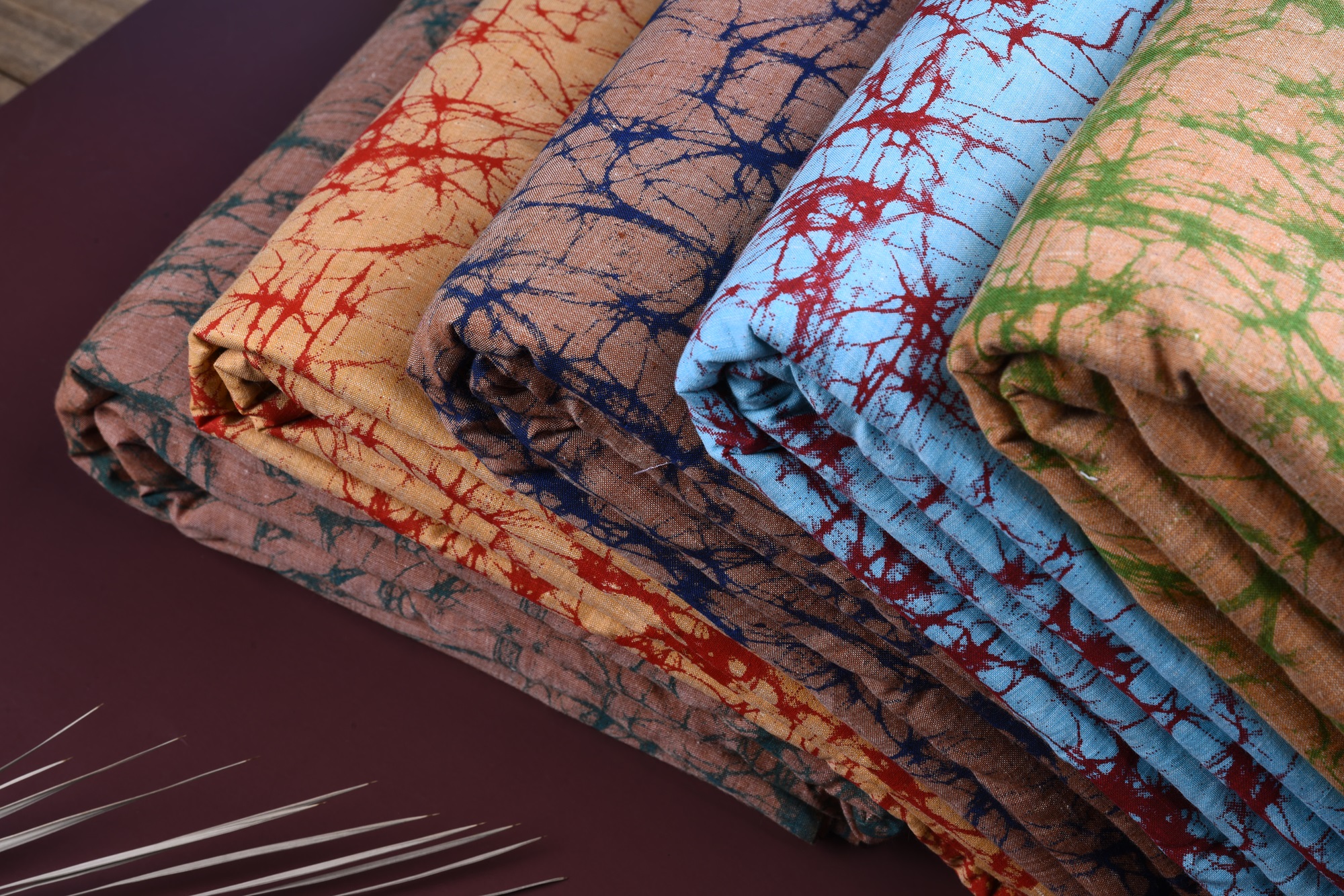
handprinted batik
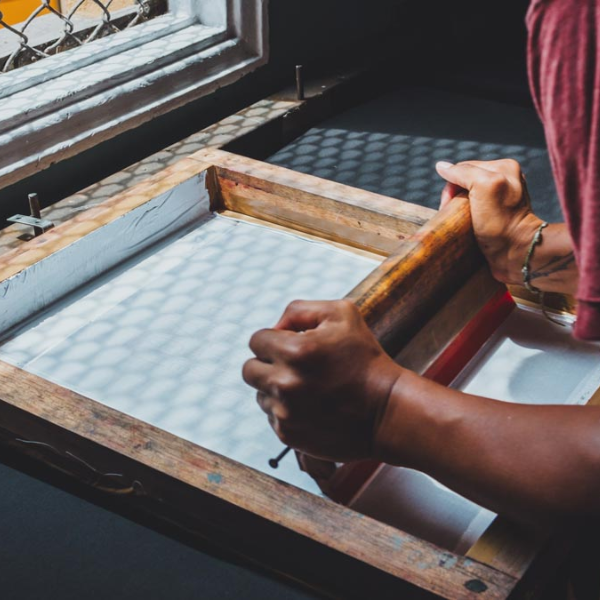
screen printing
khesh recycled fabric
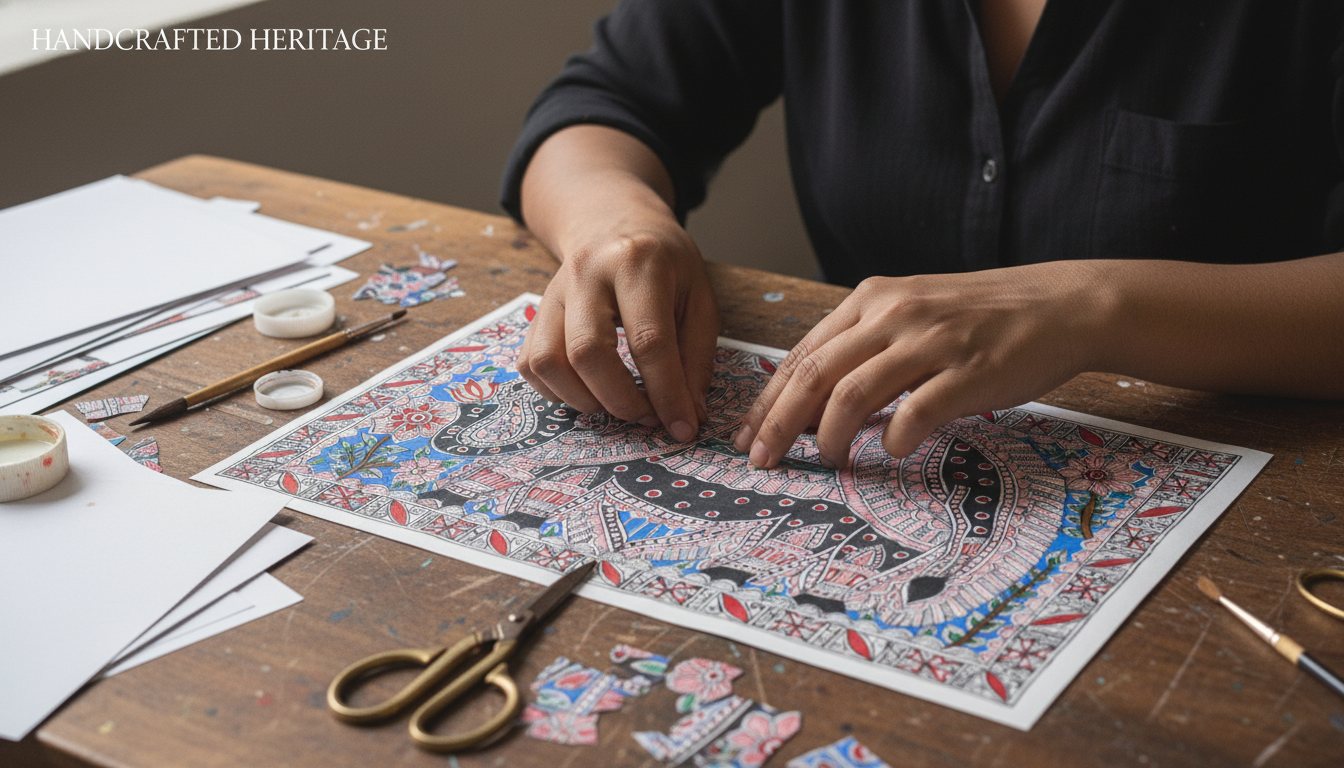
madhubani wall art