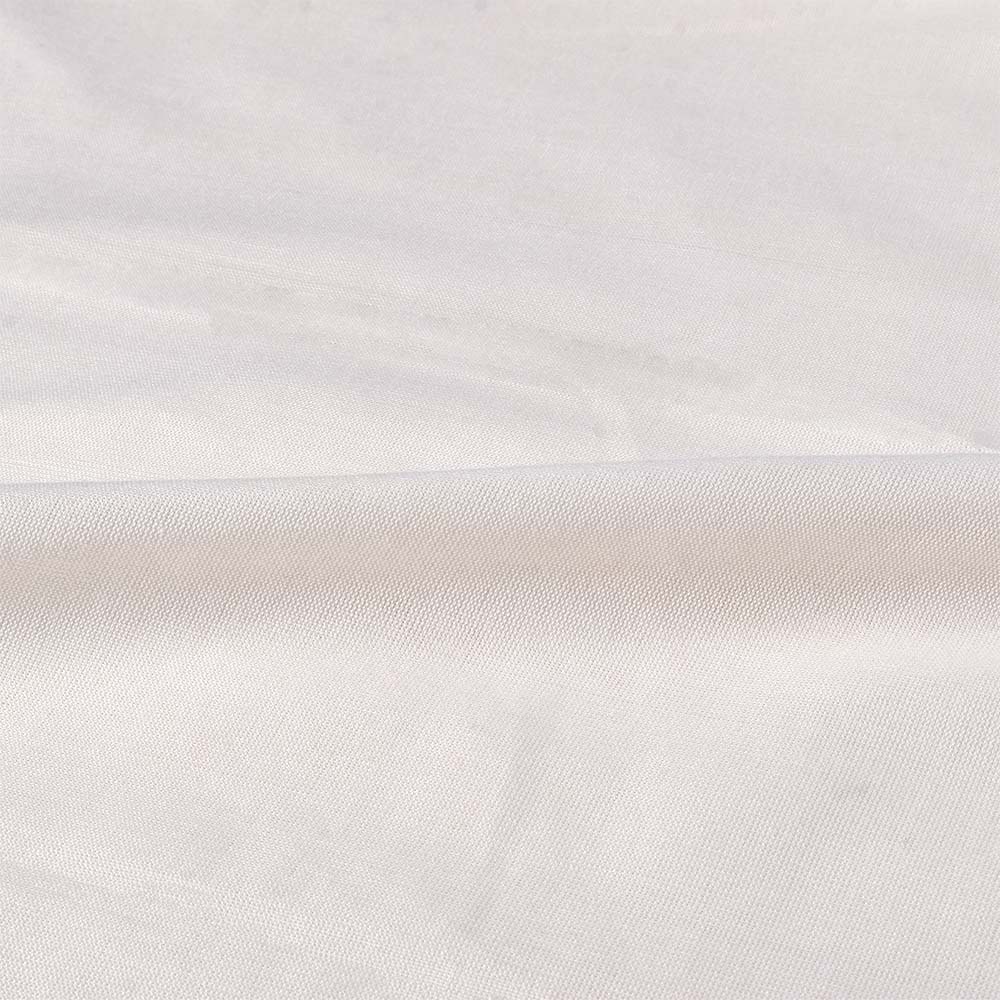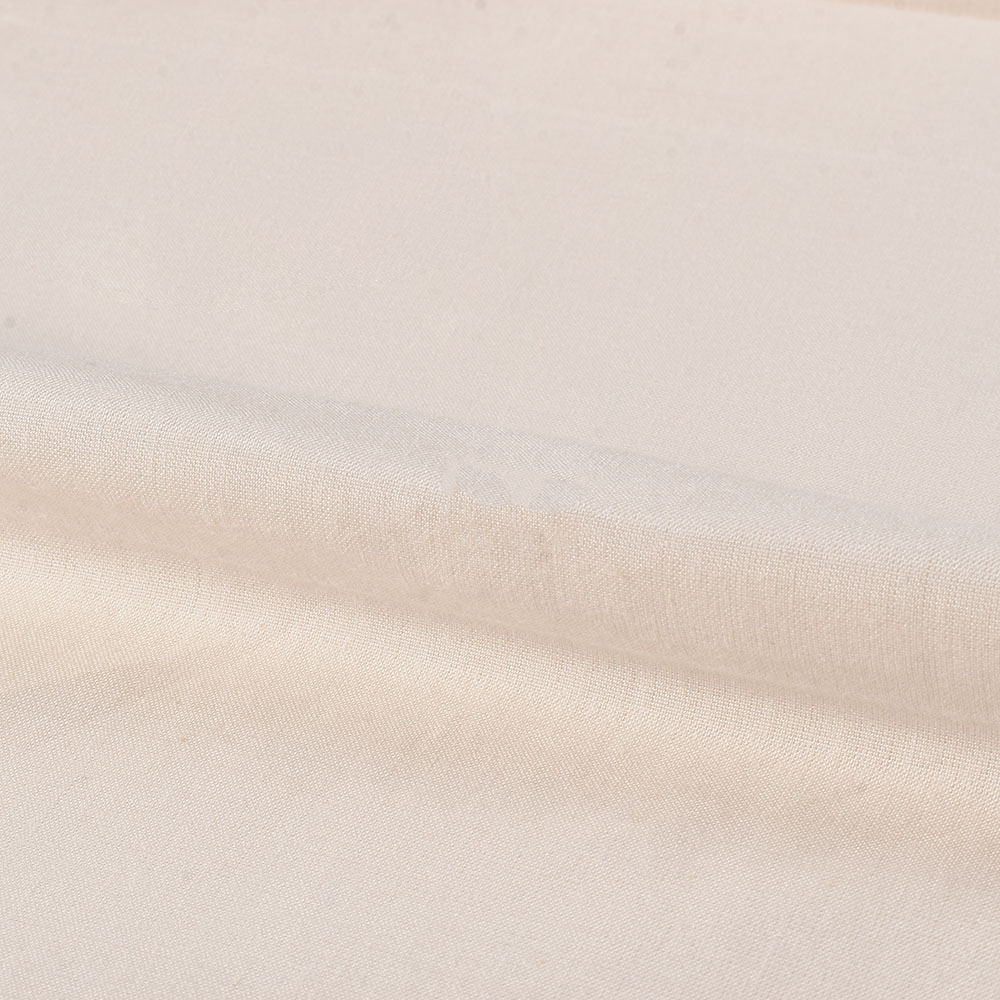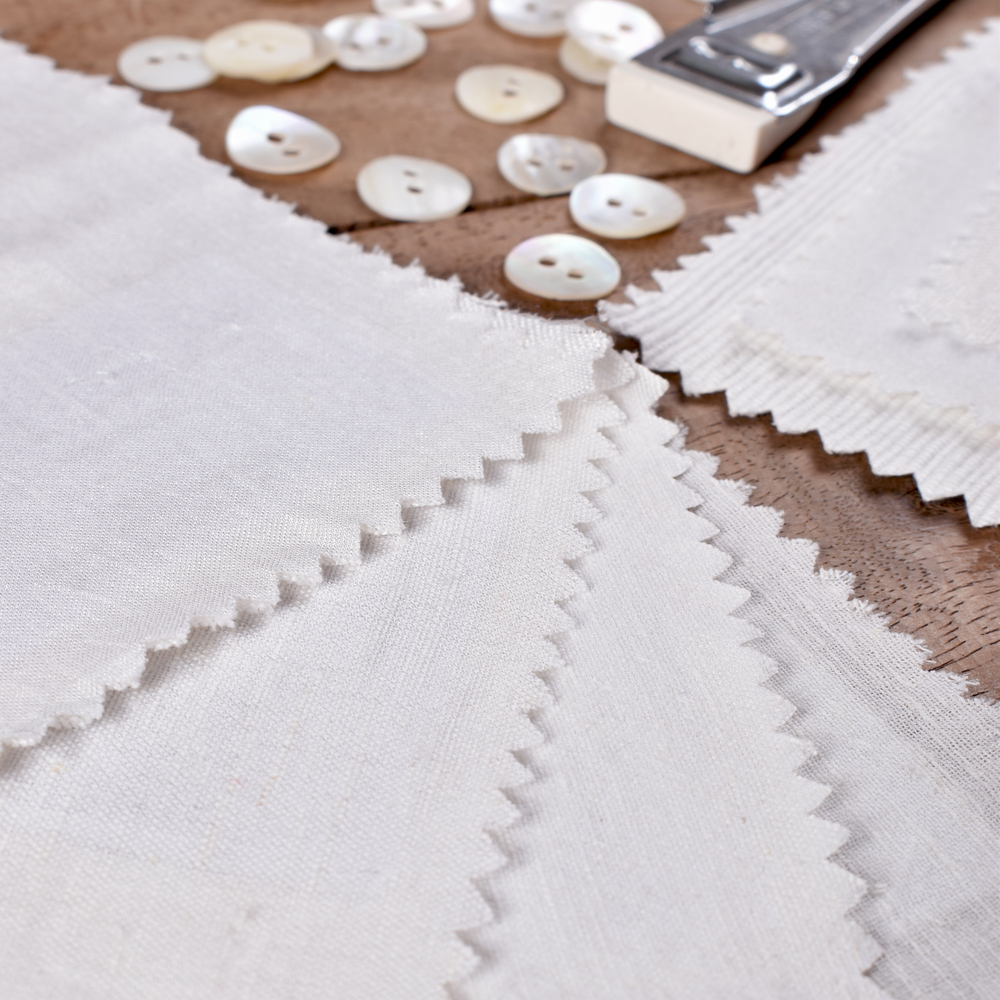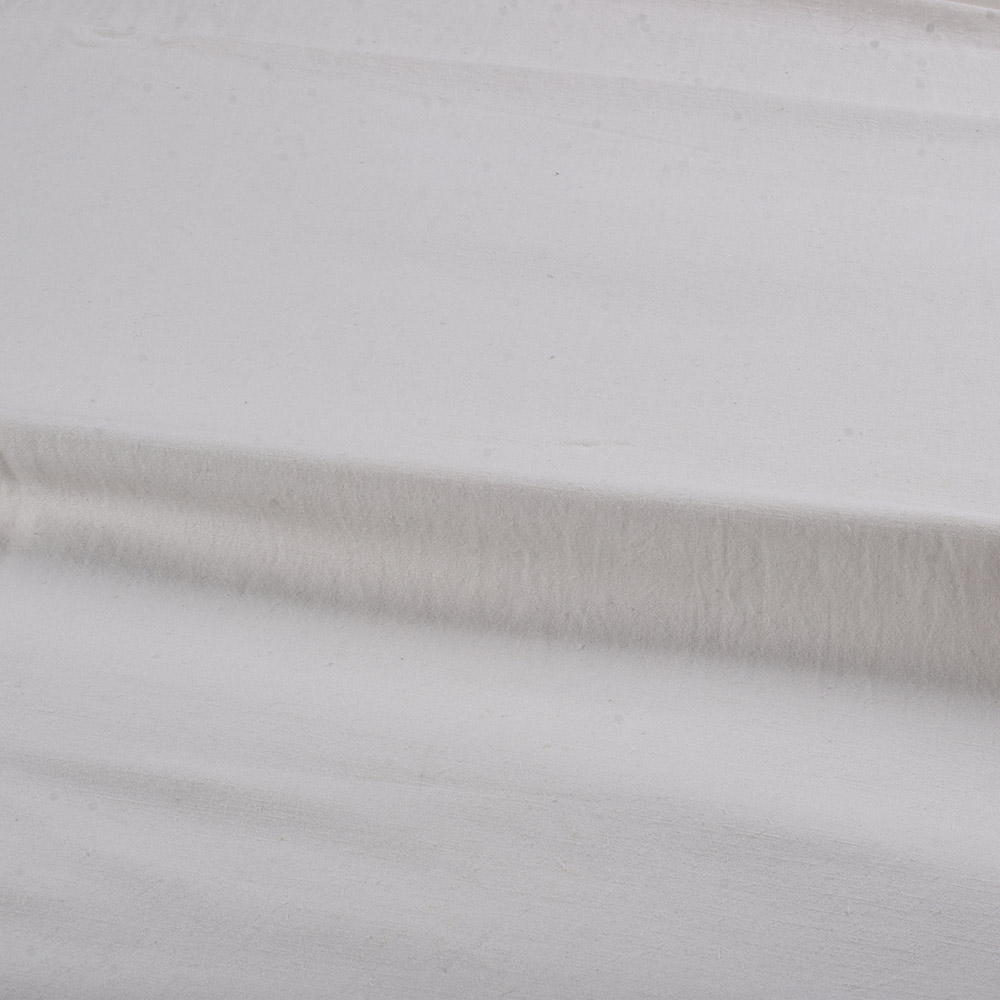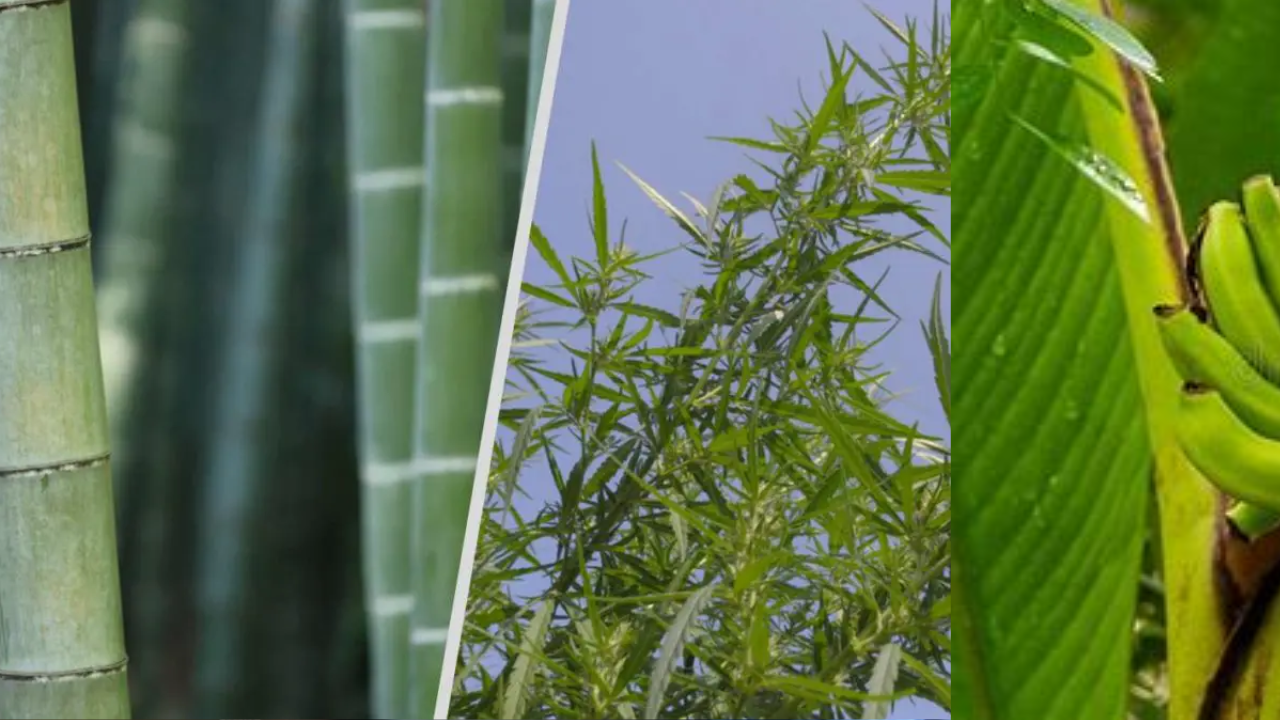
NATURAL FIBERS: HEMP- BANANA- BAMBOO- CORN

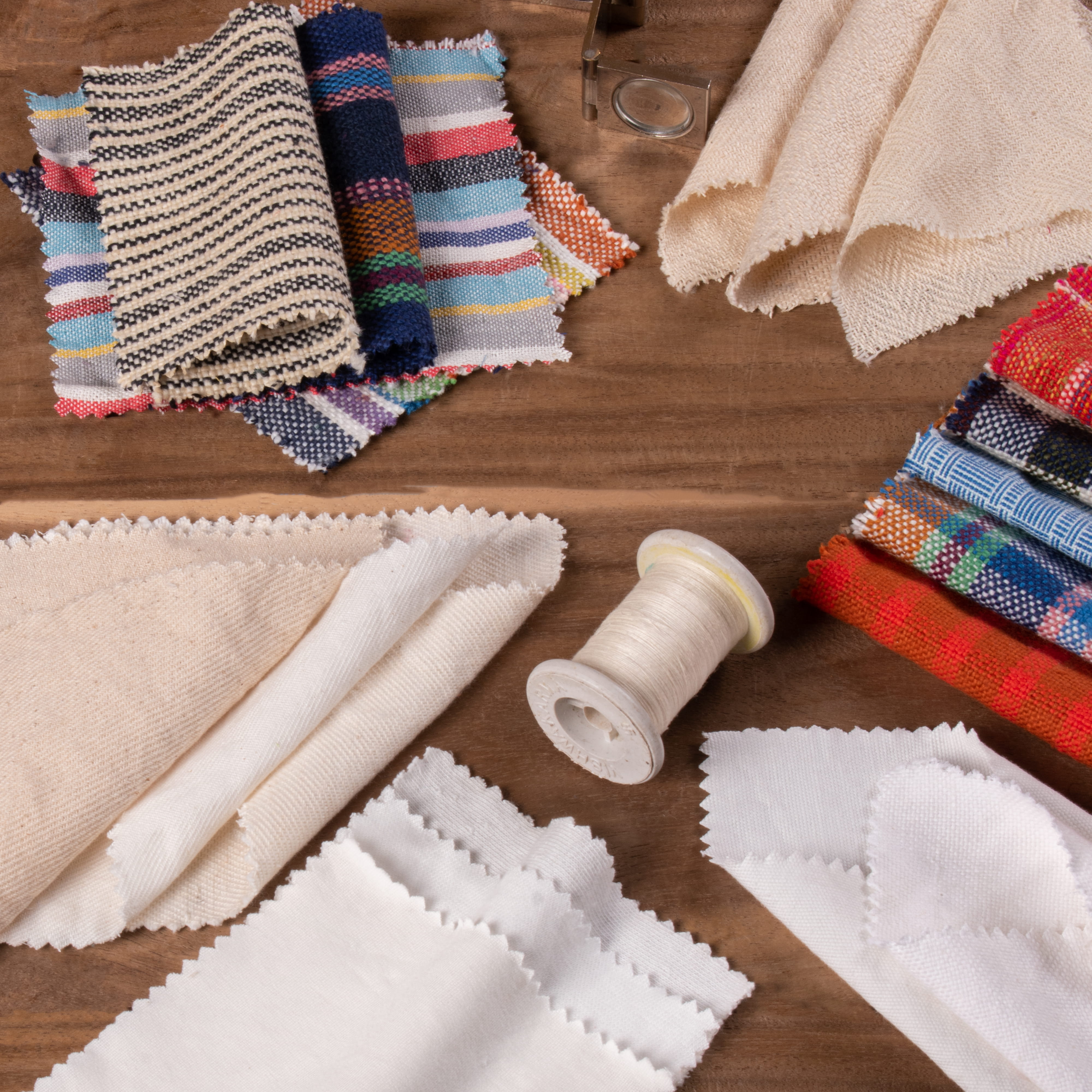
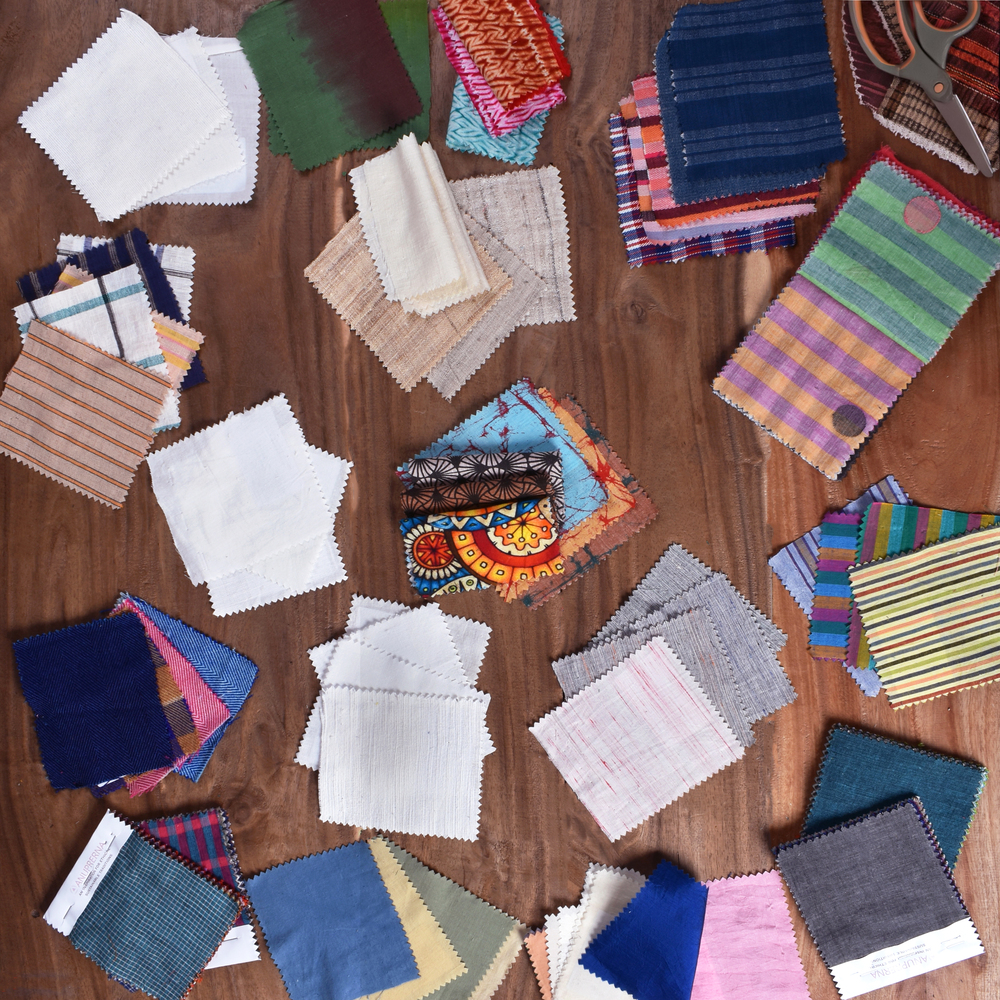
Sustainable Fibers Such As Hemp, Corn, Banana, And Bamboo Are A Better Alternative To Conventional Fibers. They Are Made From Renewable Resources And Often Require Fewer Inputs, Such As Water, Pesticides, And Fertilizers, To Grow And Process. This Makes Them A More Environmentally Friendly And Socially Responsible Option For Consumers
HEMP FIBER
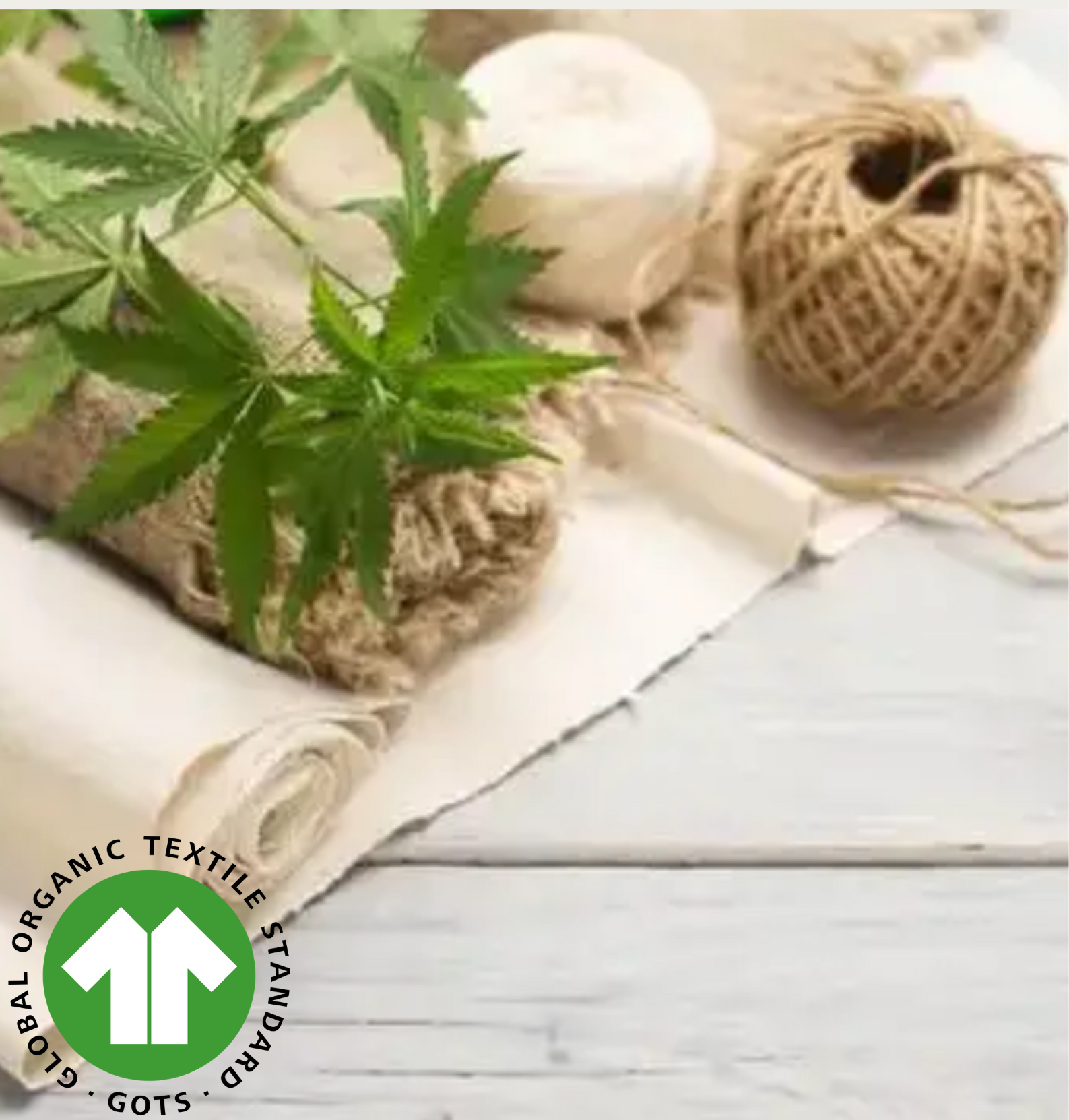
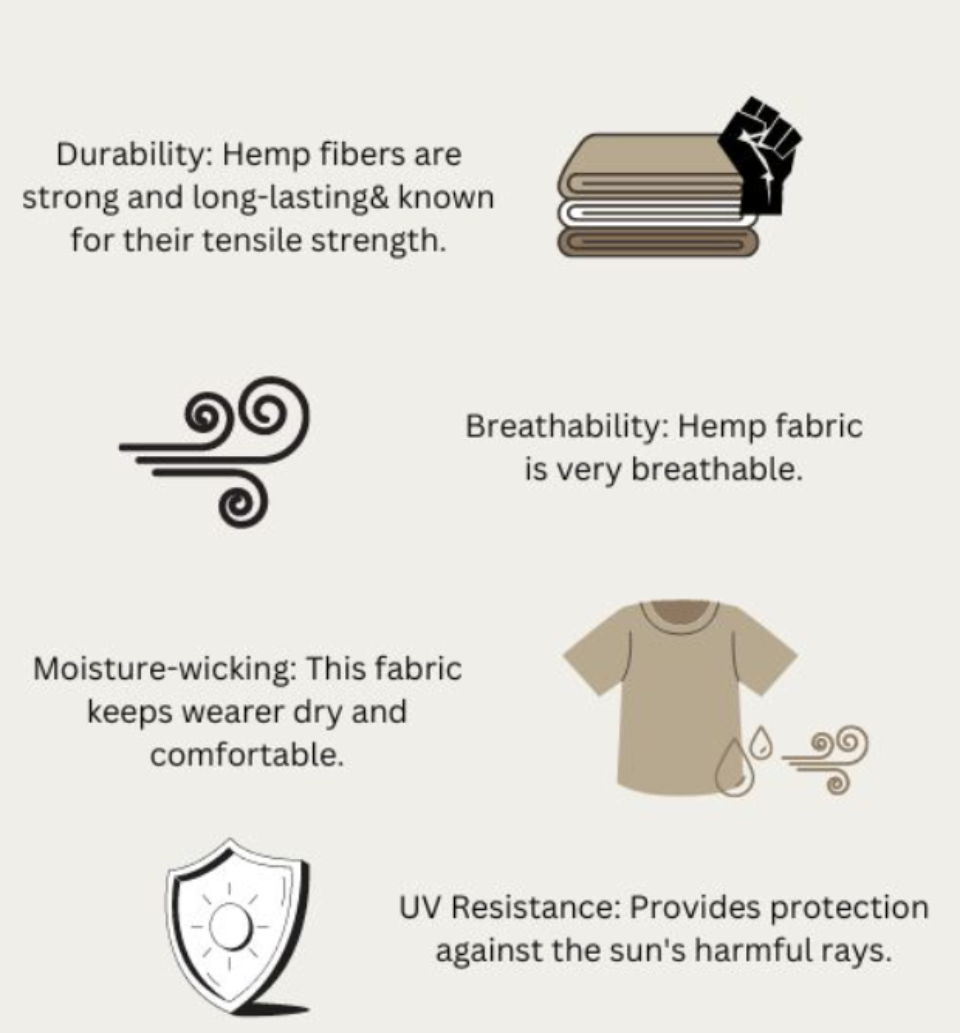
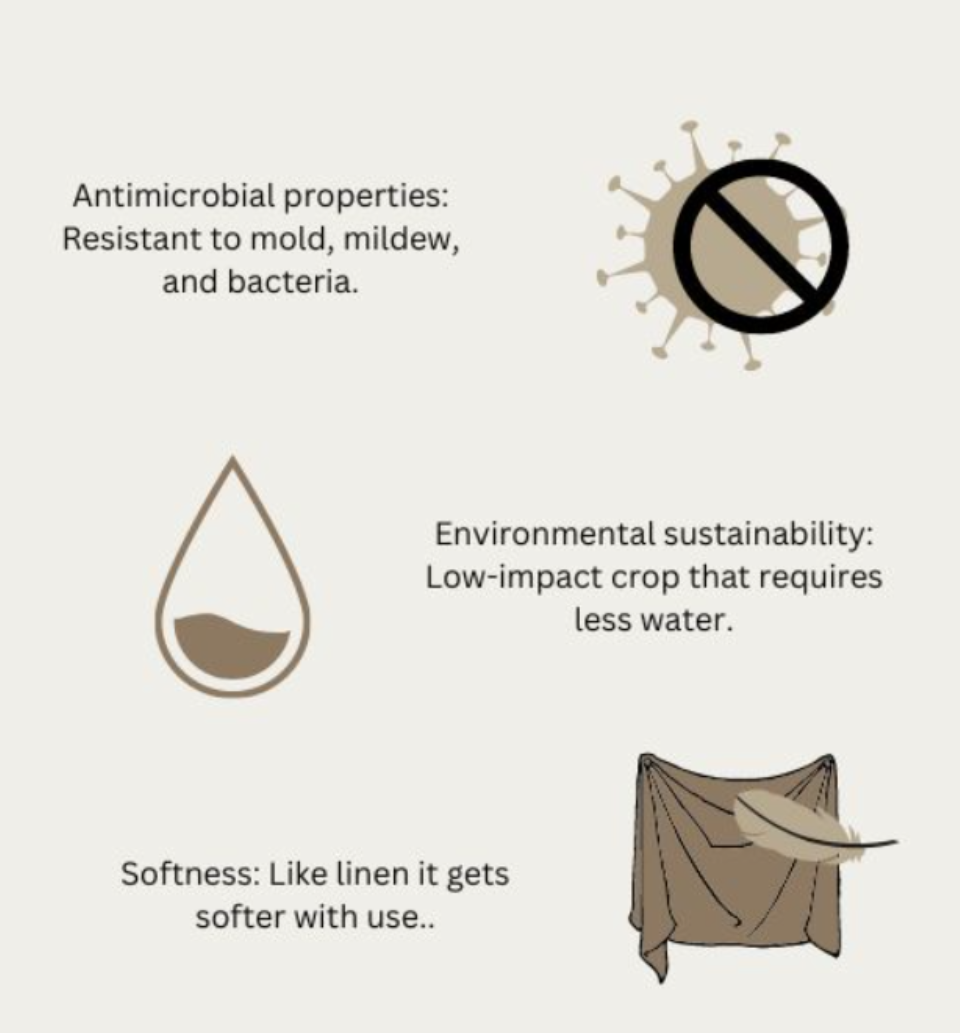
Hemp fabric is a type of textile made from the fibers of the hemp plant. It is known for its durability, breathability, and ability to resist mold and UV rays. Hemp fabric is also environmentally friendly, as it requires less water and pesticides than other crops used for fabric production. It is commonly used for clothing, bags, and home furnishings.
BENEFITS OF HEMP FABRIC
BANANA FIBER
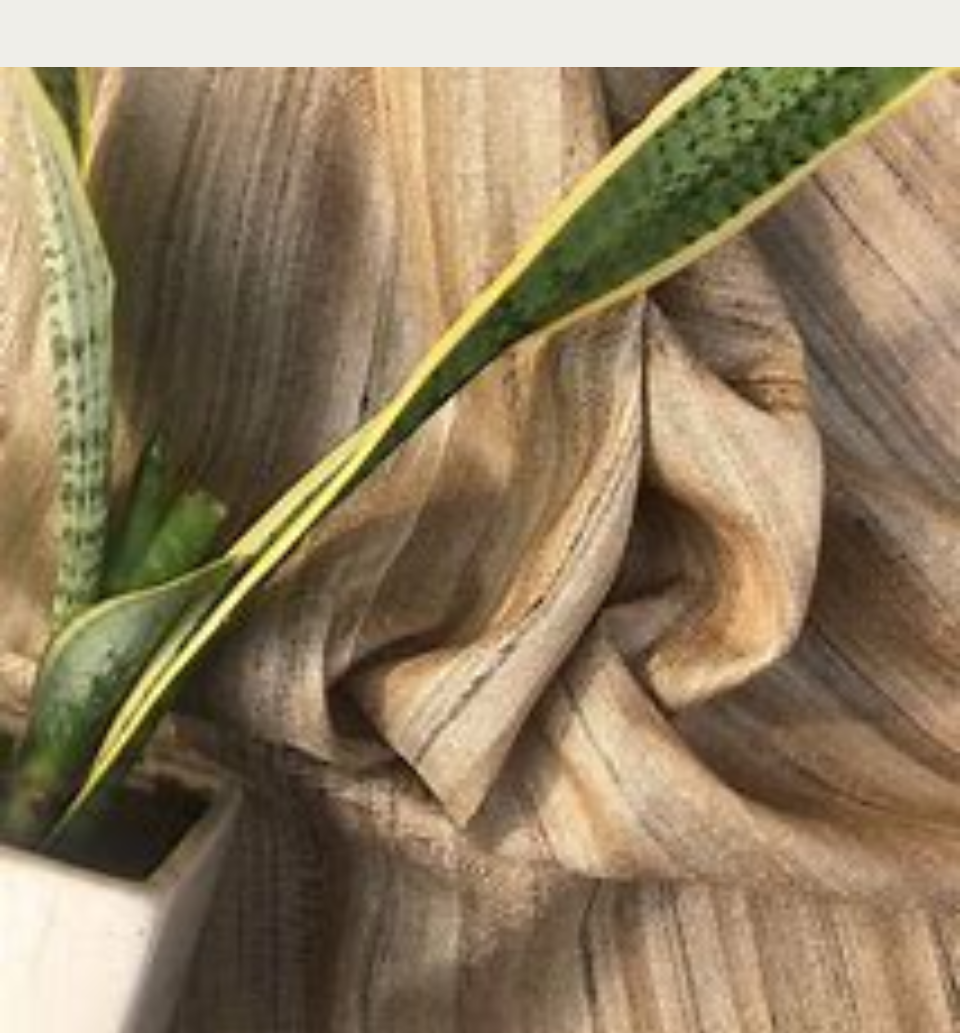
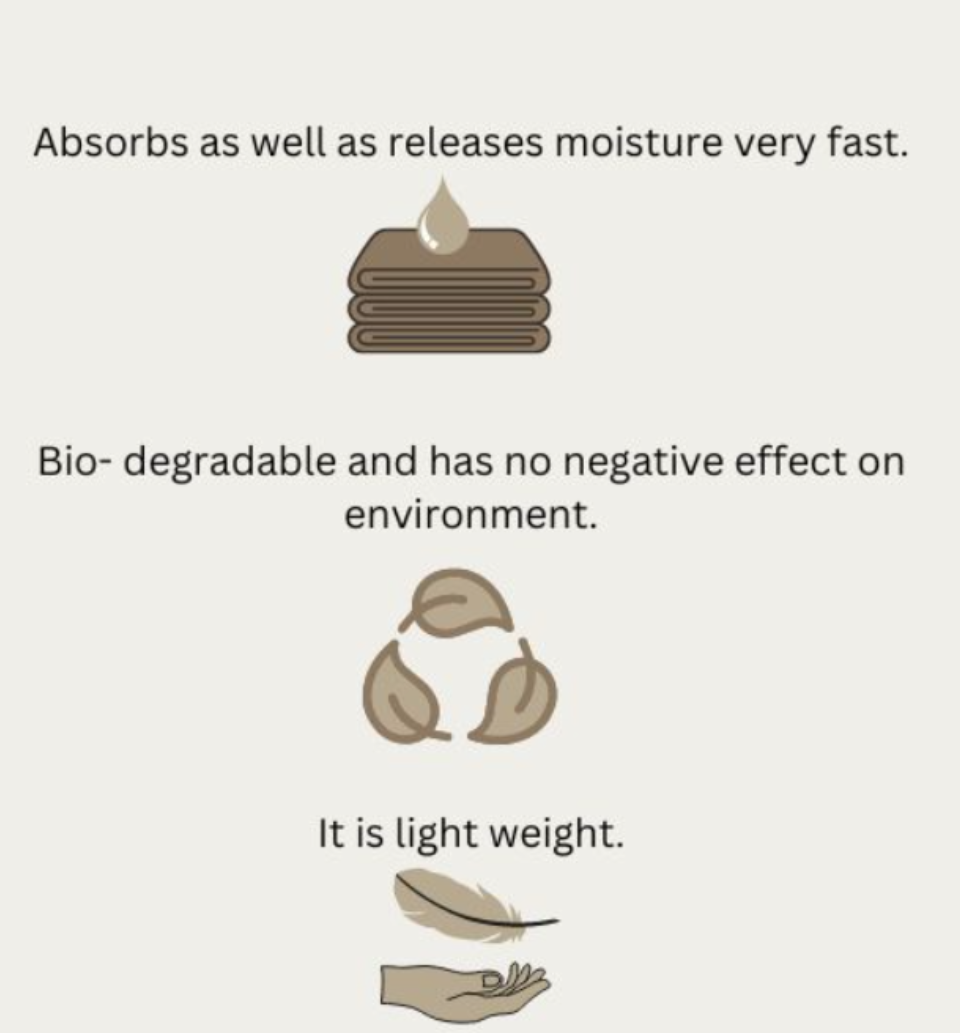
Banana fiber fabric is a type of textile made from the fibers extracted from the stems of banana plants. It is a natural and sustainable alternative to synthetic fabrics and is becoming increasingly popular in eco-friendly and sustainable clothing and textile products.
BENEFITS OF BANANA FABRIC
BAMBOO FIBER
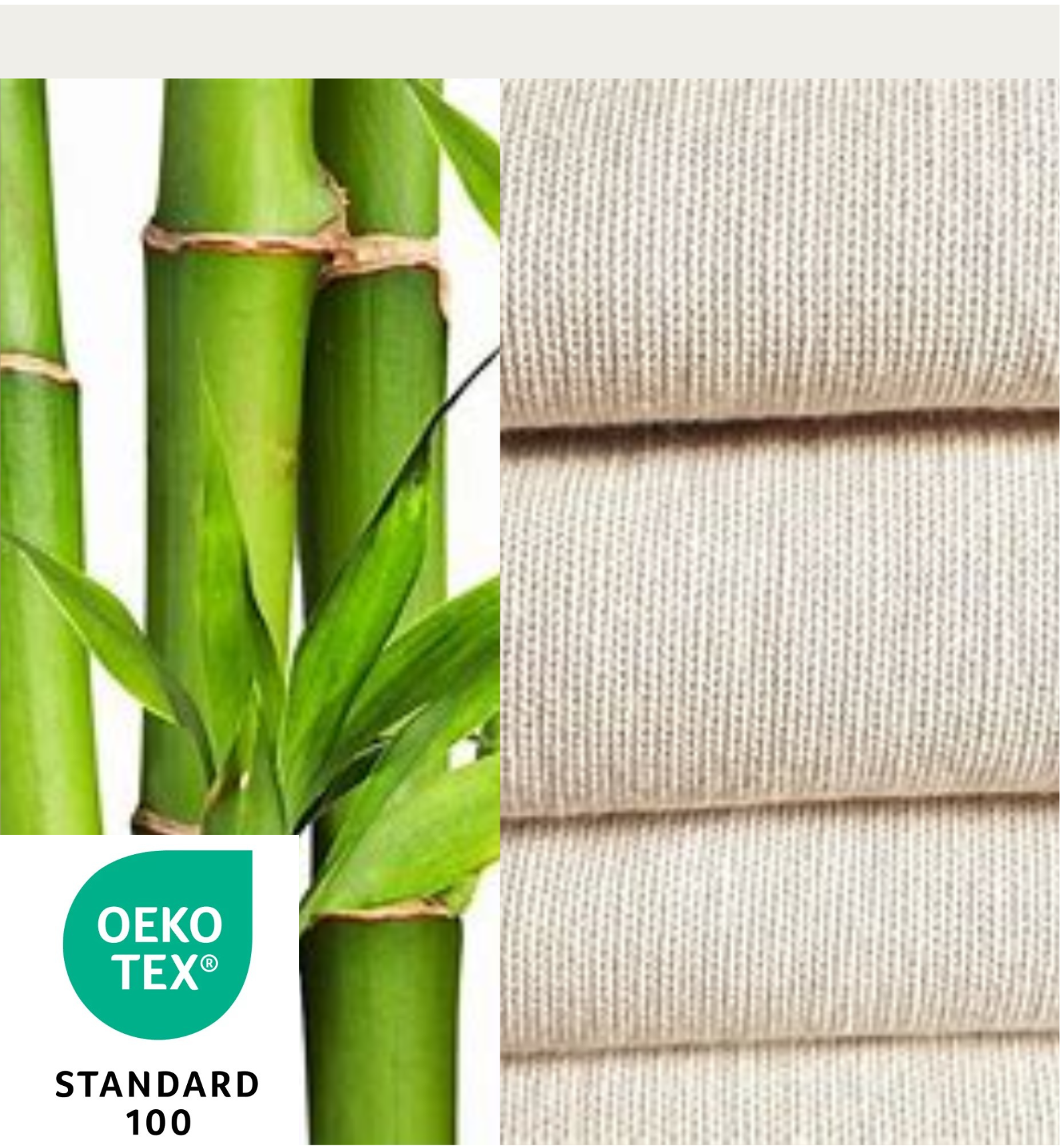
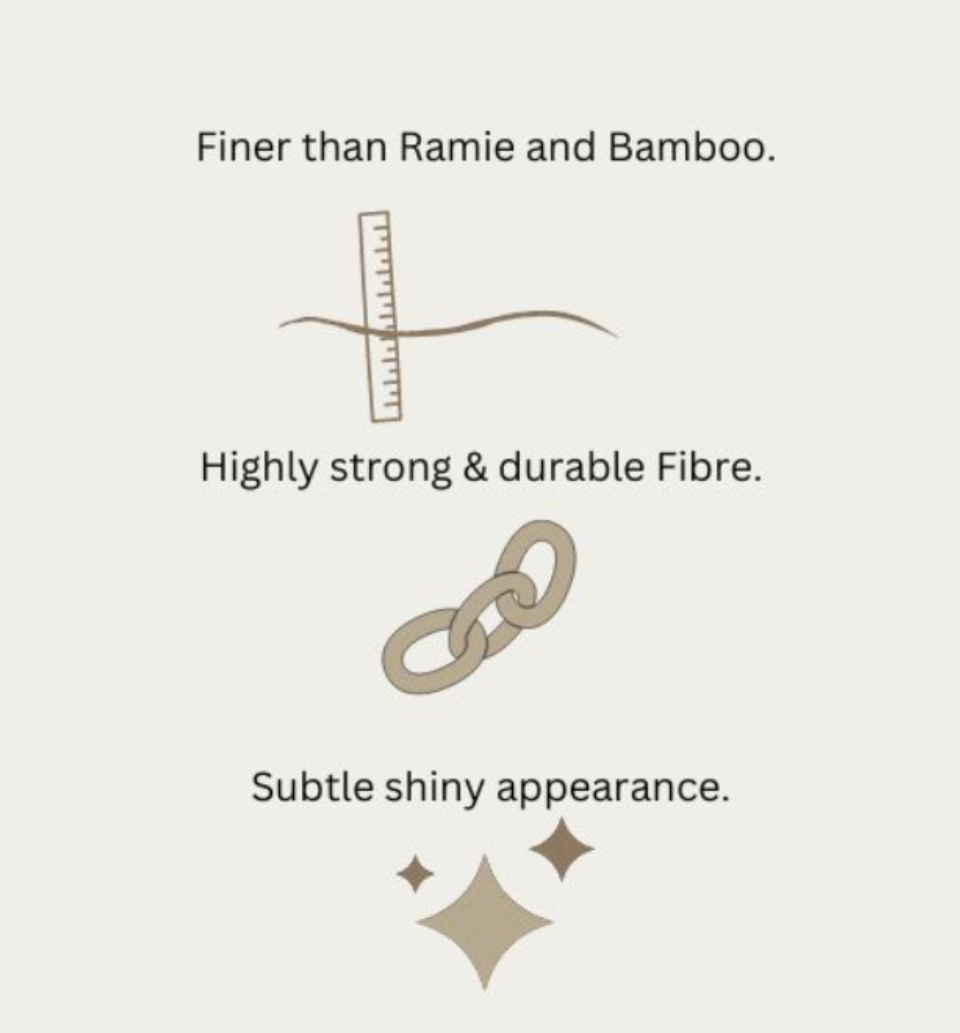
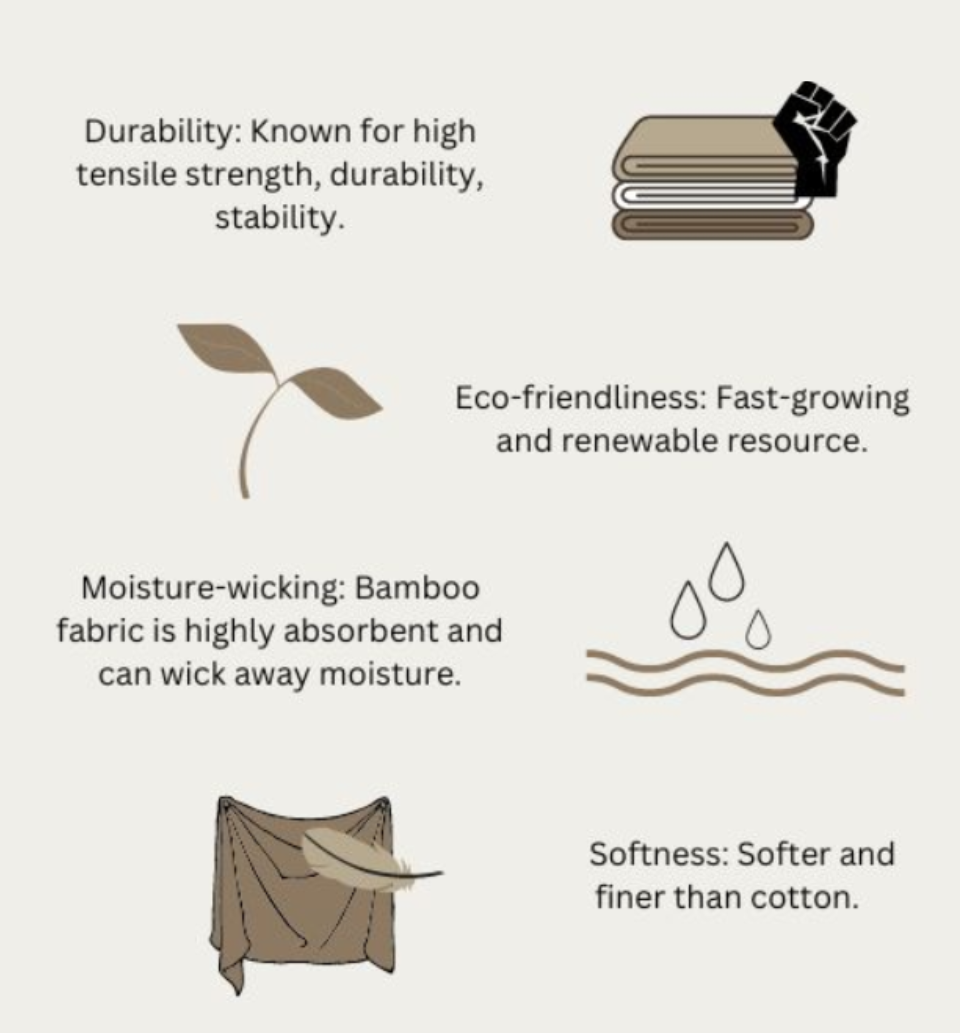
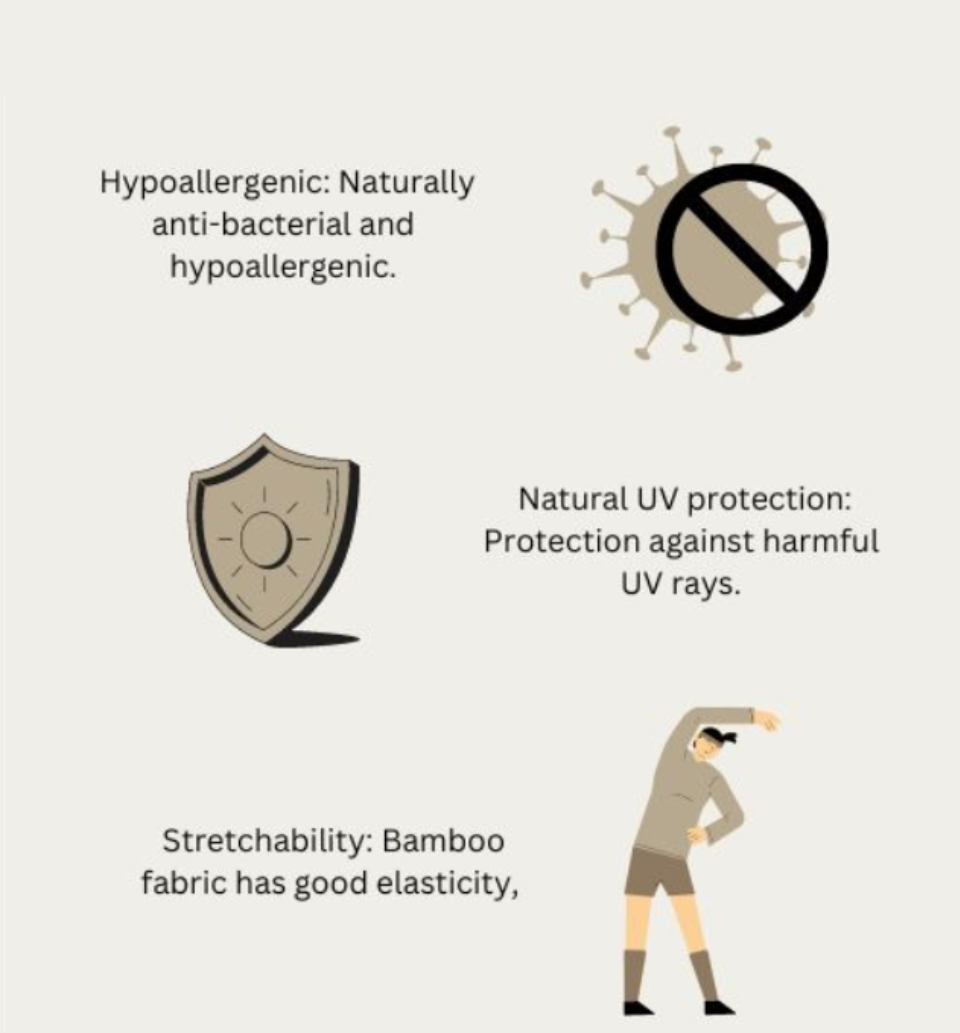
Bamboo fabric is a textile made from the fibers of the bamboo plant. It is soft and durable, with properties similar to cotton. Bamboo fabric is known for its eco-friendliness and sustainability, as bamboo is a fast-growing and renewable resource. Additionally, bamboo fabric is often hypoallergenic, moisture-wicking, and naturally anti-bacterial, making it a popular choice for clothing and home goods.
BENEFITS OF BAMBOO FABRIC
CORN FIBER
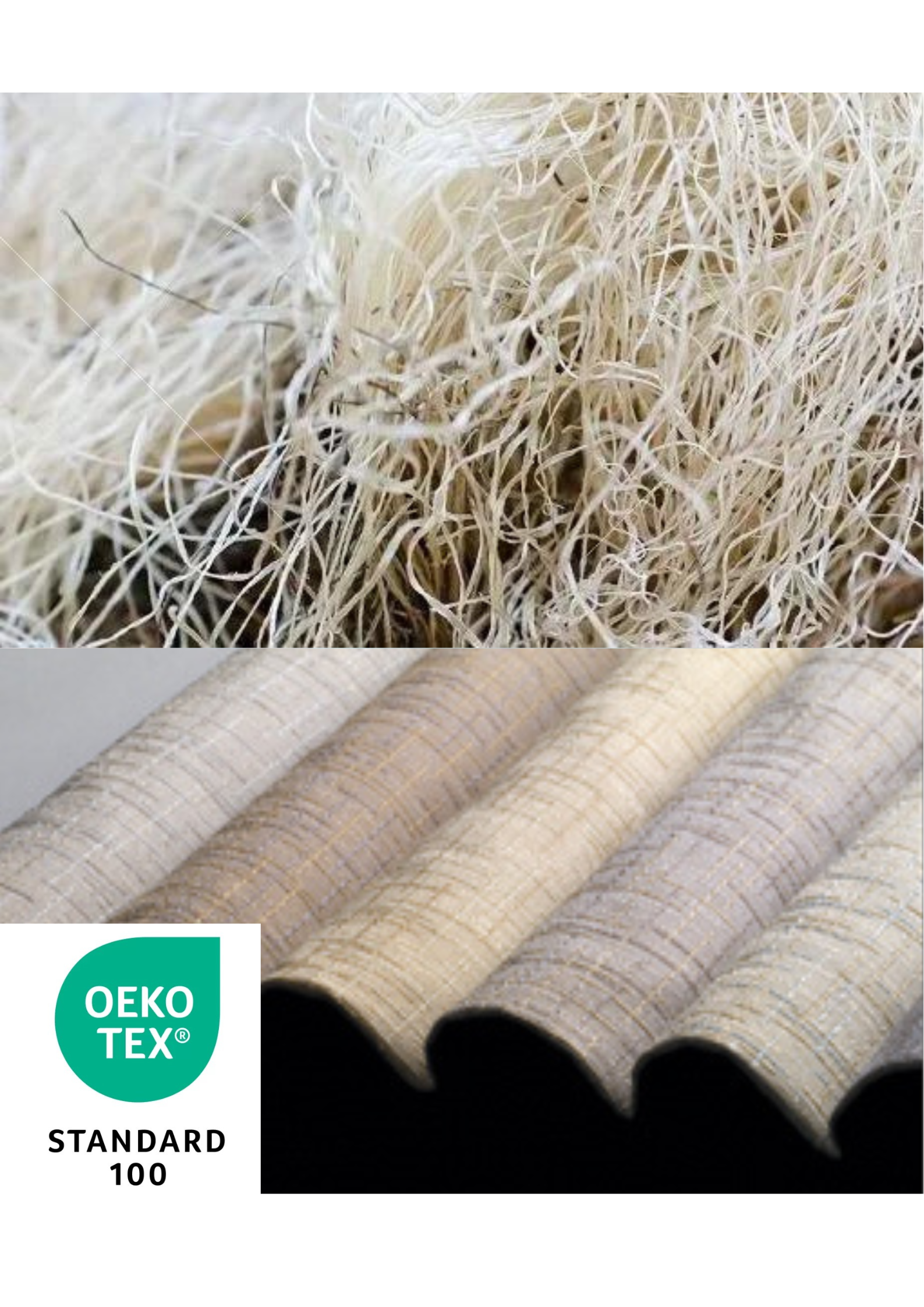
Corn fabric typically refers to textiles made from fibers derived from corn or corn-based materials. The process may involve transforming cornstarch or other components of corn into fibers suitable for weaving or knitting. These fabrics are often considered a part of sustainable and eco-friendly textile options due to the renewable nature of corn as a plant resource.
BENEFITS OF CORN FABRIC
related questions
How is hemp different from other natural fibers like cotton?
arrow_drop_downHemp differs from cotton in several ways: It requires less water and pesticides to grow, grows faster, and produces more fiber per acre. Hemp fibers are also stronger, more durable, and more resistant to mold and UV light compared to cotton fibers.
Can hemp be used as a sustainable alternative to traditional materials?
arrow_drop_downYes, hemp can serve as a sustainable alternative to traditional materials. Its fast growth, minimal need for pesticides and water, as well as its versatility in products ranging from textiles to construction materials, make it environmentally friendly and economically viable for various industries seeking sustainable solutions.
How sustainable is bamboo compared to other materials?
arrow_drop_downBamboo is highly sustainable compared to other materials due to its rapid growth, minimal water and pesticide requirements, and ability to thrive without replanting. Its versatility allows for diverse applications in industries such as construction, textiles, and consumer goods, making it an eco-friendly choice.
How can consumers support the use of sustainable fabric materials?
arrow_drop_downConsumers can support sustainable fabric materials by choosing products made from renewable sources like organic cotton, hemp, bamboo, and recycled materials. They can also prioritize brands committed to eco-friendly production practices and transparent supply chains.
More Stories
organic khadi cotton
natural vegetable dye
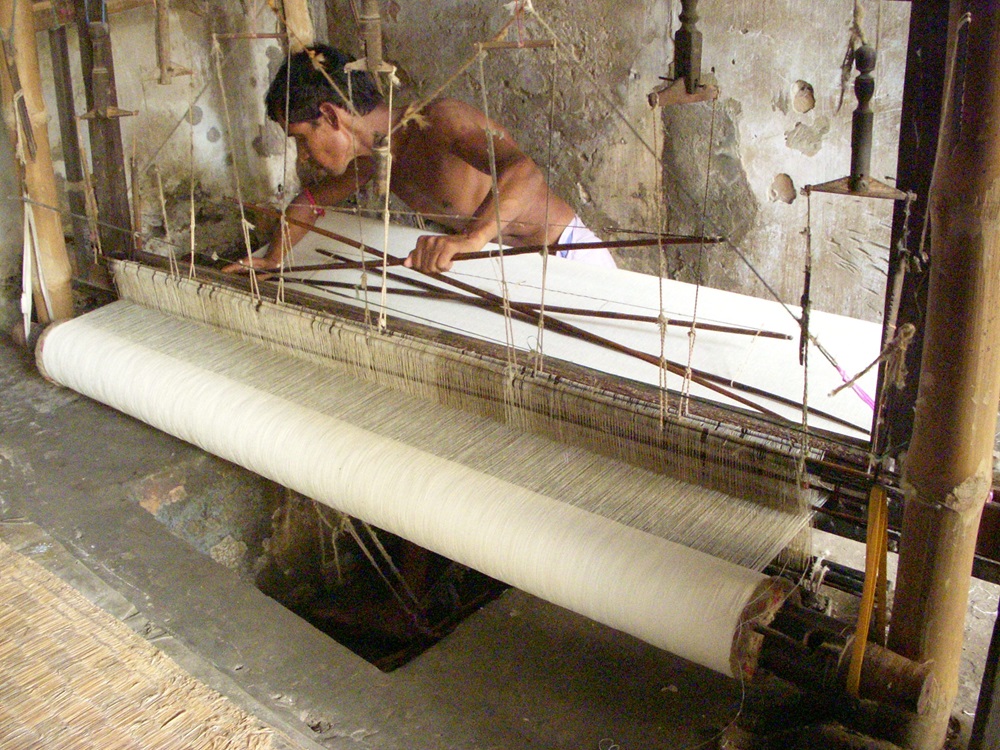
dyeable khadi cotton
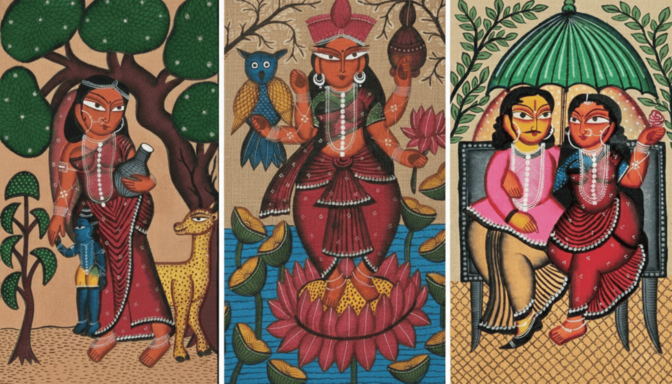
patachittra wall art
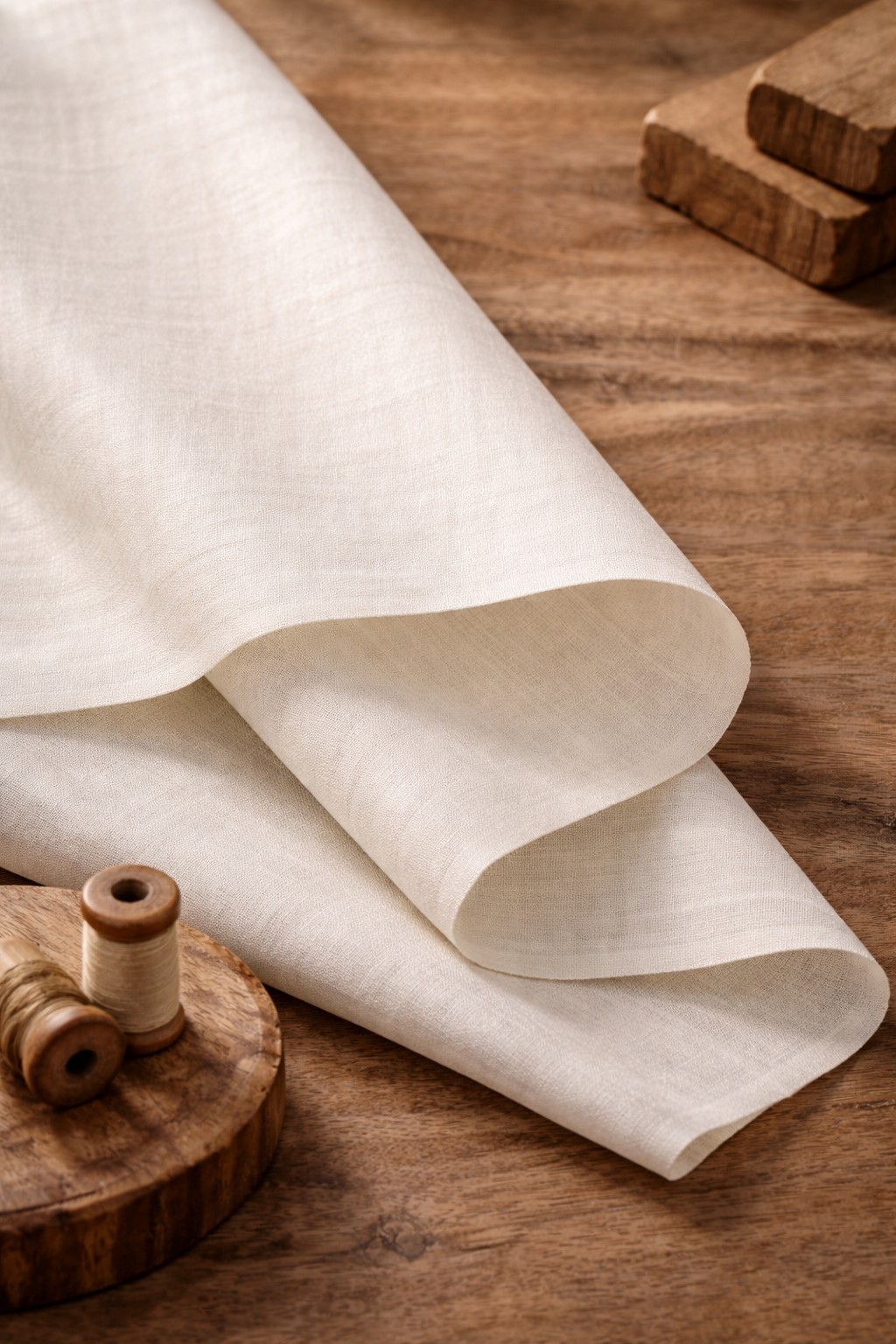
eri peace silk
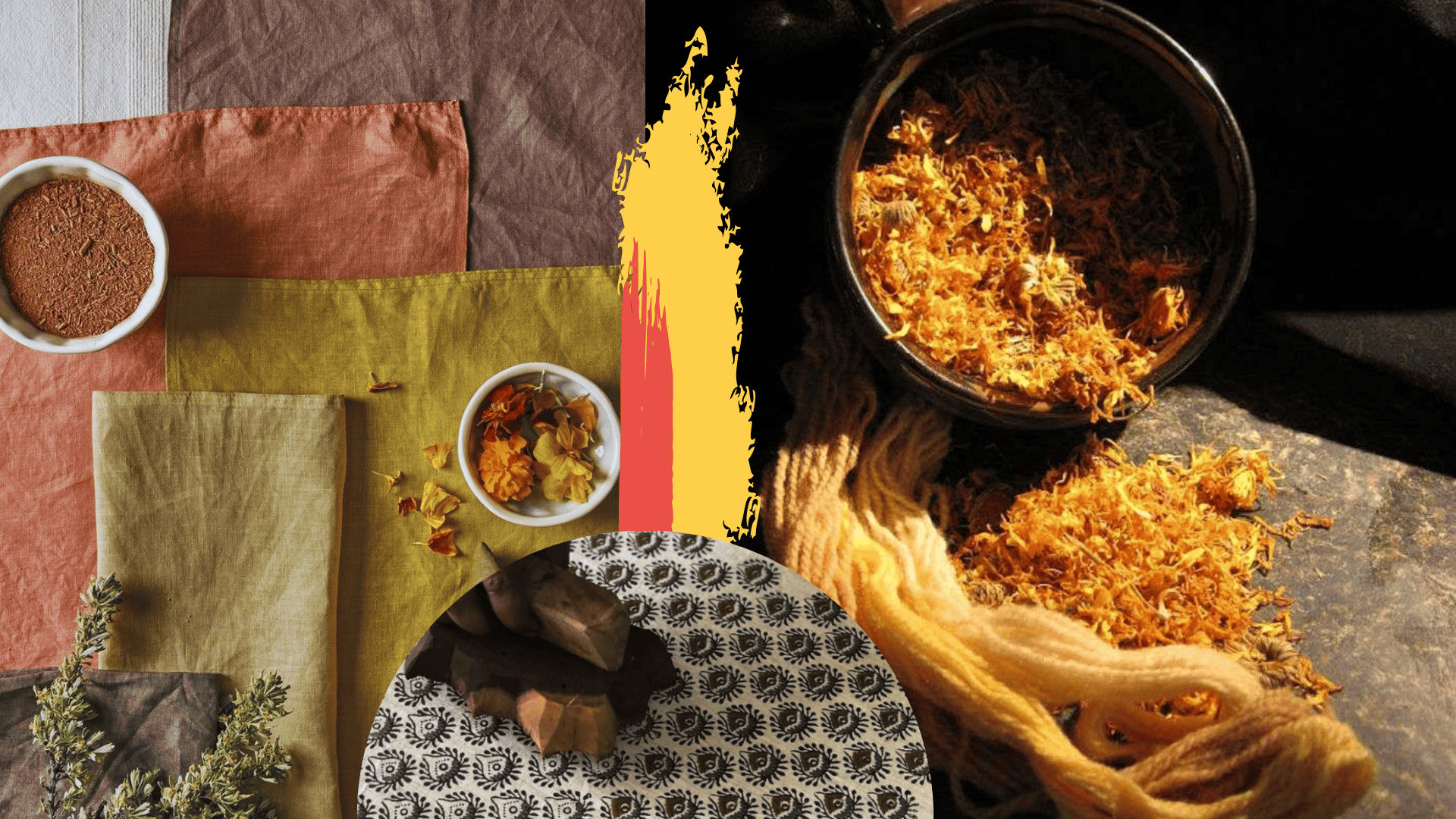
naturally dyed block printing