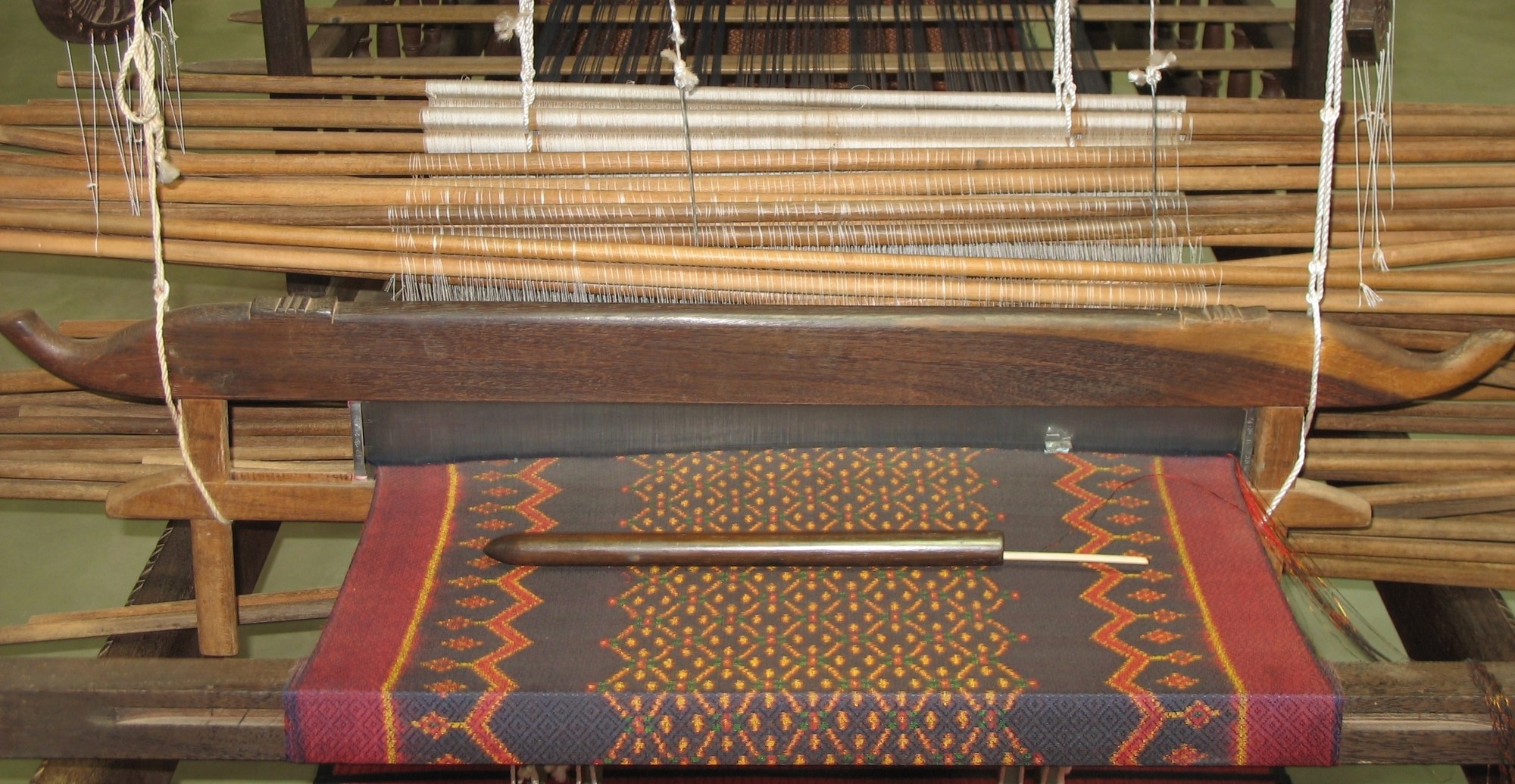
Brocade Fabric: Weaving The Threads Of History And Elegance

In the world of textiles, few fabrics can match the timeless elegance and rich history of brocade fabric. From its ancient origins to its modern applications, brocade has retained its allure and significance, making it a cherished fabric in the realms of fashion, home decor, and culture. Join us as we delve deeper into the intricate tapestry of brocade cloth, exploring its fascinating history, characteristics, diverse uses, and care tips
Anuprerna recognizes the enduring appeal and cultural significance of brocade fabric and cloth. Through commitment to sourcing high-quality brocade fabrics and supporting skilled artisans, Anuprerna ensures that the beauty and craftsmanship of brocade continue to be celebrated and cherished. Our dedication to ethical and sustainable practices further underscores their commitment to the preservation of this cherished textile art form.
What is Brocade?
Brocade is a rich, decorative fabric woven on a loom to create raised patterns that look almost embroidered. It often uses silk or silk blends with metallic threads for a textured, luxurious finish. The design is built into the weave itself, so the motifs appear slightly elevated. It is commonly used in couture, upholstery, occasion wear, and traditional garments.
A Tapestry of History
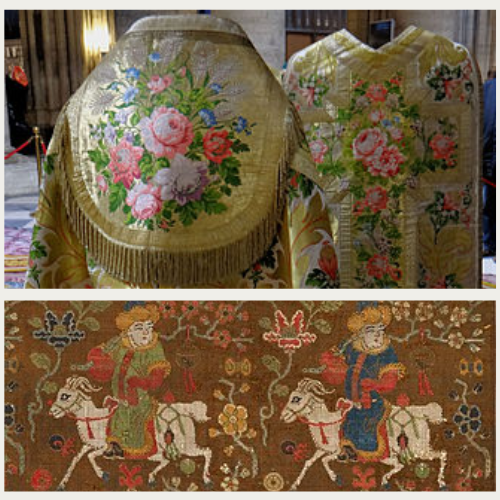
Brocade fabric's story is woven into the annals of human civilization. Its name is believed to have been derived from the Italian word "broccato," meaning "embossed cloth." While brocade's exact origins are a subject of debate, it's commonly associated with China, where it gained prominence during the Tang Dynasty (618–907 AD). As China engaged in trade along the Silk Road, the art of brocade weaving spread to India, Persia, and Europe, leaving an indelible mark on textile history.
The Art of Weaving Brocade
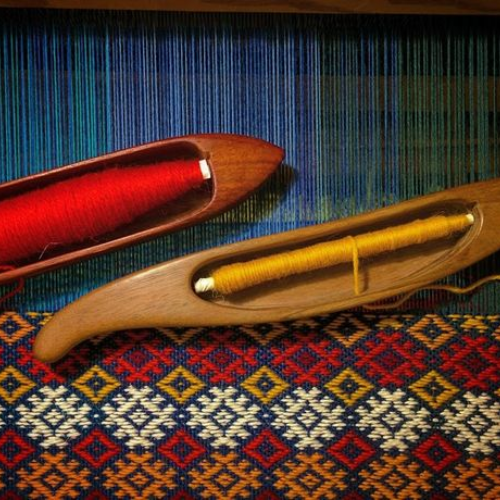
One of the defining features of brocade is its intricate patterns and raised designs, which are woven directly into the fabric. This is achieved through a technique called supplementary weft weaving. In this method, an extra weft thread is introduced into the fabric to create the raised motifs. These patterns can be elaborate, featuring everything from floral and botanical designs to animals, mythical creatures, and geometric shapes.
What sets brocade apart is the inclusion of metallic threads, often gold or silver, which imbue the fabric with a luxurious sheen. These metallic accents catch the light, creating a captivating interplay of textures and colors.
Applications of Brocade Fabric
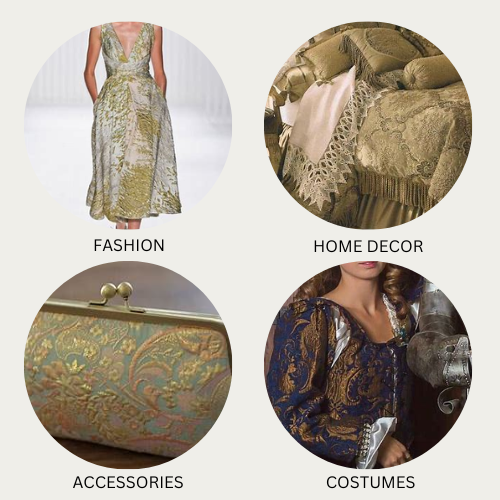
Brocade's versatility has made it a favorite in both fashion and home decor. Here are some of its most common applications:
Fashion: Brocade finds a natural home in the world of fashion. In India, silk brocade sarees are treasured for weddings and special occasions, while in the West, brocade is often used for evening gowns, vests, and jackets. It's also a favorite choice for bridal wear, bringing a touch of opulence to wedding dresses.
Home Decor: Brocade's opulent appearance extends to home decor items like curtains, upholstery, and decorative pillows. A room adorned with brocade can exude luxury and sophistication, making it a popular choice for interior designers.
Accessories: From handbags and clutches to shoes and scarves, brocade adds a touch of glamour to accessories. It can elevate an everyday ensemble or provide a statement piece for special occasions.
Costumes: The world of theater and film often relies on brocade for period costumes and historical reenactments. Its ability to transport audiences to bygone eras is unmatched.
Caring for Brocade Fabric
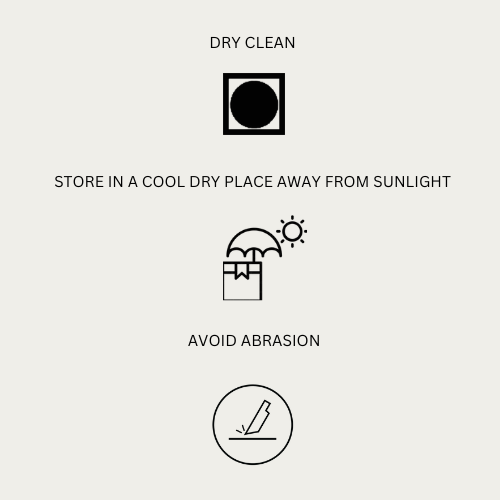
Given its intricate patterns and delicate nature, brocade fabric requires special care:
Dry Cleaning: Dry cleaning is the safest option for cleaning brocade garments and textiles. Professional cleaners are equipped to handle the delicacy of brocade without causing damage.
Storage: To preserve brocade's beauty, store garments in a cool, dry place away from direct sunlight. This helps prevent fading and damage over time.
Avoiding Abrasion: Be mindful of sharp objects or rough surfaces that can snag or pull the delicate threads of brocade.
Brocade's Cultural Significance
Beyond its aesthetic appeal, brocade holds cultural significance in various regions of the world. In India, for example, brocade is not just a fabric but a symbol of tradition, worn during auspicious occasions like weddings and festivals. It carries the weight of history, connecting generations through its timeless allure.
In China, brocade has a long history of being associated with the imperial court. It was reserved for the emperor and high-ranking officials, signifying power and prestige. Today, the art of brocade weaving is still celebrated as a cultural heritage.
related questions
Is brocade fabric good for summer?
Brocade fabric, often made of silk or heavy materials, may not be ideal for summer due to its thickness and lack of breathability. Lighter fabrics are more suitable for hot weather.
What is the history of brocade fabric?
Brocade fabric has a rich history dating back to ancient civilizations, with origins in China and later flourishing in Byzantium and medieval Europe. It gained prominence during the Renaissance and Baroque periods, becoming a symbol of wealth and luxury. Over time, brocade spread globally, evolving in design and technique, and continues to be prized for its intricate patterns and use in high-end fashion and décor.
What is the process of weaving brocade?
Brocade weaving involves creating intricate patterns on a loom by interlacing colored threads, often using silk or metallic yarns.
What are the different types of brocade fabric?
There are various types of brocade fabrics, including silk brocade, metallic brocade, and jacquard brocade, each distinguished by different materials and weaving techniques.
More Blogs
why organic fabric suppliers are growing in india
jacquard fabric in modern fashion
how silk manufacturers preserve traditional craftsmanship
indian fabric wholesale: a guide to sourcing handwoven textiles
how indian fabric exporters meet global quality standards
jacquard vs embroidery: what's the difference?