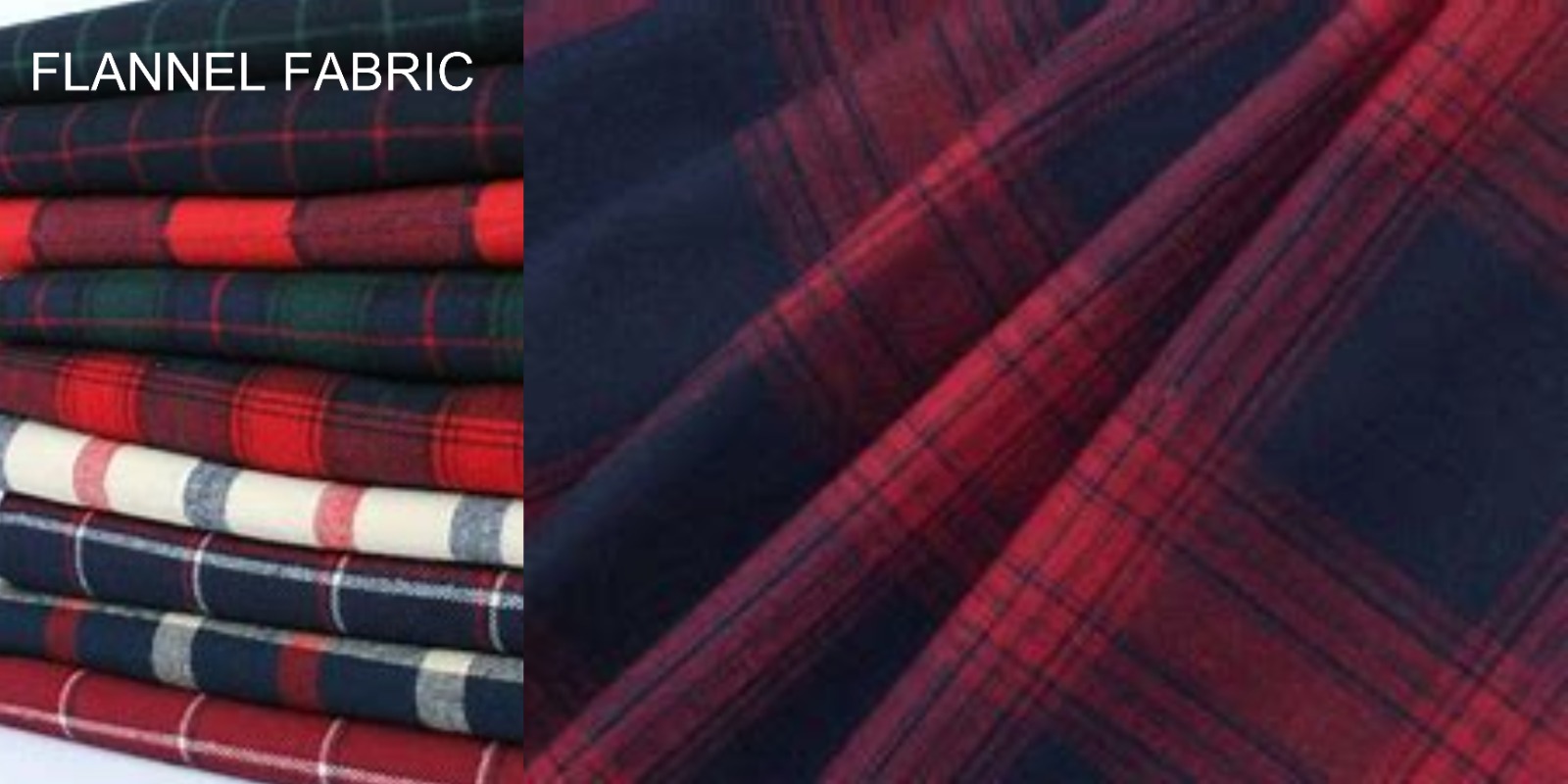
Flannel Fabric: Classic Comfort

Flannel Fabric Is A Soft And Woven Textile That Is Known For Its Fuzzy Surface And Remarkable Warmth. Typically Crafted From Cotton, Wool, Or Blended Cotton Fabric, Flannel Cloth Undergoes A Unique Manufacturing Process That Involves Brushing The Fabric To Raise Fine Fibers From The Loosely Spun Yarn. This Technique Is What Gives Flannel Its Distinct Texture, Making It Perfect For Various Applications.
At Anuprerna, we embrace the warmth and comfort of flannel fabric while upholding our commitment to conscious craftsmanship. We carefully select premium materials for our flannel fabrics, ensuring they are not only luxuriously soft but also responsibly sourced. Our dedication to sustainability extends throughout the production process, from eco-friendly dyeing methods to ethical labor practices.
Origin of Flannel Fabric

The history of flannel shirt traces back to 17th-century Wales, where farmers wore woolen flannel garments to stay warm in harsh conditions. With strong Welsh and Scottish origins, flannel naturally became linked to tartan designs that were deeply embedded in those cultures. As British and American manufacturers started reproducing these traditional patterns, tartan gradually transformed into what we now call plaid. The flannel shirt later gained widespread popularity in the United States through Hamilton Carhartt, who championed durable, practical clothing for railroad workers, making flannel a logical and enduring choice.
The plaid print had long been associated with the flannel shirt, and so it became the traditional look for this particular piece of clothing.
The Production Process of Flannel Cloth
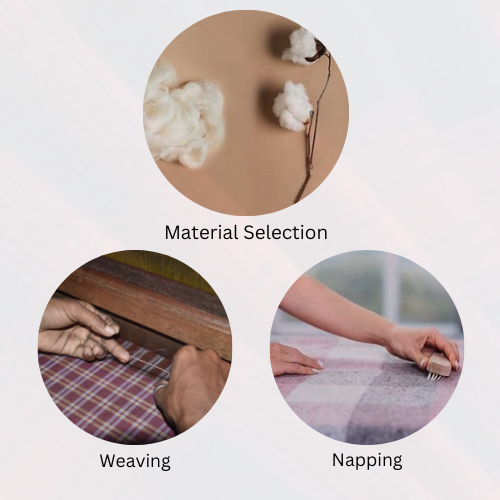
Material Selection: Flannel can be made from cotton, wool, or synthetic fibers. Each material brings its own set of qualities to the table. Flannel Cotton l offers breathability and easy care, while wool flannel provides exceptional warmth.
Weaving: Flannel fabric is commonly woven in a twill or plain weave, giving it a soft drape and a slightly stretchy nature.
Napping: The napping process involves brushing the fabric to raise the fibers, creating that characteristic fuzzy surface. This not only adds to the texture but also enhances the fabric's insulating properties.
Advantages of Flannel Fabric
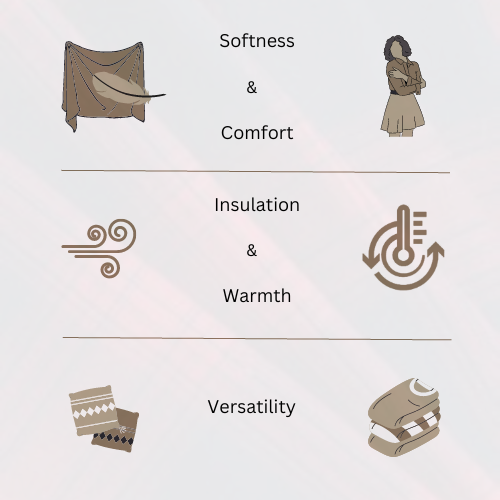
Comfort and Softness: Flannel is renowned for its soft touch against the skin, making it a popular choice for clothing items like pajamas, shirts, and loungewear. You can also explore similar handloom options here
Insulation and Warmth: The napping process not only contributes to its texture but also traps air, providing excellent insulation. This makes flannel an ideal choice for fall and winter garments.
Versatility: Flannel isn't limited to clothing. It's widely used in home decor, such as blankets, throws, and curtains, adding a cozy aesthetic to living spaces.
Applications of Flannel Cloth
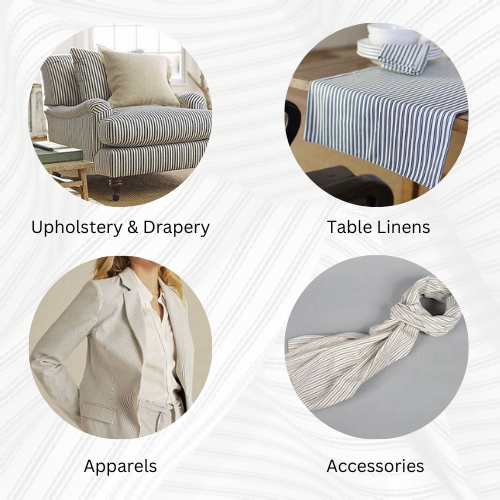
Fashion Industry: Flannel and specially Shirting Flannel has long been a staple in the fashion world, gracing runways and everyday wardrobes. Its adaptability allows designers to create a wide range of garments that cater to various styles and sustainable fashion. Flannel plaid is a smart yet relaxed look that one can wear almost anywhere, the choices are vast when it comes to wool or cotton flannel shirt and skirts.
Home Textiles: Flannel in home textiles balances comfort with practicality. Used in blankets, sheets, pillowcases, and table linens, it adds a sense of warmth and understated luxury to everyday living spaces.
Crafting and DIY: Flannel's pliability makes it a favorite among crafters. Whether you're sewing, quilting, or creating accessories, flannel fabric adds a cozy element to your projects.
Caring for Flannel Fabrics

Flannel’s soft, insulating feel makes it a go-to fabric for shirts and jackets, and with proper flannel fabric care, its comfort and durability can be maintained season after season.
General Care:
- Wash on a gentle cycle with cold water.
- Air dry or use low heat in the dryer.
- Avoid overcrowding during washing and drying.
Dealing with Pilling:
- Use a lint shaver or fabric comb to remove pills.
- Wash items inside out to reduce friction.
- Be mindful of abrasive surfaces to prevent pilling.
- Storage Practices:
- Store clean items in a cool, dry place away from sunlight.
- Fold flannel items instead of hanging to prevent stretching.
- Protect items during off-season storage.
Special Care for Wool Flannel:
- Dry clean wool flannel to prevent damage.
- Air out before storing to prevent odors
related questions
Is flannel fabric good for summer?
arrow_drop_downFlannel fabric is typically not ideal for summer wear. Flannel is known for its warmth and softness, making it more suitable for cooler weather, fall, and winter. The thickness and the way flannel is woven contribute to its insulating properties, which can be too warm for the summer months. If you're looking for a fabric for summer, it's better to choose lightweight and breathable options such as cotton, linen, or chambray that provide better ventilation and comfort in warmer temperatures.
How durable is flannel?
arrow_drop_downFlannel is known for its durability, but the specific durability can vary depending on factors such as the quality of the fabric, the type of fibers used, and the weave. In general, high-quality flannel made from strong and well-spun fibers tends to be more durable. Flannel's durability is often attributed to its thicker and napped surface, which can withstand wear and washing.
What kind of fabric is flannel?
arrow_drop_downFlannel is a soft and warm fabric that is typically made from cotton, wool, or a blend of both fibers. The fabric is known for its slightly napped or brushed surface, which gives it a fuzzy texture. The napping process involves raising the fibers on the surface of the fabric, creating a soft and insulating layer.
Does flannel shrink?
arrow_drop_downYes, flannel can shrink, especially if it is made from natural fibers like cotton or wool. Cotton flannel, in particular, is prone to shrinking when exposed to heat and moisture, such as during washing and drying.
What is Flannelette?
arrow_drop_downFlannelette is a soft, lightweight cotton fabric that’s brushed to create a fuzzy, warm surface. It mimics the feel of flannel but is usually made from cotton instead of wool. The brushing gives it extra warmth and comfort, which makes it common for shirts, sleepwear, and cozy bedding.
More Blogs
the designer’s guide to eri silk: mastering gsm, textures, and drape for sustainable fashion
eri silk vs. mulberry silk: a performance comparison for sustainable fashion brands
khaadi online shopping: technical analysis of khadi vs. powerloom cotton for fashion production
from sericulture to spun yarn: a deep dive into the artisanal raw silk production process
raw silk vs. mulberry silk: a technical comparison for textile designers
the ultimate sourcing guide to raw silk fabric: properties, weights, and creative uses