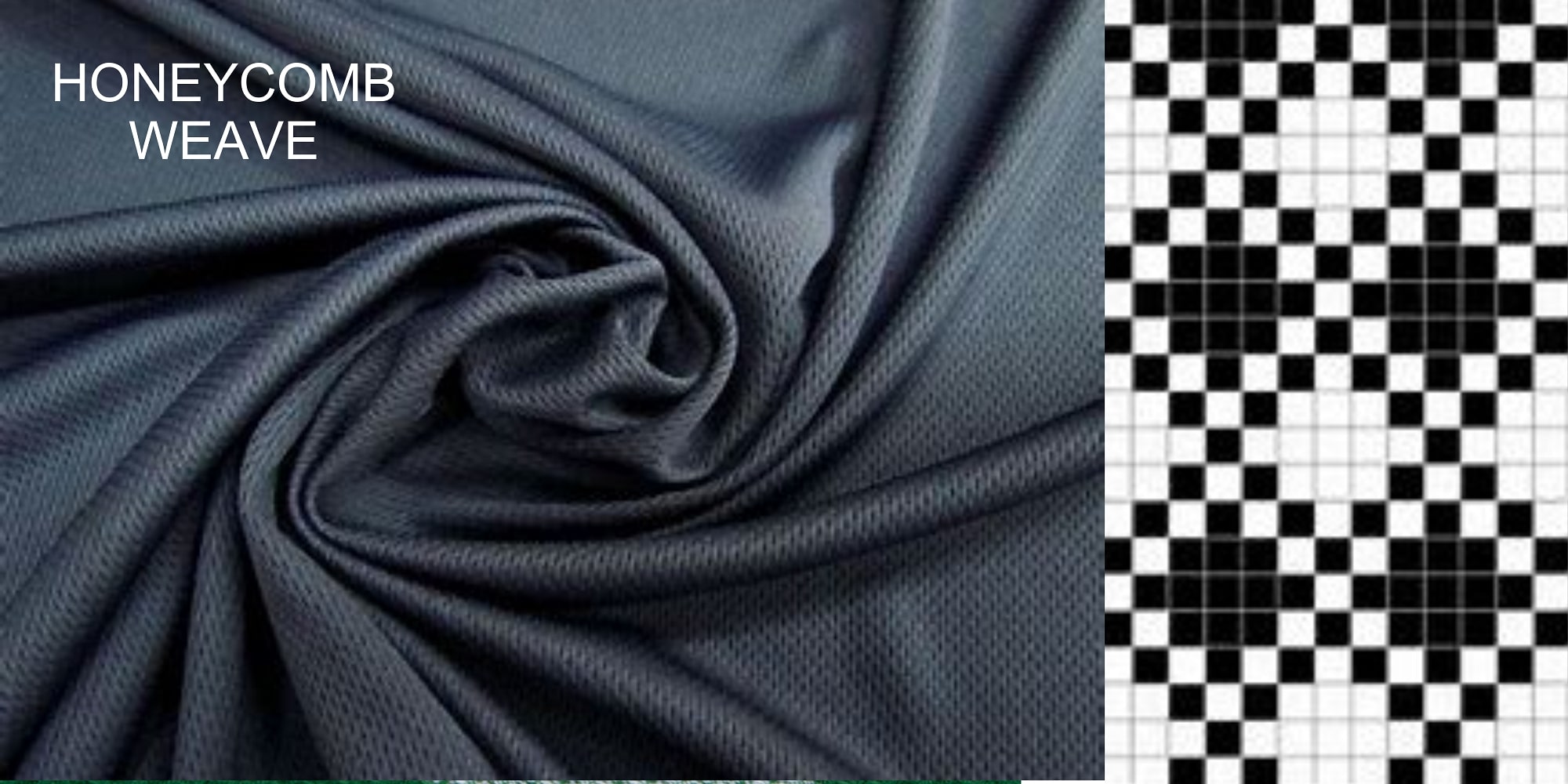
Honeycomb Weave Fabric

Many people confuse honeycomb and waffle weaves because both create textured, cell-like surfaces. The difference lies in structure and depth. Honeycomb weave forms small hexagonal cells with a more compact, stable texture, often used in breathable shirting or lightweight fabrics. Waffle weave creates deeper, square pockets that trap air and moisture, making it thicker and highly absorbent, which is why it is commonly used in towels, robes, and thermal fabrics.
At Anuprerna, honeycomb weaves are chosen for this balance of refined texture, durability, and functional performance across fashion and interior applications.
Understanding the Honeycomb Weave
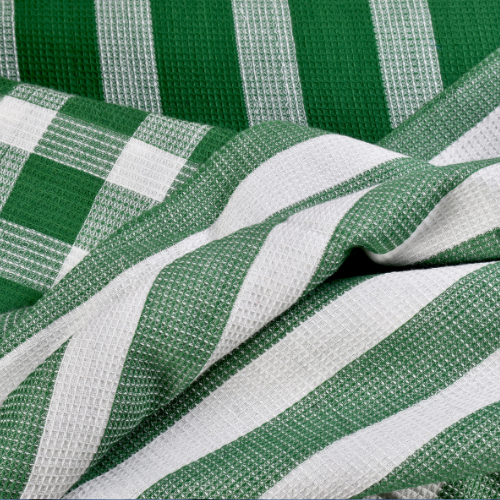
The honeycomb weave, also known as the waffle weave, is a captivating textile pattern that resembles the intricate cells of a honeycomb. This weave is characterized by its three-dimensional, raised hexagonal cells that create a stunning visual and tactile effect. To achieve this fascinating texture, the weave alternates between floating and taut yarns, resulting in a fabric that's both luxurious and functional.
Types of Honeycomb Design
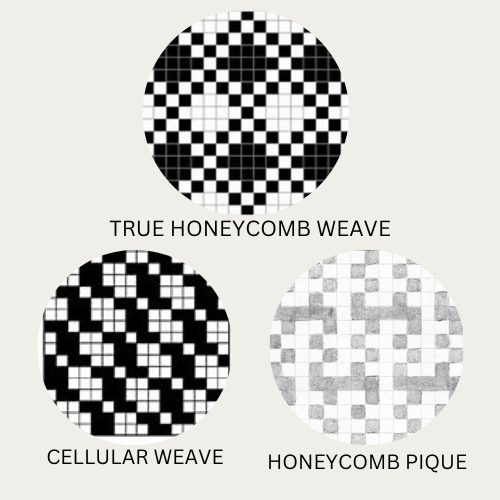
True Honeycomb Weave: This classic iteration of the honeycomb weave creates uniform hexagon patterns across the fabric. It's commonly used in homeware, towels, bathrobes, and blankets due to its excellent absorbency and insulating properties, especially found in handloom weaves.
Cellular Weave: Similar to the true honeycomb weave, the cellular weave introduces variations in cell size and shape, allowing for more design possibilities. This weave finds its place in garments, upholstery, and even high-end automotive interiors.
Honeycomb Pique: This variant of the honeycomb weave employs finer yarns, resulting in a smoother texture. It's widely favored for polo shirts, dresses, and other apparel items that require a blend of comfort and style.
The Manufacturing Process of Honeycomb Weave
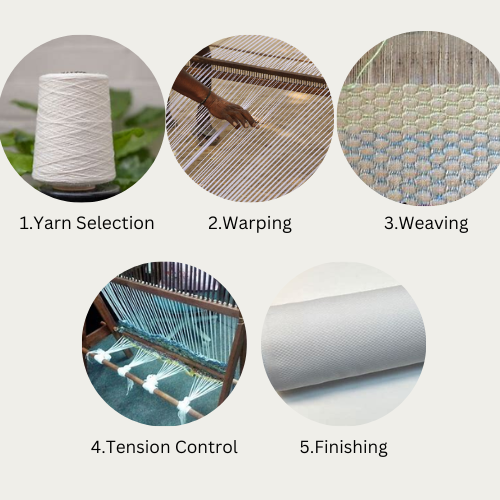
The creation of honeycomb pattern textiles involves a meticulous process that combines artistry and technical precision. Here's an overview of the manufacturing process:
Yarn Selection: The process begins with the careful selection of yarns, which play a crucial role in determining the final texture, feel, and appearance of the fabric.
Warping: Yarns are wound onto a warp beam, creating the base for the weaving process. Proper tension and alignment are crucial to ensure consistent cell formation.
Weaving: The weaving process involves the interlacing of the warp and weft yarns using specialized looms. The handloom weavers complete the alternation of floating and taut yarns creates the distinctive honeycomb cells.
Tension Control: Maintaining precise tension during weaving is essential to achieve uniform cell sizes and overall fabric integrity.
Finishing: After weaving, the honeycomb fabric undergoes finishing processes such as washing, natural dyeing, and heat setting to enhance its texture, color, and durability.
Best use of the Honeycomb Weave
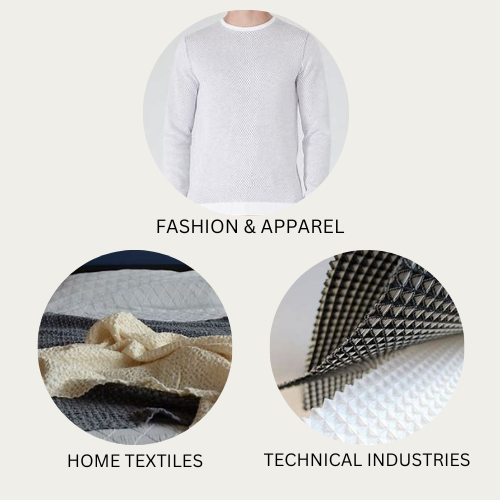
The versatility of the honeycomb weave transcends traditional textile boundaries, finding its way into various industries and applications.
Fashion and Apparel
Honeycomb weave fabrics offer a delightful tactile experience and a distinctive aesthetic appeal, making them a preferred choice for fashionable clothing. From casual wear to haute couture, the unique texture of honeycomb fabrics adds depth and character to garments.
Home and Interior Textiles
The honeycomb weave's ability to trap air within its cells makes it an exceptional insulator. This property makes it perfect for home textiles such as blankets, throws, and upholstery, providing both warmth and style to living spaces.
Technical and Industrial Textiles
Beyond fashion and home use, the honeycomb weave proves its mettle in technical and industrial applications. Its durability, breathability, and moisture-wicking properties make it ideal for sportswear, outdoor gear, and even medical textiles.
Advantages of Choosing Honeycomb Weave
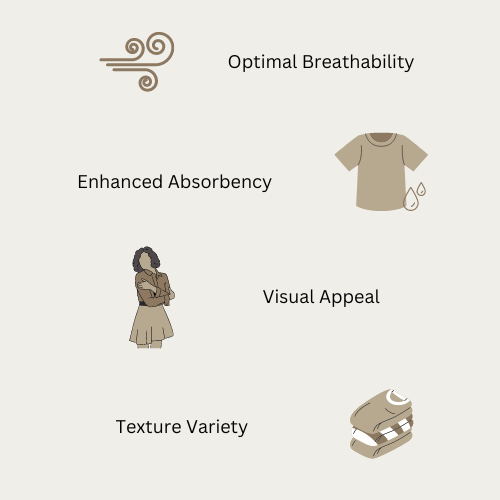
Optimal Breathability: The three-dimensional structure of the honeycomb weave allows for excellent air circulation, enhancing comfort in both clothing and bedding.
Enhanced Absorbency: In fabrics like towels, the honeycomb weave's cells create additional surface area, boosting absorbency and quick drying.
Visual Appeal: The intricate pattern of the honeycomb weave adds a touch of elegance and uniqueness to any textile product.
Texture Variety: With different types of honeycomb weaves available, designers have the freedom to experiment with textures and create truly innovative products.
related questions
How honeycomb weave is made?
arrow_drop_downHoneycomb weave is made using a variation of the plain weave technique, where certain warp and weft yarns are selectively raised and lowered to create a three-dimensional texture resembling a honeycomb or waffle pattern.
What are the properties of honeycomb weave?
arrow_drop_downThe properties of honeycomb weave include absorbency, softness, insulation, durability, and breathability.
Is honeycomb fabric stretchable?
arrow_drop_downHoneycomb fabric typically does not have significant stretchability. It is often made from cotton or other natural fibers that have limited elasticity. However, some variations of honeycomb fabric may incorporate stretch fibers like elastane (spandex) to provide a degree of stretchiness
What are the benefits of honeycomb weave fabric?
arrow_drop_downThe benefits of honeycomb weave fabric include enhanced absorbency, softness, insulation, durability, and breathability.
More Blogs
the designer’s guide to eri silk: mastering gsm, textures, and drape for sustainable fashion
eri silk vs. mulberry silk: a performance comparison for sustainable fashion brands
khaadi online shopping: technical analysis of khadi vs. powerloom cotton for fashion production
from sericulture to spun yarn: a deep dive into the artisanal raw silk production process
raw silk vs. mulberry silk: a technical comparison for textile designers
the ultimate sourcing guide to raw silk fabric: properties, weights, and creative uses