Mastering The Satin Weave Pattern: Characteristics And Uses

Designers creating evening wear or bridal collections often face a difficult choice between the luxurious drape of synthetic fabrics and the environmental cost of microplastics. The satin weave pattern offers a historical solution to this tension, delivering an exceptionally smooth, reflective surface that defines premium apparel. Sourcing authentic, natural-fiber satin directly impacts a garment's longevity, dye uptake, and the brand's sustainability narrative. Moving away from mass-produced polyester requires understanding how this specific interlacement behaves when woven by hand using indigenous silks and fine cottons.
The Architecture of the Satin Weave Pattern: Floats, Luster, and Drape
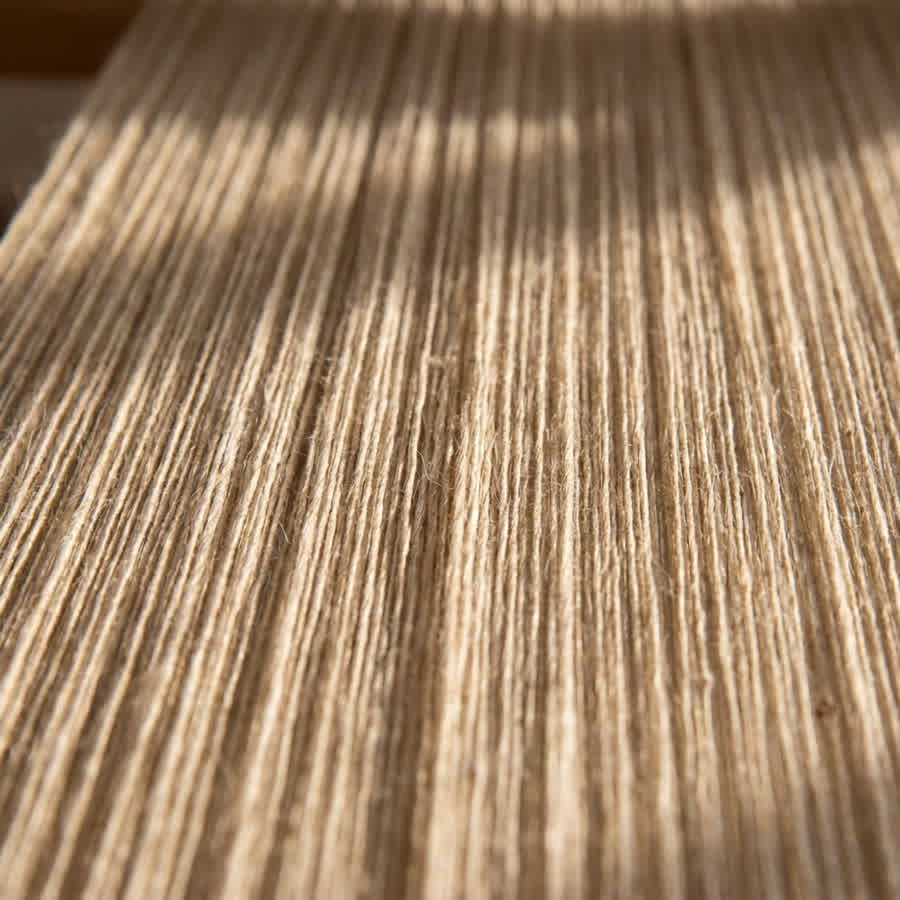
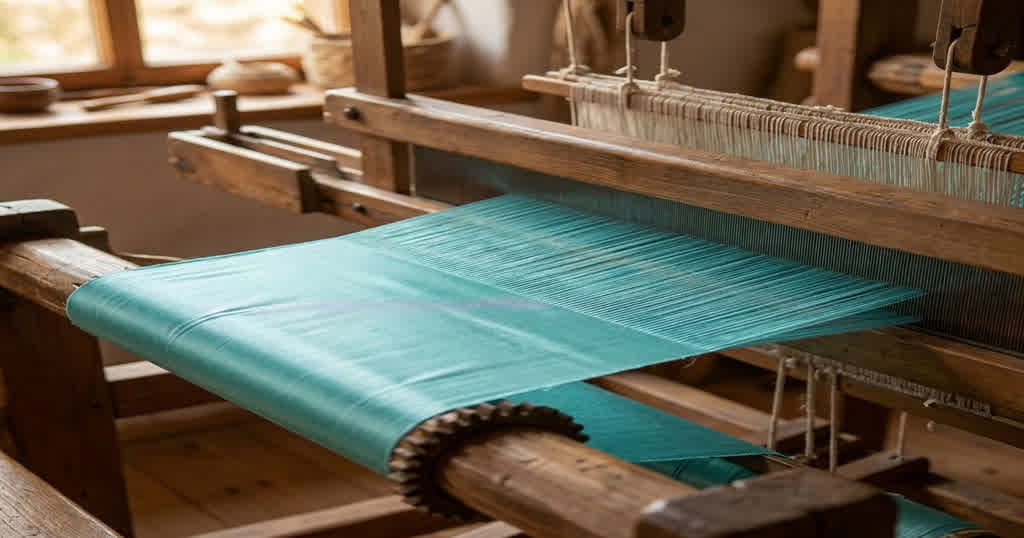
The architecture of the satin weave pattern relies on minimal interlacement, where four or more warp yarns pass over a single weft yarn to create a highly reflective, smooth surface. This structure reduces light scattering, resulting in the signature sheen and an exceptionally high drape coefficient.
Understanding Warp and Weft Interlacement
The defining characteristic of this textile is the presence of long floats, which are lengths of yarn that cross over multiple perpendicular yarns before interlacing. In a traditional warp-faced satin, the warp yarns dominate the face of the fabric. Conversely, a weft-faced sateen exposes the weft yarns across the surface.
This specific interlacement dictates the physical properties of the fabric:
- Light reflection: The uninterrupted surface of the floats reflects light evenly, creating a high-gloss finish.
- Fluid drape: Fewer interlacing points mean the yarns can shift easily, allowing the fabric to mold to the body.
- Tensile strength trade-off: The long floats reduce resistance against snagging and abrasion compared to plain or twill weaves.
The Role of Yarn Density and History
The visual impact of the satin weave pattern depends heavily on yarn density. A high ends per inch (EPI) count packs the warp yarns tightly together, concealing the binding points. This density requires precise tensioning during the weaving process to maintain a uniform surface. When executed correctly, the resulting fabric possesses a liquid-like hand-feel that defines luxury textiles.
The technique originated in the Chinese port city of Quanzhou, historically known as Zaitun, and was heavily traded along the Silk Road. Today, this ancient technique has been adapted by rural Indian artisans. They utilize indigenous silks and fine cottons to create luxurious, lustrous drapes without the use of mechanized power looms.
Handloom Mastery: Engineering Satin Without Power Looms
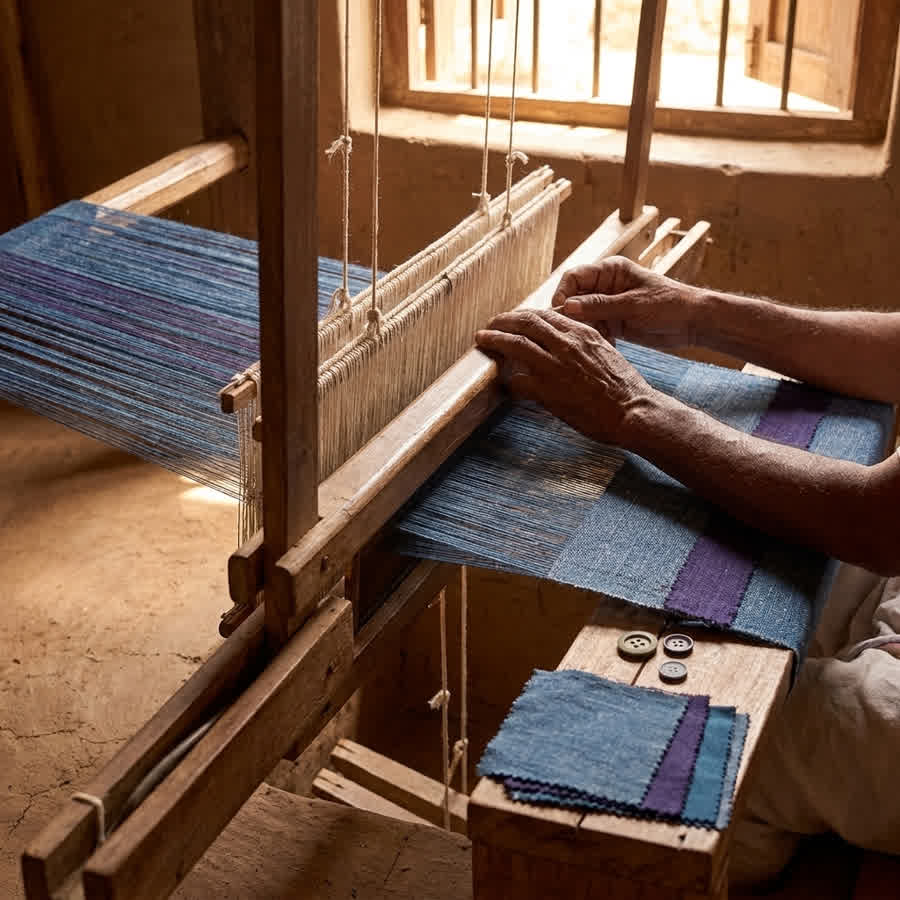
Engineering satin without mechanized power looms requires rural Indian artisans to use specialized drafting and tensioning techniques on traditional pit and frame looms. This manual process maintains consistent float lengths and prevents snagging, ensuring the fabric meets commercial standards.
Tension Control on Pit and Frame Looms
Creating the satin weave pattern by hand is a complex mathematical exercise. Weavers must calculate the exact lifting sequence for the use to create the staggered binding points. Maintaining consistent warp tension is critical. Any variation will cause the long floats to pucker or loop unevenly.
Our artisans employ specific techniques to manage this complexity:
- Use drafting: Artisans meticulously thread the warp yarns through multiple heddles to achieve the required 5-end or 8-end repeat.
- Beat-up force: The weaver applies precise, uniform force with the reed to pack the weft yarns tightly without breaking the delicate silk.
- Selvedge management: Careful handling of the edges prevents the high-density warp from curling inward.
Adapting Ancient Techniques for Modern Quality
While the satin weave pattern has ancient origins, adapting it for modern sourcing requires strict quality control. Our artisans in rural clusters utilize generations of inherited knowledge to manage the delicate indigenous silks and fine cottons. This manual intervention results in slight, organic variations that serve as a hallmark of authentic handloom luxury.
Unlike power looms that force yarns into rigid grids, hand-weaving allows the natural fibers to retain their inherent elasticity. The result is a soft, breathable hand-feel that cannot be replicated by industrial machinery. This meticulous engineering directly counters the market saturation of cheap, synthetic alternatives. By relying on human skill rather than electricity, the process also maintains a strictly low carbon footprint.
Material Matters: Silk, Cotton, and Sustainable Satin Variations
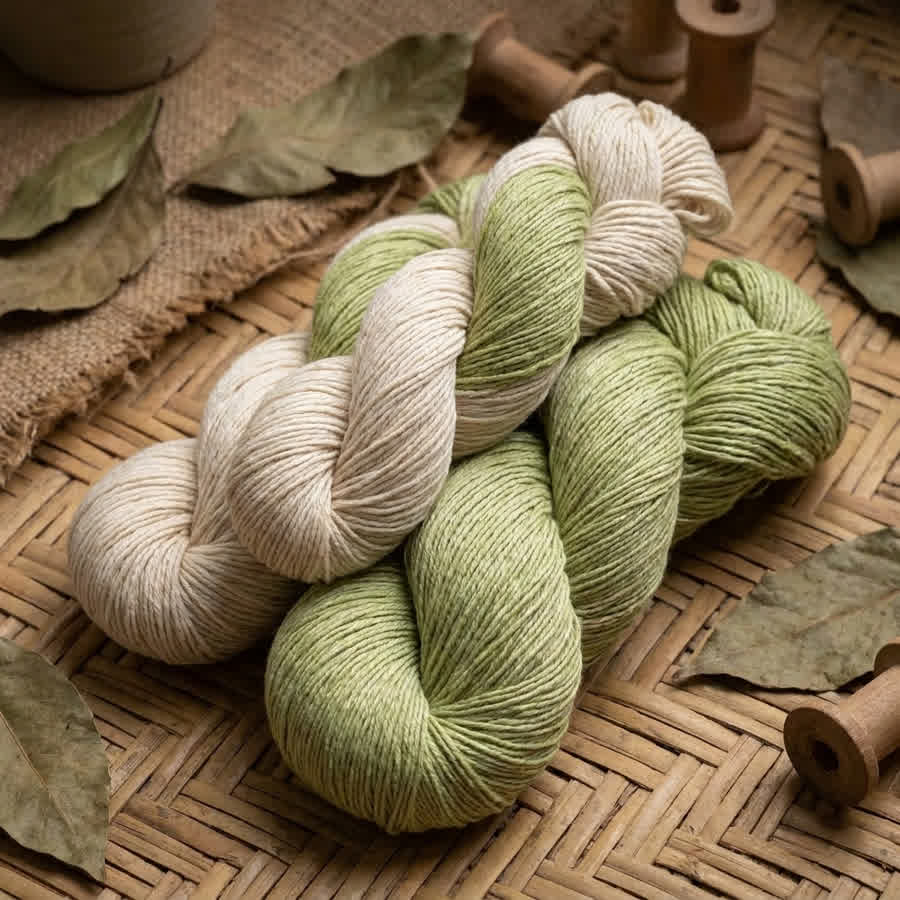
The behavior of the satin weave pattern shifts significantly depending on the fiber, with silk offering maximum luster and drape, while cotton sateen provides heavier structural integrity. Utilizing eco-friendly yarns like Ahimsa silk and organic cotton allows brands to achieve premium aesthetics with a low carbon footprint.
Indigenous Silks and Their Properties
Silk is the traditional fiber for this weave due to its continuous filament structure, which naturally enhances the reflective properties of the long floats. We work extensively with Mulberry silk, which offers a brilliant white base for vibrant dye uptake. For brands focused on cruelty-free sourcing, Ahimsa silk provides a slightly more textured but equally luxurious alternative.
These natural fibers dictate the technical specifications of the fabric:
- GSM range: Typically falls between 80 and 150, depending on the yarn denier and use setup.
- Sericin retention: Careful processing retains enough natural protein to give the fabric a smooth, crisp hand-feel.
- Thermal regulation: Natural silk breathes efficiently, unlike synthetic polyester alternatives.
The Cotton Sateen Alternative
When a design requires more structure, a weft-faced sateen woven from fine cotton is an excellent choice. This variation uses spun staple fibers rather than continuous filaments, resulting in a subtle sheen rather than a high gloss. Cotton sateen can reach up to 250 GSM, making it ideal for structured garments or premium linings.
By selecting organic cotton yarns, designers can maintain their zero-waste credentials while utilizing a highly durable fabric. The heavier weight of the cotton variation compensates for the reduced tensile strength inherent to the satin weave pattern. This makes it a versatile option for collections that require both elegance and everyday wearability.
B2B Applications: Designing and Manufacturing with Handwoven Satin
A strong B2B applications for handwoven satin include bridal wear, evening gowns, and luxury linings, requiring specific GSM selections and careful cutting techniques during production. Procurement teams must balance the desired aesthetic of the satin weave pattern with the practical realities of garment construction and durability.
Strategic GSM Selection for Garment Types
Matching the fabric weight to the end-use is a critical decision for any design team. A lightweight 80 GSM silk satin is well suited for bias-cut slips and delicate camisoles. Conversely, structured bridal gowns require a denser fabric, often pushing past 150 GSM to support complex tailoring.
Designers should consider these weight categories for specific applications:
- Evening wear: Mid-weight satins (100-120 GSM) offer the ideal balance of opacity and fluid drape.
- Luxury linings: Lighter weights provide a frictionless, cool touch against the skin, improving garment comfort.
- Tailored separates: Heavier cotton sateens (200-250 GSM) hold sharp creases and resist bagging at the seams.
Cutting and Sewing Considerations
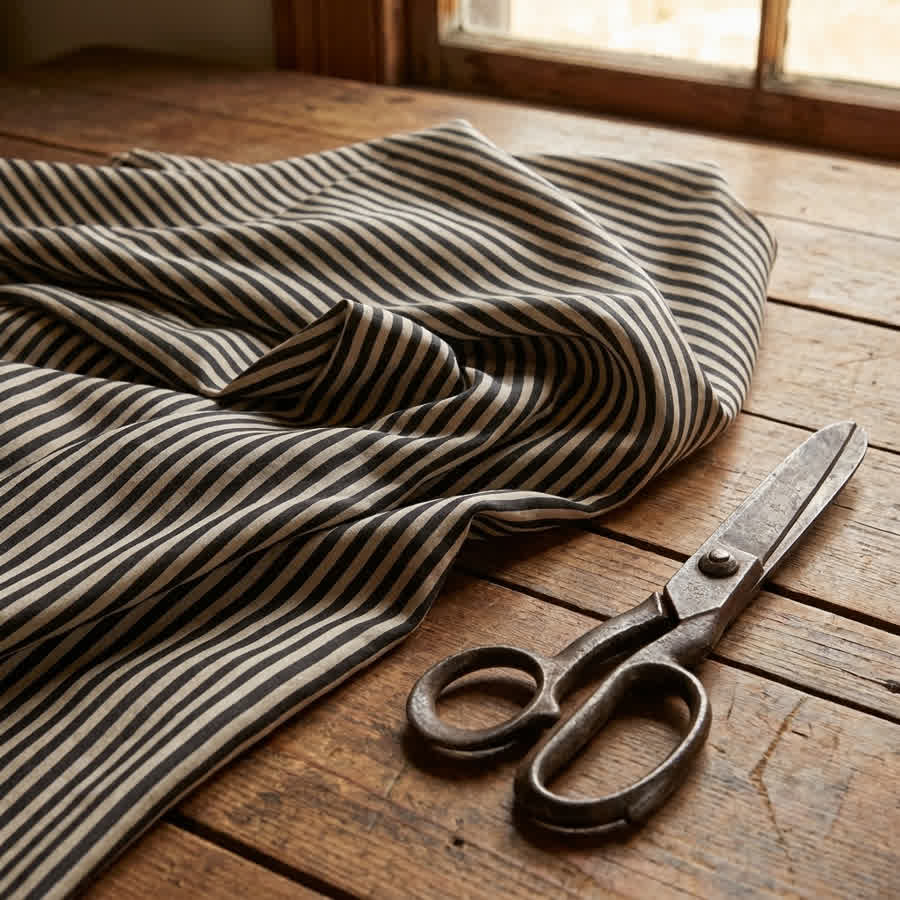
Manufacturing with the satin weave pattern presents specific challenges on the cutting room floor. The smooth surface makes the fabric slippery, requiring serrated shears or rotary cutters to prevent shifting during pattern layout. Seam slippage is a common issue due to the minimal interlacement of the yarns, especially in high-stress areas of the garment.
Designers should specify French seams or bound edges to protect the long floats and ensure garment longevity. Using fine, sharp needles prevents snagging the delicate surface during construction. Proper handling during the manufacturing phase ensures the final garment retains the high-end luxury aesthetic expected by eco-conscious consumers. Additionally, allowing the fabric to rest before cutting helps manage the natural elasticity of the handloomed fibers.
Ethical Sourcing: The Anuprerna Decentralized Artisan Model

The Anuprerna decentralized artisan model supports ethical sourcing by empowering rural weavers, ensuring complete traceability, and providing global brands with authentic, premium handwoven satin. This system directly counters the market saturation of cheap, synthetic fabrics by prioritizing a low carbon footprint and fair labor practices.
Empowering Rural Handloom Clusters
We currently work with multiple artisan clusters across rural India, preserving the heritage of the satin weave pattern. By decentralizing production, we allow weavers to work within their communities rather than migrating to urban factories. This model provides reliable income and preserves specialized skills that are at risk of being lost to mechanization. The intricate tensioning required for satin is a skill passed down through generations.
Our approach to sourcing offers distinct advantages for fashion brands:
Empowering Rural Handloom Clusters (continued)
- Low MOQ access: We enable boutique brands to source premium textiles without committing to massive industrial minimums.
- Supply chain traceability: Every meter of fabric can be traced back to the specific artisan cluster where it was woven.
- Ethical empowerment: Fair wages and safe working conditions are non-negotiable standards across all our partnerships.
Building a Sustainable Brand Narrative
For a fashion brand, the decision to source handloomed satin is a powerful marketing asset. Consumers are increasingly demanding transparency and rejecting the environmental damage caused by synthetic polyester satins. Partnering with a decentralized artisan supply chain allows designers to validate their ethical storytelling with concrete facts.
The resulting garments offer the aesthetic of high-end luxury combined with verifiable ESG goals, creating a compelling value proposition. By choosing handwoven textiles, brands actively participate in preserving a centuries-old craft while meeting the modern demand for sustainable, high-performance materials.
Explore Our Collection
Anuprerna works directly with handloom artisan clusters to weave satin weave pattern for designers and brands building considered collections. To source it for your next line, explore the range below.
frequently asked questions
What is the technical difference between satin and sateen in a B2B sourcing context?
Satin is typically a warp-faced weave utilizing continuous filament fibers like silk to maximize luster, whereas sateen is a weft-faced weave traditionally using spun staple fibers like cotton. Both utilize the float principle but yield different structural integrities, GSMs, and tactile finishes. Sourcing teams must choose based on whether the garment requires the high gloss of a **warp-faced satin** or the heavier structure of sateen.
How does the float length affect the durability of the satin weave pattern?
Longer floats significantly increase luster and drape but are more prone to snagging and abrasion due to exposed yarns. For high-wear garments, a 5-use satin offers a more commercially viable balance of durability and sheen compared to an 8-use setup. Designers must weigh the visual impact of the **long floats** against the practical wearability of the final piece.
Can handloom artisans consistently produce high-quality satin weaves for commercial production?
Yes, highly skilled artisans use specialized drafting and tensioning techniques on traditional looms to ensure consistent float lengths. While slight organic variations are a hallmark of authentic **handloom luxury**, strict quality control in a decentralized model ensures the fabric meets commercial standards. This meticulous process guarantees that the **satin weave pattern** performs reliably during garment manufacturing.
What is the typical GSM range for handwoven silk satin?
Handwoven silk satin typically ranges from 80 GSM for lightweight luxury linings and bias-cut slips, up to 150+ GSM for structured bridal or evening wear. The exact weight depends heavily on the yarn denier and the specific use setup used by the weaver. Selecting the correct GSM is crucial for achieving the desired **fluid drape** and structural support.
Why is handwoven satin considered a more sustainable option than conventional polyester satin?
Handwoven satin is considered more sustainable because it utilizes natural, biodegradable fibers and operates on a zero-electricity handloom process, resulting in a significantly lower carbon footprint. Conventional polyester satin relies on petroleum-based synthetics that shed microplastics and require energy-intensive manufacturing. By sourcing handloomed **indigenous silks**, brands align their production with strict environmental and ethical standards.
More Blogs
understanding jacquard weaving techniques
advanced weaving techniques: beyond the plain, twill, and satin weaves
wholesale earthy-tone handloom cotton for designers
buying khadi cotton fabric online: what “authentic” really means and how to choose fabric that lasts

why organic fabric suppliers are growing in india
jacquard fabric in modern fashion