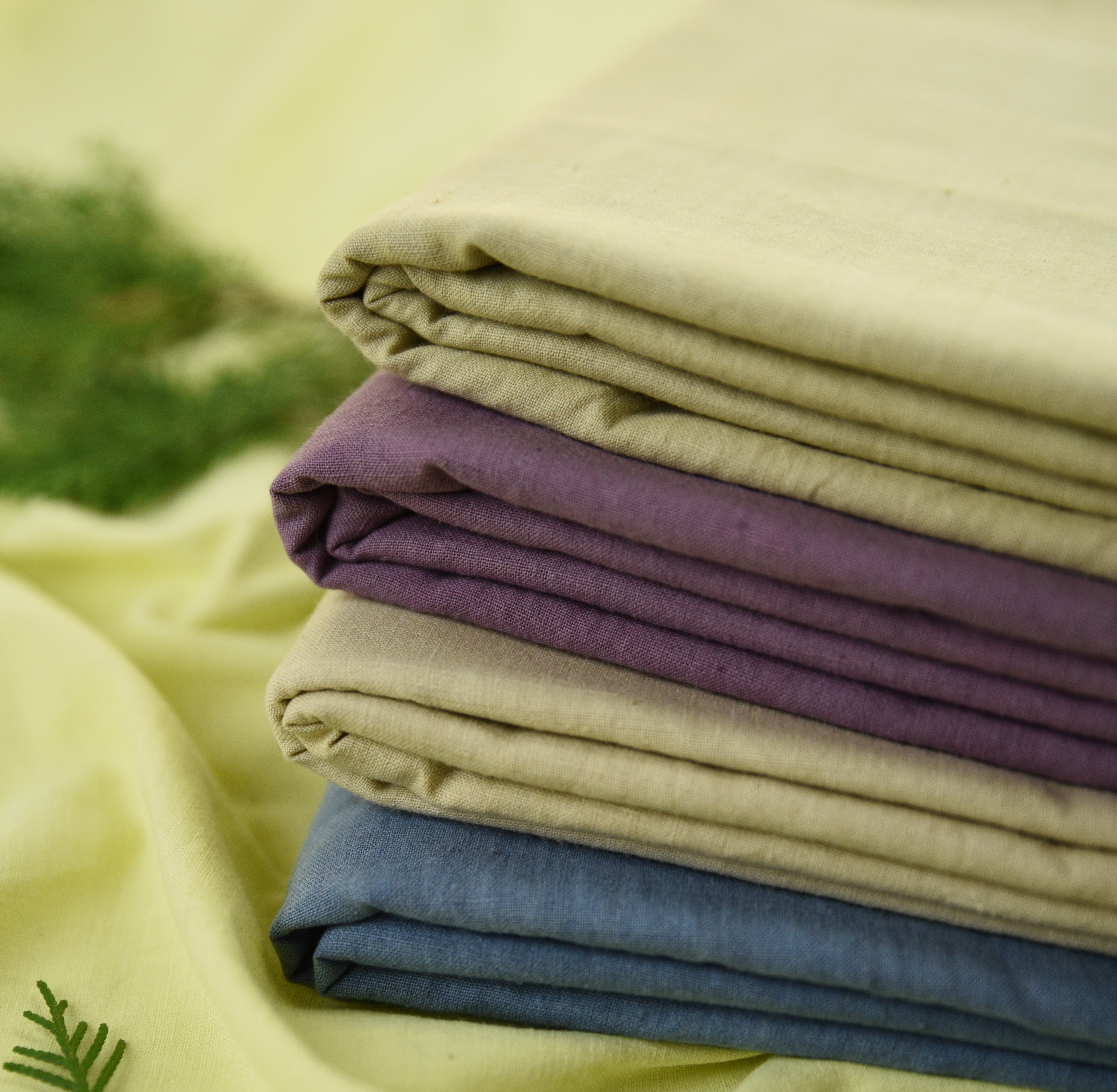
NATURAL DYES - 9 BENEFITS FOR DYEING TEXTILES

Natural dyes are colorants derived from biological sources, providing a sustainable alternative to synthetic chemicals in the textile industry. By utilizing renewable materials like plants and fruits, these plant dyes and vegetable dyes offer a biodegradable and non-toxic solution for conscious production. Anuprerna supports this transition, promoting cultural heritage and empowering local communities through the revival of traditional artisanal practices.
What Are Natural Dyes? A Definition for Sustainable Textiles

Natural dyes are colorants derived from biological sources such as plants, fruits, and vegetables. These plant dyes provide an eco-friendly method to color handwoven fabrics and yarns. They produce subtle, earthy shades that age gracefully over time.
Because they are vegetable-based, these dyes have a lower impact on human health and the environment compared to synthetic chemical dyes. Common sources for these pigments include indigo, turmeric, madder, gallnut, pomegranate, and marigold. These materials are often sourced from local harvests, supporting traditional knowledge and agricultural biodiversity.
BENEFITS OF NATURAL DYE


The Uses Of Natural Vegetable Dyes
- Employment for Artisan Community
The use of natural vegetable dyes is a centuries-old tradition in many countries. In some parts of the world, they are still used extensively and provide employment for artisans who produce them on a small scale. - Cost-Effective
Natural vegetable dyes are cost-effective. They are not only inexpensive, but they are also very easy to use. Many of them are cheap day-to-day items that are easily available in any market or even in the house. Example- Marigold, Turmeric or Pomegranate peel. - Anti-microbial
Many natural dyes also have antimicrobial properties that can kill bacteria and resist mould growth. Example- Acacia catechu (Khair/Katha), and Rubia cordifolia (Madder). - Insect Repellant
Natural dyes often contain compounds that repel mosquitoes or insects in general, so it is possible to use them to make clothes that protect against mosquitoes and other bugs. Example- Pomegranate peel - Deodorizing Effect
Many natural dyes also have a deodorizing effect thanks to their resistance to bacteria, which is the common cause of odor in textiles.
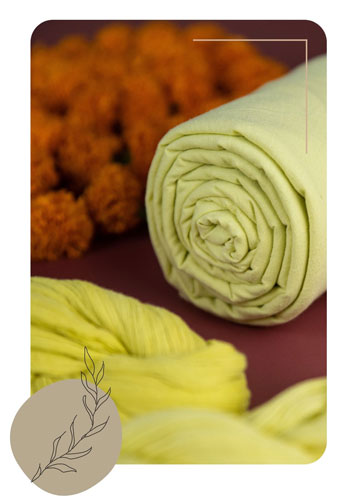
Limitations of Natural Dyes in Textile Production
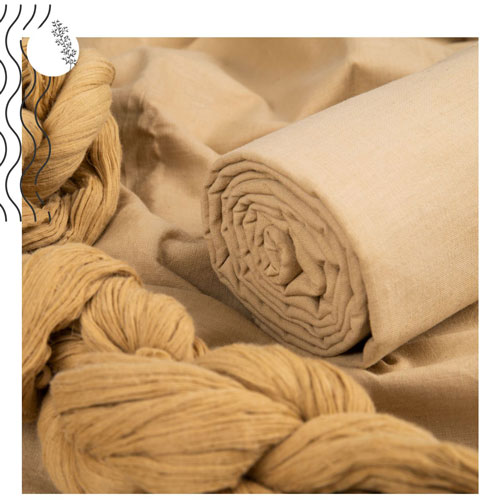
While natural dyes offer significant ecological benefits, they come with specific technical considerations for designers and manufacturers.
- Colorfastness: These dyes are not inherently colorfast and tend to fade when exposed to strong light. They require mordants to properly fix the color to the fiber.
- Vibrancy: The hues produced by vegetable dyes are often more subtle and earthy compared to the high-saturation results of synthetic chemical dyes.
- Application: Achieving specific shades, particularly yellow or orange, may require multiple dyeing sessions to reach the desired intensity.
- Reproducibility: Because the chemical structure of natural pigments reacts to environmental factors, achieving exact color consistency across different batches is challenging.
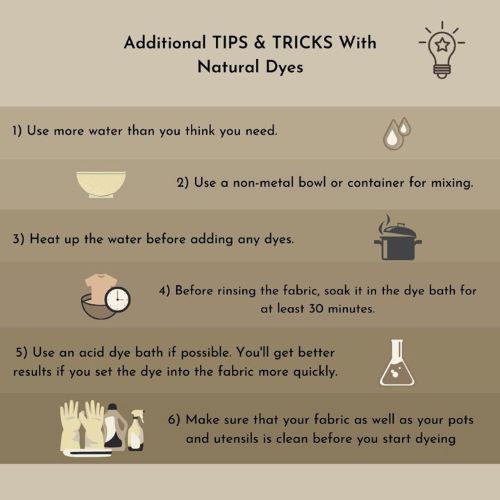
TIPS & TRICKS FOR NATURAL VEGETABLE DYES
Summary
Natural Vegetable Dyes are the best choice for anyone looking to get the most out of their fabric. They are eco-friendly and safe to use. They do not contain any chemicals or harmful substances which could be harmful to the human body. And the best part is that you do not need any special equipment or training to create beautiful colours on your clothes by using natural plant extracts as dyeing agents.
frequently asked questions about natural dyes
What are the benefits of natural dyes for fabric?
arrow_drop_downNatural dyes offer eco-friendliness, non-toxicity, and biodegradability. They can create unique colors and textures, promoting sustainability in textile production.
What fabrics are best for natural dyeing?
arrow_drop_downNatural fibers such as cotton, linen, wool, and silk are best for natural dyeing. These fabrics readily absorb natural dyes, resulting in vibrant and long-lasting colors.
What are the characteristics of natural dyed fabrics?
arrow_drop_downNatural dyed fabrics exhibit unique characteristics such as subtle and earthy hues, variations in color intensity, and a softer, more organic appearance. They may also have a slightly uneven color distribution, adding to their distinct charm. Additionally, these fabrics often showcase a connection to sustainable and environmentally friendly practices in textile production.
What are the advantages of natural dyes over synthetic dyes?
arrow_drop_downNatural dyes have advantages over synthetic dyes due to their eco-friendly nature, biodegradability, and the potential for producing unique, subtle colors. They also tend to have a lower environmental impact.
What are the primary uses of dyes derived from plants?
arrow_drop_downNatural dyes are used extensively in handloom weaving and artisanal textile production to color yarns and fabrics. Beyond aesthetic appeal, they are used for their functional properties, including antimicrobial and insect-repellent characteristics in finished garments.
Are natural dyes suitable for commercial textile production?
arrow_drop_downYes, natural dyes are increasingly used by fashion brands and designers who prioritize sustainability. While they require specific mordanting processes to ensure colorfastness, they provide a premium, eco-conscious value proposition for modern textile collections.
How do vegetable dyes differ from synthetic chemical dyes?
arrow_drop_downVegetable dyes are derived from renewable organic matter, whereas synthetic dyes are typically petroleum-based. Natural options are generally safer for artisans to handle and produce less hazardous wastewater.
Do natural dyes require special care?
arrow_drop_downYes, fabrics colored with natural dyes should be washed with mild, pH-neutral detergents and dried away from direct sunlight to maintain the integrity of the color for longer periods.
Can natural dyes be used for large-scale fashion collections?
arrow_drop_downYes, many brands incorporate natural dyes into collections by planning for the unique characteristics of these pigments, such as slight batch variations, which are often viewed as a mark of authentic craft.
What is the role of a mordant in natural dyeing?
arrow_drop_downA mordant is a substance used to set dyes on fabrics by forming a coordination complex with the dye, which then attaches to the fiber. It is essential for improving the wash-fastness and light-fastness of natural colors.
More Blogs

b2b sourcing guide: how to source high-quality recycle cotton fabric for sustainable collections

sourcing wholesale cotton fabric: a b2b guide to cotton textile manufacturers in india

the ultimate designers’ guide to custom jamdani weaving: partnering with a jamdani fabric wholesaler

strategic sourcing: evaluating jamdani fabric quality for fashion labels

mulberry silk fabric in natural & dyed shades: what luxury sustainable brands need to know before ordering
indigo fabric for ethical collections: comparing khadi, cotton & mulberry silk at wholesale