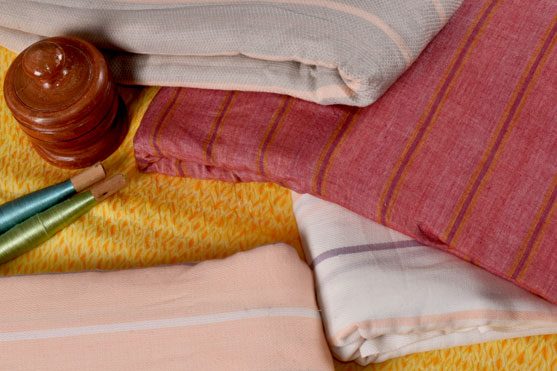
THE ALLURE OF MERCERIZED COTTON

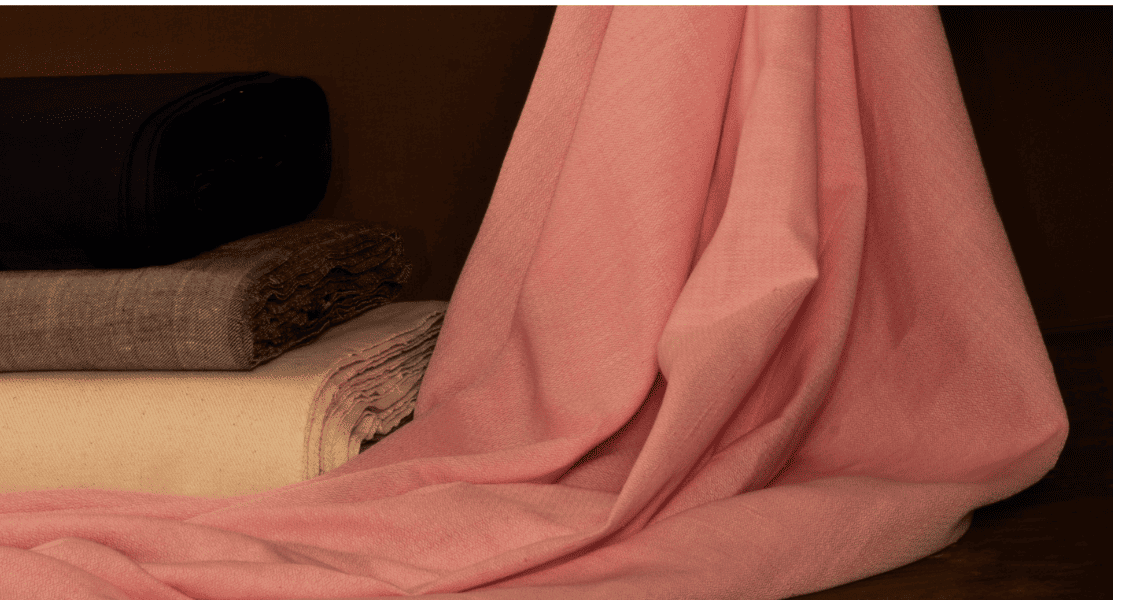
Mercerization Is A Textile Finishing Treatment For Cellulose Fabric And Yarn, Mainly Cotton And Flax, Which Improves Dye Uptake And Tear Strength, Reduces Fabric Shrinkage, And Imparts A Silk-Like Luster. This Type Of Cotton Is Also Known For Its Durability, Softness, And Moisture-Absorbing Properties, Making It Ideal For A Variety Of Applications.
Anuprerna, as an advocate for quality and innovation in the textile industry, recognizes the exceptional performance and comfort offered by mercerized cotton. By incorporating this premium fabric into collections, Anuprerna ensures that customers receive products of superior quality and comfort, reflecting her commitment to excellence in craftsmanship.
What is Mercerised cotton?
Cotton yarn or fabric treated with a caustic soda solution to improve its strength, luster, and ability to absorb dye is known as "mercerized cotton". Cotton gains a richer color, a silky sheen, and increased durability as a result of the procedure, which tightens and smoothes the fibers.
It is perfect for premium fabrics, high-end clothing, and home textiles since it feels smoother than ordinary cotton and doesn't shrink.
History
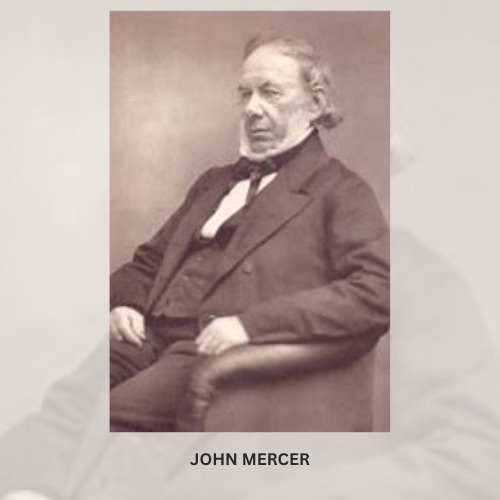
The mercerization process was pioneered by John Mercer in 1844. Hailing from Great Harwood, Lancashire, England, Mercer developed this textile finishing treatment by treating cotton fibers with sodium hydroxide, commonly known as caustic soda.
MERCERIZATION PROCESS IN TEXTILE
Here are the steps involved in the mercerization process:
1. Desizing: The cotton fabric is first desized, which involves removing any natural or added substances, such as starch or sizing agents, from the fabric.
2. Mercerization: The fabric is then immersed in a caustic soda solution at a high concentration, typically between 18 and 22%, for a period of time, which can range from a few seconds to several minutes. The temperature of the solution is usually maintained between 20 and 25 degrees Celsius to prevent the fabric from shrinking or becoming too brittle.
3. Washing: The fabric is then thoroughly rinsed with water to remove any excess caustic soda and neutralize the fabric. This step is crucial to prevent any damage to the fabric or skin irritation.
4. Neutralization: The fabric is then treated with an acidic solution, such as acetic acid, to neutralize the alkaline nature of the caustic soda and stabilize the fabric.
5. Washing and drying: The fabric is then washed and dried to remove any remaining impurities or chemicals.
ADVANTAGES OF MERCERIZATION
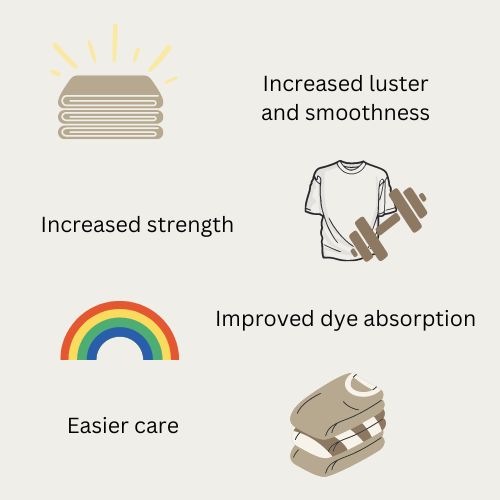
1. Increased luster and smoothness: Mercerization gives cotton a silky, shiny appearance, which is highly desirable in fashion and home decor fabrics.
2. Increased strength: Mercerized cotton yarns are stronger and more durable than untreated cotton fibers, making them ideal for use in high-wear clothing items such as T-shirts, bed linens, and towels.
3. Improved dye absorption: Mercerized cotton absorbs dye more evenly and deeply, resulting in vibrant and long-lasting colors.
4. Easier care: Mercerized cotton is less prone to pilling and stretching than untreated cotton, making it easier to care for and maintain.
CONS OF MERCERIZATION PROCESS

1. Cost: Mercerized cotton is more expensive than regular cotton due to the additional processing required.
2. Chemical treatment: The mercerization process involves the use of caustic soda.
3. Reduced breathability: Mercerized cotton can be less breathable than untreated cotton, as the swelling of the fibers can cause the fabric to feel denser and less porous.
4. Reduced softness: The mercerization process can make cotton fibers feel slightly stiffer and less soft to the touch, which may not be desirable in some applications.
Overall, mercerized cotton can be a good choice for projects that require increased strength, improved dye uptake, and a shiny appearance. However, it may not be the best choice for projects that require maximum breathability or softness.
Summary
Some of the most common uses of mercerized cotton fabric include:
1. Clothing: Mercerized cotton is frequently used in clothing items such as T-shirts, dresses, blouses, and skirts. The fabric's increased strength and dye uptake make it ideal for garments that are worn frequently and need to withstand wear and tear.
2. Home decor: Mercerized cotton is used in a wide range of home decor items such as bed linens, tablecloths, and curtains. The fabric's luster and smoothness give it an elegant and luxurious appearance, while its increased durability makes it practical for everyday use.
3. Towels: Mercerized cotton is commonly used in bath towels, hand towels, and washcloths. The fabric's increased absorbency and mildew resistance make it ideal for use in high-moisture environments.
4. Embroidery: Mercerized cotton is a popular choice for embroidery threads due to its strength, smoothness, and vibrant colors.
5. High-end fashion: Mercerized cotton is used in high-end fashion garments where a shiny and luxurious appearance is desired. The fabric's enhanced properties make it a premium choice for designer clothing.
Overall, mercerized cotton is a versatile fabric that can be used in a wide range of applications where strength, luster, and vibrant color are desired
related questions
Is Mercerised cotton good for summer?
Yes, Mercerized cotton is good for summer. It has a smoother texture, increased strength, and enhanced luster, making it more breathable and comfortable for warmer weather.
Which chemical is used for mercerized cotton?
The chemical used for mercerizing cotton is typically concentrated sodium hydroxide (NaOH), also known as caustic soda.
How can you tell if cotton is mercerized?
Mercerized cotton can be identified by its increased luster and smoother texture compared to regular cotton. Additionally, mercerized cotton fibers may have a slight sheen and enhanced color vibrancy. If unsure, you can check the garment label for any mention of mercerization or ask the manufacturer.
Why is Mercerised cotton expensive?
Mercerized cotton tends to be more expensive than regular cotton due to the additional processing it undergoes. Mercerization involves treating cotton fibers with caustic soda and then stretching them, resulting in improved strength, luster, and dye uptake. This process requires specialized equipment and skilled labor, contributing to the higher production costs.
More Blogs
apparel manufacturer in india: from handwoven fabrics to finished garments
indian fabric wholesaler: understanding quality, weave, and craftsmanship
buy hemp fabric for clothing: from hemp fiber to finished textile
organic cotton vs. bamboo: which is better for loungewear?
jacquard fabric: what it is, how it’s made & how to choose the right fabric
what makes tussar silk different from other silks?