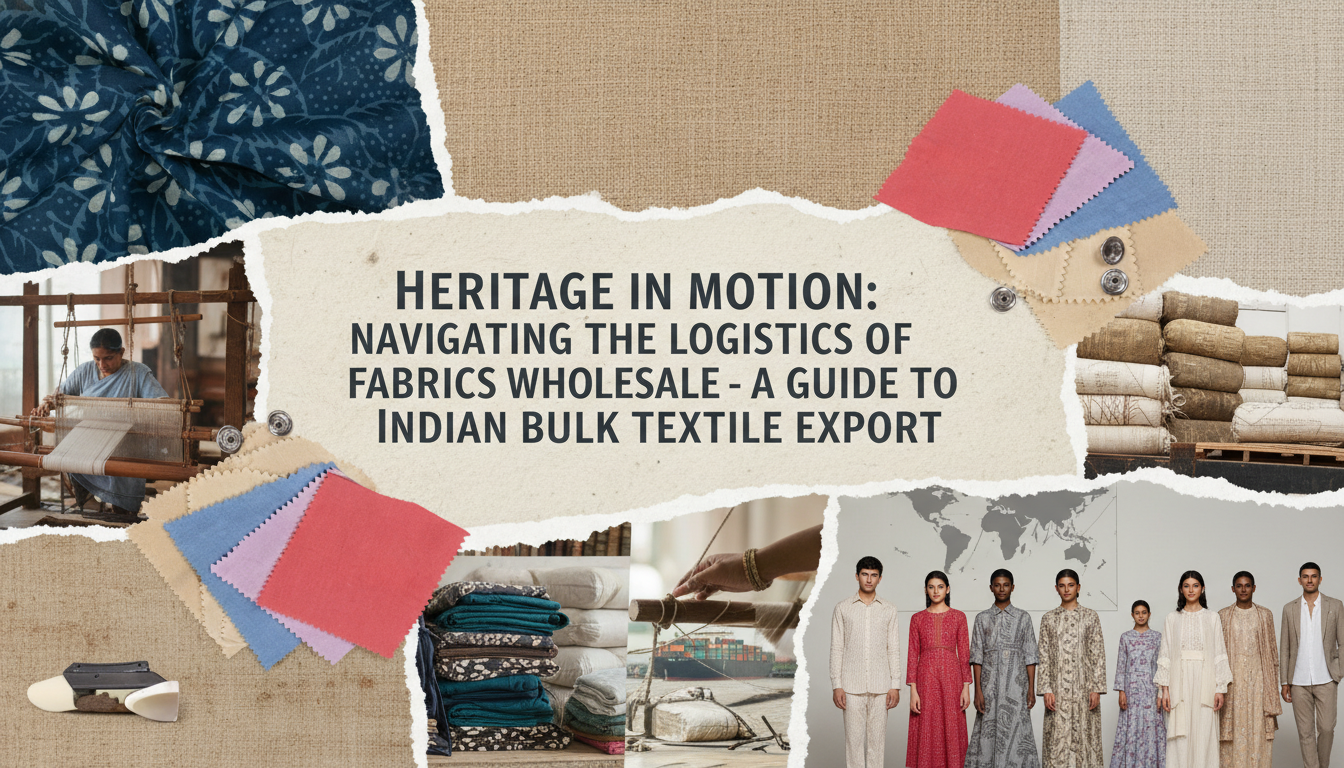
Navigating the Logistics of Fabrics Wholesale: A Guide to Indian Bulk Textile Export

The global shift toward sustainable fashion has placed Indian handwoven textiles at the center of the international stage. For designers, boutique owners and large-scale retailers, sourcing fabrics wholesale from India is no longer just about cost-efficiency; it is about accessing a rich heritage of craftsmanship and ethical production. However, transitioning from a curated selection to a bulk textile export order involves a complex web of logistics, compliance, and quality control.
Navigating the journey of a textile from a rural artisan’s loom in East India to a fashion house in New York or London requires a deep understanding of shipping wholesale fabrics and the specific indian fabric export regulations. Whether you are sourcing organic khadi or intricate dyed fabrics, the logistics phase is where many brands face hurdles ranging from customs delays to damage during transit.
This guide provides a comprehensive roadmap for international B2B buyers looking to streamline their supply chain. We will explore the essential documentation, shipping methods and compliance standards necessary to ensure your sustainable textiles arrive on time, in perfect condition, and fully compliant with international trade laws.
Navigating the Landscape of Fabrics Wholesale from India
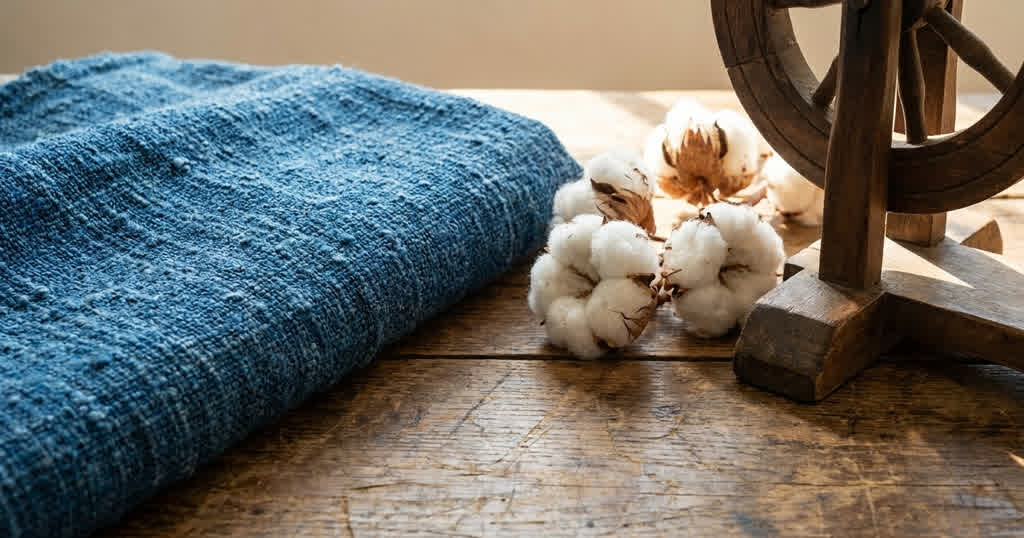
The Indian textile industry is a unique ecosystem where ancient techniques meet modern export demands. When sourcing fabrics wholesale, buyers must distinguish between mass-produced factory textiles and the artisanal, hand-loomed products that define companies like Anuprerna.
Understanding Lead Times in Handwoven Production
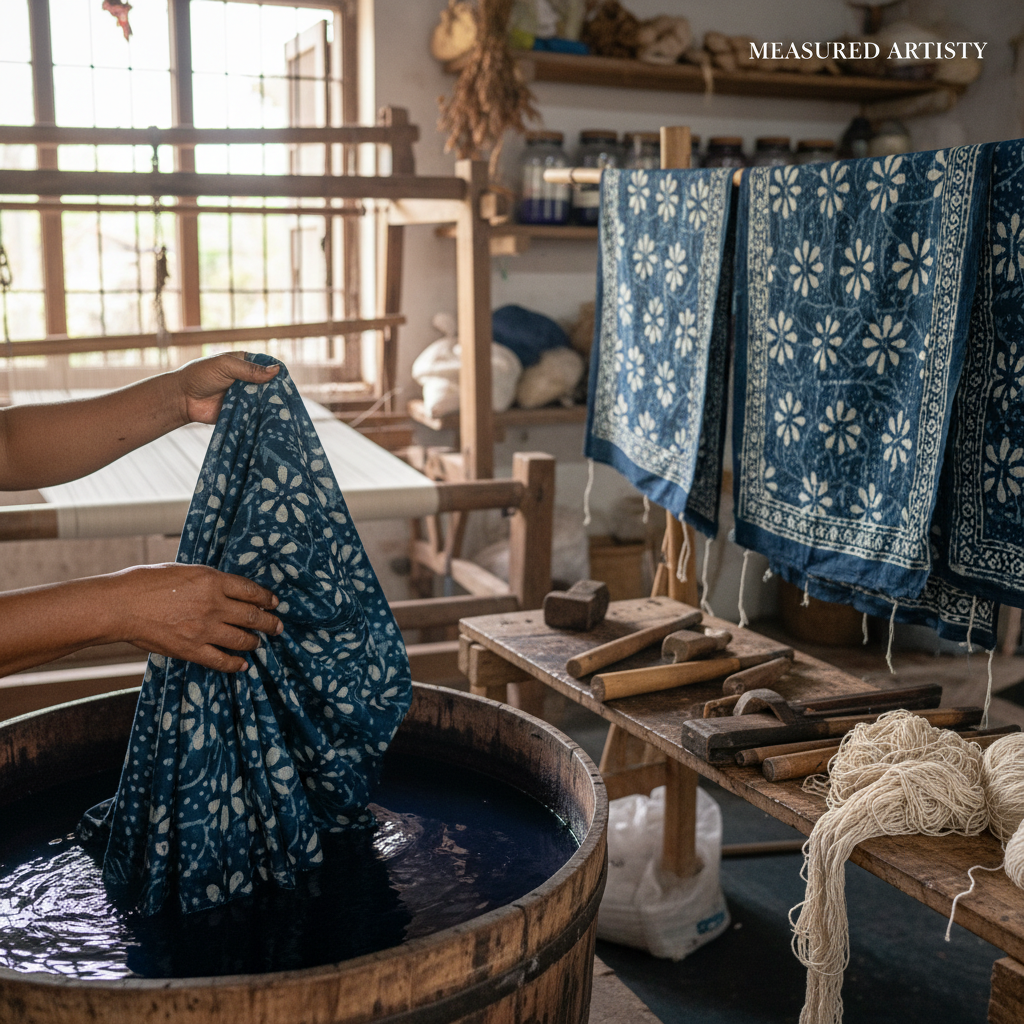
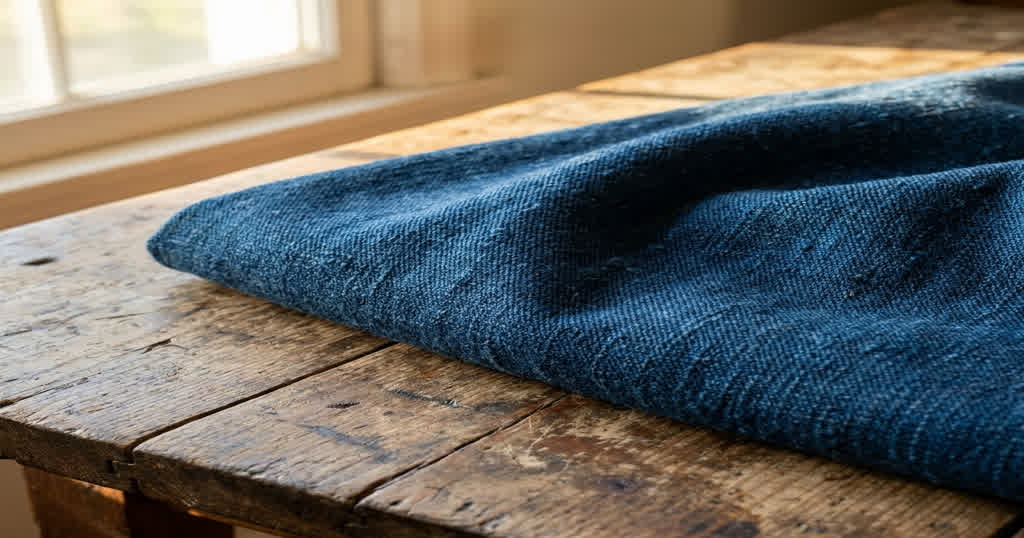
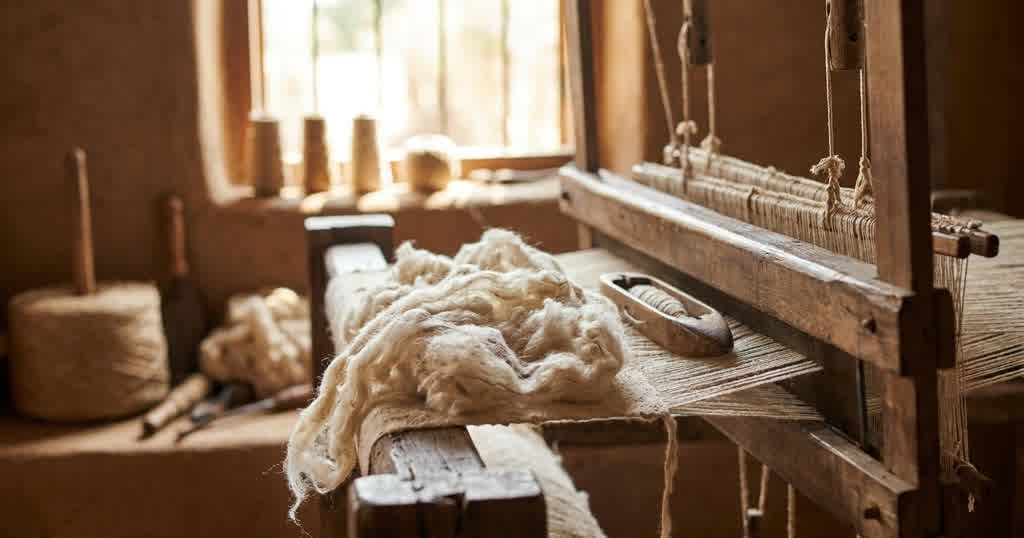
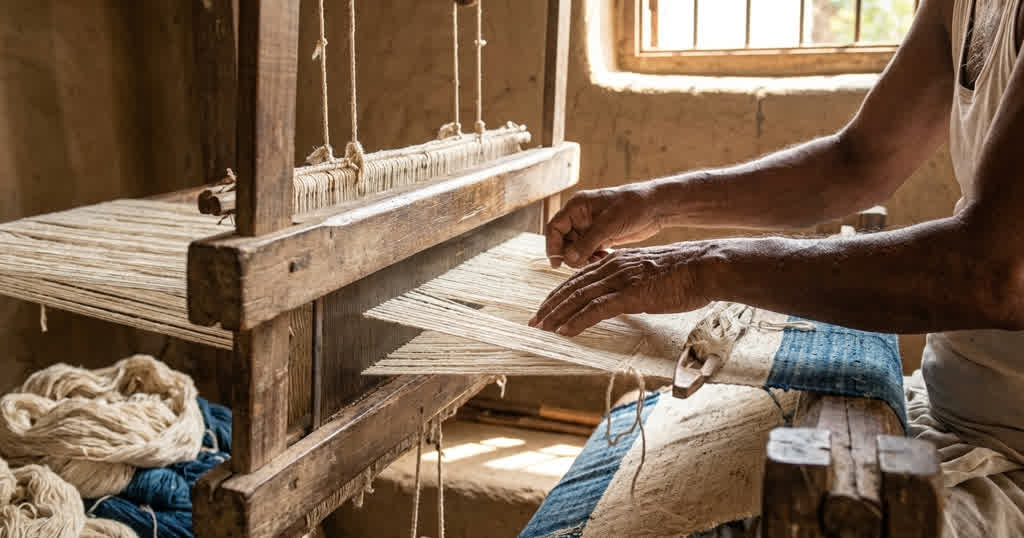
Unlike power-loom production, hand-loomed textiles operate on a "human" timeline. A bulk order of a fabrc like our Natural Indigo Dyed With Block Ajrakh Print requires time for spinning, weaving and the meticulous block printing process. Logistics planning must begin months in advance to account for these artisanal cycles, especially during the monsoon season when natural drying processes for dyed fabrics can be delayed.
Quality Control and Pre-Shipment Inspection
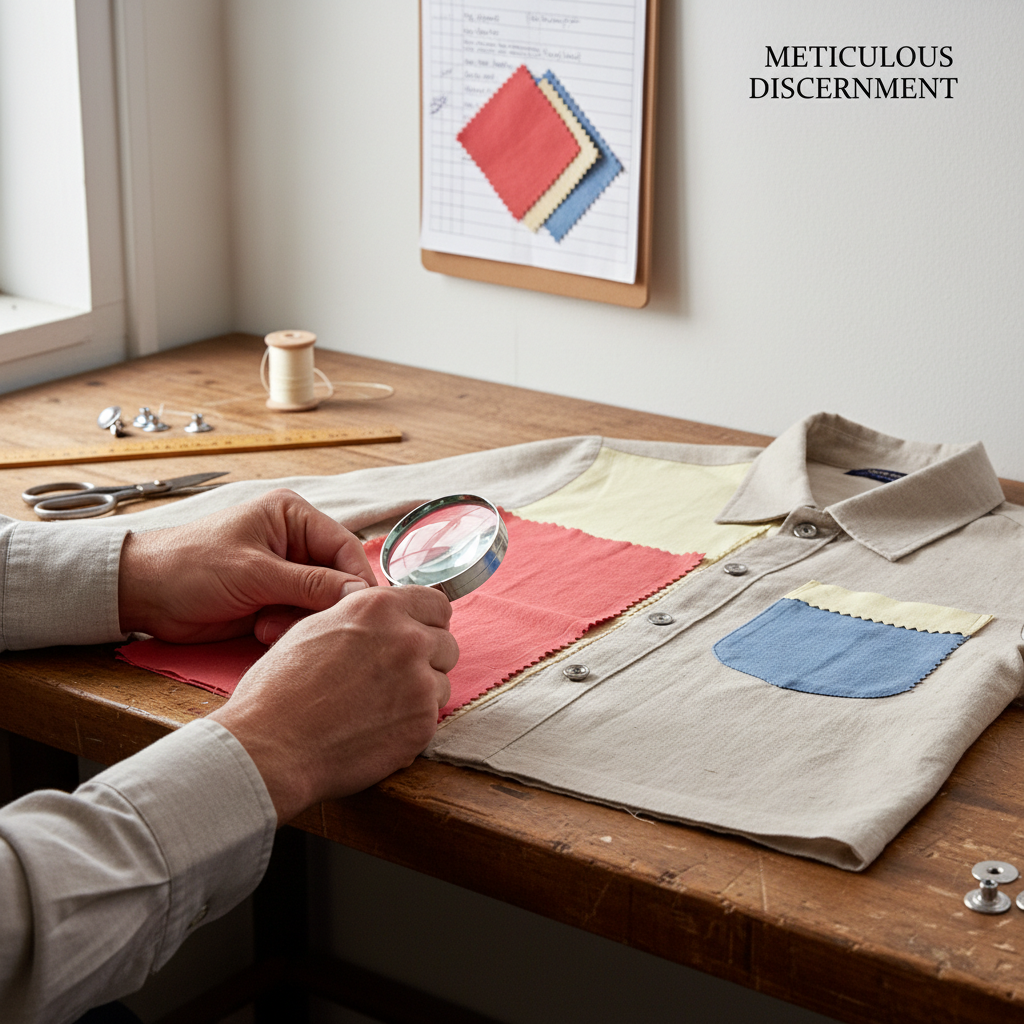
In the wholesale world, consistency is king. However, handwoven fabrics possess "beautiful imperfections" that characterize their authenticity. To bridge the gap between artisan reality and retail expectations, we implement rigorous pre-shipment inspections (PSI). This involves checking for GSM (Grams per Square Meter) consistency, colorfastness and dimensional stability. For buyers new to our range, we highly recommend starting with our Natural Vegetable Dyed Fabric Swatches to understand the tactile quality and color variations before committing to bulk volumes.
The Role of Consolidation
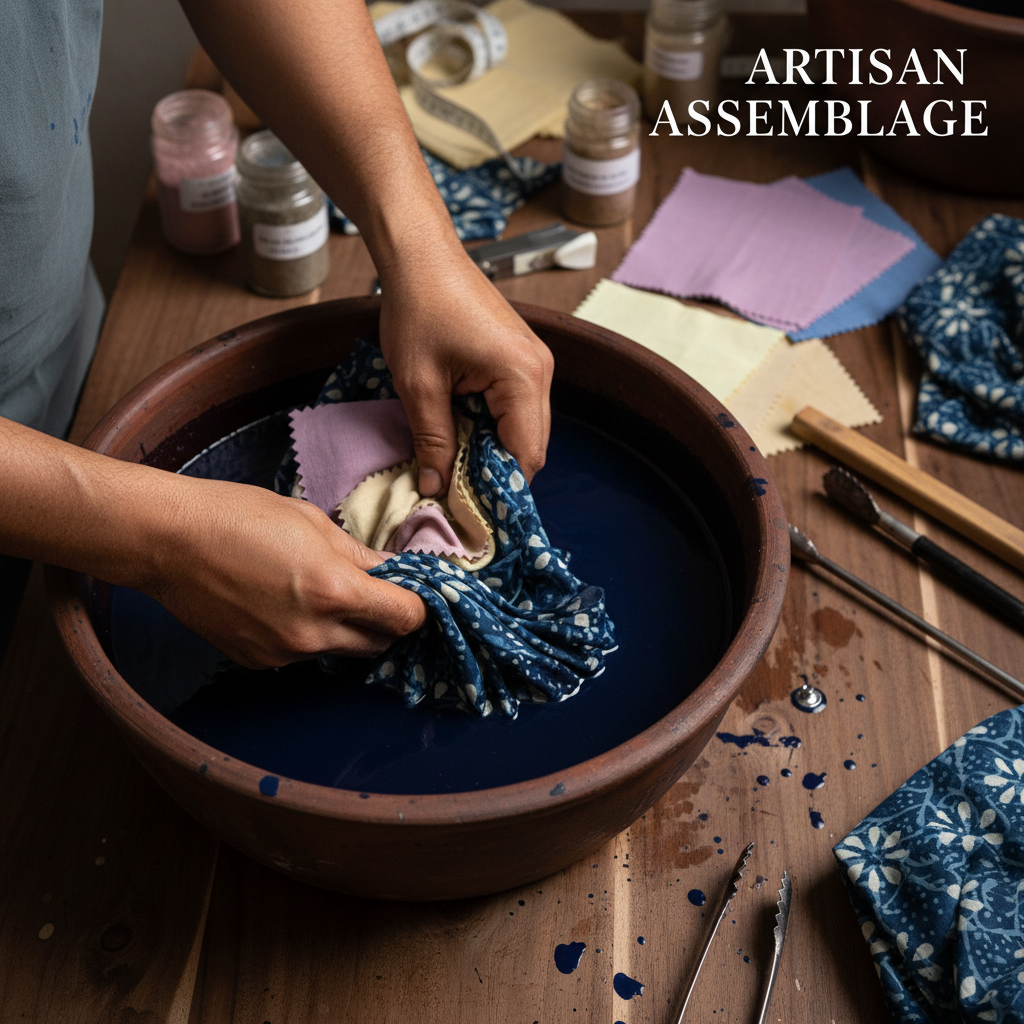
For many B2B clients, a single shipment might include various types of textiles from heavy organic khadi fabric to lightweight mulberry silk. Consolidating these into a single bulk textile export shipment reduces freight costs and simplifies customs clearance. At Anuprerna, we work closely with our partners to coordinate these batches, ensuring that the artisanal pace of production aligns with the rigid schedules of international shipping lines.
Shipping Wholesale Fabrics: Methods and Best Practices
Packaging for International Transit
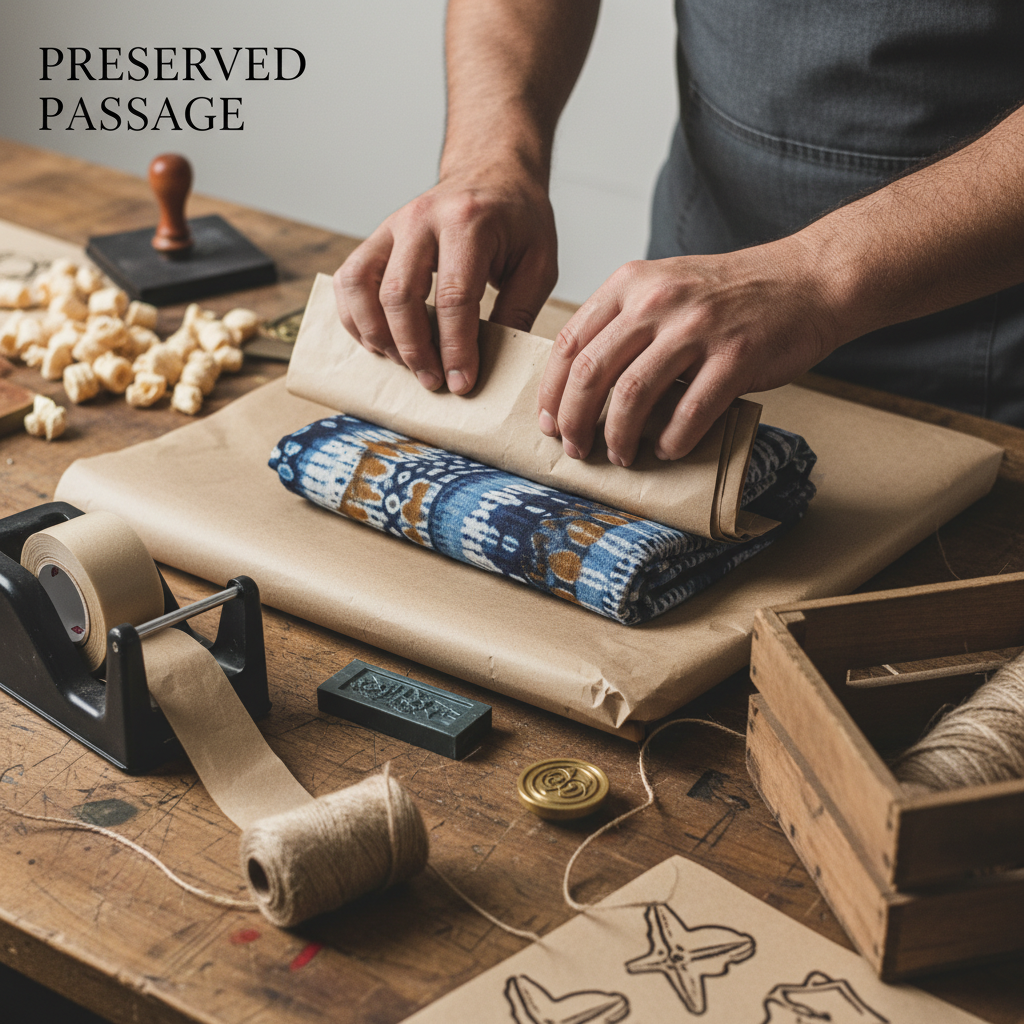
Textiles are highly susceptible to moisture, mold and physical abrasion during long sea voyages. We utilize industrial-grade, moisture-proof HDPE (High-Density Polyethylene) inner linings and robust outer corrugated boxes. When shipping natural dye fabric, extra care is taken to ensure no light exposure or chemical cross-contamination occurs within the container.
Understanding Incoterms
B2B buyers must be familiar with Incoterms (International Commercial Terms) to define who is responsible for costs and risks at each stage.
- FOB (Free On Board): We deliver the goods to the Indian port; the buyer handles everything from there.
- CIF (Cost, Insurance, and Freight): We cover the cost of shipping and insurance to your destination port.
- DDP (Delivered Duty Paid): The most "hands-off" option for the buyer, where the seller handles all duties and delivery to the final warehouse.
Indian Fabric Export Regulations and Compliance
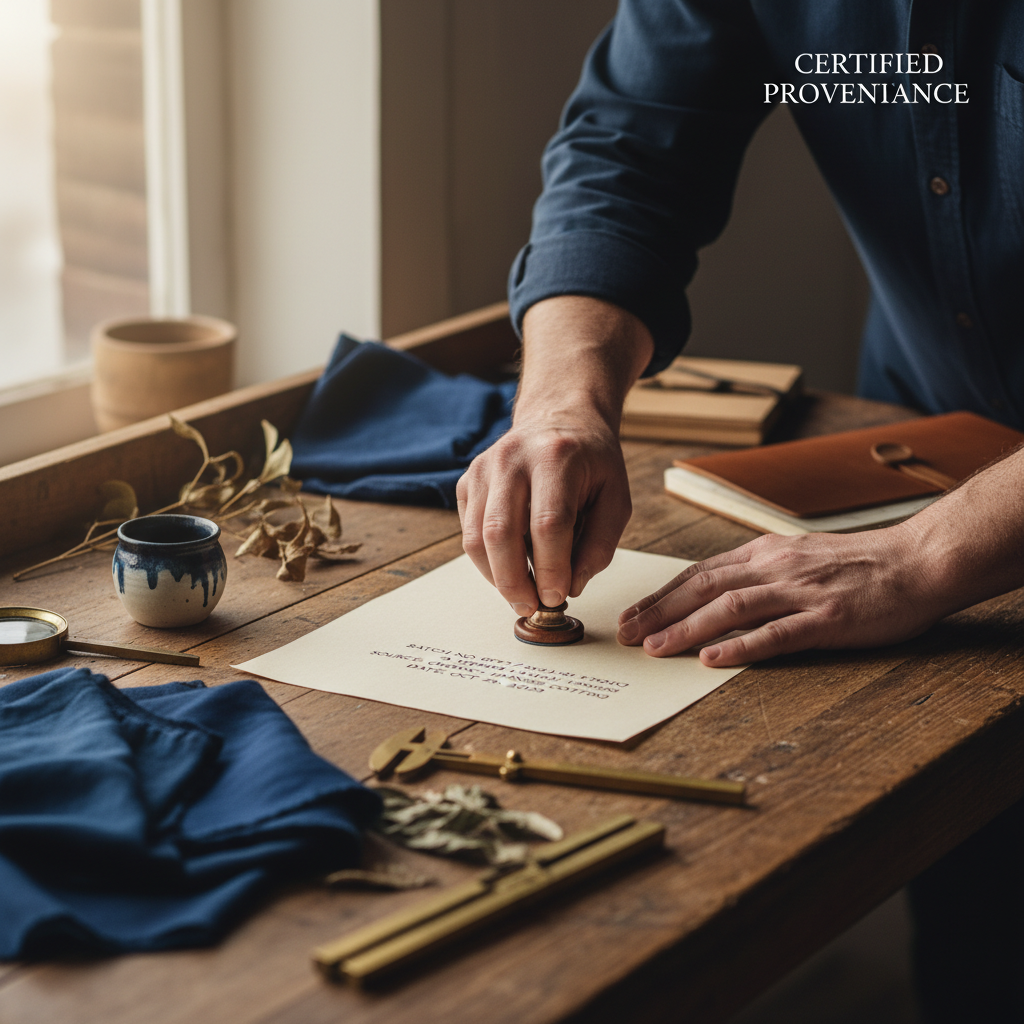
Compliance is the backbone of successful bulk textile export. India has a structured regulatory framework designed to promote exports while ensuring quality standards.
Essential Documentation
To clear Indian customs and enter your home country, several key documents are required:
- IEC (Importer Exporter Code): A mandatory 10-digit code for any Indian entity exporting goods.
- RCMC (Registration Cum Membership Certificate): Issued by the Export Promotion Councils (like Texprocil or HEPC), ensuring the exporter is a recognized member of the industry.
- Commercial Invoice and Packing List: Detailed breakdown of the fabric types, quantities, and values.
- Certificate of Origin (COO): Crucial for buyers in countries that have Free Trade Agreements (FTAs) with India, potentially reducing import duties.
Compliance for Sustainable Textiles
For brands marketing "eco-friendly" or "organic" collections, documentation must go beyond the standard export papers. This includes transaction certificates for organic fibers and proof of ethical labor practices. Understanding the ultimate guide to naturally dyed and block printing textiles can help buyers understand the specific certifications required for these specialized products.
Testing and Lab Reports
Many international markets (especially the EU and US) have strict regulations regarding Azo dyes and lead content. Even when using natural dye fabric, it is often necessary to provide lab reports from accredited agencies (like SGS or Intertek) to prove the absence of harmful substances and to verify the botanical origin of the dyes.
Special Considerations for Natural Dye and Dyed Fabrics

Color Consistency in Bulk
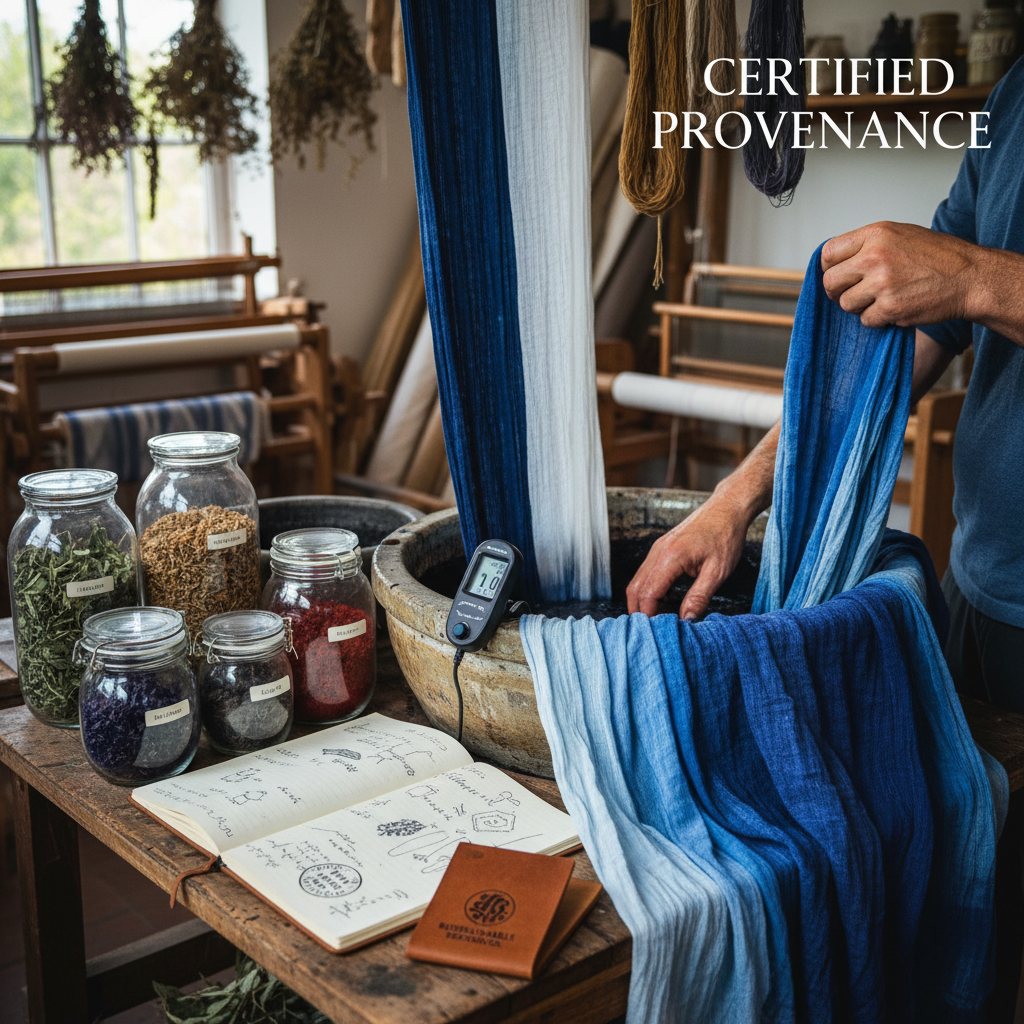
One of the biggest challenges in fabrics wholesale for natural dyes is batch-to-batch variation. Because we use ingredients like Madder, Indigo and Catechu, each dye vat is slightly different. We manage this by "batch-coding" shipments. If a client orders a large quantity of Plain Light Brown Natural Madder Marigold Dyed Cotton, we ensure the entire lot comes from the same dye cycle to maintain color harmony across the collection.
Environmental Sensitivity during Shipping
Natural dye fabric is "alive" in a sense; it can react to extreme pH changes or prolonged humidity. During the bulk textile export process, we use silica gel desiccant packs to control humidity within the packaging. This prevents the "bleeding" of colors or the development of a musty odor that can occur in damp shipping containers.
The Beauty of Piece-Dyeing
For brands requiring more uniform results across different textures, we often recommend piece dyed fabrics. This process allows for better control over the final shade while still utilizing sustainable dyeing methods. From a logistics perspective, piece-dyeing can sometimes offer shorter lead times as the base "greige" fabric can be woven in advance and dyed to order.
Turning Textile Logistics into a Strategic Advantage
The journey of fabrics wholesale from the artisan villages of India to the global market is a testament to the resilience of traditional craftsmanship and the efficiency of modern logistics. While the complexities of bulk textile export, from navigating indian fabric export regulations to ensuring the safe arrival of dyed fabrics, may seem daunting, they are the necessary steps to building a transparent and ethical fashion brand.
At Anuprerna, we act as more than just a manufacturer; we are your logistics partner. By handling the intricacies of compliance and shipping, we allow you to focus on what you do best: designing beautiful, sustainable fashion that tells a story. Whether you are looking for the deep hues of indigo or the earthy tones of catechu-dyed khadi, our team is committed to ensuring your wholesale journey is seamless, compliant and culturally authentic.
Ready to scale your sustainable collection? Explore our wholesale fabric catalog or contact our export team today to discuss your custom requirements.
most asked questions
What is the minimum order quantity (MOQ) for fabrics wholesale?
MOQs vary depending on the type of fabric and the dyeing process. For our standard handwoven cottons and silks, MOQs typically start at 50 to 100 meters per color/design. For highly specialized natural dye fabric, the MOQ might be higher to ensure dye vat efficiency. However, we offer sample yardage and swatch sets for designers in the prototyping phase.
How long does shipping wholesale fabrics from India usually take?
The total lead time includes production and transit. Production can take 4-8 weeks depending on the complexity of the weave. Once shipped, air freight takes 5-10 days, while sea freight can take anywhere from 30 to 45 days to reach major ports in Europe or North America. We provide real-time tracking and regular updates throughout the bulk textile export process.
Do I need to pay import duties on Indian textiles?
Yes, most countries levy import duties on textiles. However, India has Free Trade Agreements (FTAs) and Generalized System of Preferences (GSP) arrangements with several nations that can significantly reduce these costs. Providing a valid Certificate of Origin is essential to claim these benefits. We recommend consulting with a local customs broker in your country to understand the specific tariffs for dyed fabrics.
How do you ensure the quality of dyed fabrics in bulk orders?
We follow a multi-stage quality control process. First, the yarn is checked before weaving. After weaving and dyeing, the fabric undergoes a final inspection for width consistency, GSM, and visual defects. For natural dye fabric, we also perform wash-fastness and rub-fastness tests. We can provide a detailed QC report and "master samples" from the production run before the bulk shipment leaves our facility.
Can you handle the customs clearance process for me?
While we handle all the export documentation and "outbound" customs in India, the "inbound" customs clearance in the destination country is typically the responsibility of the buyer. However, if you choose DDP (Delivered Duty Paid) terms, we can coordinate with our international freight partners to handle the entire process, including duties and taxes, delivering the fabrics directly to your doorstep.
More Blogs
how celebrity endorsements are shaping the future of sustainable textiles
khadi denim vs. conventional denim: environmental impact and durability
the best sustainable fabrics for activewear production
how to calculate carbon emissions in your textile supply chain
why sustainable denim brands in india are choosing khadi

b2b sourcing guide: how to source high-quality recycle cotton fabric for sustainable collections