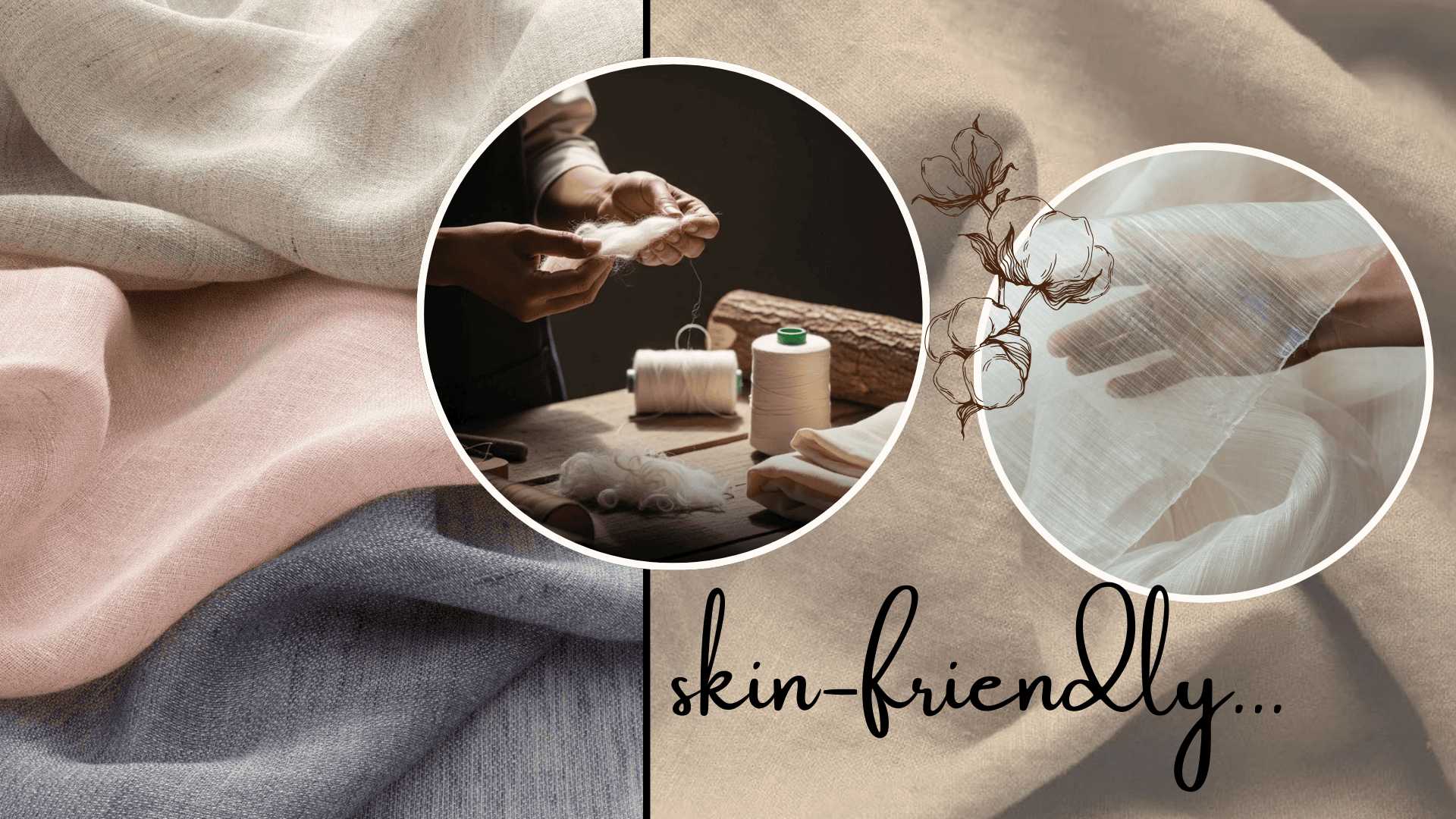
Why Skin-Friendly Textiles Are the Next Luxury in Fashion

Luxury fashion has always been about indulgence — the sheen of silk, the drape of velvet, the prestige of a label. But in 2025, luxury is being redefined. It’s no longer about excess; it’s about wellness, comfort, and conscious choices. At the heart of this shift lies a new standard: skin-friendly fabrics.
Today’s consumers — and tomorrow’s brands — are asking not just “How does it look?” but “How does it feel against my skin?” This shift is pushing Indian handloom and sustainable textiles into the global luxury conversation, where well-being meets wardrobe.
What Are Skin-Friendly Fabrics?
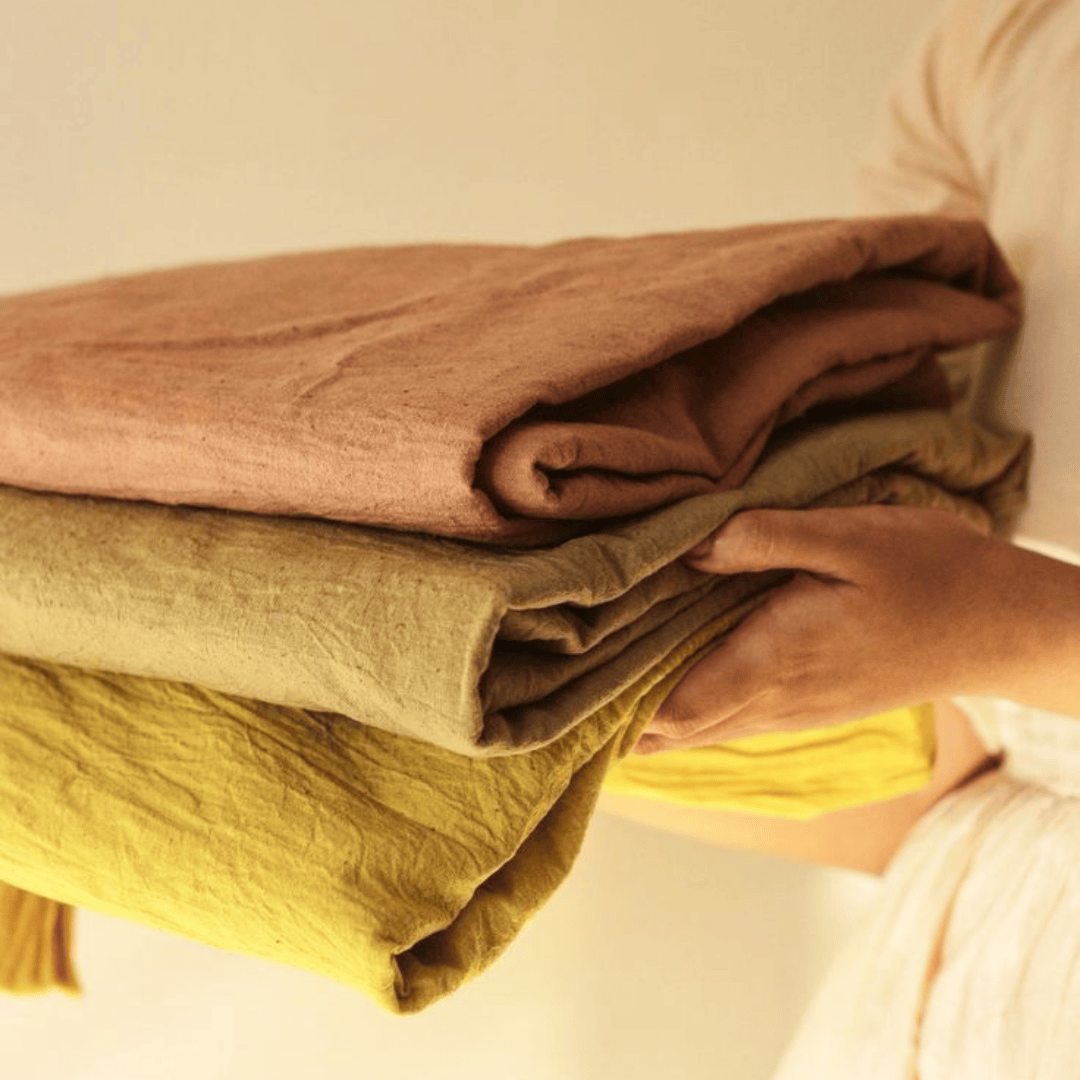
Skin-friendly fabrics are those made from natural, breathable, and hypoallergenic fibers that support comfort and health.
Unlike synthetics that trap heat and chemicals, these fabrics let the skin breathe, regulate body temperature, and reduce irritation.
Key qualities include the following:
- Breathability: Allows airflow, preventing sweat and rashes.
- Hypoallergenic nature: Less likely to cause skin reactions.
- Moisture regulation: Keeps skin cool in summer, warm in winter.
- Chemical-free processing: Dyed and finished with safe, eco-friendly methods.
Why Skin-Friendly Is the New Luxury
- Health-Conscious Consumers
With growing awareness of skin sensitivity, people are choosing non-toxic, natural fabrics over petroleum-based synthetics.
- Luxury in Comfort
True indulgence is no longer sequins and stiffness — it’s a handwoven khadi shirt that softens with every wash or a matka silk dress that feels weightless yet textured.
- Sustainability as Wellness
Skin-friendly fabrics are often eco-friendly, too. Choosing them supports both personal health and planetary health.
- Slow Fashion Values
Handloom and naturally dyed fabrics carry fewer chemical residues, aligning with the growing demand for cleaner, safer clothing.
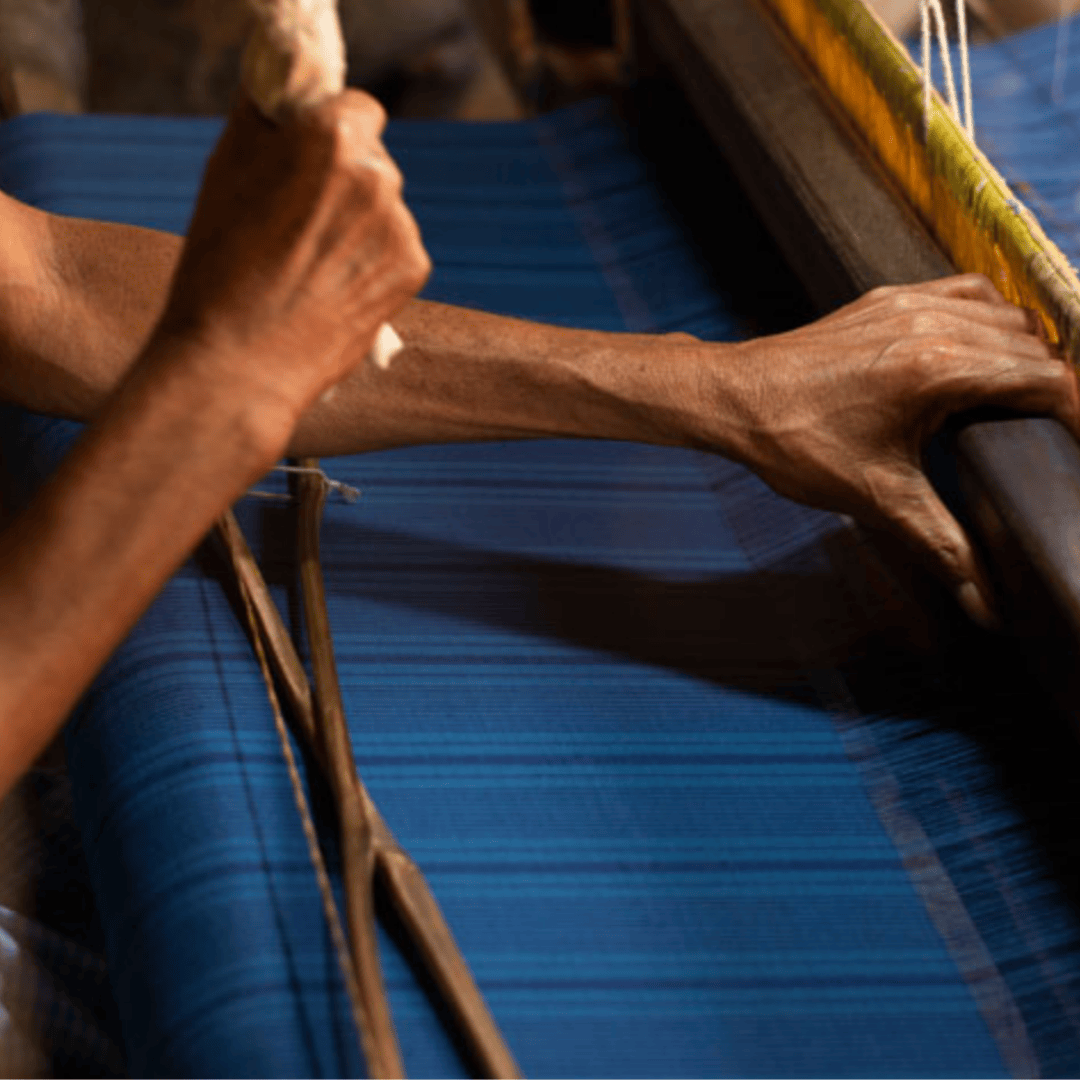
The Fabrics Leading the Way
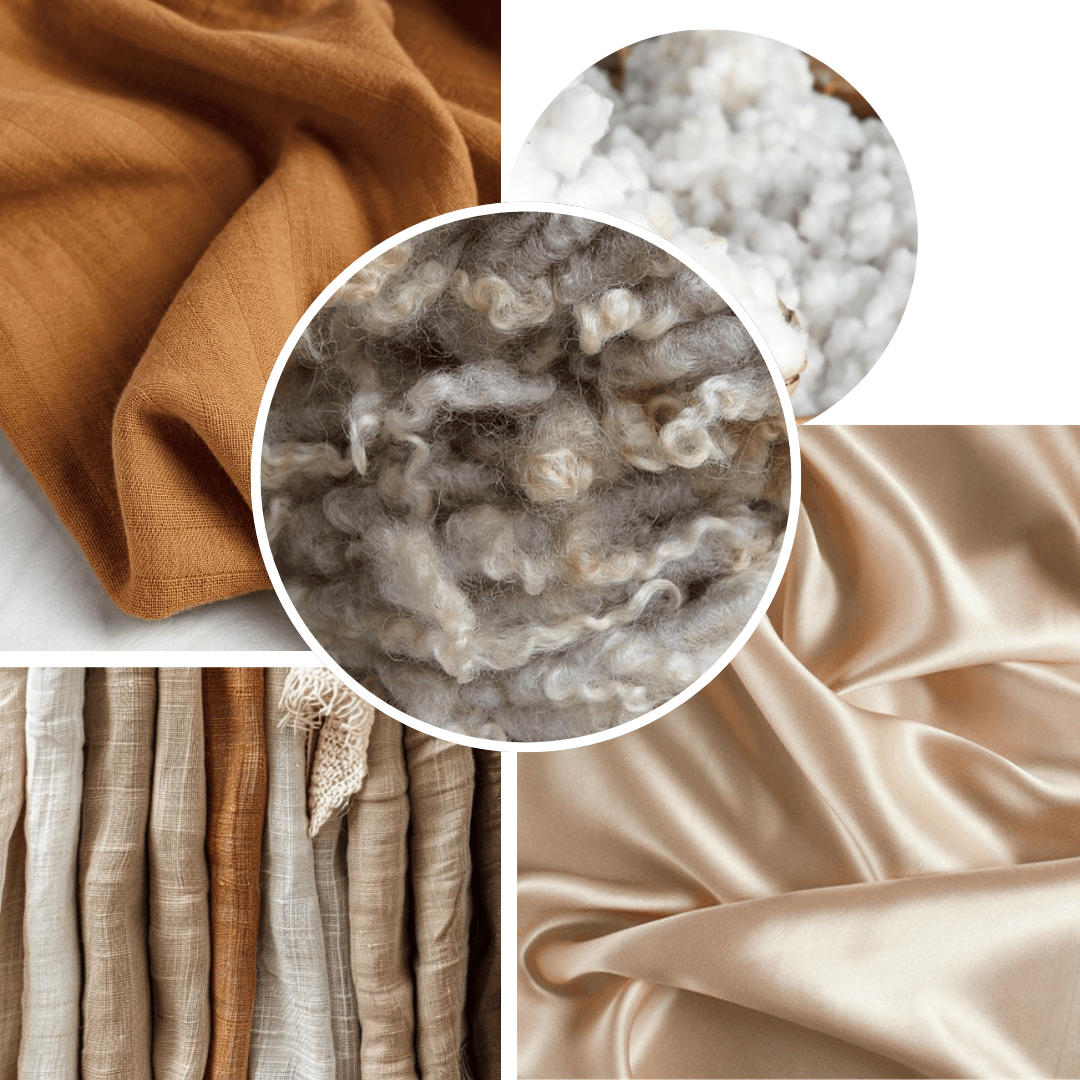
- Khadi Cotton: Handspun, breathable, and hypoallergenic — perfect for everyday wear.
- Matka Silk: Textured yet gentle on skin, offering rustic luxury.
- Linen: Crisp, lightweight, and naturally antibacterial.
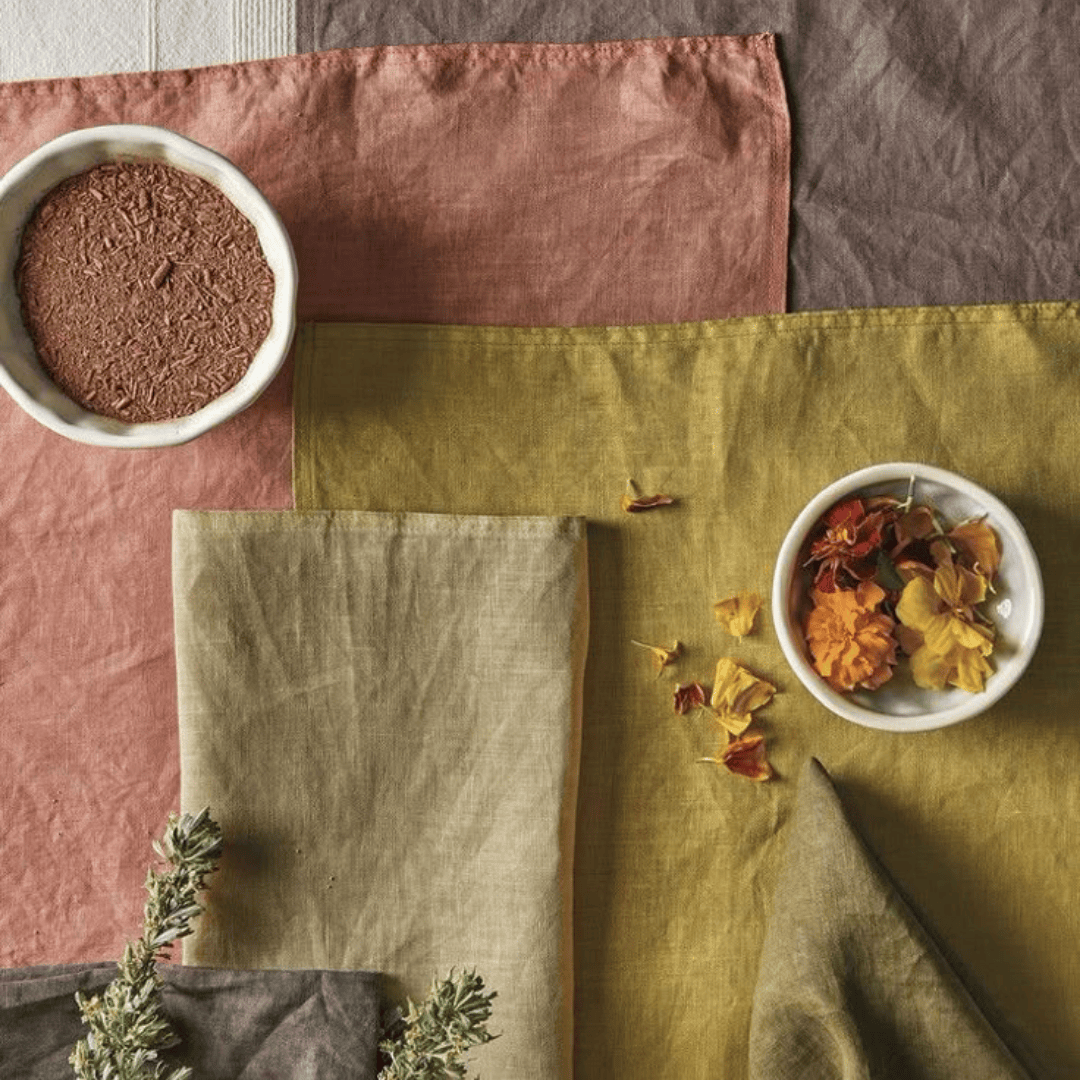
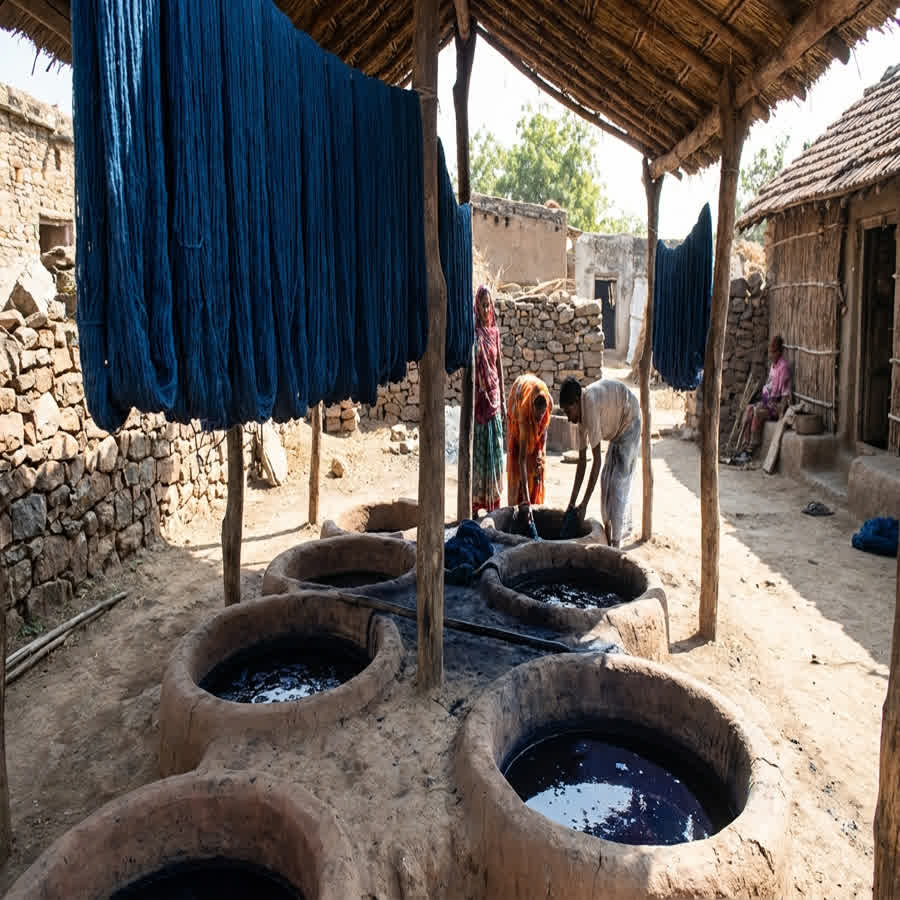
- Vegetable-Dyed Textiles: Free from harsh chemicals, dyed with plants, bark, and minerals.
- Wool-Cotton Blends: Soft warmth without synthetic itchiness.
These textiles are not only skin-friendly but also environmentally friendly fabrics, aligning with the dual demand for personal and planetary wellness.
Runways & the Rise of Skin-Friendly Fashion
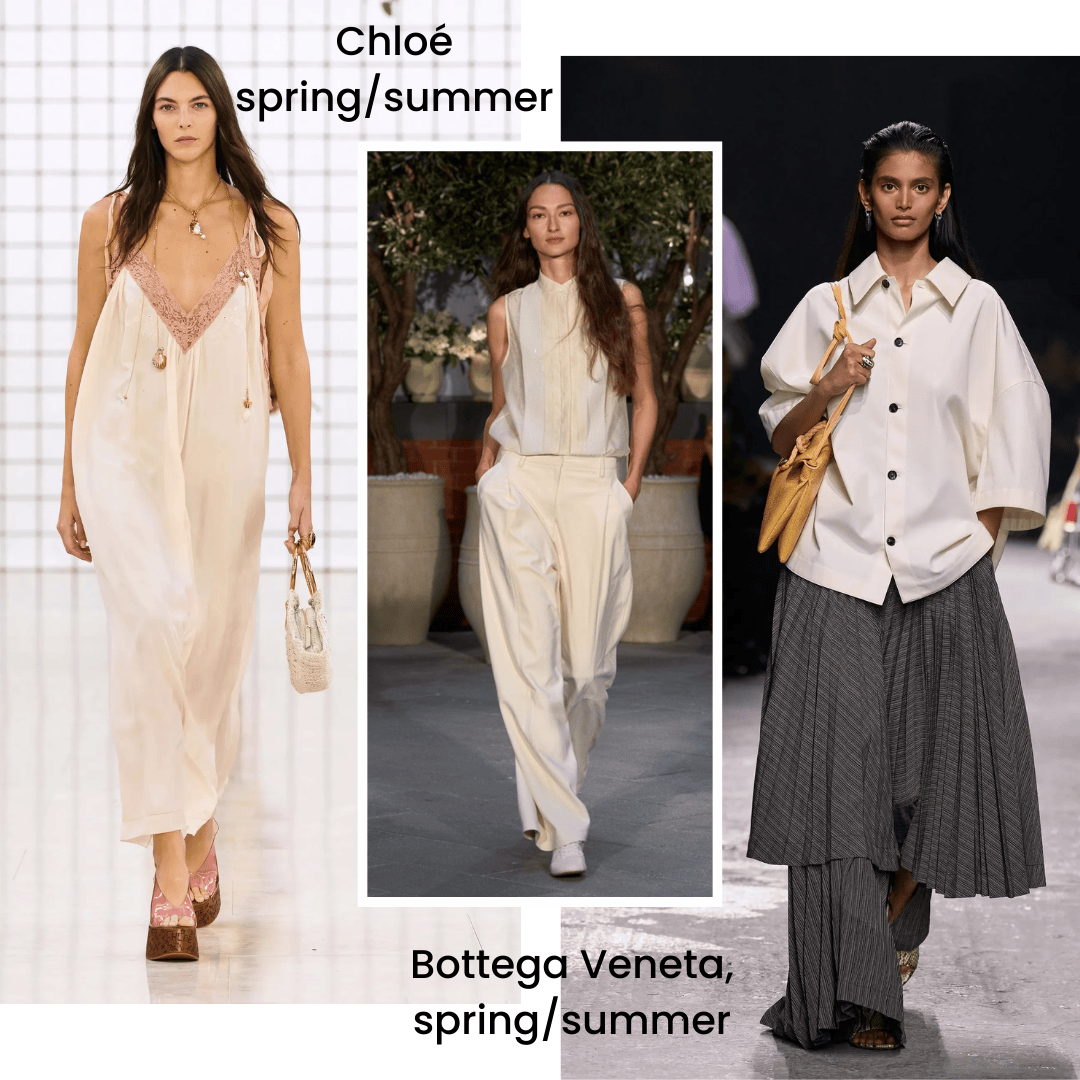
The 2025 runways are already echoing this shift. Designers in Paris and Copenhagen showcased undyed linens, handwoven cotton dresses, and naturally dyed scarves, emphasizing fabrics that care for the body.
Indian designers, too, are blending handlooms with modern silhouettes, positioning skin-friendly textiles as the new aspirational choice.
Luxury is now defined by how a garment makes you feel — physically and emotionally.
Tips on how can one identify skin-friendly fabrics when shopping: Check for
- Natural fiber content (cotton, silk, linen, wool)
- Certifications (organic, azo-free dyes)
- Labels mentioning eco-friendly or sustainable textiles
- Brands that emphasize artisanal, non-toxic processes
Anuprerna’s Skin-Friendly Promise
At Anuprerna, we’ve always believed that textiles should nurture, not harm. Our collections prioritize:
- Natural fibers sourced from cotton, silk, and linen.
- Azo-free and plant-based dyes that are safe for skin.
- Handloom processes that minimize chemical finishes.
- Traceability via ArtisanFlow, ensuring transparency from yarn to garment.
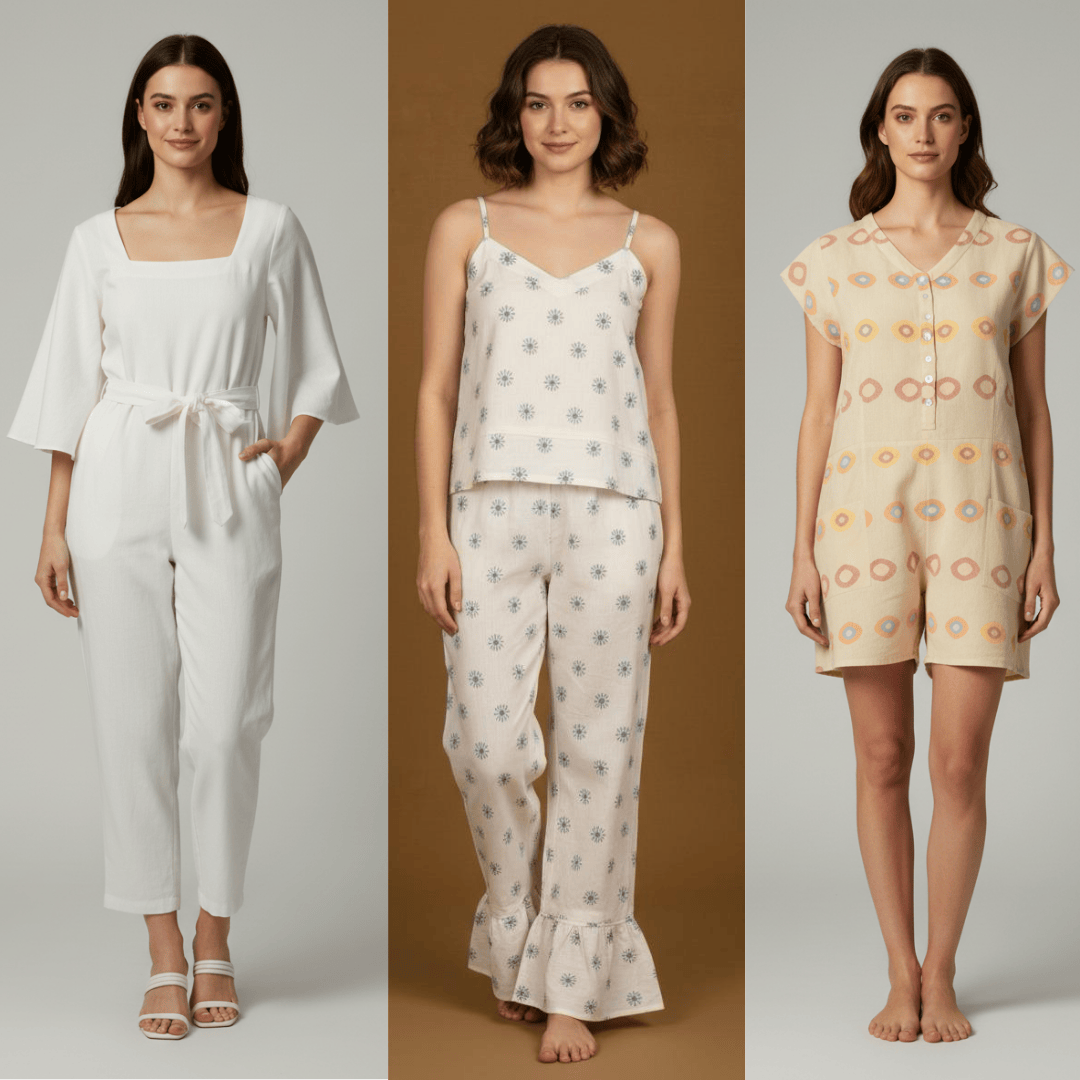
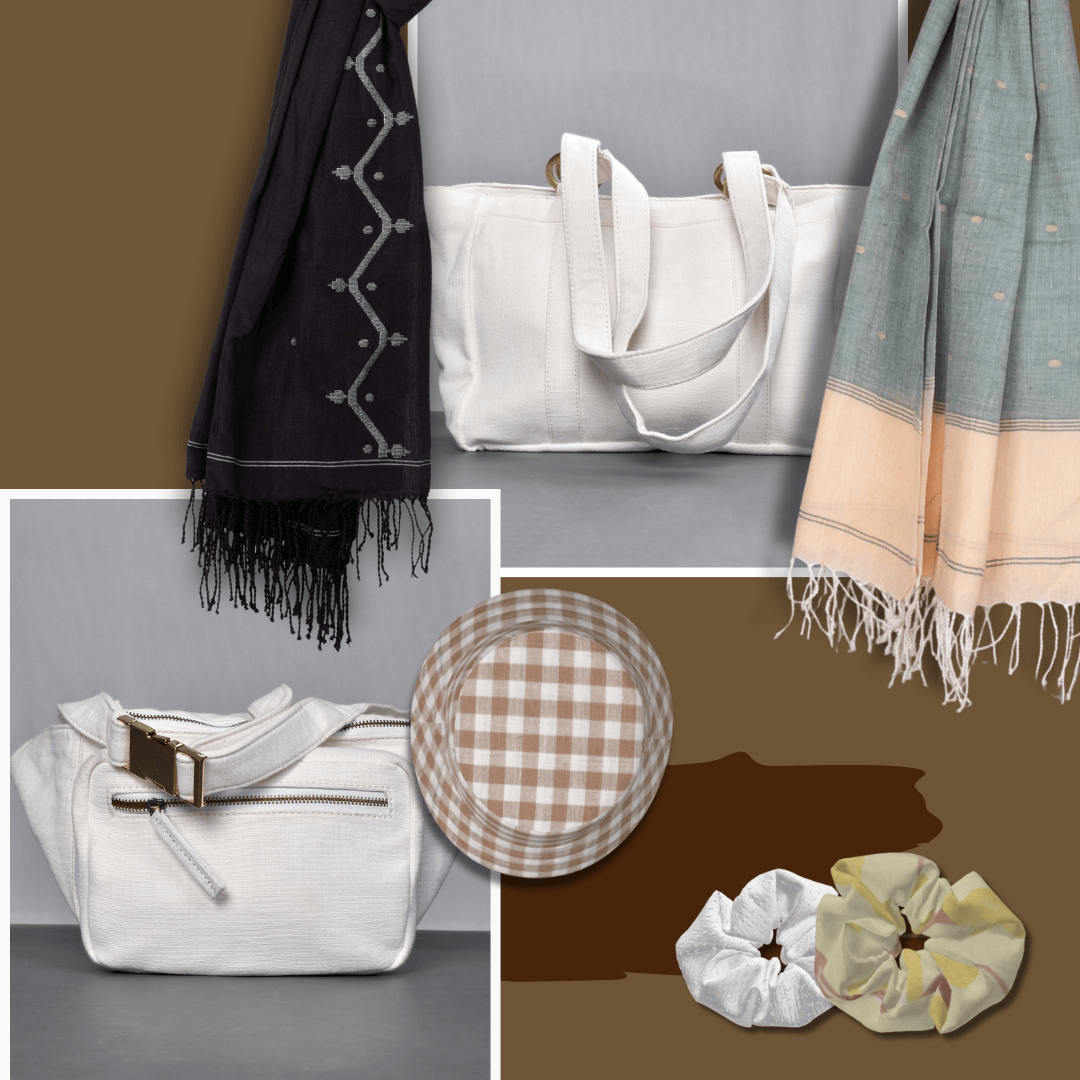
Whether it’s apparel, accessories, or homeware, every piece is designed to be as kind to your skin as it is to the environment.
Explore Anuprerna’s Skin-Friendly Handloom Collections
Conclusion
In 2025, skin-friendly fabrics are the new luxury. They represent a deeper kind of indulgence — one rooted in comfort, health, and consciousness.
As consumers seek harmony between body and environment, the Sustainable woven into natural, sustainable textiles makes them more desirable than ever.
The future of fashion is not just about looking good. It’s about feeling good, living well, and wearing fabrics that care.
related questions
What makes a fabric skin-friendly?
Skin-friendly fabrics are made from natural fibers like cotton, linen, silk, or wool blends. They are breathable, hypoallergenic, and processed with minimal or non-toxic dyes and finishes, making them gentle on the skin.
Are natural fabrics better for sensitive skin?
Yes. Natural fabrics for clothing such as khadi cotton, linen, and silk allow airflow, regulate moisture, and are less likely to cause rashes or irritation compared to synthetic textiles.
How do dyes affect skin-friendliness?
Chemically heavy dyes can cause allergies or skin irritation. Vegetable dyes and azo-free dyes used in sustainable textiles are safe for both the skin and the environment.
How can I identify skin-friendly fabrics when shopping?
Check for: Natural fiber content (cotton, silk, linen, wool) Certifications (organic, azo-free dyes) Labels mentioning eco-friendly or sustainable textiles Brands that emphasize artisanal, non-toxic processes
More Blogs
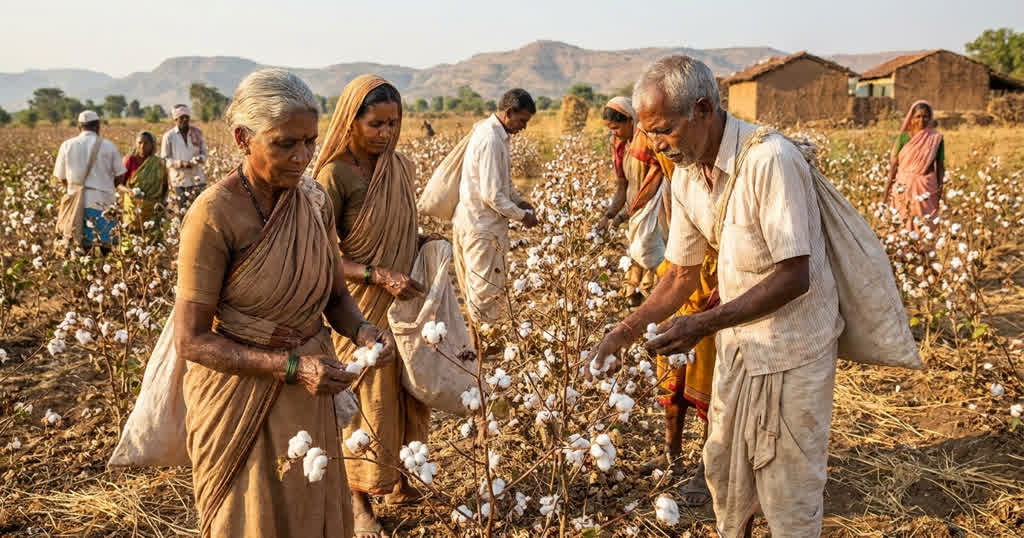
why organic fabric suppliers are growing in india
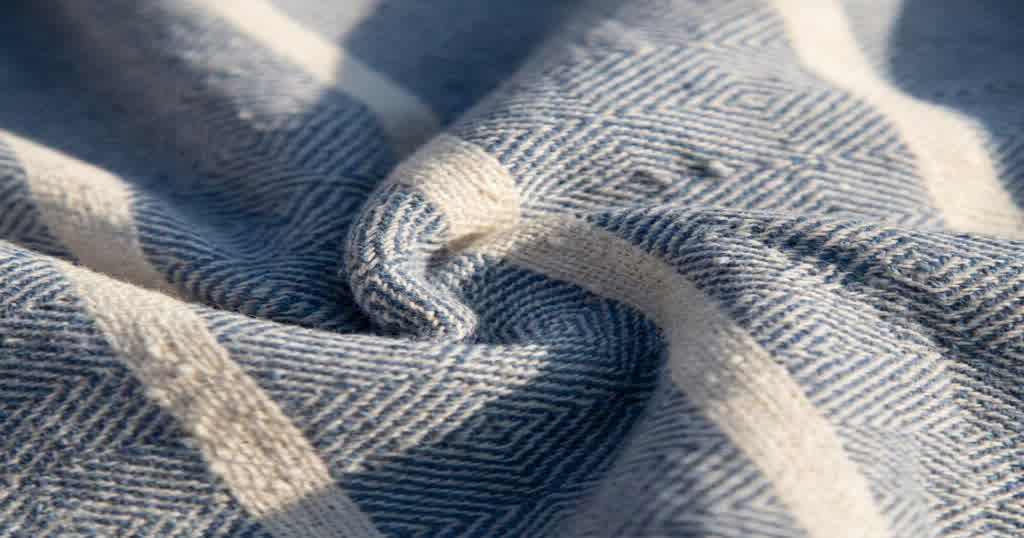
jacquard fabric in modern fashion
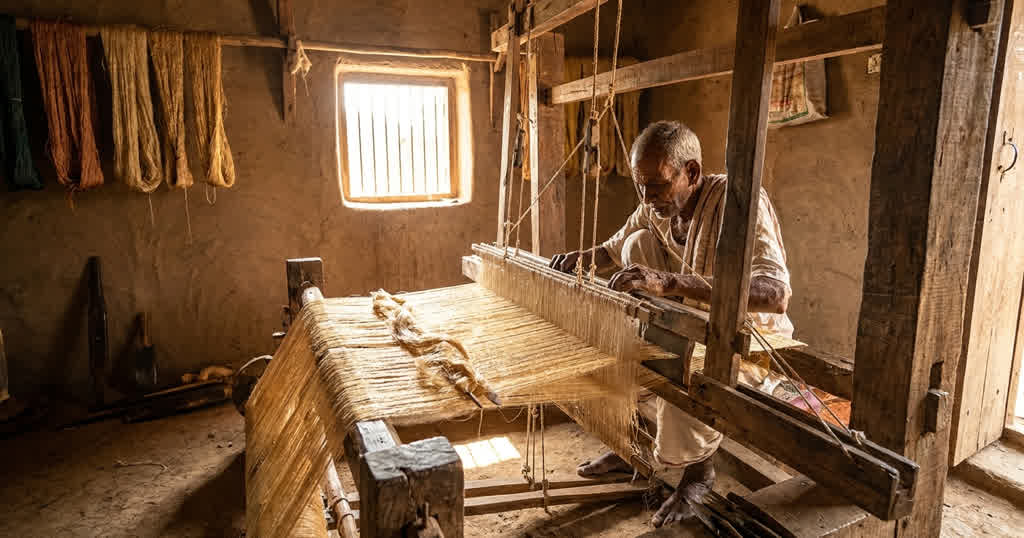
how silk manufacturers preserve traditional craftsmanship
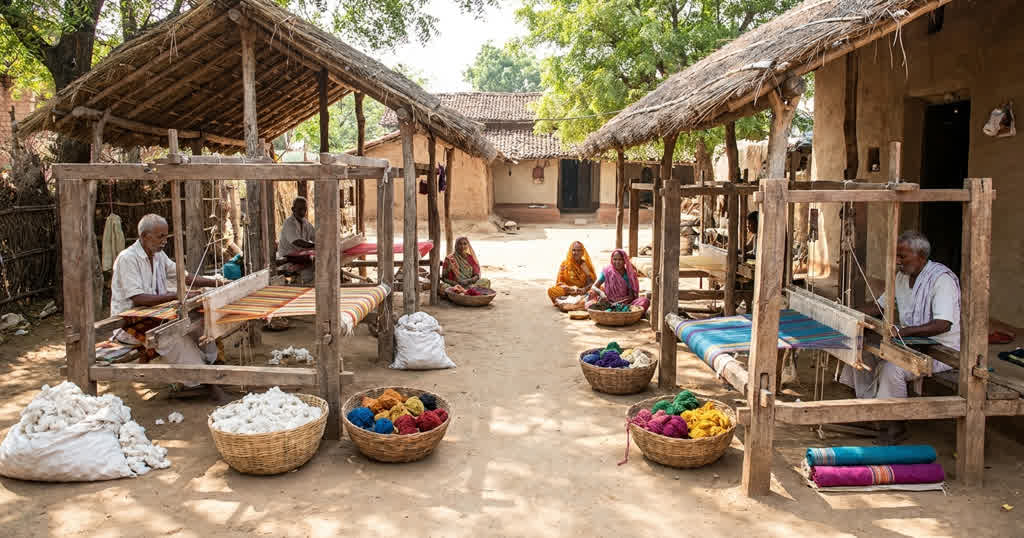
indian fabric wholesale: a guide to sourcing handwoven textiles
how indian fabric exporters meet global quality standards
jacquard vs embroidery: what's the difference?