TANGALIYA WEAVING

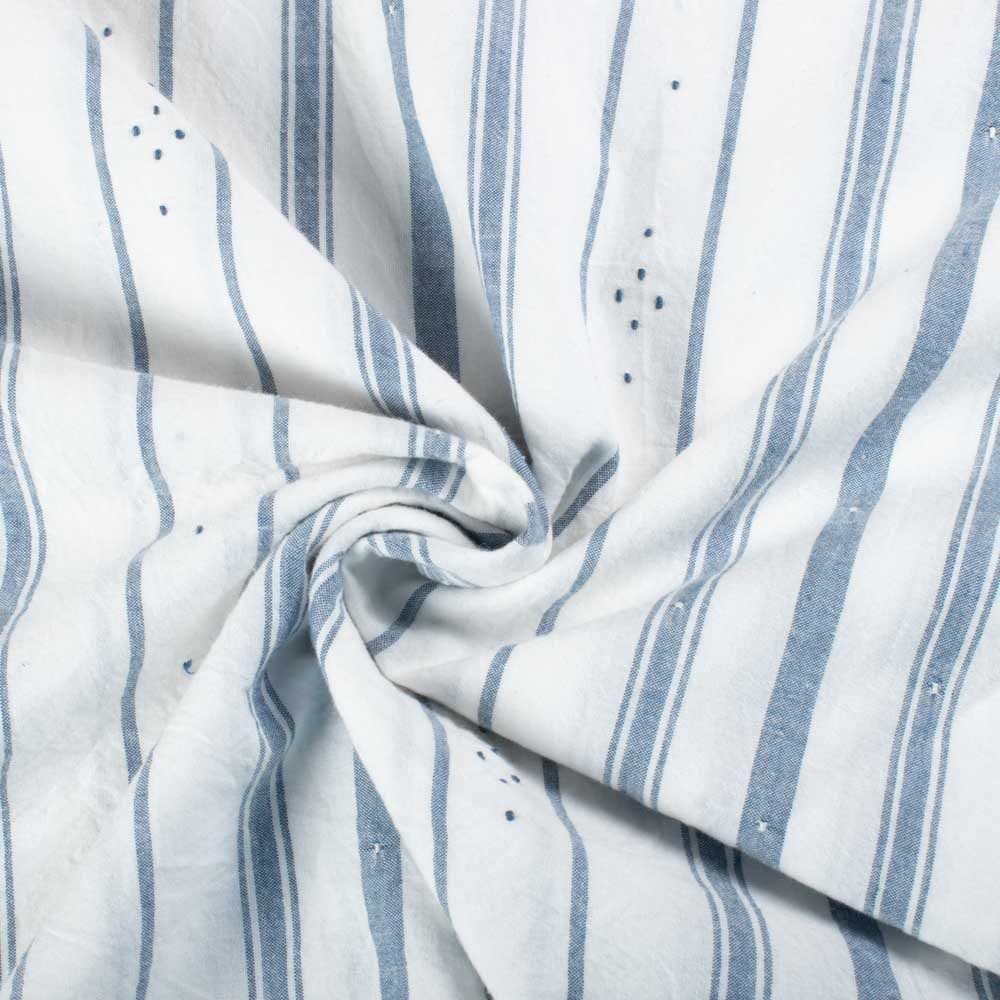
Tangaliya weaving is a traditional Indian handloom technique distinguished by its intricate, bead-like patterns created by hand-twisting additional yarn around the warp threads during weaving. Originating in Gujarat, this centuries-old craft transforms tiny raised dots into beautiful geometric and decorative patterns. The distinctive texture and handcrafted detailing of Tangaliya fabric reflect the precision, patience and artistic expertise of traditional Indian weavers.
Tangaliya Craft Story
INTRODUCTION
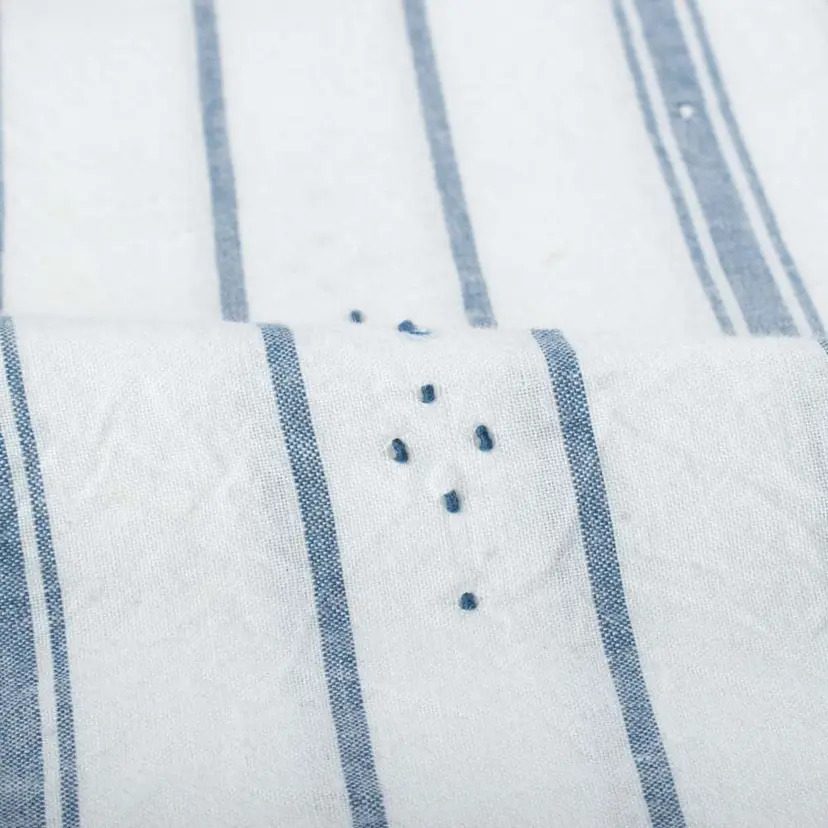
Tangaliya weaving, also known as Daana weaving, is a traditional handloom technique in which supplementary yarn is manually twisted around selected warp threads to create small, raised dots on the fabric.
While the technique shares certain similarities with Jamdani weaving, Tangaliya is distinguished by its method of motif formation. Instead of weaving elaborate motifs directly with supplementary weft threads, artisans create individual bead-like dots that collectively form intricate patterns.
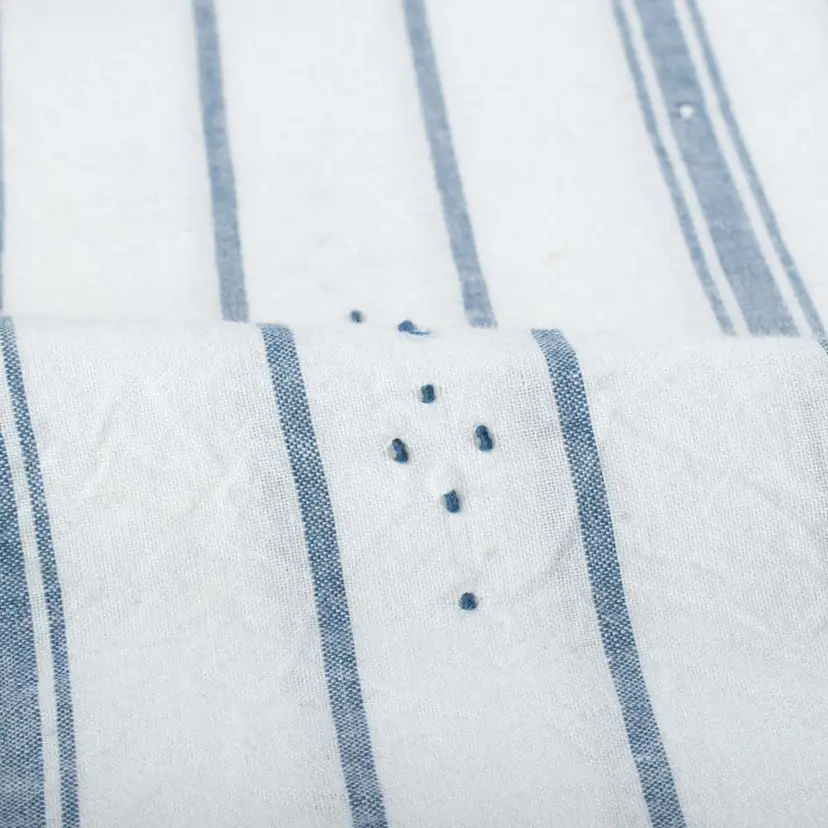
Each dot is carefully positioned by hand during the weaving process, giving Tangaliya fabric a distinctive three-dimensional texture resembling delicate bead embroidery. However, these decorative elements are formed entirely with yarn and are integrated into the fabric itself.
TANGALIYA MOTIFS
Traditional Tangaliya motifs are inspired by nature, everyday surroundings and the cultural heritage of Gujarat. The characteristic feature of this craft is the arrangement of tiny raised dots into geometric and decorative compositions.
Traditional designs include flowers, peacocks, trees, diamonds, squares, triangular patterns and decorative borders. From simple scattered dots to elaborate geometric arrangements, every motif is created through the careful placement of individual yarn beads.
Contemporary Tangaliya work also incorporates minimalistic patterns, abstract designs, contrasting colours and modern geometric compositions, making the craft suitable for contemporary fashion and textile applications.
HISTORY OF TANGALIYA TEXTILE
Tangaliya weaving is believed to have a history spanning approximately 700 years, originating in the Saurashtra region of Gujarat, particularly in the Surendranagar district.
The craft has traditionally been practised by the Dangasiya weaving community, whose knowledge and skills have been passed down through generations. Originally, Tangaliya textiles were woven using wool and were commonly used for traditional shawls, wraps and garments worn by local communities.
Over time, the craft evolved to incorporate cotton and finer yarns, expanding its application beyond traditional clothing. Today, Tangaliya weaving represents a distinctive part of India's handloom heritage, combining traditional craftsmanship with contemporary textile design.
THE PROCESS OF MAKING TANGALIYA FABRIC
STEP 1: PREPARATION
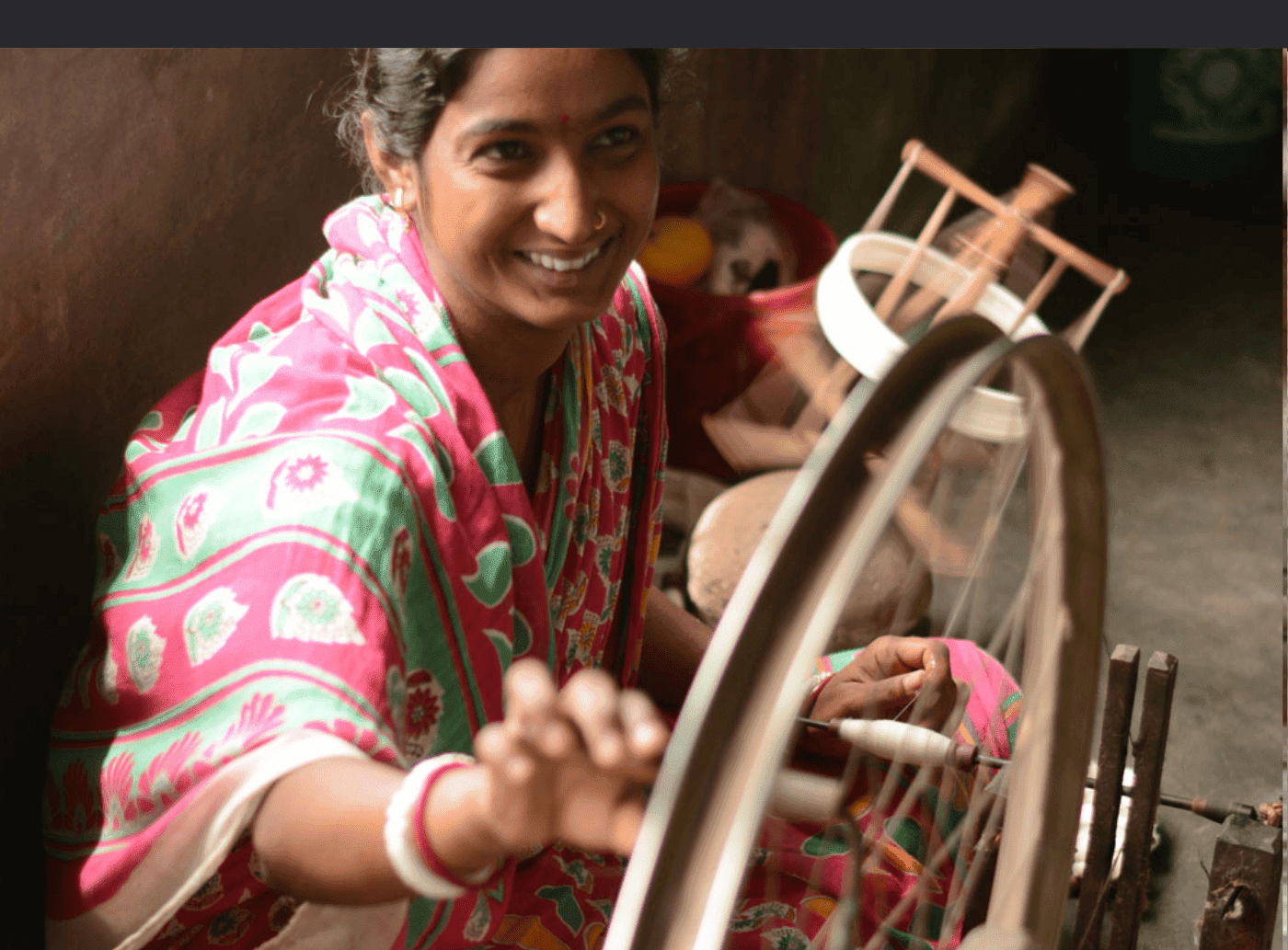
The process begins with selecting and preparing the yarn according to the desired fabric structure, colour combination and motif design. Separate yarns are prepared for the warp, main weft and the supplementary yarn used to create the raised dots.
The warp yarns are carefully arranged and prepared for loom setting.
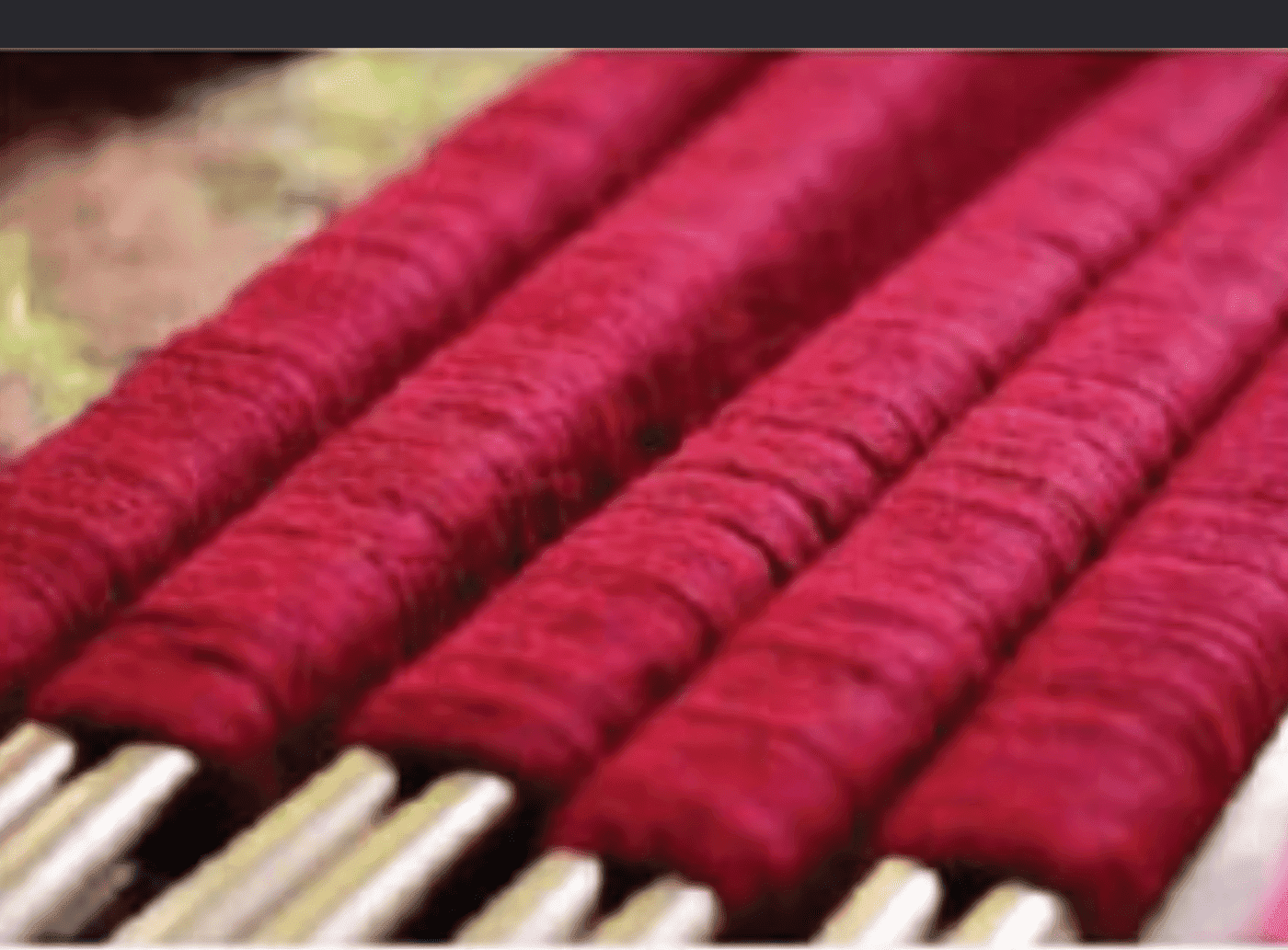
STEP 2: DYEING
The yarns are dyed according to the selected colour palette and design requirements. Contrasting colours are often chosen for the supplementary yarn to highlight the Tangaliya motifs against the base fabric.
The dyed yarns are dried and prepared for the weaving process.
STEP 3: WEAVING
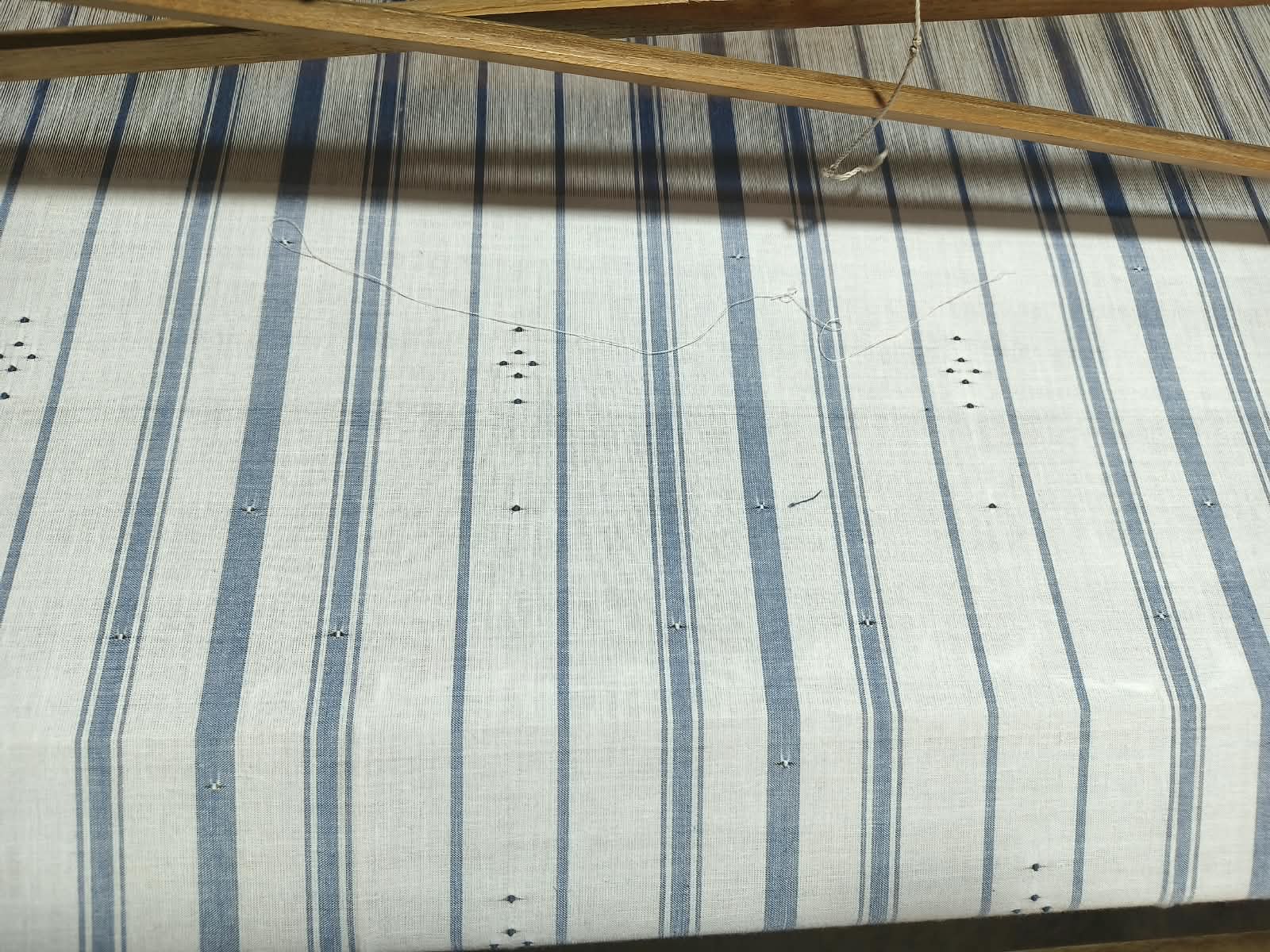
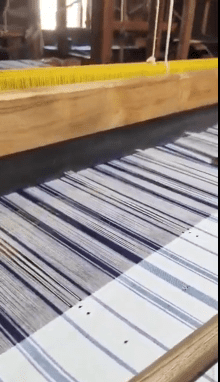
The handloom is set up with the warp and weft yarns that form the base structure of the fabric. The artisan begins weaving the fabric while carefully identifying the positions where the decorative motifs will be created.
Unlike conventional weaving, Tangaliya requires frequent interruptions in the regular weaving process to incorporate the individual decorative dots.
STEP 4: CREATING THE TANGALIYA MOTIFS
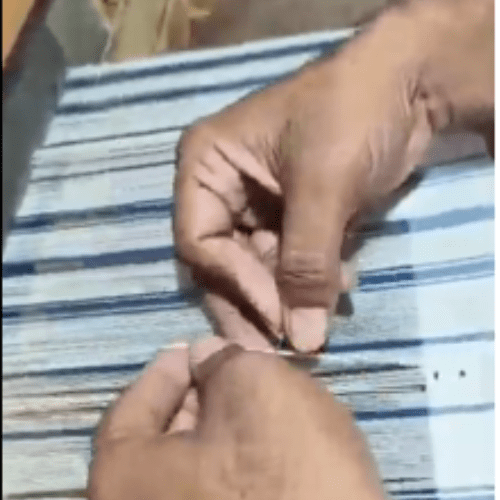
During weaving, the artisan selects a small group of warp threads and carefully twists an additional yarn around them by hand. This creates a small, raised, bead-like dot known as Daana.
The process is repeated at predetermined intervals, following the desired motif layout. Each individual dot contributes to the formation of the overall design.
The intricate nature of Tangaliya work requires exceptional hand coordination, precision and patience, as every decorative dot is created individually.
STEP 5: FINISHING
Once the weaving is completed, the fabric is removed from the loom and inspected for consistency in texture, motif placement and weaving quality.
Depending on the yarn composition and desired finish, the fabric undergoes washing and finishing processes to achieve its final appearance and texture while preserving the raised characteristics of the Tangaliya motifs.
TIMELINE OF TANGALIYA PRODUCTION
Tangaliya weaving is a labour-intensive process that requires skilled artisans and considerable attention to detail.
- 1-2 weeks: Yarn dyeing and preparation.
- 1-2 weeks: Warp preparation and loom setting
- 1-2 weeks: Handweaving and individual motif formation
- 1-2 weeks: Washing, quality inspection and finishing
The production timeline varies depending on the yarn composition, fabric quantity, complexity of the design and density of the handwoven dots. Fabrics featuring intricate or densely arranged motifs require additional weaving time.
THE DISTINCTIVE TEXTURE OF TANGALIYA FABRIC
The beauty of Tangaliya fabric lies in its raised, bead-like surface texture. Unlike printed patterns or conventional surface embroidery, Tangaliya motifs are integrated into the fabric during the weaving process.
When woven with fine cotton yarns, the craft can produce soft, breathable and lightweight textiles with subtle decorative detailing. The contrast between the base fabric and the raised yarn dots creates a visually appealing texture while retaining the natural character of handwoven textiles.
Small variations in the shape, spacing and appearance of the dots reflect the handcrafted nature of the fabric.
EVOLUTION OF TANGALIYA WEAVING
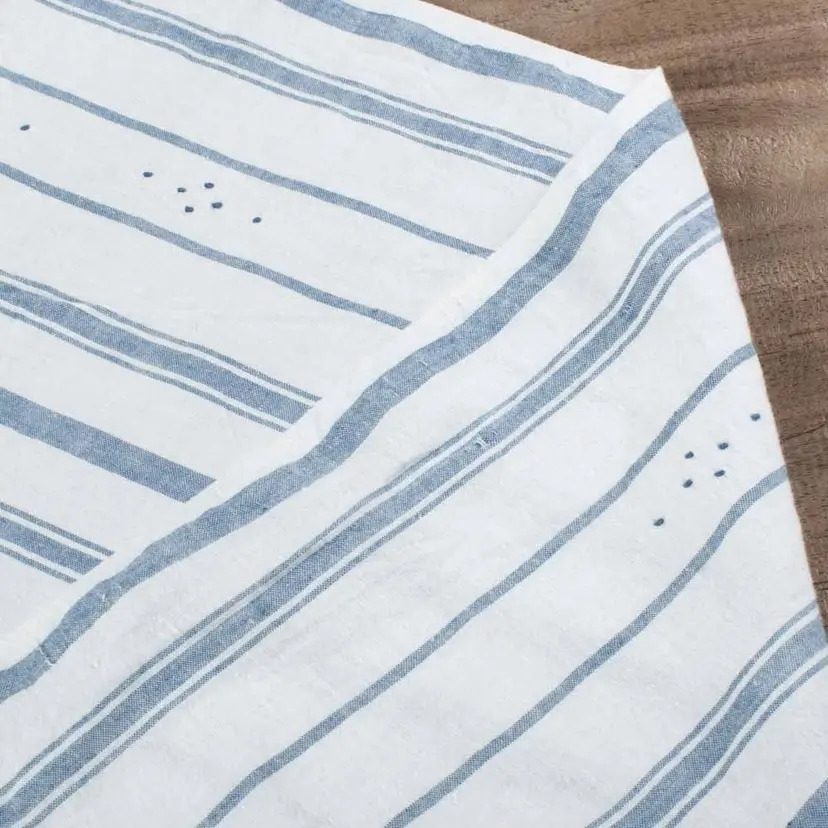
Traditionally associated with woollen shawls and regional garments, Tangaliya weaving has gradually evolved to accommodate contemporary textile and fashion requirements.
Modern interpretations of Tangaliya work explore finer yarns, neutral colour palettes, minimalistic motifs and experimental geometric arrangements. The technique offers designers the opportunity to incorporate tactile detailing into garments without relying on conventional prints or surface embellishments.
From shirts, dresses, tops and jackets to scarves, stoles and home textiles, Tangaliya fabric offers diverse possibilities for contemporary design while preserving the essence of traditional handloom craftsmanship.
frequently asked questions
How are the raised dots in Tangaliya fabric created?
The raised dots are created by manually twisting supplementary yarn around selected warp threads during weaving. Each dot, traditionally known as Daana, is individually crafted and carefully positioned to form distinctive patterns across the fabric.
Is Tangaliya work a form of embroidery?
Although Tangaliya work resembles bead embroidery, it is a weaving technique rather than conventional surface embroidery. The raised dots are incorporated into the fabric during the weaving process itself.
Can Tangaliya motifs be customised?
Tangaliya motifs can be customised in terms of colour, size, spacing, placement and pattern arrangement, subject to technical feasibility. Designers can explore scattered dots, geometric compositions, decorative borders and abstract patterns.
Why do Tangaliya motifs have slight irregularities?
Every dot in Tangaliya work is individually created by hand. Minor variations in size, shape and placement are natural characteristics of the handcrafted weaving process and contribute to the individuality of each textile.
More Stories
jamdani loom embroidery
handloom jacquard
kantha embroidery
eco printing

khesh recycled fabric
madhubani wall art