Cotton Shirts for Men Online: A Guide to Fabric Types, Weaves and Quality
Independent designers launching collections of cotton shirts for men online face a saturated e-commerce market filled with generic, mill-made garments. Standing out requires moving beyond basic labels to source authentic artisanal textiles that photograph beautifully and offer tangible structural benefits. Buyers need materials that provide a distinct tactile experience right out of the box. The decision to select a specific cotton shirt fabric dictates garment longevity, dye uptake, and the brand's sustainability narrative.
Understanding the technical specifications of pure cotton shirts, from yarn count to weave structure, allows sourcing leads to build traceable, high-margin collections. Armed with these material facts, brands can confidently market garments that resonate with conscious consumers seeking lasting quality.
Decoding Cotton Shirt Fabric: Why Yarn Count and GSM Matter for Menswear
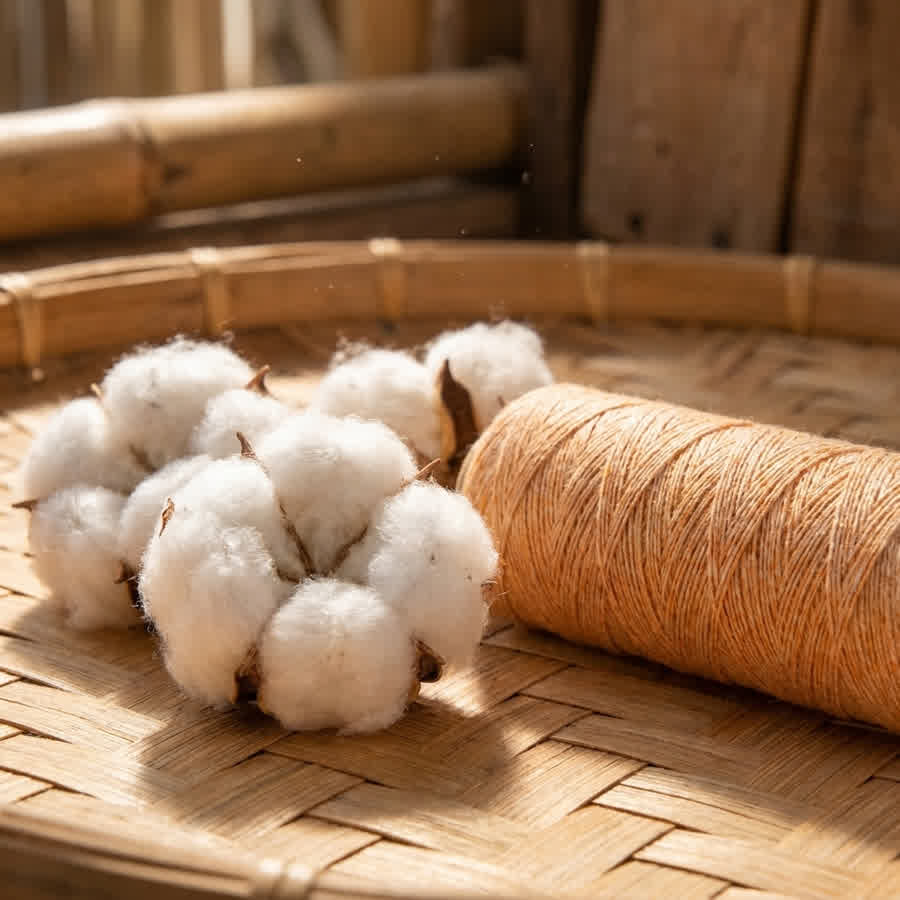
Yarn count and GSM dictate the weight, durability, and seasonality of a garment, with ideal menswear weights ranging from 100 to 180 GSM depending on the intended climate. Selecting the right specifications for cotton shirt fabric ensures the garment drapes correctly while maintaining structural integrity over time. Designers must balance these metrics to create pure cotton shirts that perform well in daily wear.
Understanding Yarn Count and Staple Length
The foundation of any premium textile begins with the raw fiber and how it is spun. Yarn count, measured in the English Cotton Count system or Ne, indicates the fineness of the spun thread. Standard menswear typically utilizes counts between 40s to 80s Ne, providing a reliable balance of opacity and breathability. Luxury collections often push this metric higher, utilizing yarns up to 120s Ne for an exceptionally smooth, silky hand-feel.
Achieving these high yarn counts requires raw material with a long staple length, which refers to the physical length of the individual cotton fibers. Short fibers create fuzzy, weak yarns, while long-staple varieties allow spinners to twist finer, tighter threads. Sourcing long-staple cotton provides several structural advantages for a cotton shirt for men:
- Higher tensile strength ensures the fabric resists tearing under tension.
- Lower pilling rates keep the collar and cuffs looking crisp after multiple washes.
- Smoother surface texture allows for sharper, more uniform dye uptake.
Selecting the Right GSM for Menswear
While yarn count determines fineness, GSM measures the actual density and weight of the woven cloth. B2B buyers must align the fabric weight with the intended season and function of the garment. A dense fabric will trap heat, while a lightweight cloth might lack the opacity required for professional settings.
For designers building a comprehensive collection, categorizing fabrics by weight simplifies the sourcing process. The standard ranges for menswear shirting include:
- 100-120 GSM works perfectly for summer poplins, offering high breathability and a light, airy drape.
- 140-180 GSM suits heavier oxfords and twills, providing the structure needed for cooler climates.
- 120-140 GSM serves as a versatile middle ground for year-round, everyday shirting.
Specifying these exact metrics when communicating with suppliers prevents costly sampling errors. It guarantees that the resulting pure cotton shirts men purchase will match the seasonal expectations marketed by the brand.
Essential Cotton Weave Types: From Crisp Poplin to Textured Oxford
Different weave structures determine the texture, breathability, and formality of a garment, ranging from the smooth surface of poplin to the rugged texture of an oxford. Selecting specific cotton weave types allows designers to control how the fabric interacts with light, air, and the wearer's body. The architecture of the interlacing yarns directly influences the final aesthetic of any cotton shirt for men.
Plain Weaves for Formal and Summer Shirting
The most fundamental construction in textile manufacturing is the plain weave, where warp and weft threads cross in a simple one-over, one-under pattern. This tight interlacing creates a flat, uniform surface ideal for formalwear and crisp summer garments. Poplin stands as the industry standard for dress shirts, utilizing a fine warp and a slightly thicker weft yarn. This creates a subtle ribbed effect and a dry, crisp hand-feel that holds a pressed crease beautifully.
Another popular plain weave variation is chambray, which achieves its distinctive mottled appearance through color rather than structure. Weavers use a dyed warp yarn and a white weft yarn, resulting in a fabric that resembles lightweight denim but retains the breathability of a plain weave. When sourcing cotton shirts for men online, chambray offers a versatile option that bridges the gap between casual and professional attire.
- High thread density in plain weaves prevents wind penetration.
- Smooth surface areas provide an ideal canvas for intricate block printing.
- Lightweight structures make these weaves well suited for humid climates.
Complex Weaves for Texture and Drape
Moving beyond the basic plain weave, complex structures introduce distinct textures and heavier drapes suitable for cooler weather. Twill fabrics feature a diagonal rib pattern created by floating weft yarns over multiple warp yarns before interlacing. This structure yields a softer, more pliable fabric that resists wrinkling, making it a favorite for travel-friendly pure cotton shirts.
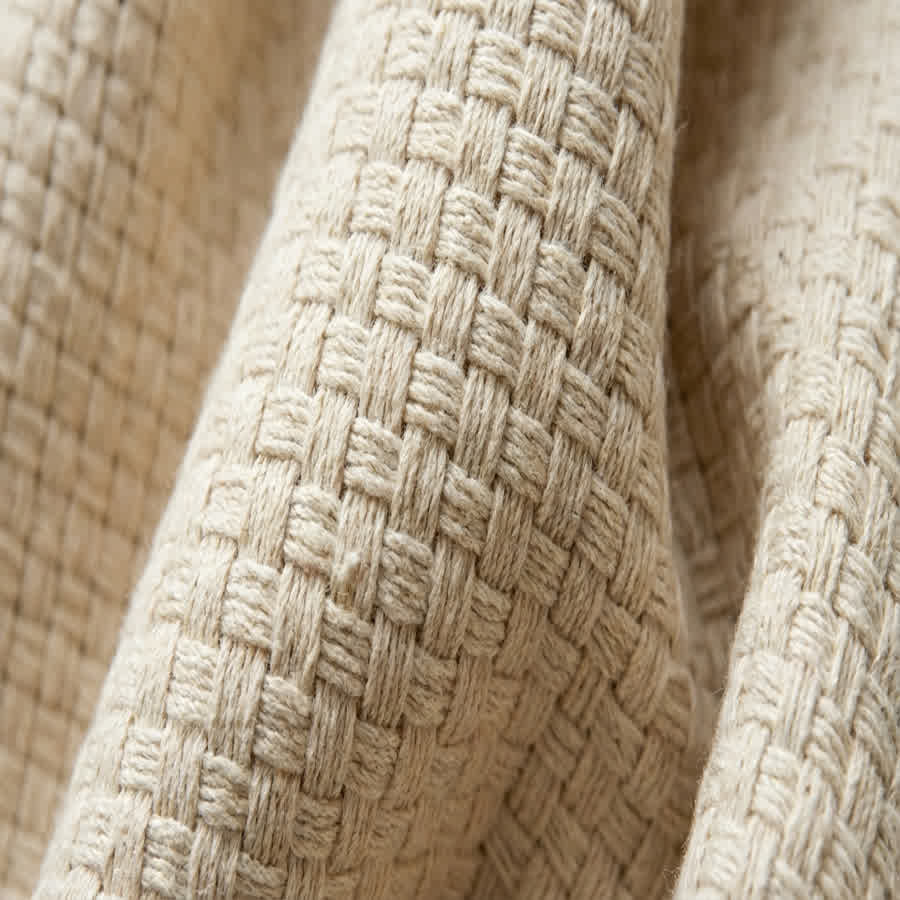
The oxford weave utilizes a basket-weave variation, where multiple warp yarns cross over an equal number of weft yarns. This creates a slightly rougher, highly durable texture with excellent breathability. B2B buyers often specify oxford cloth for casual button-down collars.
- Diagonal twill lines create a natural mechanical stretch for added comfort.
- Basket-weave structures in oxfords increase air circulation around the torso.
- Heavier fabric weights in these weaves provide excellent opacity and warmth.
The Handloom Advantage: Improve Pure Cotton Shirts Men Actually Want to Wear
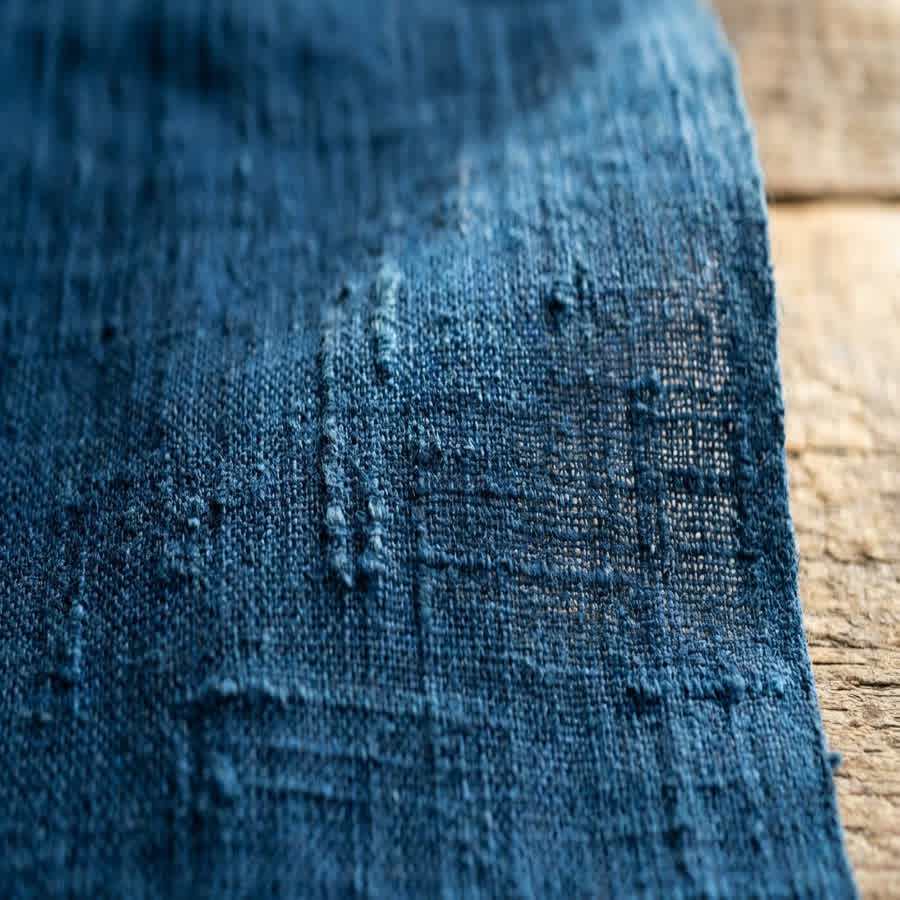
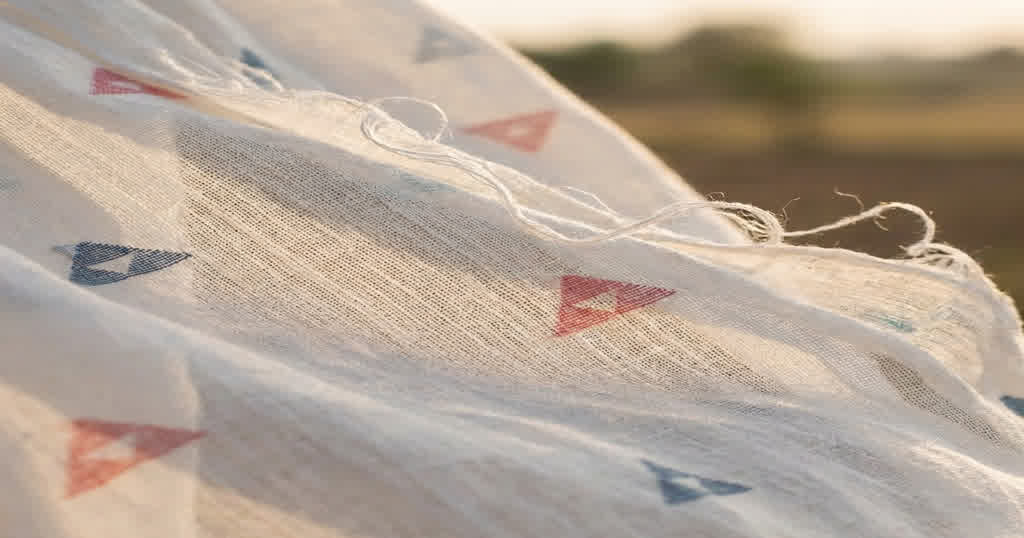
Handloom weaving applies lower tension to the warp yarns compared to industrial power looms, resulting in micro-ventilated structures with superior air permeability and unique tactile slubs. This traditional method produces pure cotton shirts men find noticeably more breathable and comfortable in warm climates. For brands selling cotton shirts for men online, highlighting this artisanal construction provides a distinct competitive advantage over mass-produced alternatives.
The Material Science of Low-Tension Weaving
Industrial power looms operate at high speeds, requiring immense tension on the warp yarns to prevent breakage during production. This high tension packs the yarns tightly together, creating a dense, uniform cloth that often restricts airflow. In contrast, a human weaver operating a wooden handloom applies significantly lower, variable tension to the cotton shirt fabric.
This gentle handling preserves the natural elasticity of the cotton fiber and creates microscopic gaps between the interlacing threads. These micro-ventilated structures allow body heat to escape and breezes to penetrate the garment. The resulting fabric possesses a soft, lofty texture that machine-made textiles attempt to replicate but rarely achieve.
- Higher air permeability keeps the wearer cool without sacrificing fabric opacity.
- Natural yarn slubs create a visually rich, three-dimensional surface texture.
- Lower mechanical stress during weaving extends the overall lifespan of the fibers.
India's Legacy of Artisanal Cotton
India holds a profound historical legacy in the production of hand-spun and handwoven cotton, setting early global standards for menswear textiles. The intricate hand-manipulation of yarns gave rise to legendary fabrics like Khadi and fine Bengal Muslin. These textiles were prized globally for their weightless feel and exceptional climate adaptability.
Today, we work with rural weaving clusters across Bengal to sustain these exact techniques. Sourcing these heritage cotton weave types allows contemporary designers to offer garments rooted in centuries of material refinement. The slight irregularities inherent in hand-spun yarns are not defects, but rather the signature of authentic human craftsmanship.
- Hand-spun Khadi yarns trap air, providing insulation in winter and cooling in summer.
- Decentralized production supports rural economies and preserves generational weaving knowledge.
- Zero-electricity looming significantly reduces the carbon footprint of the raw material phase.
Sourcing Strategy: Building a Standout Collection of Cotton Shirts for Men Online
Building a standout collection requires partnering with decentralized artisan networks to secure manageable minimum order quantities (MOQs) and fully traceable, bespoke fabric developments. This sourcing strategy allows independent labels to differentiate their cotton shirts for men online through ethical production narratives and exclusive textile designs. By bypassing conventional industrial mills, brands can access unique materials that command premium retail pricing.
Managing MOQs and Custom Developments
A primary hurdle for boutique fashion brands is the massive volume requirement imposed by conventional textile mills. Sourcing high-quality cotton shirt fabric often demands ordering thousands of meters per colorway, tying up capital and leading to deadstock. Decentralized handloom networks operate on a completely different scale, offering the flexibility that independent designers require to test new markets.
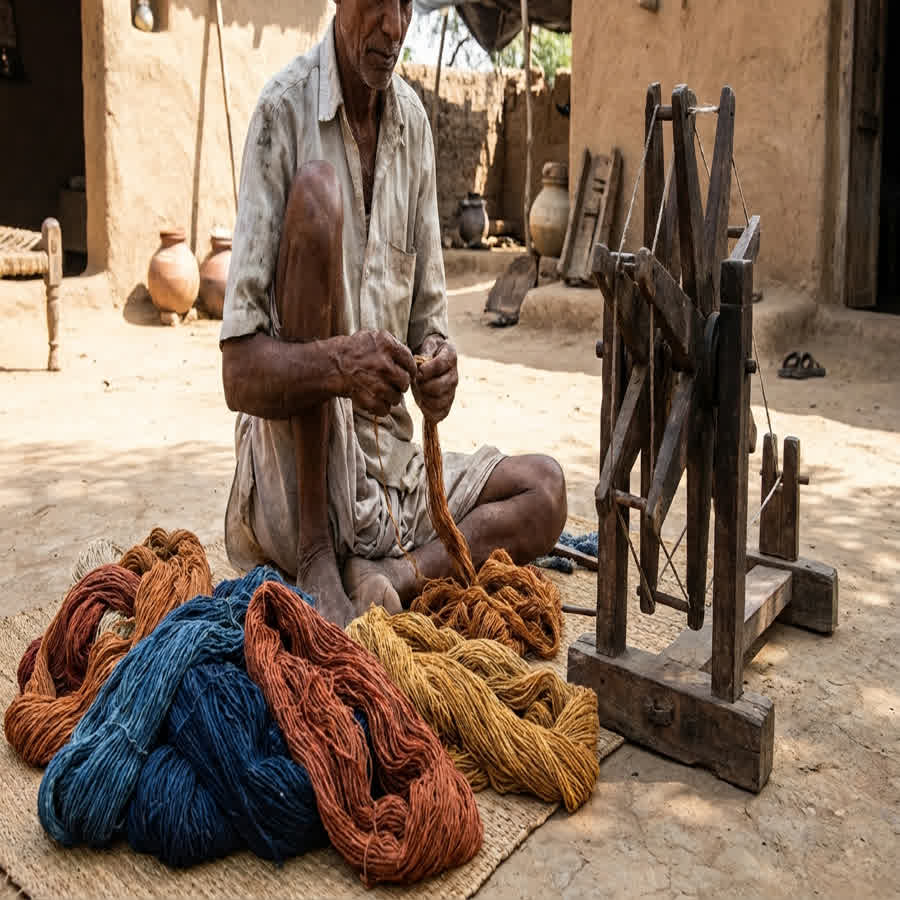
Working directly with artisan clusters allows sourcing leads to commission custom cotton weave types in much smaller batches. We currently coordinate with multiple weaving communities, enabling brands to specify exact yarn counts, weave structures, and natural dye applications. This agility is crucial for brands releasing limited-edition capsules of pure cotton shirts.
- Low minimum order quantities reduce inventory risk for emerging menswear labels.
- Bespoke weave developments ensure the fabric cannot be found at competing fast-fashion retailers.
- Direct artisan communication allows for rapid prototyping of new seasonal textures.
Marketing Traceability and Craft
In a crowded digital marketplace, the physical quality of a garment must be matched by a compelling, verifiable origin story. Consumers purchasing premium menswear expect transparency regarding where and how their clothing was made. Sourcing from rural Indian handloom weavers provides a rich, factual narrative centered on ethical production and cultural preservation.
Designers can document the journey from the spinning wheel to the loom, sharing the specific districts and clusters involved in the creation of their garments. This level of supply chain traceability transforms a basic commodity into a conscious luxury statement. When a brand clearly articulates the material science and human skill behind their textiles, they build deep trust with their customer base.
- Transparent origin stories justify premium pricing and increase customer loyalty.
- Documented artisan partnerships fulfill increasingly strict ESG sourcing requirements.
- Distinctive handloom textures photograph exceptionally well, driving higher engagement in e-commerce stores.
Explore Our Collection
Anuprerna works directly with handloom artisan clusters to weave cotton shirts for men online for designers and brands building considered collections. To source it for your next line, explore the range below.
frequently asked questions
What is the ideal GSM for pure cotton shirts for men?
The ideal GSM ranges from 100-120 for lightweight summer shirts to 140-180 for year-round, textured weaves like Oxford or Twill. Selecting the correct weight ensures the garment provides the necessary durability, drape, and climate appropriateness. Summer poplins and handloom muslins require the lower end of this spectrum to maximize breathability.
How do handloom cotton weave types differ from mill-made fabrics in menswear?
Handloom weaves are crafted with lower tension on the loom, resulting in a fabric with higher air permeability, better drape, and unique slub textures. These subtle irregularities create a micro-ventilated structure that machine-made fabrics cannot easily replicate. This distinct tactile quality appeals to premium buyers looking for authentic, non-homogenized garments.
Why is staple length critical when sourcing cotton shirt fabric?
Staple length dictates the fineness and strength of the spun yarn, with long-staple cotton producing smoother, stronger, and less prone to pilling fabrics. Extra-long-staple (ELS) fibers can be spun into very fine yarns (up to 120s Ne) required for luxury shirting. This results in a higher tensile strength that extends the garment's lifespan significantly.
Can we source custom cotton weave types for our menswear label through Anuprerna?
Yes, Anuprerna's decentralized artisan network allows B2B buyers to develop custom weave structures, specific yarn counts, and bespoke natural dyeing techniques with manageable MOQs. This flexibility is well suited for independent labels building exclusive online collections. We work directly with rural clusters to translate your technical specifications into woven reality.
What is the difference between poplin and oxford cotton shirt fabric?
Poplin is a crisp, lightweight plain weave ideal for formalwear, while oxford is a heavier, textured basket weave suited for casual shirting. Poplin uses a simple over-under interlacing that creates a smooth surface for sharp tailoring. In contrast, the oxford weave crosses multiple yarns over each other, increasing durability and creating a distinct, rugged appearance.
More Blogs
designer kurta for men: the role of fabric, texture and handloom craft
is jacquard fabric good or bad for upholstery and apparel?

is silk good for hot weather? a summer fabric analysis
breathability tested: why handwoven cotton outperforms blends in summer
is french terry fabric good for summer or winter? a seasonal guide
the ultimate fashion dictionary: essential clothing terminology