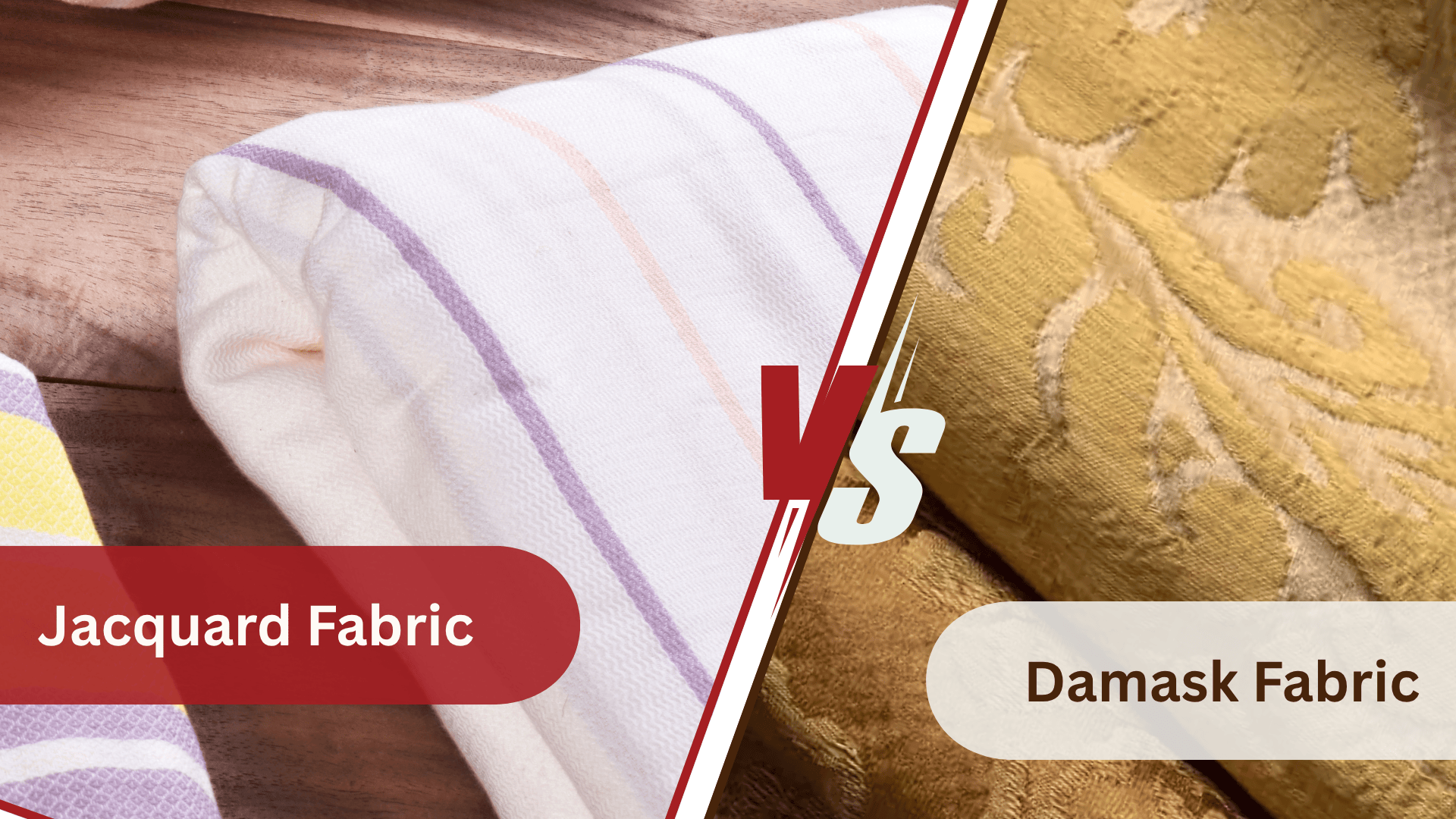
Damask vs Jacquard Fabric: What’s the Difference and Which One’s Right for You?

When sourcing premium textiles, terms like jacquard fabric and damask fabric often come up—but what do they actually mean? Are they the same? Is one a type of the other? As textile experts, we're here to unravel the threads of this mystery.
While both are known for their intricate patterns and luxurious texture, the difference lies in the weaving technique, fiber base, and intended use.
In this expert guide, we’ll break down the difference between damask cloth and jacquard cloth material, helping you make informed, aesthetic, and sustainable design choices.
What Is Jacquard Fabric?
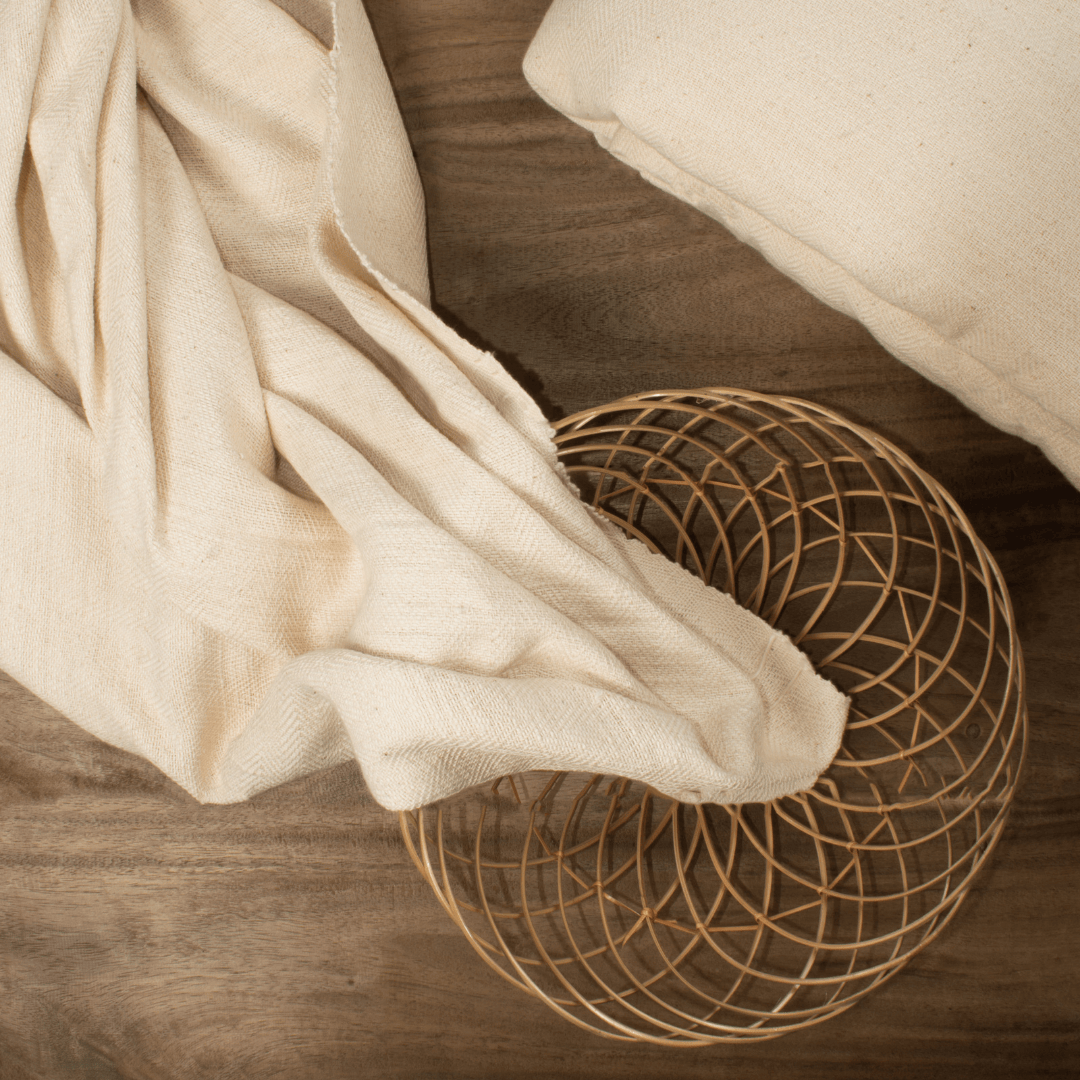
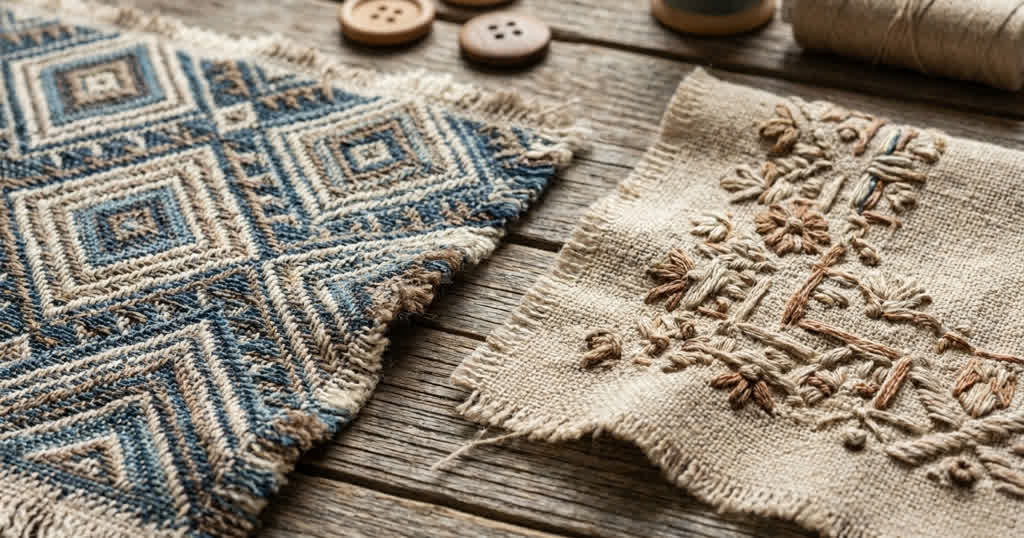
"Jacquard fabric" refers to any fabric woven on a jacquard loom, where complex patterns are integrated directly into the weave, rather than being printed or embroidered on top.
Key Features of Jacquard Fabric Material:
- Woven patterns (not surface printed).
- Can be floral, geometric, or abstract.
- Produced using natural or synthetic fibers (e.g., cotton, silk, wool, or blends).
- Slightly raised texture adds visual and tactile dimension.
Jacquard cloth material is commonly used in fashion, home décor, and upholstery due to its durability, elegance, and versatility.
Is jacquard fabric good?
Yes—especially for garments or furnishings that require structure and visual richness. It resists wrinkles and holds shape well, making it ideal for outerwear, structured dresses, or jackets.
What Is Damask Fabric?
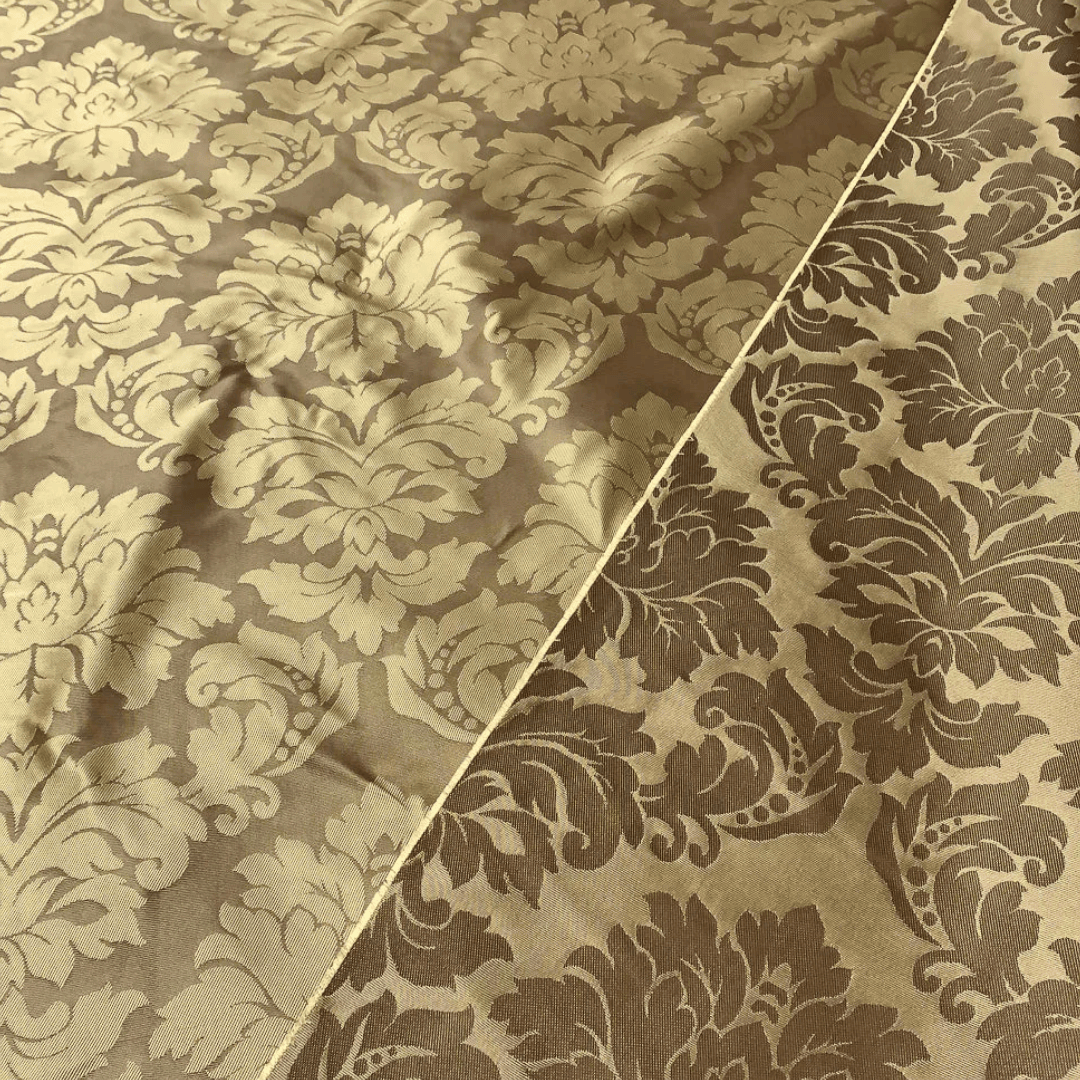
Damask fabric is actually a type of jacquard fabric—but with a unique signature: it features a reversible pattern, usually floral or baroque, created using a contrast between matte and shiny yarns.
Characteristics of Damask Cloth:
- One-color patterns (tone-on-tone) using satin and sateen weaves.
- Often made from silk, linen, or cotton.
- Patterns look different on the front and back due to light reflection.
- Historically used for royal clothing, table linens, and curtains.
Damask fabric is a type of Jacquard weave. This means all damask is jacquard, but not all jacquard is damask. Damask is one of the oldest and most revered patterns, originating in Damascus, Syria, centuries ago.
The History of the Jacquard Loom
The jacquard loom was invented by Joseph Marie Jacquard in 1804, marking a pivotal moment in textile history. This invention utilized a series of punched cards to automate the weaving of complex patterns. It was one of the earliest examples binary coding, directly influencing the development of modern computing.
Before this innovation, weaving such intricate designs was a slow, manual process that required a second person to lift the warp threads. The new loom allowed a single weaver to manage thousands of individual threads independently. This technological leap made high-quality patterned fabrics more accessible while maintaining the artistic complexity of the craft.
Today, while power looms dominate mass production, the handloom jacquard remains a prized technique among artisans. For more on the evolution of weaving, you can explore the history of the Jacquard machine and its impact on the industrial revolution.
What is damask fabric used for today?
While it has roots in antique décor, modern damask fabric is now seen in formal fashion (like waistcoats or evening jackets), as well as luxury interiors.
Jacquard vs Damask: Comparison
1. Pattern Characteristics:
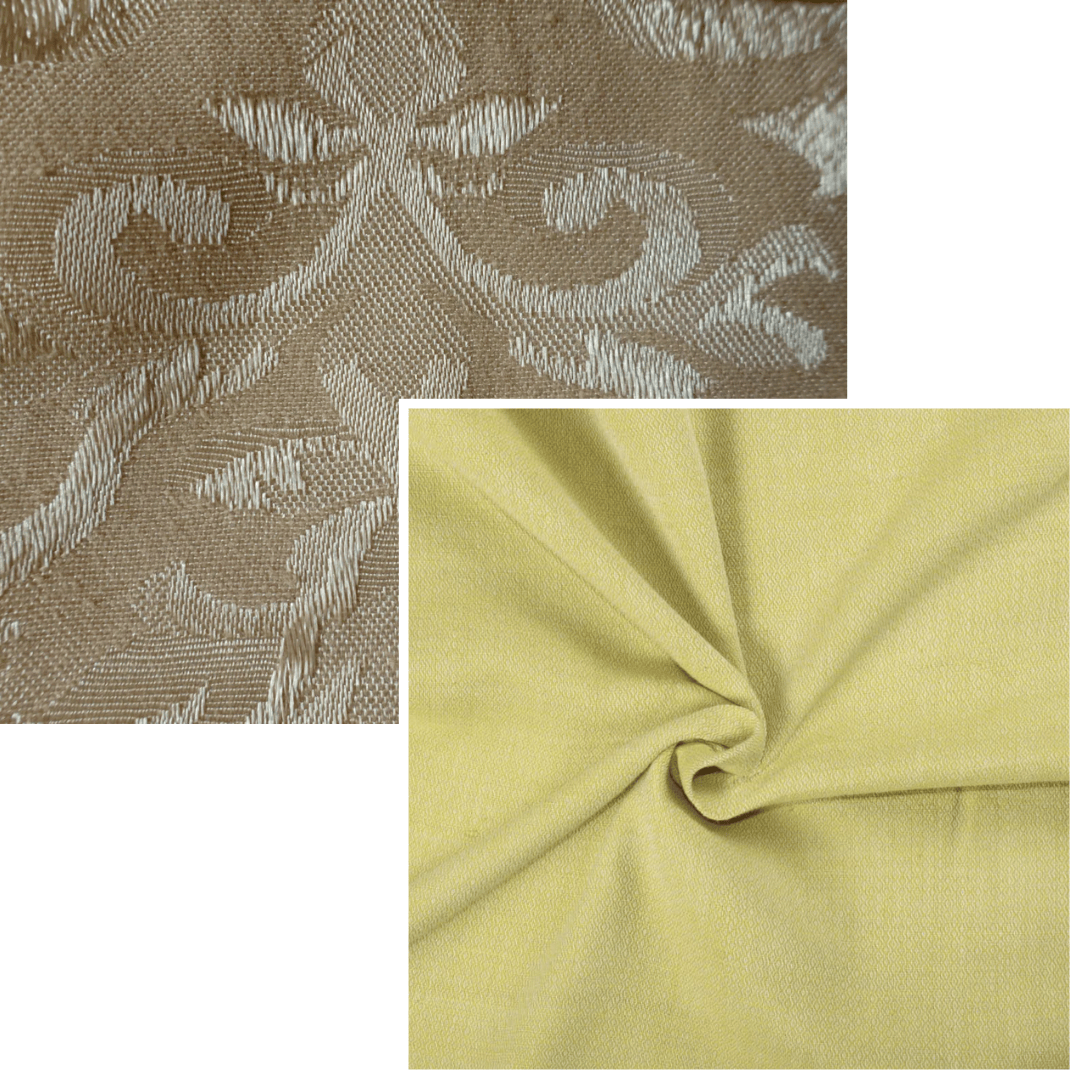
Jacquard: Features a wide variety of patterns—floral, abstract, geometric—often visible only on one side.
Damask: Always features reversible patterns with a glossy vs matte contrast, typically floral or ornamental.
2. Visual Effect:
Jacquard: Textured and dimensional with raised patterns.
Damask: Smooth and elegant with a subtle sheen that changes with light.
3. Material Base:
Jacquard: Can be woven from cotton, silk, wool, or synthetic fibers.
Damask: Traditionally made from natural fibers like silk, linen, or cotton.
4. Aesthetic & Feel:
Jacquard: Rich, bold, and structured—adds visual weight.
Damask: Refined, soft, and light-reflective—adds understated elegance.
Common Uses
Jacquard: Fashion garments, jackets, upholstery, drapes, and accessories.
Damask: Formalwear, table linens, curtains, and heritage-style interiors.
Jacquard Weaves the Anuprerna Way
At Anuprerna, our jacquard cloth offerings are handloom-woven with a strong focus on sustainability. Unlike synthetic, power-loom-based jacquards, our collections feature:
- Natural fibers only (cotton, silk blends)
- Low-carbon, artisan-led production
- Customizable motifs & heritage-inspired patterns
- Minimal waste and traceable sourcing
Whether you're sourcing fabric for conscious fashion or refined interiors, our jacquard fabric material balances craftsmanship with character.
Elevate your designs with jacquard fabrics that are handwoven, heritage-inspired, and globally loved.
Best Uses in Apparel and Home Decor
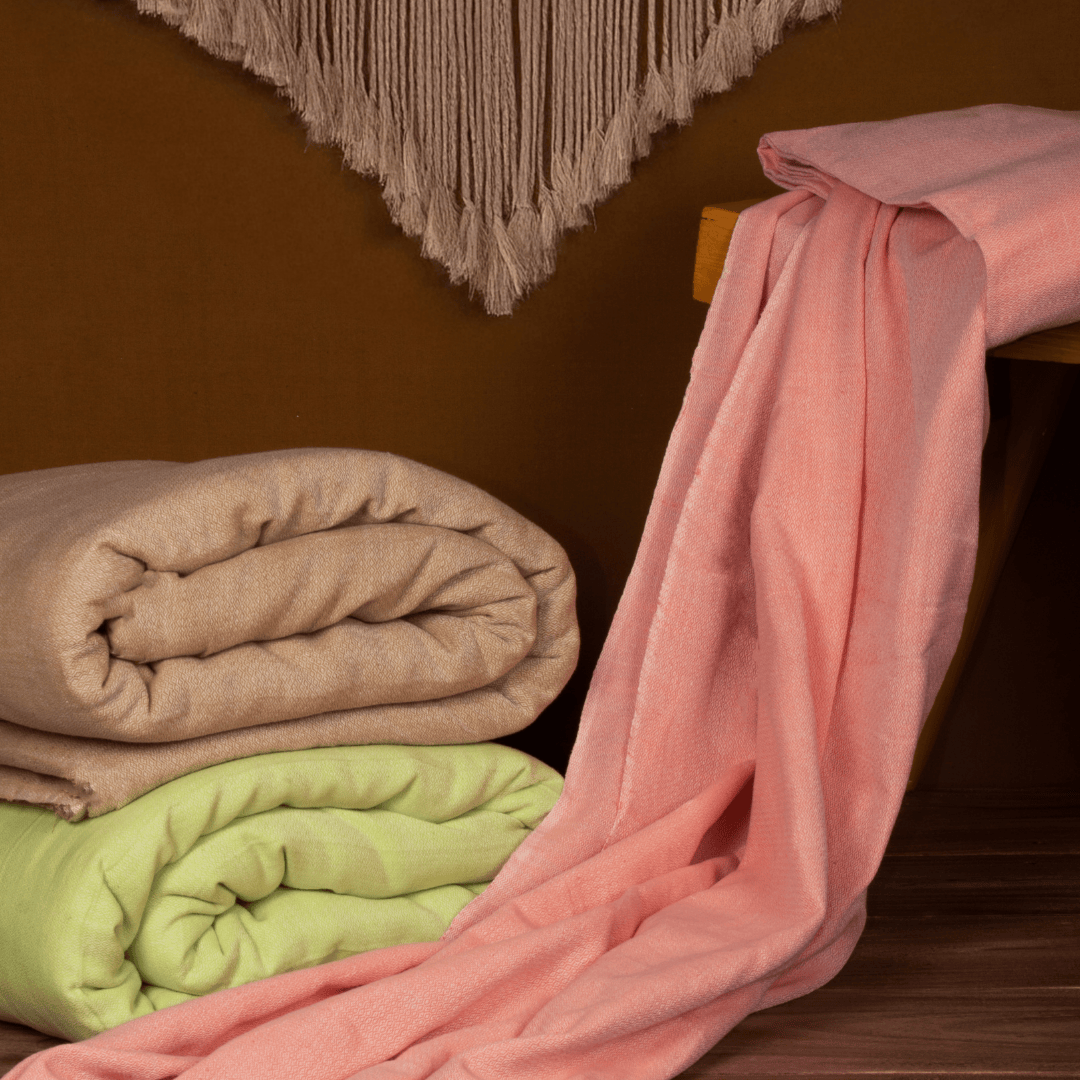
In the fashion industry, jacquard fabric material is preferred for items that require structure and a luxurious hand-feel. It is commonly used for tailored jackets, evening wear, and heavy skirts. The stability of the weave ensures that patterns do not distort over time, making it ideal for high-end collections.
For home interiors, these fabrics provide both durability and aesthetic appeal. They are frequently used for upholstery, heavy drapery, and decorative pillows. The intricate patterns add a layer of sophistication to heritage-inspired or contemporary spaces.
- Apparel: Structured blazers, waistcoats, and formal gowns.
- Accessories: Premium neckties, handbags, and scarves.
- Home Decor: Curtains, table runners, and furniture coverings.
Source Handloom Jacquard Fabrics
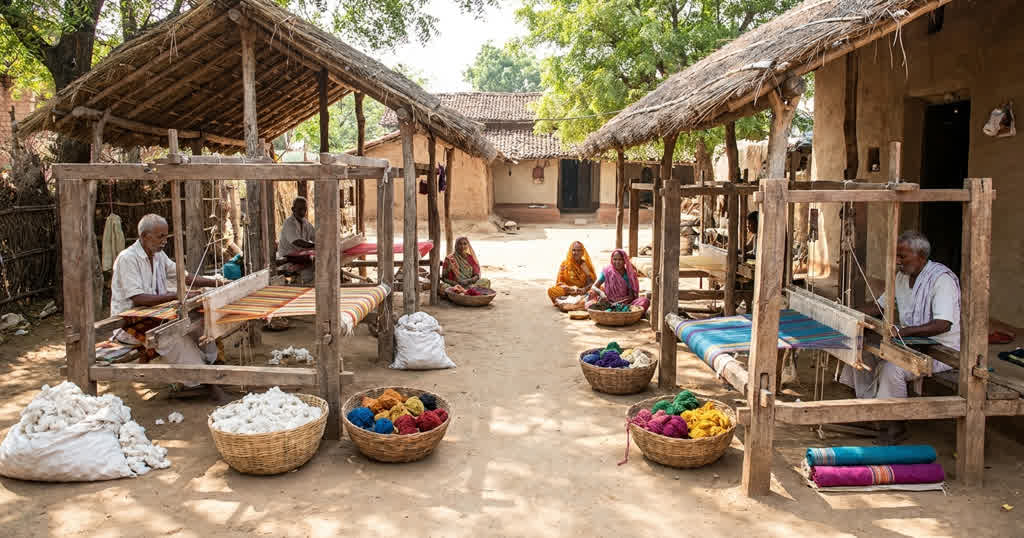
Choosing handloom jacquard supports artisan communities and promotes low-impact manufacturing. At Anuprerna, we specialize in ethically sourced textiles that combine traditional weaving with modern design needs. Our fabrics are crafted by skilled weavers who preserve the cultural heritage of Indian handlooms.
We provide customizable motifs for brands looking to create unique, signature pieces. By sourcing our handwoven silk and cotton jacquards, your brand contributes to a sustainable supply chain that values craftsmanship over mass production.
frequently asked questions
Is jacquard fabric good for clothing?
Yes, jacquard fabric is excellent for structured garments like jackets, blazers, formalwear, and occasion dresses. It holds shape well, resists wrinkles, and adds a luxurious look and feel—especially when made from natural fibers like silk or handwoven cotton.
How is damask different from other jacquard fabrics?
Damask is distinguished by its reversible design and use of shiny vs matte yarns to create visual contrast. While all damask is jacquard, not all jacquard fabrics are damask. Jacquards can have more varied textures, colors, and non-reversible patterns.
What types of materials are used in jacquard cloth material?
Jacquard cloth material can be made from cotton, silk, wool, viscose, or synthetic blends. At Anuprerna, we use sustainable, natural fibers like handwoven cotton and silk blends to create ethically woven jacquards with a low carbon footprint.
Is jacquard fabric breathable and suitable for warm climates?
When woven from natural fibers like cotton or silk, jacquard fabric is breathable and suitable for both temperate and tropical climates. Synthetic jacquards may trap heat, so fiber content matters. Anuprerna’s handwoven jacquard textiles are both breathable and eco-friendly.
What is the primary benefit of the jacquard loom?
The primary benefit of the jacquard loom is its ability to automate the weaving of complex and detailed patterns. This allows for intricate designs to be integrated directly into the fabric structure with precision, something that was previously extremely labor-intensive.
How should I care for jacquard textiles?
Care depends on the fiber content, but most natural-fiber jacquards should be dry cleaned or hand washed gently in cold water to preserve the integrity of the woven pattern. Always avoid harsh chemicals or high-heat drying which can damage the textured motifs.
More Blogs
why organic fabric suppliers are growing in india
jacquard fabric in modern fashion
how silk manufacturers preserve traditional craftsmanship
indian fabric wholesale: a guide to sourcing handwoven textiles
how indian fabric exporters meet global quality standards
jacquard vs embroidery: what's the difference?