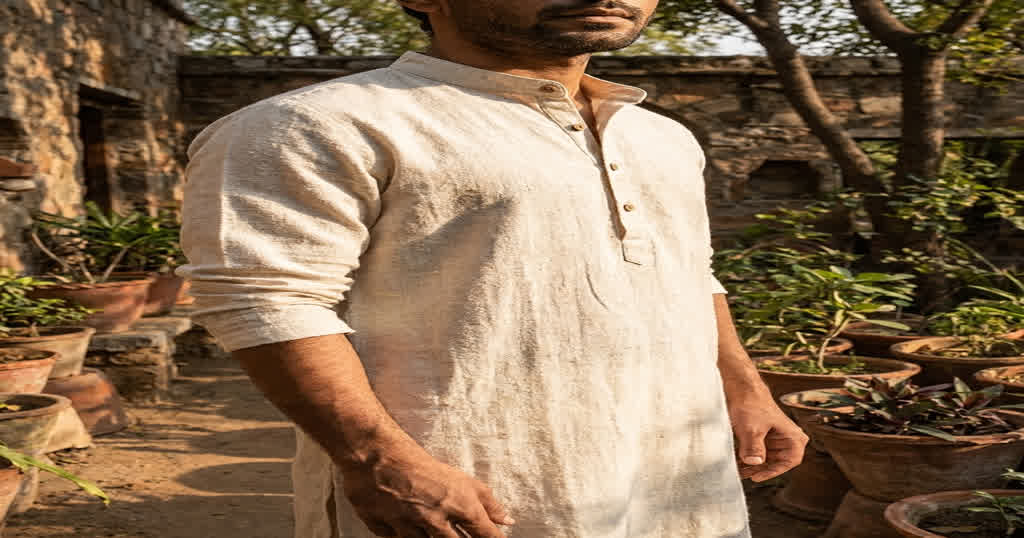
Designer Kurta for Men: The Role of Fabric, Texture and Handloom Craft

Sourcing the right textile for a designer kurta for men requires balancing architectural drape with breathable comfort. Menswear designers often struggle to find materials that hold a crisp silhouette while offering the authentic, raw texture that distinguishes high-end garments from mass-produced alternatives. The choice of material directly impacts the garment's structural integrity, dye uptake, and the brand's overall sustainability narrative. Historically originating as a nomadic tunic in Central Asia, the garment evolved through the Mughal era into a sophisticated Indian staple.
Today, regional handloom weaving techniques like Jamdani, Ikat, and Khadi define its socio-cultural significance. For a handmade clothing brand, selecting premium cotton fabrics transforms this traditional attire into a traceable, high-margin piece that meets modern demands for ethical production and tactile richness.
The Anatomy of a Designer Kurta for Men: Why Fabric Dictates Form
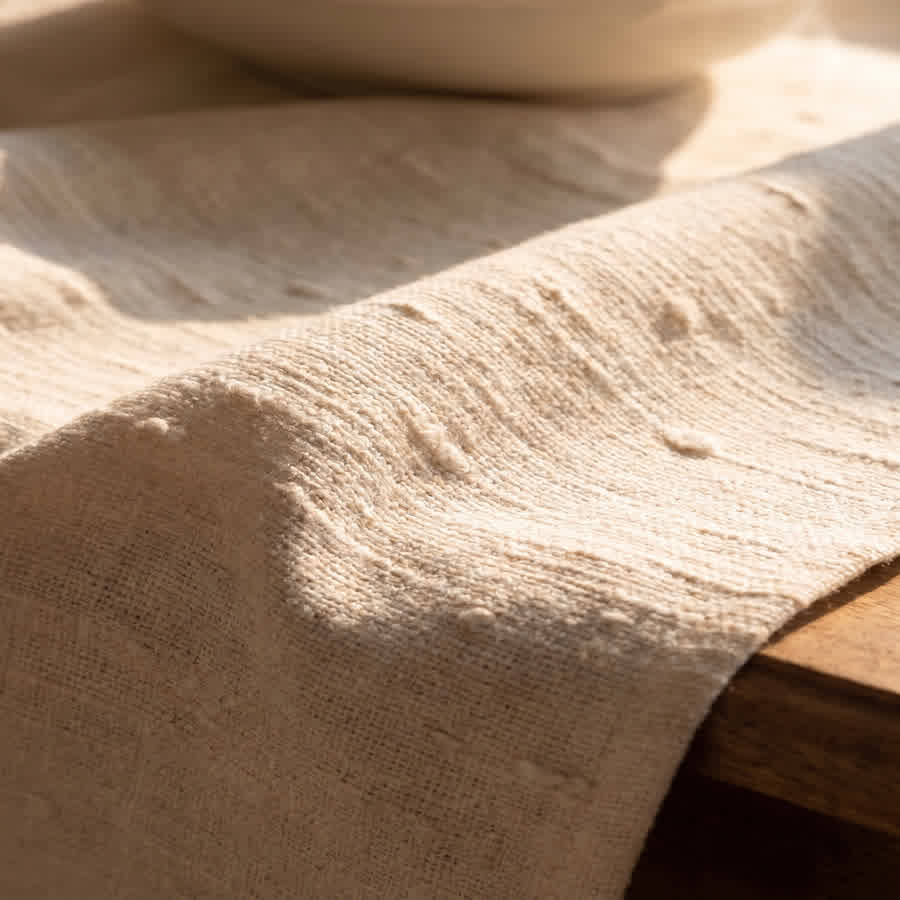
The structural form of a designer kurta for men depends entirely on the fabric's weight, drape, and breathability, which dictate whether the garment falls with a fluid grace or holds a sharp, tailored line. A well-chosen textile ensures the silhouette maintains its intended shape across both traditional long cuts and modern kurta for men short designs. Understanding this relationship is fundamental for any designer aiming to produce high-quality menswear.
Historical Context and Silhouette Evolution
The kurta for men has transitioned from everyday wear into ceremonial and designer attire over centuries. This evolution relies heavily on the specific weaving techniques applied to the raw material. Regional methods impart distinct physical properties to the cloth, influencing how the garment interacts with the body. Historically, the garment originated as a simple tunic, eventually evolving into a sophisticated staple requiring precise tailoring.
Designers must consider how these historical techniques translate to modern kurta for men design. A fabric woven with high tension creates a stiff, formal drape, while looser weaves offer a relaxed, casual fit. The structural demands of the garment require a careful assessment of the textile's inherent properties. Techniques like Jamdani and Khadi have defined the socio-cultural significance of these garments, embedding a rich narrative into the very fibers of the cloth.
GSM and Structural Integrity
Material science plays a critical role in selecting premium cotton fabrics for menswear. The grams per square meter (GSM) directly correlates with the garment's seasonal appropriateness and structural hold. A fabric that is too light will cling uncomfortably, while one that is too heavy restricts movement.
To achieve the correct balance, designers evaluate specific weight categories:
- 80-110 GSM: Ideal for summer wear, offering high moisture-wicking properties and maximum breathability.
- 130-180 GSM: Suited for structured, tailored fits that require a heavier, more resilient drape.
- Transitional weights: Provide versatility for year-round collections, maintaining the natural comfort of a kurta for men cotton.
- High-density weaves: Ensure the fabric resists tearing at stress points like the armholes and side slits.
Matching the GSM to the intended silhouette prevents the garment from collapsing or feeling overly rigid. This technical precision ensures the final piece meets the exacting standards of luxury menswear buyers. By mastering these material specifications, brands can consistently deliver garments that perform as beautifully as they look.
Decoding Texture: The Handloom Advantage in Designer Ethnic Wear
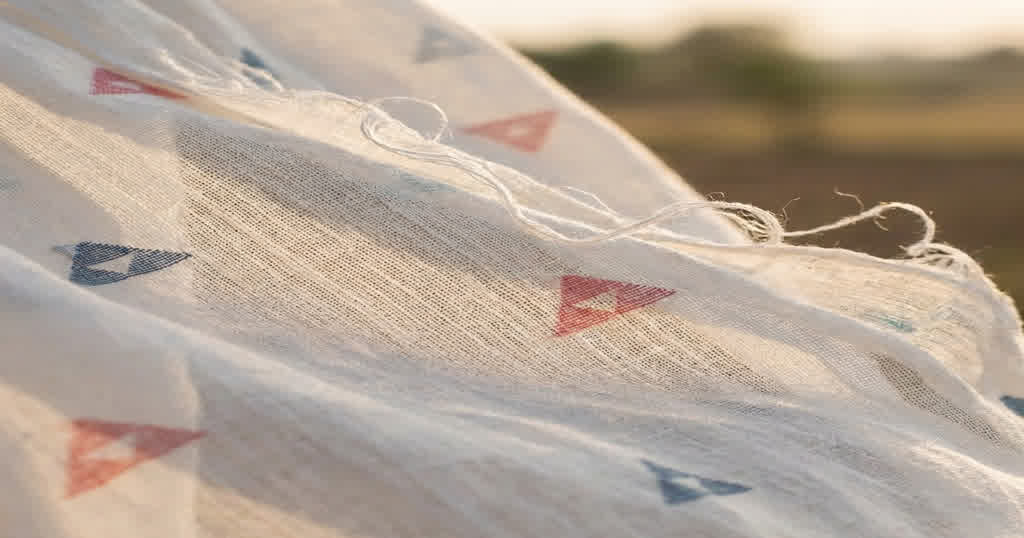
Handloom textiles provide a distinct tactile advantage in designer ethnic wear because the natural irregularities in hand-spun yarns create micro-pockets of air that mass-produced fabrics cannot replicate. This artisanal texture enhances both the thermal regulation of the garment and its ability to absorb eco-friendly dyes. For designers, this means the fabric not only looks unique but actively performs better in varying climates.
The Material Science of Hand-Spun Yarns
The defining characteristic of authentic handloom cloth is the presence of natural slubs within the yarn. These slight variations in thickness occur during the hand-spinning process, resulting in a fabric surface that is visually and physically complex. This texture is not merely aesthetic; it serves a functional purpose in garment performance, distinguishing premium pieces from standard retail offerings.
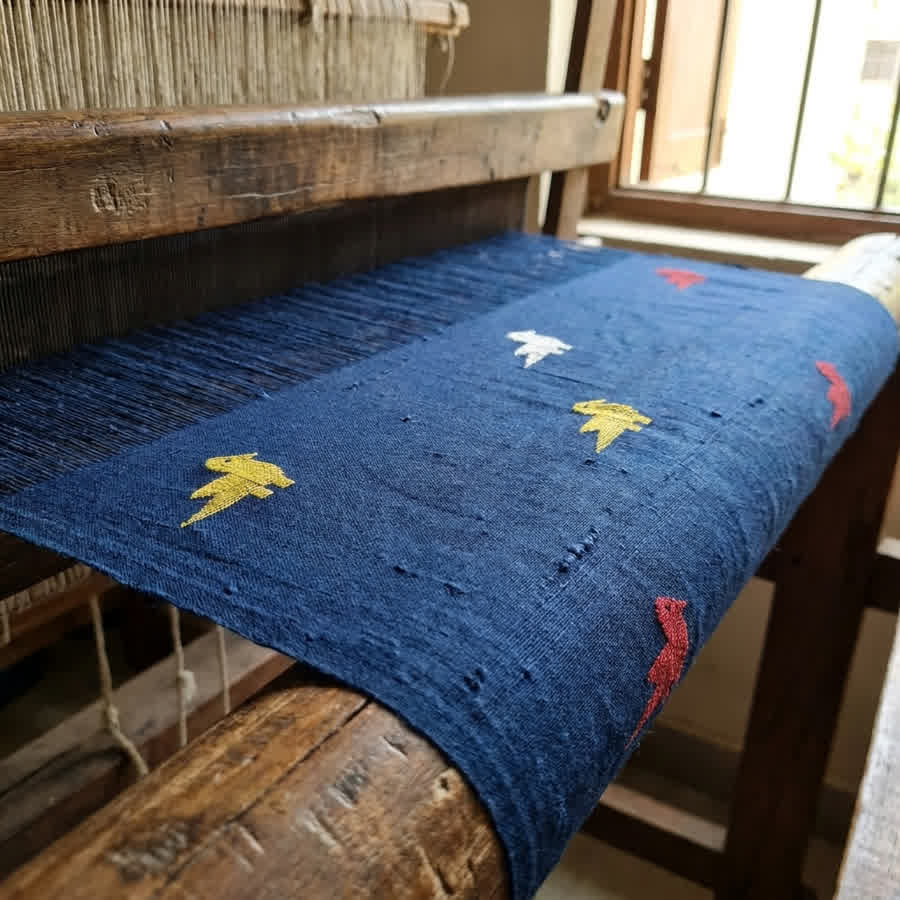
The irregular structure of the yarn creates micro-pockets of air throughout the weave. These pockets act as natural insulators, providing superior thermal regulation that keeps the wearer cool in summer and warm in cooler climates. This inherent breathability is a primary reason designers prefer handloom textiles for a cotton kurta. The mechanical action of the handloom also ensures the yarn retains its natural elasticity, contributing to a more comfortable fit.
Dye Absorption and Tactile Profiles
Beyond temperature control, the porous nature of hand-spun yarn significantly improves dye uptake. The fibers absorb pigments more deeply and unevenly, resulting in a rich, multidimensional color profile. This characteristic is especially important when working with natural dyes, which require a receptive base to achieve deep, lasting saturation.
This enhanced absorption offers several technical benefits for a handmade clothing brand:
- Deeper color penetration: Ensures vibrant hues that resist fading over time, increasing garment longevity.
- Nuanced shading: Creates a subtle, heathered effect unique to artisanal dyeing processes.
- Eco-friendly compatibility: Works exceptionally well with natural and low-impact synthetic dyes, supporting sustainability goals.
- Softer hand-feel: The dyeing process often relaxes the fibers, resulting in a supple, broken-in texture right off the loom.
By utilizing these textured fabrics, designers can offer garments that feel distinctly different from flat, mill-made alternatives. The resulting tactile profile becomes a signature element of the brand's identity, allowing them to command higher retail margins.
Sourcing Premium Cotton Fabrics: A Blueprint for Custom Clothing Suppliers
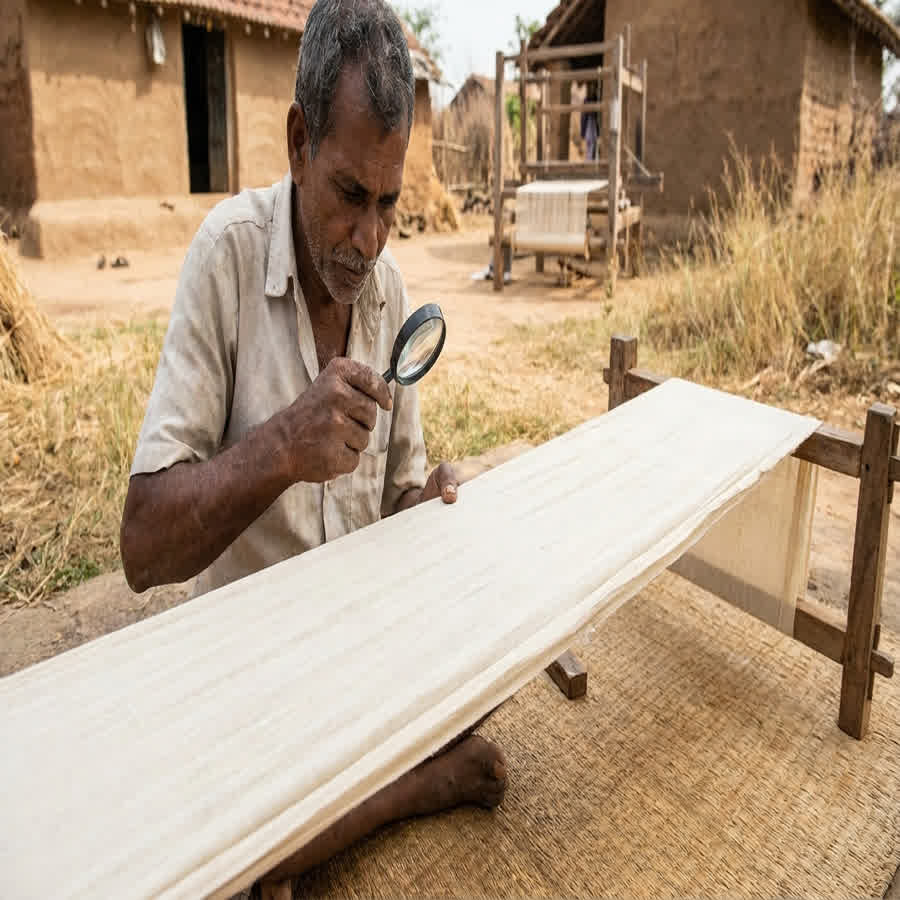
Sourcing the right premium cotton fabric requires custom clothing suppliers to evaluate thread count, weave density, and tensile strength to match specific climate needs and design specifications. A systematic approach to these technical metrics ensures the resulting garments perform reliably under daily wear while maintaining their luxury finish. Understanding these variables allows buyers to make informed decisions that directly impact the quality of their collections.
Selecting the Right Thread Count and Weave Density
The foundation of a durable designer kurta for men lies in the precise configuration of its warp and weft. Thread count alone does not guarantee quality; the weave density determines how the fabric handles stress and abrasion. A tightly packed weave increases longevity but may reduce air circulation if not balanced correctly with the appropriate yarn thickness.
Designers must specify their requirements to suppliers based on the garment's intended use. For instance, a ceremonial piece might utilize a finer yarn with a high density for a smooth, lustrous finish, while daily wear demands a thicker yarn with a slightly open weave for durability. The interaction between these two factors dictates the fabric's overall behavior, influencing everything from the drape to the ease of ironing.
Adapting to Climate and Design Requirements
Different geographical markets require specific textile adaptations. A kurta for men design intended for a humid coastal region needs entirely different material properties than one designed for a dry, temperate climate. Failing to account for these environmental factors can result in garments that are uncomfortable or impractical for the end consumer.
Suppliers must adjust the fabric specifications to meet these environmental demands:
- High-twist yarns: Provide a crisp, dry hand-feel that resists clinging in high humidity environments.
- Open-sett weaves: Maximize airflow for extreme heat, essential for a lightweight cotton kurta.
- Brushed finishes: Offer slight insulation for cooler environments without adding excessive weight to the garment.
- Reinforced selvedges: Ensure structural stability along the seams, crucial for maintaining tailored fits over time.
By aligning these technical specifications with the target climate, brands ensure their collections offer optimal comfort. This precise sourcing strategy separates premium labels from fast-fashion competitors, establishing a reputation for thoughtful, high-quality menswear.
From Loom to Label: Scaling a Handmade Clothing Brand with Anuprerna
Partnering with a decentralized artisan supply chain like Anuprerna allows a handmade clothing brand to scale operations while securing authentic brand value, complete traceability, and bespoke weaving capabilities. This direct connection to rural weavers ensures consistent access to high-quality materials that command higher retail margins. It also provides a compelling narrative that resonates with modern consumers who prioritize ethical consumption.
The Value of a Decentralized Artisan Supply Chain
B2B buyers are shifting away from opaque, mass-produced sourcing models toward transparent, story-driven production. Working directly with rural Indian handloom weavers provides a verifiable sustainability narrative. This transparency is increasingly required by consumers who demand to know the origin of their designer ethnic wear. The ability to trace a garment back to its specific weaving cluster adds immense intrinsic value to the final product.
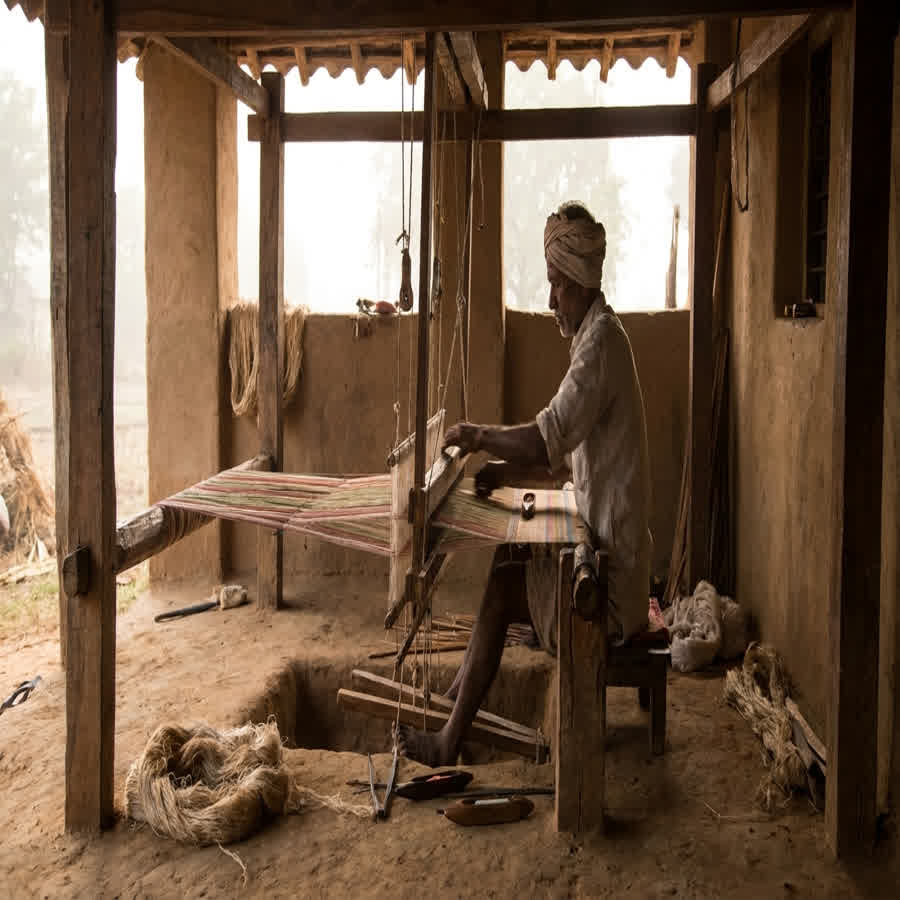
At Anuprerna, we facilitate this connection by organizing a network of skilled artisans across various clusters in Bengal. This decentralized model mitigates the risks associated with single-point factory failures while supporting rural economic development. The resulting supply chain offers both resilience and ethical integrity, allowing brands to confidently market their premium cotton fabrics as responsibly sourced.
Bespoke Capabilities for Modern Menswear
Standard catalog fabrics often fail to meet the specific needs of boutique menswear labels. A direct relationship with artisans allows for extensive customization, enabling designers to engineer fabrics from the yarn stage upward. This level of control is essential for brands looking to differentiate themselves in a competitive market.
Our bespoke services provide several operational advantages for custom clothing suppliers:
- Custom warp and weft configurations: Tailor the weight and drape specifically for a kurta for men short or long silhouette.
- Proprietary texture development: Adjust the spinning process to create unique slub patterns exclusive to your brand.
- Flexible minimum order quantities (MOQs): Allow for small-batch testing of new designs before committing to full-scale production.
- Integrated dyeing solutions: Match exact Pantone shades using eco-friendly processes optimized for hand-spun yarns.
These capabilities empower designers to create distinct collections that stand out in a crowded market. By controlling the material science from the loom, brands guarantee the exceptional quality of their final garments, ensuring long-term customer loyalty and sustainable business growth.
Explore Our Collection
Anuprerna works directly with handloom artisan clusters to weave designer kurta for men for designers and brands building considered collections. To source it for your next line, explore the range below.
frequently asked questions
What is the ideal GSM for a premium cotton kurta for men?
For lightweight, breathable summer kurtas, an 80-110 GSM is ideal. For more structured designer ethnic wear or winter-transitional pieces, 130-160 GSM provides the necessary drape and durability without compromising the natural comfort of a kurta for men cotton.
How does handloom cotton differ from mill-made cotton in men's kurta design?
Handloom cotton features natural irregularities or 'slubs' in the yarn, creating micro-pockets of air that enhance breathability by up to 30%. This texture also absorbs natural dyes more deeply, giving designer kurtas a richer, more nuanced color profile and a distinct tactile feel.
Can Anuprerna supply custom fabrics for short kurtas for men?
Yes, as expert custom clothing suppliers, Anuprerna offers bespoke weaving services. We can adjust the warp and weft to create specific textures, patterns, and weights optimized for the modern, tailored fit of a short kurta.
How does sourcing from a decentralized artisan supply chain benefit my handmade clothing brand?
It provides complete traceability, supports rural economic development, and ensures your designer ethnic wear has a verifiable sustainability narrative. This transparency directly increases customer loyalty and justifies premium pricing in the competitive menswear market.
What historical weaving techniques define premium kurta fabrics?
Regional handloom techniques like Jamdani, Ikat, and Khadi define the socio-cultural significance and structural quality of premium kurta fabrics. These historical methods impart distinct physical properties, transforming the garment from a basic nomadic tunic into sophisticated designer attire.
More Blogs
cotton shirts for men online: a guide to fabric types, weaves and quality
is jacquard fabric good or bad for upholstery and apparel?
is silk good for hot weather? a summer fabric analysis
breathability tested: why handwoven cotton outperforms blends in summer
is french terry fabric good for summer or winter? a seasonal guide
the ultimate fashion dictionary: essential clothing terminology