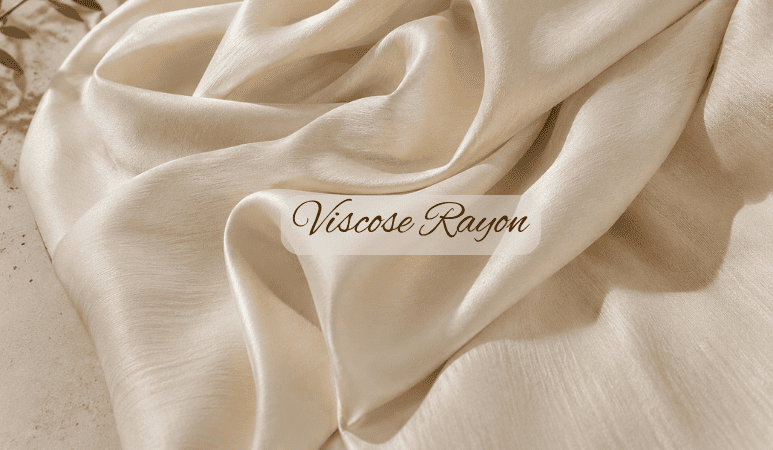
Is Viscose Rayon Fabric Sustainable? Everything You Need to Know

Viscose rayon fabric is not automatically sustainable or unsustainable—it depends largely on how its raw materials are sourced and how the fabric is produced. Traditional viscose production can involve intensive chemical processing and environmental concerns, while more responsible production methods can reduce some of these impacts.
Viscose fabric is a soft, breathable, semi-synthetic textile made from regenerated cellulose, usually sourced from wood pulp. Also known as rayon, it is valued for its fluid drape, smooth hand feel, excellent dye absorption, and versatility. It can offer a silk-like softness while also blending well with cotton, wool, linen, and other fibers.
What Is Viscose Fabric?
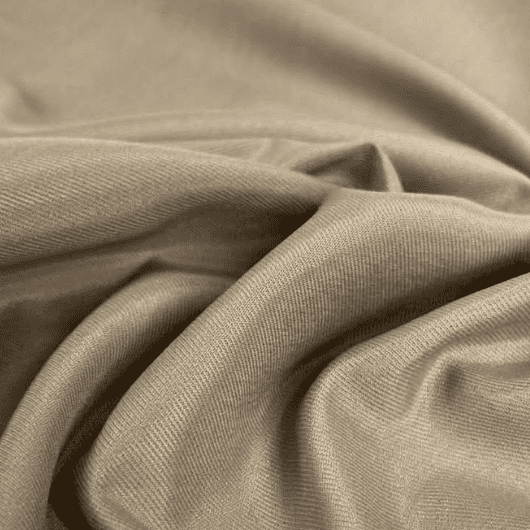
Viscose fabric is made from cellulose that is chemically processed and regenerated into textile fibers. The cellulose is commonly obtained from wood pulp, including sources such as eucalyptus, bamboo, pine, and beech trees.
Because the raw material is plant-based but undergoes chemical processing before becoming a fiber, viscose is classified as a semi-synthetic fiber. Viscose is also commonly referred to as rayon, although rayon can be used as a broader term for regenerated cellulose fibers.
Viscose was originally developed as a more affordable alternative to silk, offering softness, sheen, and fluid drape at a lower cost.
What Is Viscose Fabric Material Made From?
The basic viscose fabric material begins with natural cellulose, generally sourced from wood pulp.
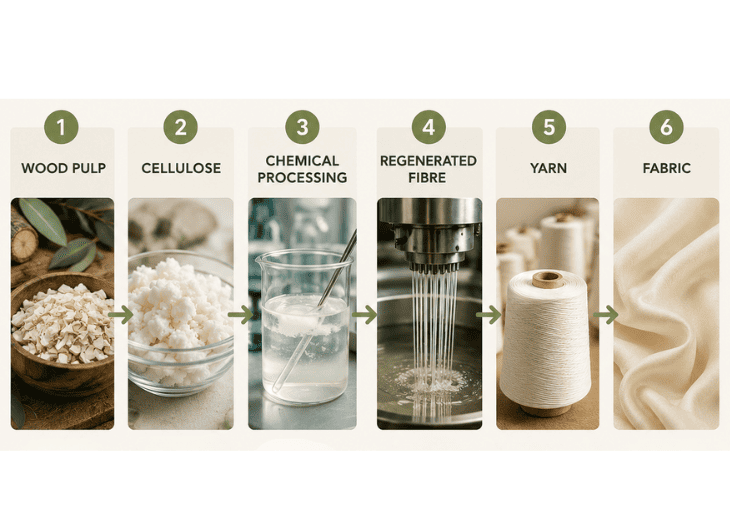
The process broadly involves:
- Raw material: Cellulose, usually derived from wood pulp
- Processing: Cellulose is chemically treated and dissolved into a viscous solution
- Fiber formation: The solution is regenerated and spun into fibers
- Fabric production: The fibers are woven or knitted into textile fabric
Traditional viscose production can involve chemicals such as sodium hydroxide and carbon disulfide. This production process is one of the main reasons viscose is part of the wider sustainability discussion in textiles.
What Are the Properties and Benefits of Viscose Fabric?
The main appeal of viscose fabric is its combination of softness, breathability, fluid drape, lightweight feel, and excellent dyeability.
- Soft and silky: Viscose has a smooth hand feel that can resemble silk.
- Breathable: It is lightweight and moisture-absorbent, making it suitable for warm-weather clothing.
- Fluid drape: Viscose falls naturally around the body, making it useful for dresses, blouses, skirts, and scarves.
- Excellent dye absorption: It readily absorbs dyes, allowing for rich and even colours.
- Versatile: Depending on its construction and blend, viscose can complement the qualities of silk, cotton, wool, or linen.
These characteristics make viscose suitable for both everyday apparel and more design-focused collections.
Viscose, Rayon, Modal, and Lyocell: What Is the Difference?
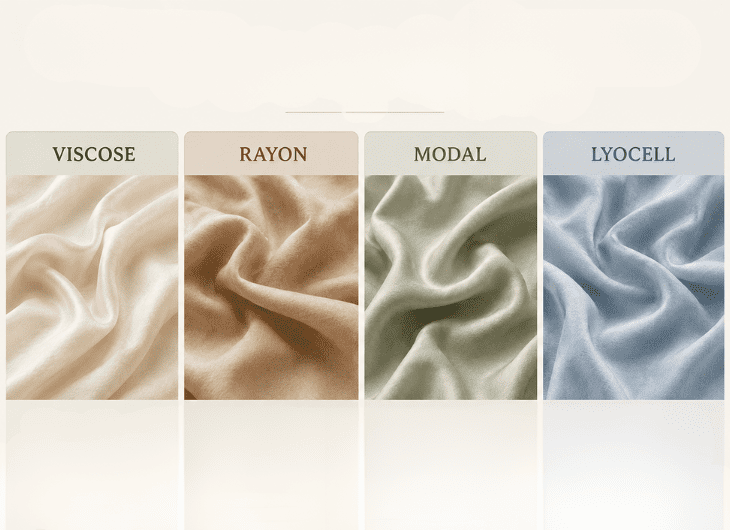
Viscose, rayon, modal, and lyocell are closely related regenerated cellulose fibers, but they differ in their properties and production processes.
Viscose is particularly known for its softness, breathability, fluid drape, and dye absorption. Rayon is often used as a broader term for regenerated cellulose fibers and is frequently used interchangeably with viscose.
Modal is another regenerated cellulose fiber valued for its softness and strength, while lyocell is produced using a closed-loop process that recovers and reuses much of the processing solution.
In simple terms, viscose is valued for softness and drape, modal for softness and strength, and lyocell for performance and a more resource-conscious production process.
What Are Viscose Blends?
Viscose blends combine viscose with other fibers to balance different textile properties.
Viscose can be blended with:
- Cotton for softness, breathability, and structure
- Silk for softness, drape, and sheen
- Wool to add softness to heavier fabrics
- Linen to combine viscose's fluidity with linen's characteristic texture
Blending allows designers to adjust the feel, appearance, durability, structure, or cost of a fabric according to its intended use.
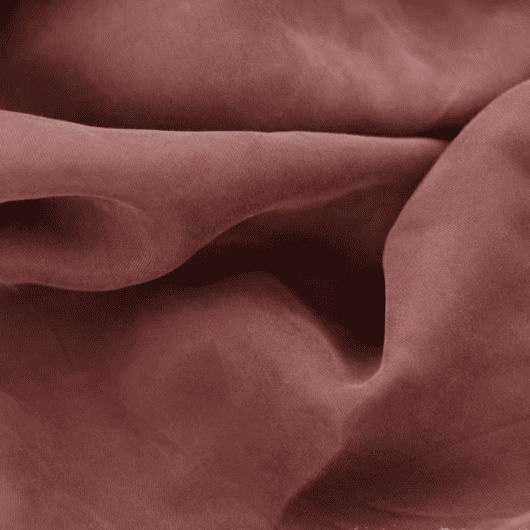
How Is Viscose Fabric Produced and Is It Sustainable?
Viscose fabric is not automatically sustainable or unsustainable; its environmental impact depends largely on how it is produced and where its cellulose comes from.
Traditional Viscose production can involve intensive chemical processing, water and energy use, chemical waste, and concerns around wood pulp sourced from unsustainable forestry practices.
This is why responsible sourcing matters. Buyers and designers can consider factors such as:
- The source of the cellulose
- Responsible forestry practices
- Chemical management
- Closed-loop production systems
- Relevant certifications
- Supply-chain transparency
Lyocell is one example of a regenerated cellulose fiber associated with closed-loop production. FSC-certified sourcing and certifications such as OEKO-TEX and GOTS can also provide additional information about sourcing and processing standards.
So, rather than asking whether rayon is good or bad, it is more useful to understand how the particular rayon or viscose fabric was produced and sourced.
Is Viscose Fabric Good for Summer?
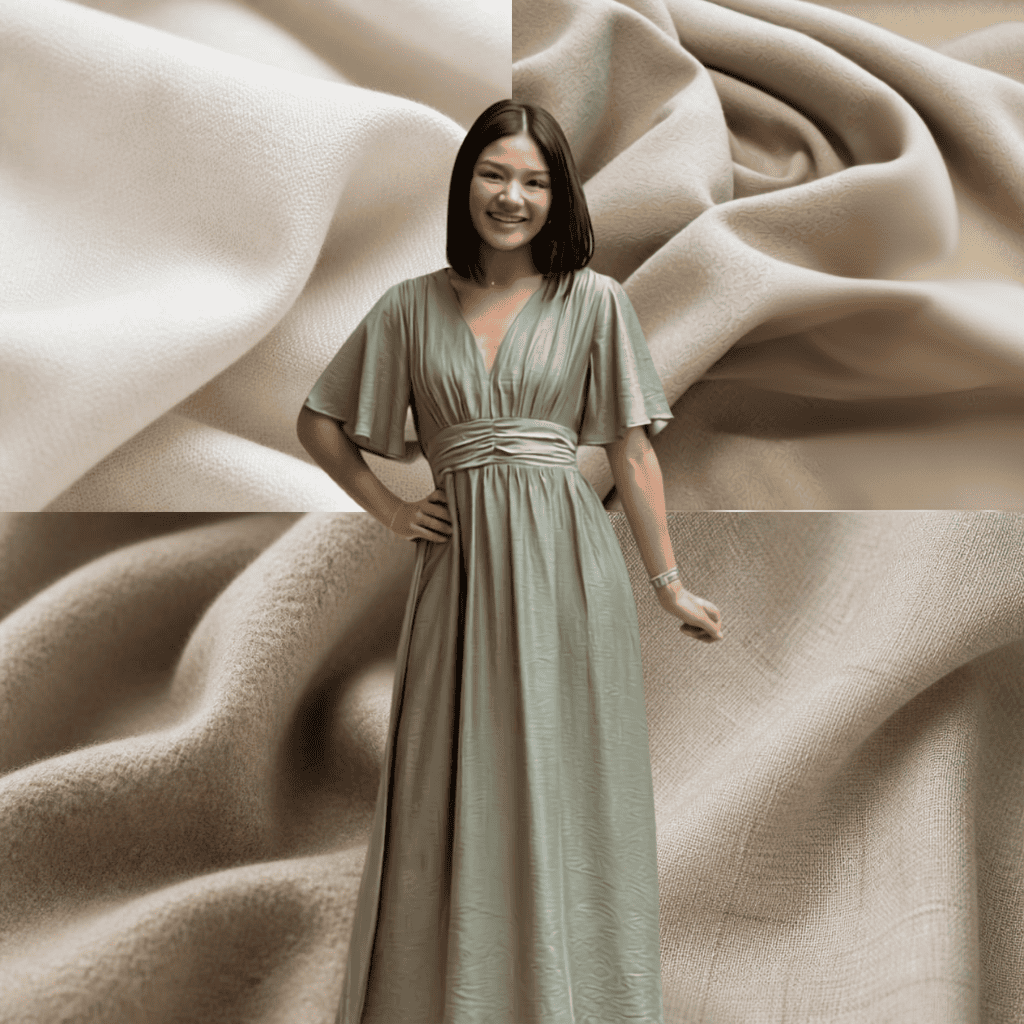
Yes. Viscose fabric is particularly suitable for spring and summer because it is lightweight, breathable, and moisture-absorbent.
Its fluid drape makes it useful for:
- Dresses
- Blouses
- Resort wear
- Lightweight tops
- Flowing skirts
- Summer layers
Viscose can also be used in autumn and winter collections, particularly in linings, long-sleeved garments, and blended fabrics. When combined with wool, silk, or cotton, it can add softness and sheen to heavier garments.
How Should You Care for Viscose Rayon Fabric?
Viscose rayon fabric can be more delicate when wet, so gentle care helps maintain its shape and appearance.
- Wash gently: Use cold water and a gentle hand wash or delicate machine cycle.
- Avoid wringing: Do not aggressively twist or wring the fabric, as this can cause stretching or damage.
- Air dry: Air drying or laying the fabric flat is generally preferable to machine drying.
- Iron carefully: Use a low-heat setting and, where appropriate, iron the fabric inside out while slightly damp.
- Dry clean when needed: Delicate garments or garments with intricate construction may benefit from professional dry cleaning.
Should You Consider Alternatives to Traditional Viscose?
If your priority is responsible textile sourcing, it is worth considering alternatives to conventional viscose or choosing regenerated fibers made through more responsible production systems.
The main concerns surrounding conventional viscose relate to chemical processing and the sourcing of wood pulp. Understanding the production process, raw material origin, certifications, and supply-chain transparency can help designers and textile buyers make more informed choices.
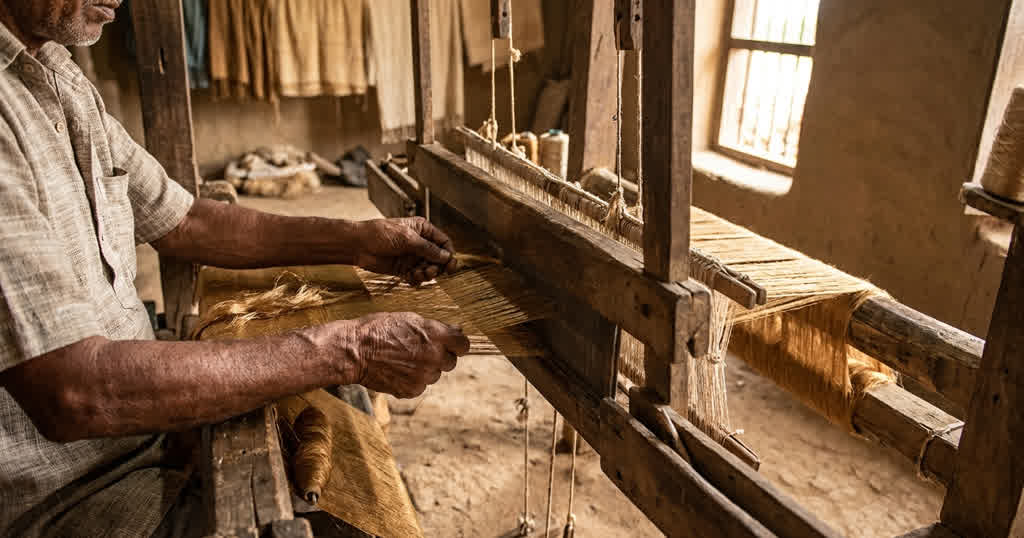
At Anuprerna, our collection focuses on natural, handspun and handwoven fabrics, including cotton, Khadi, and silk, selected for their material qualities and craft value. These fabrics offer different combinations of softness, breathability, texture, structure, and drape depending on the intended application.
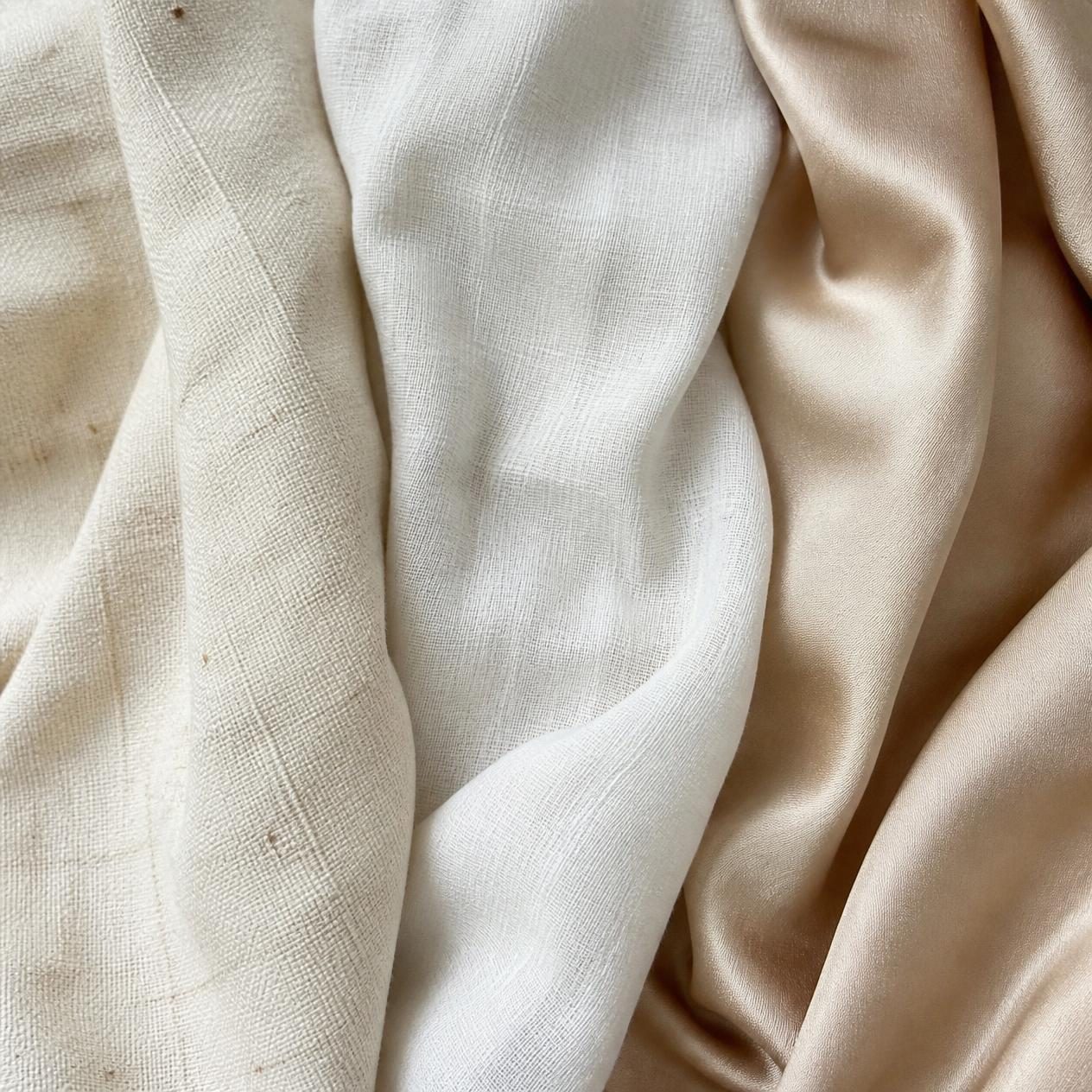
Viscose fabric offers softness, breathability, fluid drape, and versatility, but its sustainability depends on how it is produced and sourced. For designers looking for more responsible options, natural and handwoven fabrics such as cotton, khadi, and silk can offer different combinations of texture, comfort, breathability, and drape.
The right fabric ultimately depends on the design, application, and sourcing priorities—making it worth exploring alternatives beyond traditional viscose.
frequently asked questions about viscose rayon
Is viscose a natural or synthetic fabric?
Viscose is a semi-synthetic fabric. It begins with natural cellulose, usually from wood pulp, but undergoes chemical processing before being regenerated into textile fibers.
What is the difference between viscose, rayon, and lyocell?
Viscose and rayon are often used interchangeably. Lyocell (like Tencel) is a newer, more eco-friendly version of viscose, made using a closed-loop system that recycles water and chemicals. Modal is another variant, known for softness and strength.
Can viscose be blended with other fabrics?
Yes. Viscose blends can combine viscose with cotton, silk, wool, or linen to create fabrics with different levels of softness, drape, structure, and performance.
Can viscose be handwoven like khadi or linen?
While viscose is typically machine-spun and used in knits or wovens, it can be handwoven when blended with natural fibers like cotton or silk, offering the softness of viscose with the structure of handloom fabrics.
Is rayon good for summer?
Rayon works well in summer because it breathes, absorbs moisture, and feels cool on the skin. The catch is that some low-quality rayon traps heat once you sweat, so not all versions perform the same. High-grade or blended rayon tends to stay cooler and more comfortable in hot, humid weather.
Is viscose fabric considered sustainable?
The sustainability of viscose depends on the production process. Standard viscose production can be environmentally harmful, but versions produced using closed-loop systems and FSC-certified wood pulp are significantly more sustainable.
Does viscose shrink when washed?
Yes, viscose is prone to shrinking if exposed to high heat or aggressive washing cycles. It is best to hand wash in cold water or use a delicate machine cycle and air dry to maintain the garment's shape.
Is viscose fabric breathable?
Yes. Viscose is lightweight, breathable, and moisture-absorbent, which makes it suitable for warm-weather clothing.
More Blogs
how indian fabric exporters meet global quality standards
jacquard vs embroidery: what's the difference?
buy hemp fabric in bulk: what fashion brands need to know
khadi online shopping: what fabric details should you check?
a designer’s guide to sourcing silk from indian manufacturers
tussar silk fabric: characteristics, texture & a guide for designers