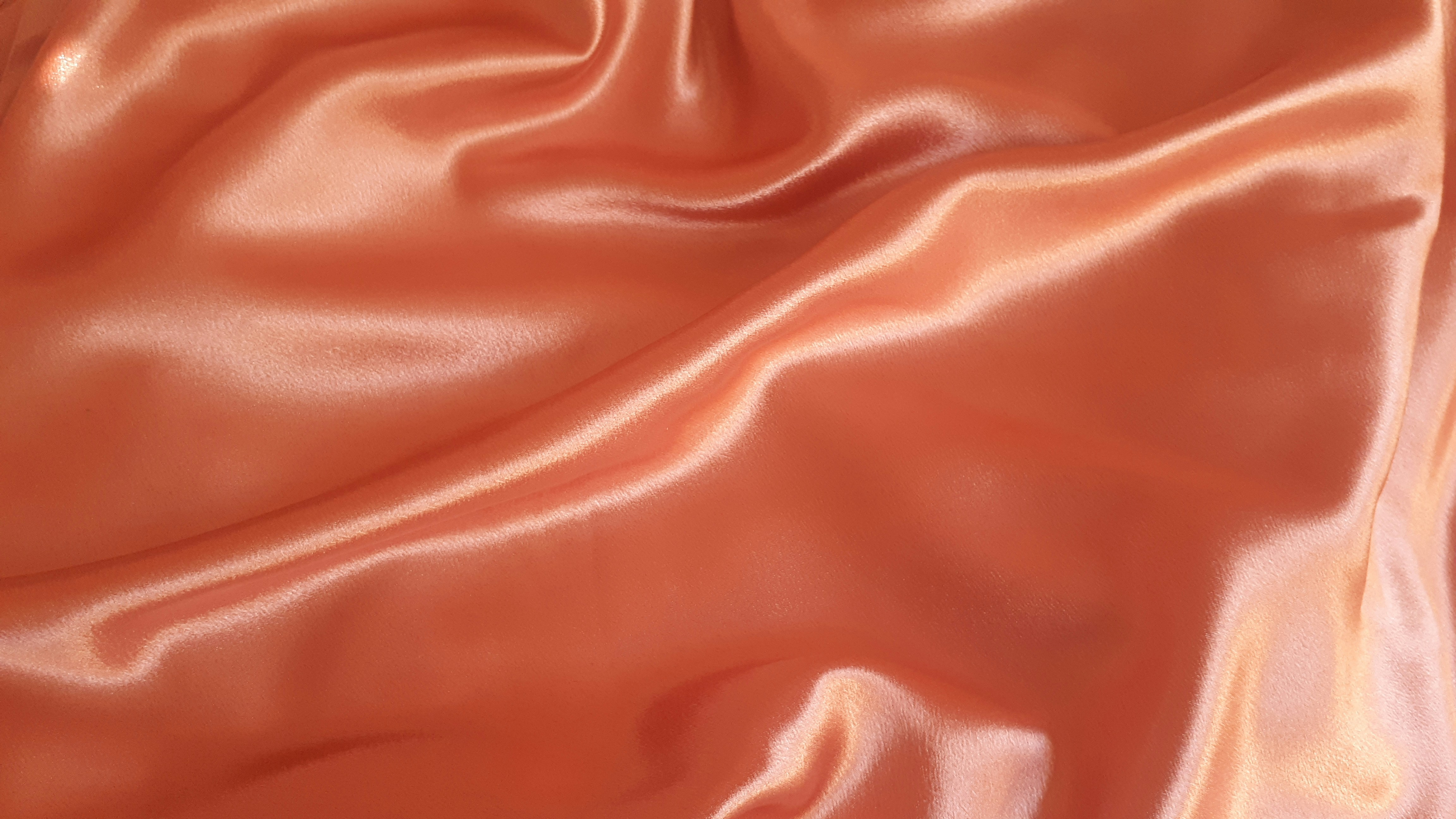
Satin Weave: Effortless Shine and Luxury

Satin weave is a foundational textile technique defined by its lustrous, smooth surface rather than a specific fiber. It is primarily recognized by its reflective surface and its ability to capture light through a unique interlacing structure. This satin weave pattern creates the signature sheen that makes the fabric a staple for elegant, premium designs.
Anuprerna showcases satin weave textiles, highlighting their distinct sheen and elegant qualities to customers. Through a commitment to quality and craftsmanship, the fabrics offered maintain their renowned lustrous surface and light-capturing properties. By making these fabrics available, Anuprerna promotes the enduring appeal of satin, known for its sophistication and luxury.
Origin of Silk Satin Fabric

The story of satin begins in China, around 2000 BC during the Han Dynasty. Chinese weavers were the first to develop the technique of creating silk satin. They harnessed the natural sheen and softness of silk fabrics to produce a fabric that was truly extraordinary. This early satin was reserved for royalty and the elite, a symbol of wealth and prestige.
The Satin Weave Pattern and Structure

The satin weave pattern is characterized by an intricate arrangement of floating threads. In this structure, warp threads pass over multiple weft threads in a consistent, non-adjacent manner, resulting in a smooth and uninterrupted surface.
This weave structure minimizes the number of interlacings between threads, which reduces friction and creates the glossy finish that satin is celebrated for. By limiting these intersections, the fabric achieves a fluid drape and a high-sheen appearance that is distinct from plain or twill weaves.
Common Types of Satin Fabric
Satin fabric is categorized based on the fiber content and the specific satin weave pattern used during production. Understanding these types of satin helps in selecting the right material for specific design requirements.
- Silk Satin: The epitome of opulence, crafted from fine silk fibers known for natural sheen and softness.
- Polyester Satin: A durable, wrinkle-resistant synthetic alternative that mimics the appearance of silk.
- Cotton Satin: A breathable material that combines the comfort of cotton with a subtle, elegant sheen.
- Acetate Satin: A synthetic variant valued for its high gloss and smooth, formal drape.
- Crepe Back Satin: A versatile fabric featuring a smooth satin face and a textured, matte crepe reverse.
- Charmeuse Satin: An exceptionally lightweight and fluid fabric, ideal for draped garments and accessories.

Satin Fabric Characteristics
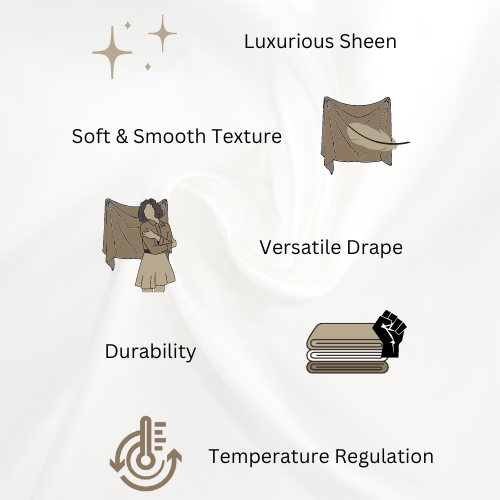
Satin fabric possesses several unique characteristics that set it apart from other textiles:
Luxurious Sheen
Satin's shimmering surface reflects light beautifully, giving it a luxurious appearance that exudes sophistication.
Soft and Smooth Texture
The feel of satin against the skin is unparalleled. Its smooth, silky satin texture is gentle and comfortable to wear.
Versatile Drape
Satin drapes elegantly, making it an excellent choice for clothing that requires a fluid, graceful silhouette.
Durability
Depending on the type of satin and care, it can be remarkably durable, ensuring longevity for your cherished garments and linens.
Temperature Regulation
Satin has natural temperature-regulating properties, making it suitable for both warm and cool climates.
Satin Fabric Uses

Satin fabric's versatility extends to a wide range of applications:
Fashion Apparel
Satin is a staple in the fashion industry, satin clothing includes adorning evening gowns, blouses, ties, and lingerie.
Home Decor
Satin draperies, pillow covers, and bed linens can transform any living space into a luxurious oasis.
Bridal Attire
Brides often choose satin silk for their wedding gowns and accessories, adding an extra touch of elegance to their special day.
Costumes
The sheen of satin lends itself perfectly to theatrical costumes and cosplay outfits.
Accessories
Satin ribbons, scarves, and handbags are popular accessories that showcase satin's beauty.
Caring for Satin Clothing
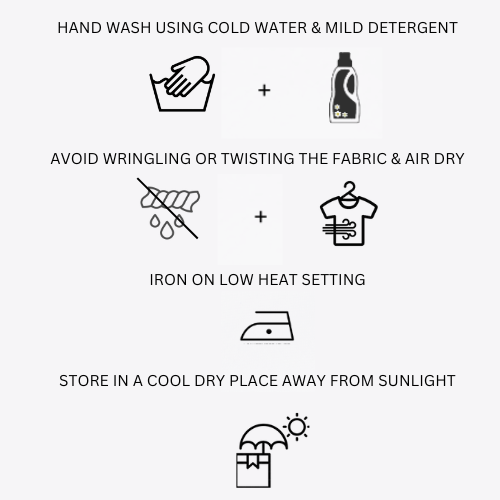
To maintain the allure of satin over time, proper care is essential. Here are some tips for ensuring your satin garments and linens stay in pristine condition:
- Hand Washing: Gently hand wash satin items in cold water with a mild detergent.
- Drying: Avoid wringing or twisting the fabric; instead, lay it flat on a clean towel to air dry.
- Ironing: Use a low-heat setting on your iron or a cloth between the iron and the satin to prevent damage.
- Storage: Store satin items in a cool, dry place, away from direct sunlight, to prevent fading.
frequently asked questions
Is satin weave durable?
arrow_drop_downSatin weave is known for its smooth and lustrous surface, but it may not be as durable as some other weave structures. Satin fabrics are prone to snagging and can wear more quickly than denser weaves. The trade-off for the luxurious appearance is a potential reduction in durability. The actual durability depends on factors such as the fiber used, the thickness of the threads, and how well the fabric is cared for.
What is satin weave used for?
arrow_drop_downSatin weave is commonly used for luxurious apparel like evening gowns and lingerie, as well as in bedding, accessories, and decorative home items, thanks to its smooth texture and glossy finish.
Is satin cheaper than cotton?
arrow_drop_downThe cost of satin versus cotton can vary based on factors like the quality, brand, and specific type of fabric. In general, high-quality satin fabrics are often more expensive than basic cotton fabrics.
What is the difference between satin and sateen in weaving?
arrow_drop_downSatin and sateen are weaving patterns that create smooth, glossy fabrics. Satin weave has more floating threads, resulting in a luxurious feel. Sateen, usually cotton-based, is a type of satin weave with fewer interlacings, offering a softer texture.
How do I identify a high-quality satin weave pattern?
arrow_drop_downA high-quality satin weave pattern is identified by a very smooth surface with minimal visible thread interlacings. The fabric should exhibit a consistent, uniform sheen across the entire surface without irregularities or loose fibers.
Are there eco-friendly types of satin?
arrow_drop_downYes, eco-friendly options include silk satin made from natural fibers or organic cotton satin. These are often produced using sustainable practices, such as natural dyeing and low-impact manufacturing, which are preferred by conscious designers.
More Blogs

b2b sourcing guide: how to source high-quality recycle cotton fabric for sustainable collections
sourcing wholesale cotton fabric: a b2b guide to cotton textile manufacturers in india
the ultimate designers’ guide to custom jamdani weaving: partnering with a jamdani fabric wholesaler
strategic sourcing: evaluating jamdani fabric quality for fashion labels
mulberry silk fabric in natural & dyed shades: what luxury sustainable brands need to know before ordering
indigo fabric for ethical collections: comparing khadi, cotton & mulberry silk at wholesale