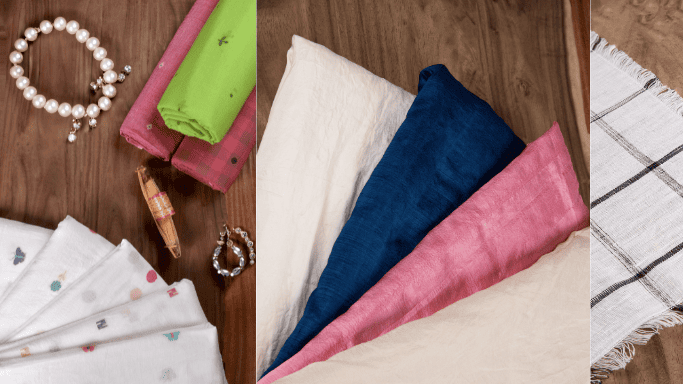
A Visual Journey through Indian Handloom Textiles.

Indian handloom textiles reflect the diversity of their geographical origins. Banarasi silks from Uttar Pradesh, Kanchipuram sarees from Tamil Nadu, Chanderi from Madhya Pradesh, Pashmina from Kashmir, and vibrant Bandhani from Gujarat and Rajasthan each showcase unique regional craftsmanship and cultural heritage, forming a vibrant mosaic of India's textile artistry.
From West of India
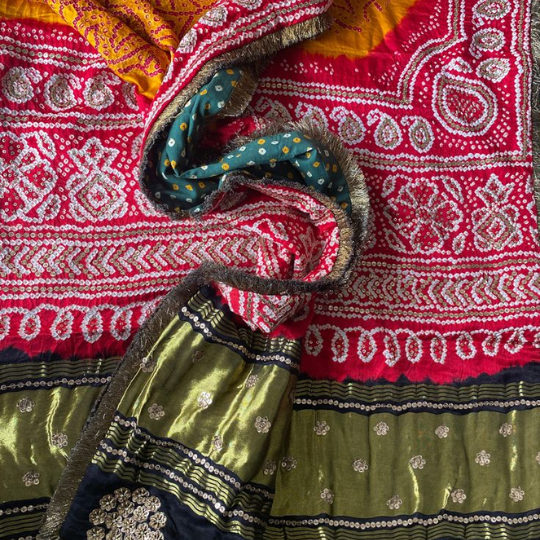
Bandhani - Tie-dye technique creating intricate patterns. Known for vibrant colors and unique designs. Often used for saris, dupattas, and turbans.
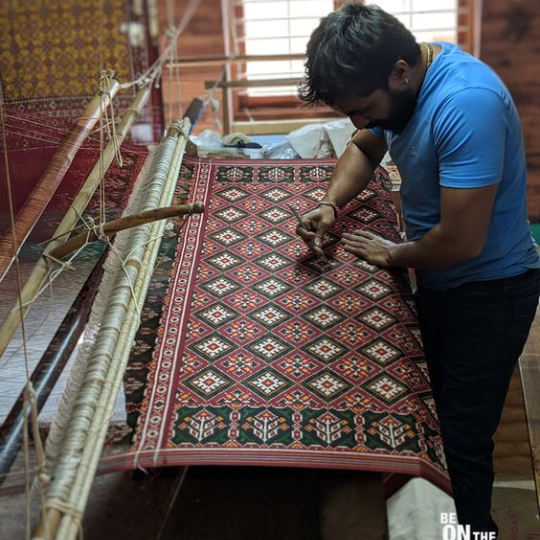
Patola
Patola - Double Ikat weave with complex, symmetrical patterns. Often used for saris and scarves. Known for its precision and craftsmanship.
Ajrakh
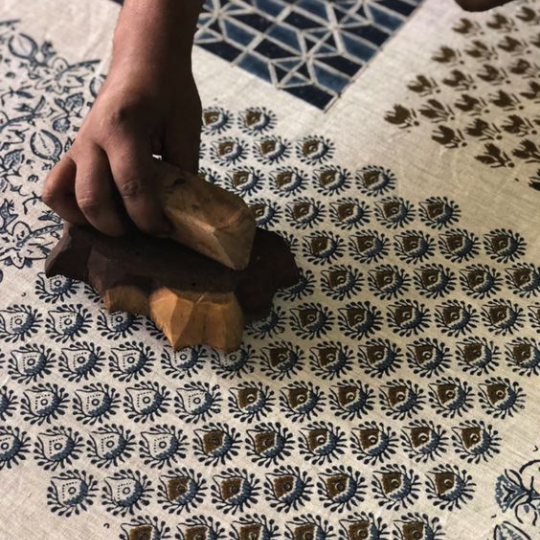
Ajrakh - Block-printed textiles with natural dyes. Recognizable by its intricate geometric and floral patterns. Used for saris, dupattas, and home decor items.
From East of India
Jamdani - Fine muslin fabric with elaborate handwoven patterns, often floral or geometric. Known for its lightness and decorative motifs.
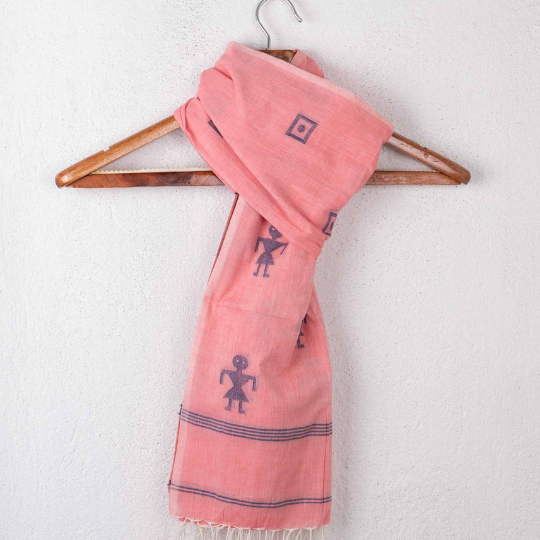
Kantha
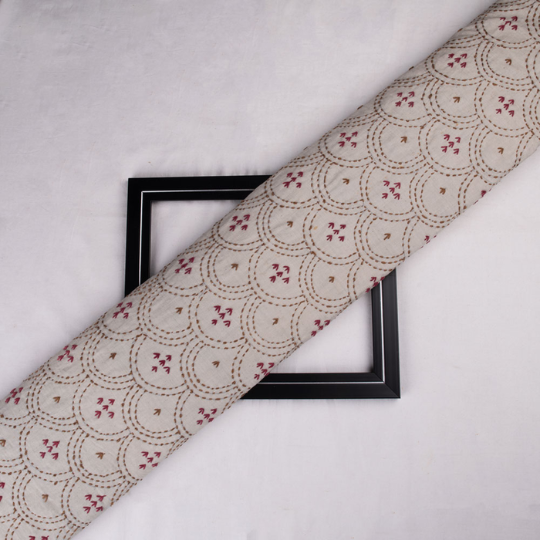
Kantha - Embroidery technique where old saris and cloth are layered and stitched together, creating beautiful patterns and motifs. Region: Rural Bengal.
Eri Silk
Eri Silk - Also known as "Ahimsa Silk," Eri is known for its thermal properties and softness. It's produced without killing the silkworm, making it a sustainable option.
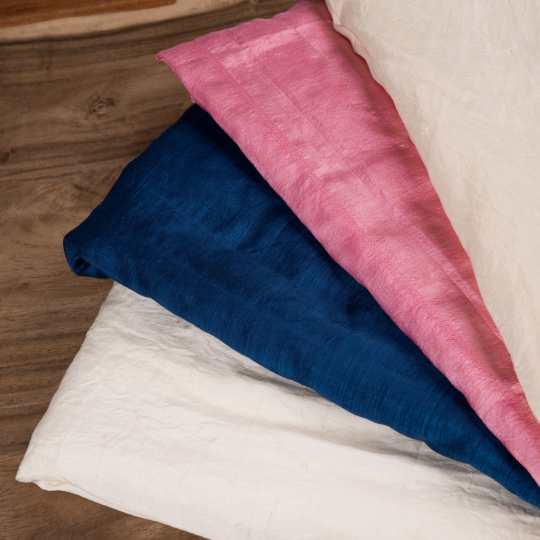
From North of India
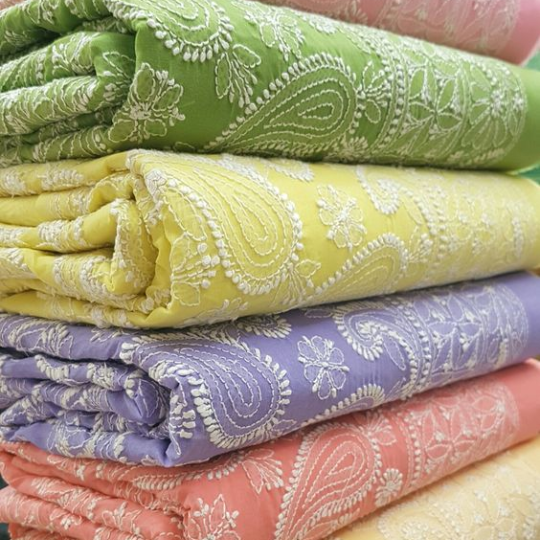
Chikan Embroidery - Delicate and intricate hand embroidery, often done on lightweight fabrics like cotton, muslin, silk, and chiffon. Features floral and paisley patterns.
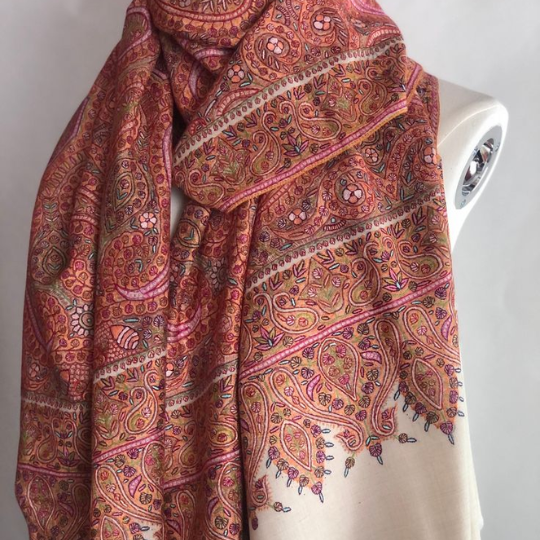
Pashmina
Pashmina - Luxurious shawls made from the fine wool of pashmina goats. Known for their softness, warmth, and intricate embroidery, often with paisley and floral designs.
Kullu Shawls
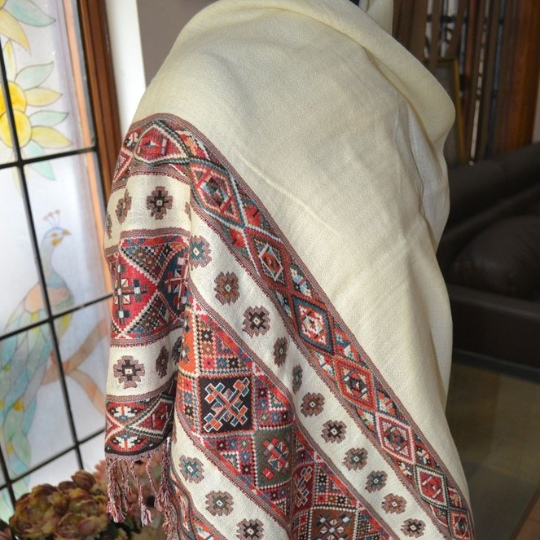
Kullu Shawls - Woolen shawls with intricate geometric patterns and vibrant colors, often featuring traditional motifs. Known for their warmth and durability.
From South of India
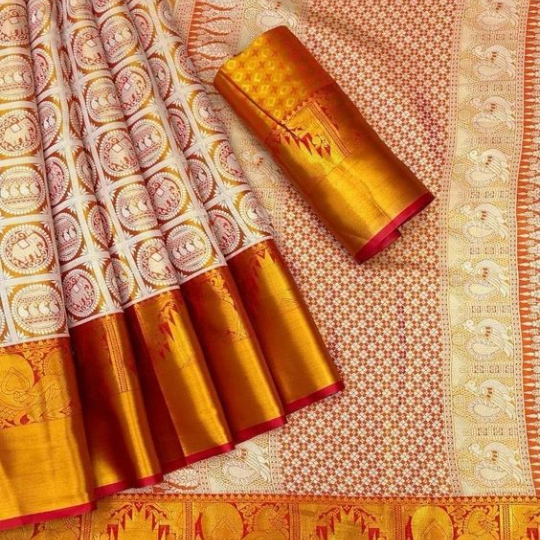
Kanchipuram Silk - Heavy silk saris with contrasting borders and elaborate patterns, often with gold and silver zari. Known for their durability and grandeur, frequently used in weddings and special occasions.
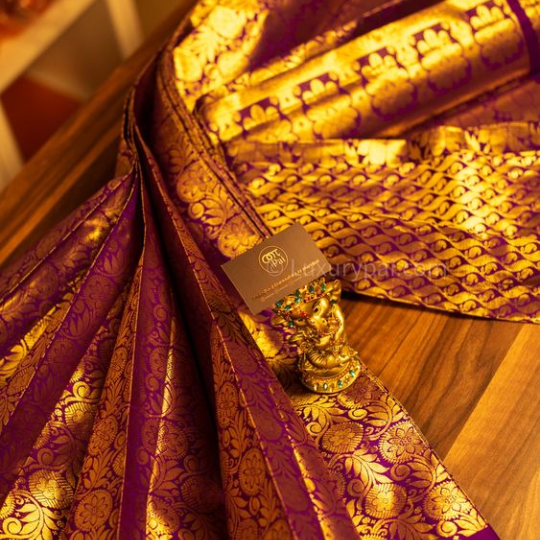
Mysore Silk
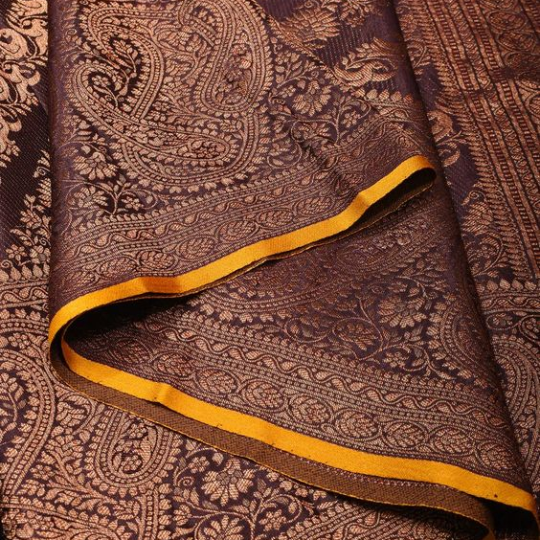
Mysore Silk - Luxurious silk fabric known for its smooth texture and lustrous sheen, often with minimalist designs and rich colors. Used for saris and other garments.
Kasavu
Kasavu - Traditional handloom fabric known for its off-white or cream base with golden zari borders. Worn as saris and mundus (dhoti) during festivals and special occasions.
releted question
What is Indian luxury handloom?
Handloom products such as muslins of Chanderi, Phulkari and Khes of Punjab, brocades of Varanasi, Ikats from Andhra Pradesh and Orissa, the tie and dye from Rajasthan and Gujarat, the jacquards from Uttar Pradesh have become famous all over the world.
Which city is known as the city of Weavers?
Panipat is called the city of weavers, as it produces textiles and carpets. It is the biggest center for quality blankets and carpets in India and has a hand loom weaving industry. Panipat city is the biggest centre of “shoddy yarn” in the World.
Who is the founder of handloom?
The origins of handloom in the Indian subcontinent may be traced back to the Indus Valley Civilization, according to archaeological findings. Weavers received royal support with the rise of the Mughal empire, resulting in the invention of new textiles such as 'Mulmul,' 'Benarsi Brocade,' and 'Jamawar,' among others.
Which country is famous for handloom?
The handloom industry in India has a long tradition of outstanding artisanship that represents and preserves vibrant Indian culture. India's handloom artists are globally known for their unique hand spinning, weaving and printing style.
More Blogs
why organic fabric suppliers are growing in india
jacquard fabric in modern fashion
how silk manufacturers preserve traditional craftsmanship
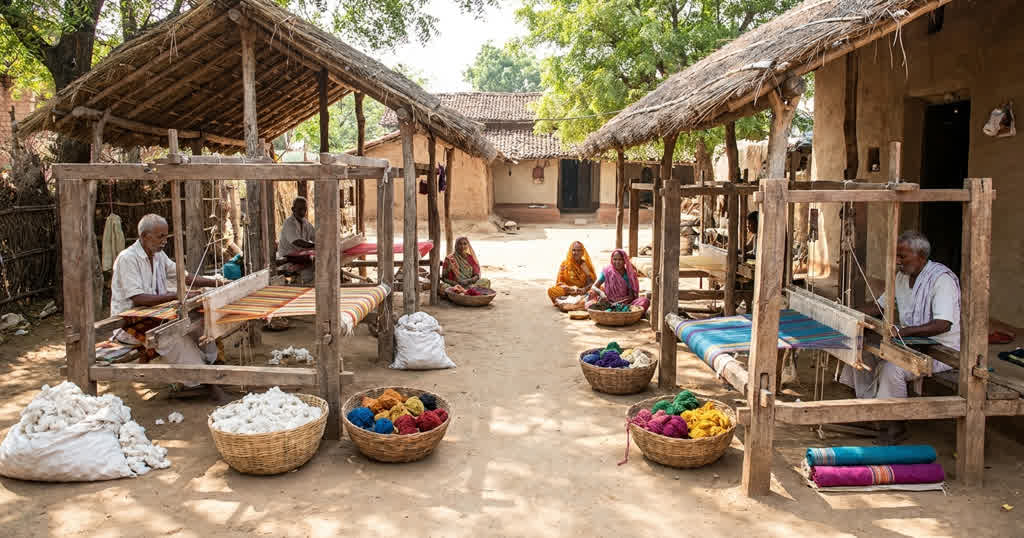
indian fabric wholesale: a guide to sourcing handwoven textiles
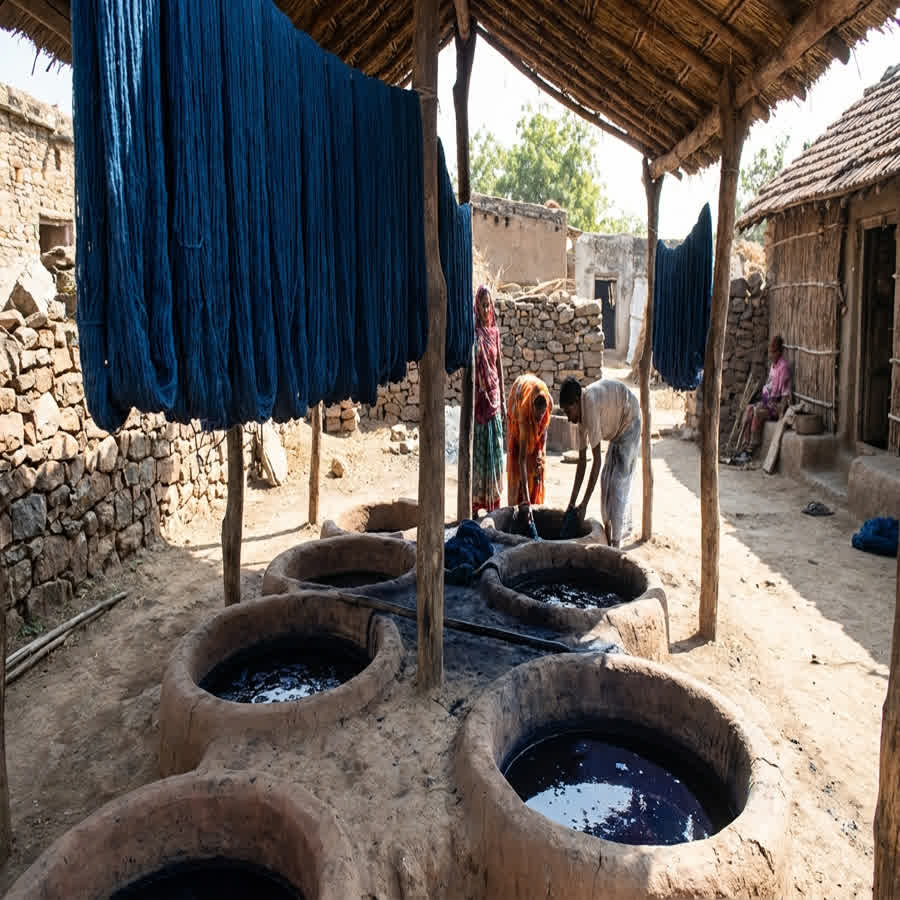
how indian fabric exporters meet global quality standards
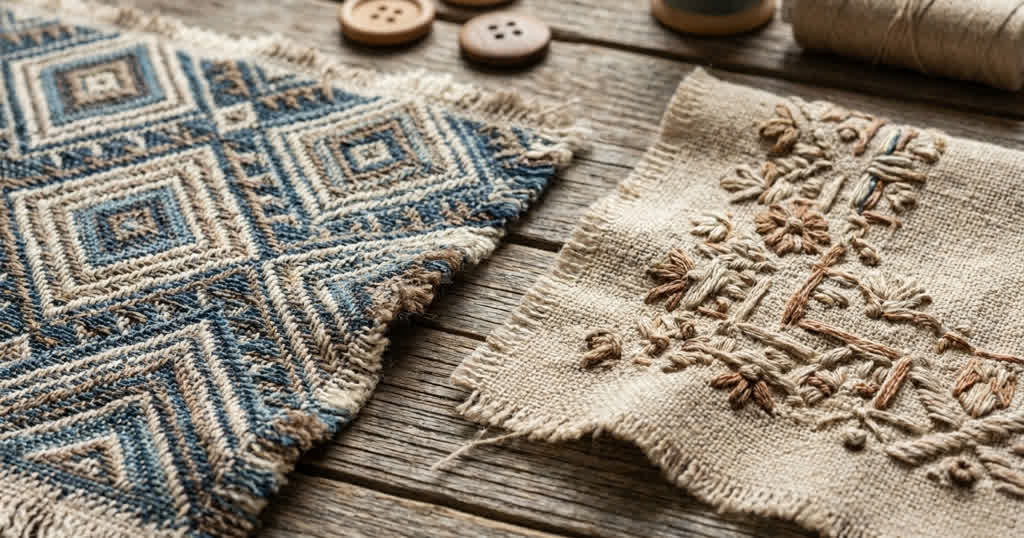
jacquard vs embroidery: what's the difference?