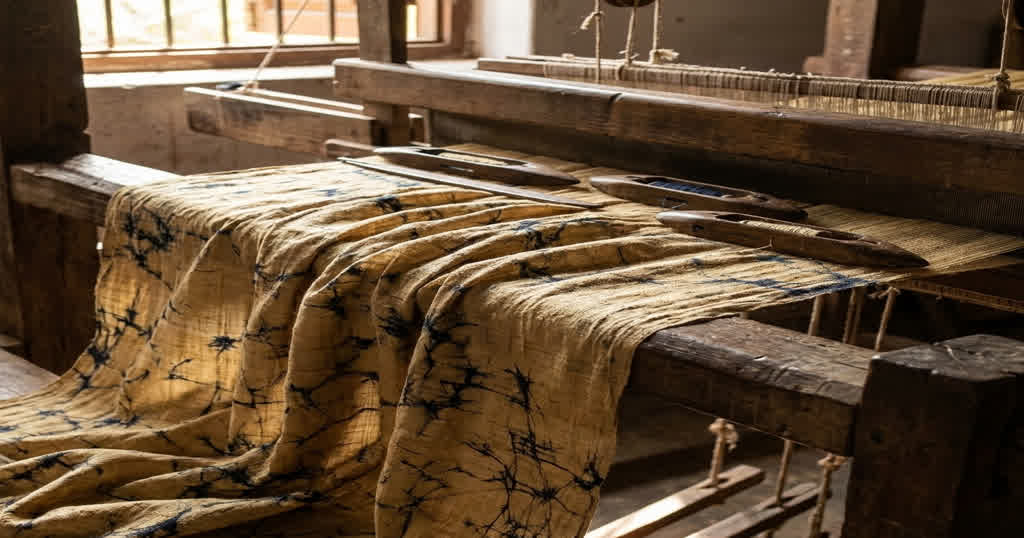
Understanding Raw Silk Fabric Properties: A Guide for Sustainable Designers

Designers shifting away from chemically intensive textiles often encounter a critical gap between their aesthetic vision and actual material performance. raw silk fabric properties is essential for creating garments that align with strict environmental standards without sacrificing structural integrity. The choice to bypass conventional degumming processes directly impacts how a textile behaves on the cutting table, dictating everything from drape to seam strength. This technical distinction matters because the modern consumer demands both a quiet luxury aesthetic and verifiable supply chain transparency.
By understanding the exact tensile strength, moisture-wicking capabilities, and dye uptake of unrefined wild silks, fashion houses can confidently specify materials that support rural artisan livelihoods. Sourcing these textiles correctly ensures exceptional garment longevity while preserving the ecological balance of the regions where the fibers are cultivated.
The Science of Sericin: Defining Raw Silk Fabric Properties
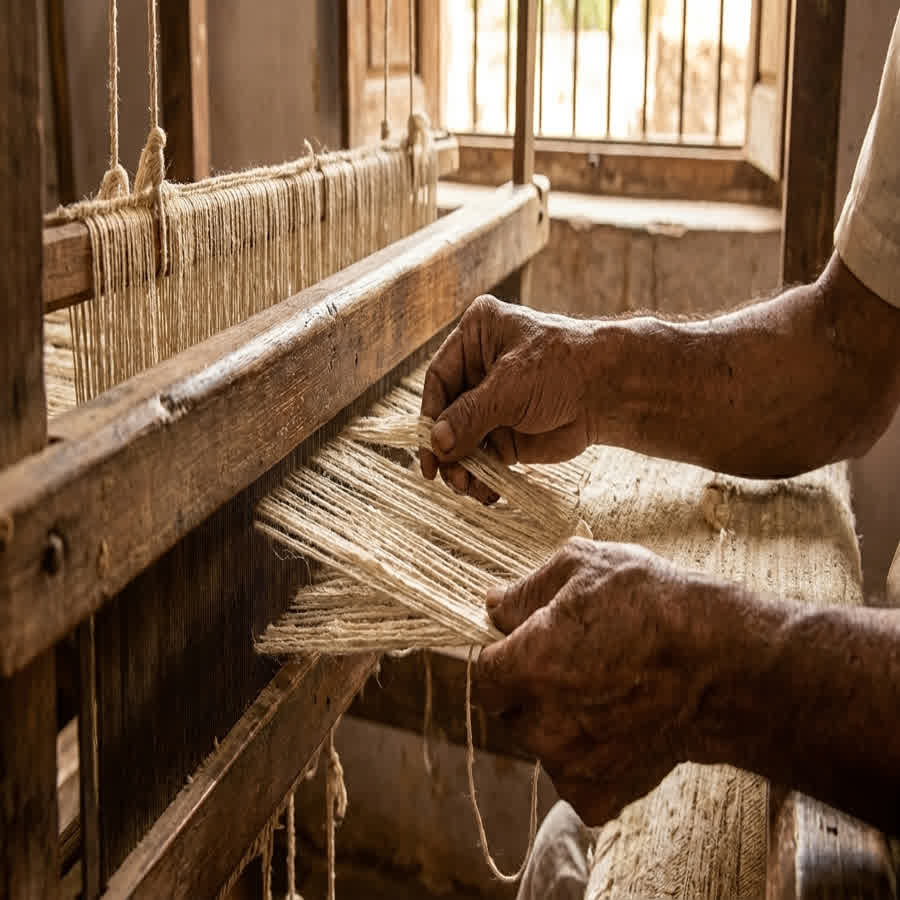
The defining characteristic of raw silk is the deliberate retention of sericin, the natural protein gum that coats the twin fibroin filaments. Leaving this protective layer intact fundamentally alters the textile, resulting in a matte finish, a nubby texture, and significantly higher tensile strength compared to boiled-off alternatives.
The Structural Role of Sericin
During conventional silk processing, harsh chemical baths strip away the sericin coating to achieve a high-gloss sheen. Retaining this protein binder preserves the natural architecture of the fiber, preventing the microscopic damage caused by aggressive scouring. This intact structure provides a dry, crisp hand-feel that resists abrasion and mechanical stress during garment wear.
Wild silk variants like Tussar, Eri, and Muga naturally possess distinct sericin profiles based on the specific diet of the silkworm. For instance, Eri silk offers a denser, wool-like structure because its sericin layer is thicker and more integrated into the core filament.
The Structural Role of Sericin (continued)
The physical benefits of this retained protein include:
- Enhanced durability: The natural gum acts as a protective shield against daily friction.
- Textural variation: Organic slubs remain visible, offering a distinct visual character.
- Matte light reflection: The irregular surface scatters light rather than reflecting it sharply.
Impact on Garment Lifespan
The physical presence of sericin directly extends the functional life of the finished garment. Because the fibers have not been weakened by toxic chemical degumming, the resulting fabric maintains its structural integrity through repeated use and cleaning cycles.
Designers specifying these materials benefit from a textile that resists the common pitfalls of delicate, highly processed silks. The inherent friction resistance means fewer snags and a significantly lower likelihood of seam slippage in tailored applications. Understanding these specific raw silk fabric properties allows sourcing teams to prioritize long-term wearability over artificial, temporary softness.
Thermoregulation and Breathability: The Performance Edge
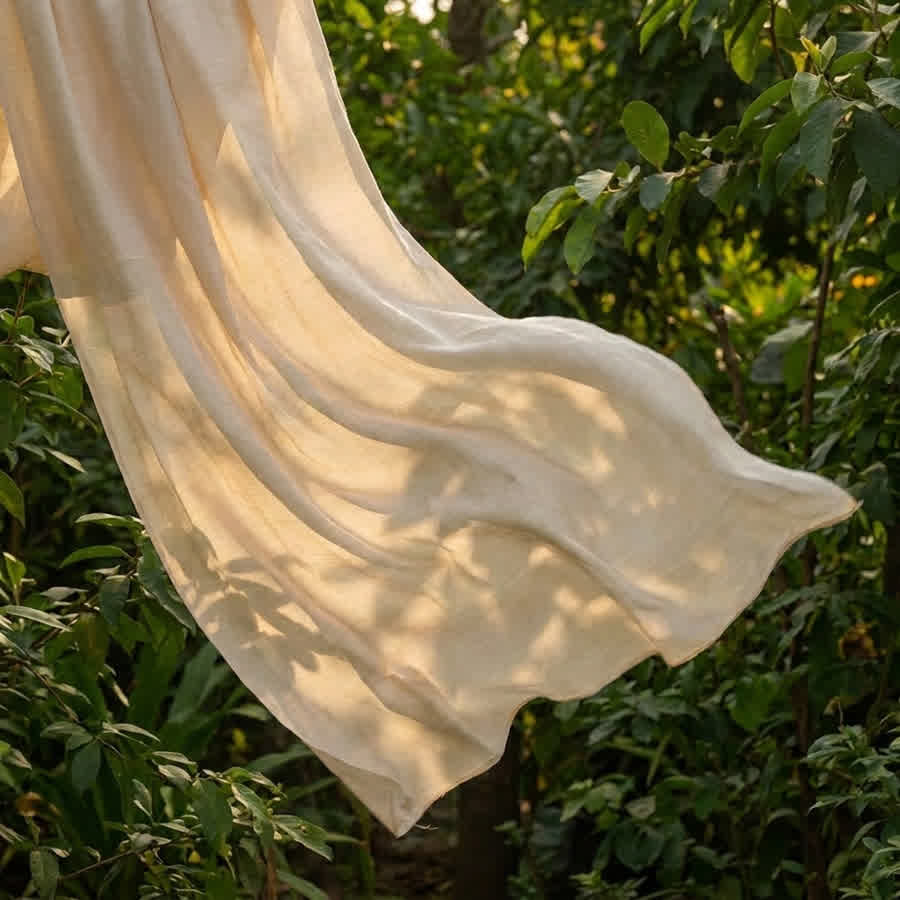
Raw silk delivers superior thermoregulation and breathability because its unrefined, porous fiber structure naturally traps air and manages moisture. This inherent physical architecture allows the fabric to adapt to fluctuating temperatures, keeping the wearer cool in humid conditions and insulated during cooler seasons.
The Mechanics of Moisture Management
The microscopic structure of unprocessed silk fibers contains tiny voids that actively draw moisture away from the skin. Unlike synthetic blends that trap sweat, this porous structure facilitates rapid evaporation, maintaining a comfortable microclimate next to the body.
This mechanical action is a core component of raw silk fabric properties, making it highly suitable for demanding transitional collections. The natural moisture-wicking capabilities ensure the textile remains comfortable against the skin without feeling clammy or restrictive.
The specific performance metrics of this fiber include:
The Mechanics of Moisture Management (continued)
- High absorbency: The fibers can hold significant moisture before feeling physically wet.
- Active vapor transfer: Body heat pushes moisture outward through the breathable weave.
- Odor resistance: The dry microclimate naturally inhibits the growth of odor-causing bacteria.
Climate Adaptability in Wild Silks
Heavily processed silks often lose their natural insulating properties when the sericin is completely boiled away. In contrast, wild variants like Tussar silk maintain a slightly irregular surface that creates microscopic air pockets within the weave structure.
These air pockets act as a natural thermal barrier, providing a warm, comforting drape in winter while remaining highly breathable in summer. Additionally, the specific handloom weave structures utilized by rural artisans enhance this breathability, as a looser warp and weft interlacing maximizes airflow.
For a sustainable fashion brand, this versatility reduces the need to source different base materials for distinct seasonal lines. Relying on the natural climate adaptability of these textiles simplifies inventory planning while improve the functional value of the final garment.
Designing with Raw Silk: Drape, GSM, and Structural Integrity
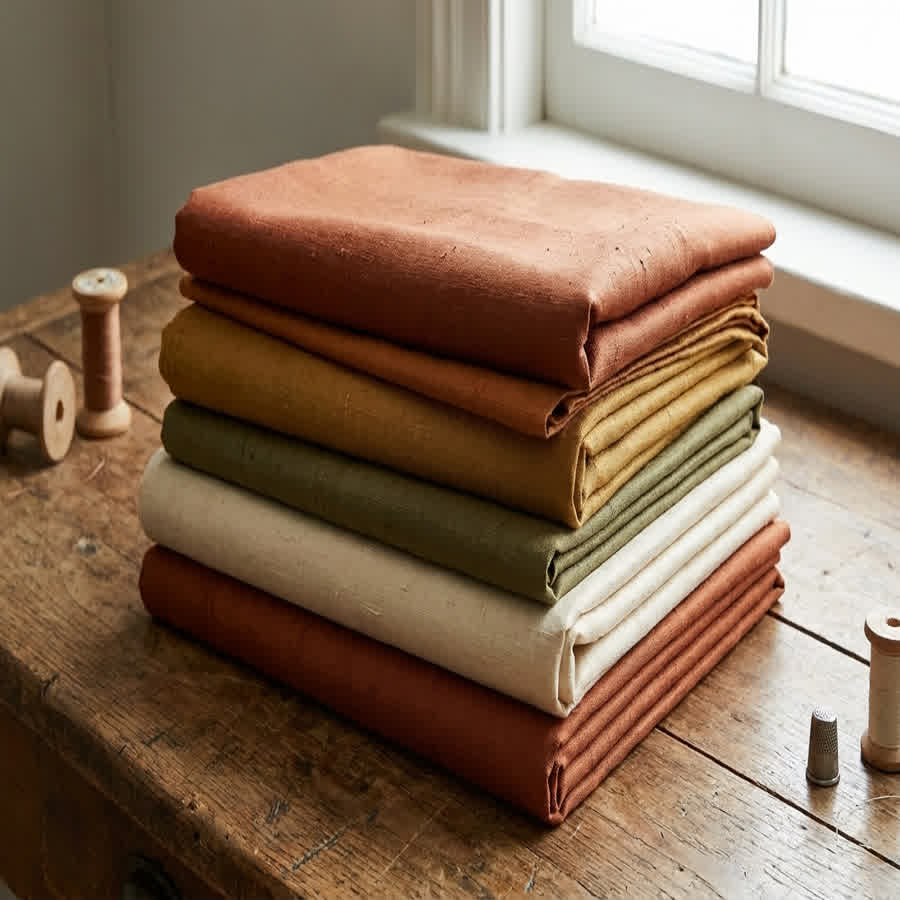
Handloomed raw silk typically ranges from 80 to 150 GSM, providing a medium-weight structure that holds tailored shapes exceptionally well. This specific weight class, combined with the crisp hand-feel of the retained sericin, makes the fabric ideal for structured silhouettes rather than fluid, bias-cut designs.
Understanding GSM in Handloomed Silk
Sourcing managers must carefully match the fabric weight to the intended garment construction to ensure proper performance. The standard 80 to 150 GSM range offers a versatile middle ground for designers seeking both physical substance and wearing breathability.
At the lower end of this spectrum, an 80 GSM raw silk provides enough opacity for lightweight shirting and breathable summer dresses. Moving toward the 150 GSM threshold, the textile gains significant heft, making it appropriate for light outerwear, structured trousers, and architectural pieces.
Key considerations for weight selection include:
Understanding GSM in Handloomed Silk (continued)
- 80-100 GSM: Ideal for breathable tops, tunics, and layered foundational pieces.
- 110-130 GSM: The industry standard for tailored dresses and lightweight suiting.
- 140-150 GSM: Best suited for transitional jackets and garments requiring rigid form.
Structural Hold and Tailoring Applications
The inherent structural integrity of this material dictates its behavior on the cutting table and under the sewing machine. Because the fibers are naturally stiffened by the protein gum, the fabric resists excessive stretching and maintains sharp, crisp fold lines.
Designers can utilize these specific raw silk fabric properties to create voluminous sleeves, sharp pleats, and highly defined collars. The textile possesses a sculptural quality that supports complex pattern drafting without the need for heavy, synthetic interfacing.
This natural rigidity aligns perfectly with the aesthetic of quiet luxury, where the physical shape of the garment speaks directly to the quality of the raw material. By selecting the correct GSM weight, brands can achieve precise tailoring while maintaining a fully biodegradable material profile.
Dye Affinity: How Raw Silk Interacts with Natural Pigments
The unrefined, porous structure of raw silk absorbs natural dyes exceptionally well, resulting in deep, earthy tones with a distinct matte finish. Because the sericin layer remains intact, the fabric requires specialized, low-temperature dye processes to ensure even pigment uptake without degrading the protein structure.
The Chemistry of Natural Dye Uptake
Conventional silk dyeing relies on harsh chemical mordants and high heat to force synthetic colors into a stripped fiber. In contrast, the porous architecture of raw silk naturally welcomes plant-based pigments like indigo, madder root, and marigold extracts.
The retained sericin coating acts as a natural binding agent, allowing the botanical colors to anchor deeply into the textile. This chemical interaction produces a rich, multidimensional color that ages gracefully over time, rather than fading sharply after a few washes.
Technical benefits for sustainable dye houses include:

The Chemistry of Natural Dye Uptake (continued)
- High absorption rate: The open fiber structure takes in natural pigment rapidly.
- Low-impact processing: Eliminates the need for toxic chemical degumming before dyeing.
- Unique color profiles: The natural golden or beige base color of wild silks adds depth to the final shade.
Achieving the Matte Aesthetic
The resulting aesthetic is a direct reflection of these unique raw silk fabric properties. Instead of the high-gloss shine associated with conventional silk, the dyed fabric exhibits a sophisticated matte surface that diffuses light beautifully.
This subdued visual texture is highly sought after by eco-conscious fashion designers aiming for an organic, understated look. Achieving this finish requires careful temperature control during the dye bath, as excessive heat can inadvertently strip the sericin and alter the fabric's character.
Sourcing teams must partner with dye houses and silk manufacturers that understand the delicate balance required to color unprocessed silk fibers effectively. When executed correctly, the synergy between natural dyes and raw silk creates a textile that is both visually striking and environmentally responsible.
Traceability in the Loom: Sourcing from Decentralized Artisans
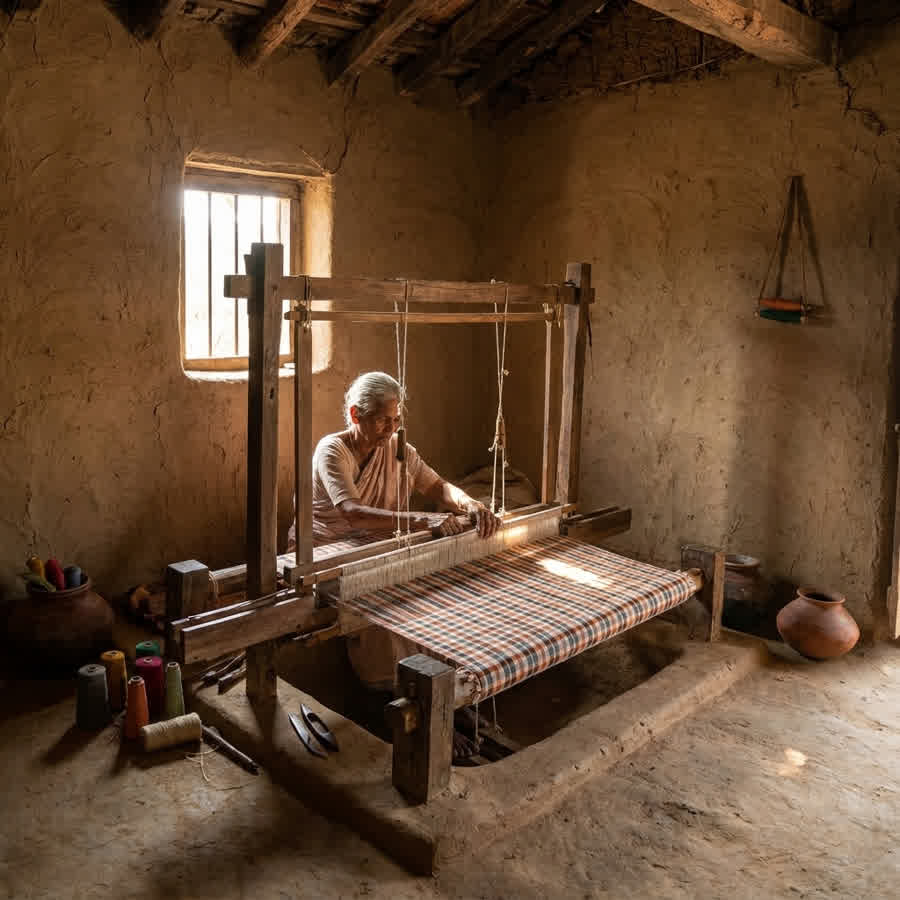
Sourcing raw silk through a decentralized artisan network guarantees strict supply chain transparency while directly supporting the heritage skills of rural Indian weavers. This direct-to-loom model provides B2B buyers with verifiable zero-waste credentials and consistent technical quality, bridging the gap between ethical production and high-end material science.
The Value of Transparent Supply Chains
Modern fashion brands face increasing pressure to prove the exact origin of their raw materials. Partnering with a transparent supply chain allows designers to trace their fabric back to specific weaving clusters in regions like Murshidabad, Malda, and Karnataka.
This level of oversight ensures that the raw silk fabric properties remain consistent across different production batches and seasons. By eliminating opaque middlemen, sourcing managers gain direct access to the technical specifications and the ethical production data required for accurate ESG reporting.
The Value of Transparent Supply Chains (continued)
Advantages of direct artisan sourcing include:
- Verifiable origins: Complete visibility from the spinning wheel to the finished yardage.
- Customized specifications: The ability to request specific GSM weights directly from the weavers.
- Reduced carbon footprint: Localized processing minimizes unnecessary transportation emissions.
Preserving Heritage Through Ahimsa Practices
Many of the wild silks woven in these rural clusters align with Ahimsa philosophies, where the pupa is allowed to hatch naturally. This non-violent extraction method preserves the local ecosystem and honors centuries-old Eastern textile traditions.
The careful hand-spinning required for Ahimsa silk directly contributes to the nubby, organic texture that defines the final fabric. For a sustainable designer, this narrative is not just a marketing tool; it is a tangible reflection of the material quality and ethical commitment.
We currently work with numerous artisan clusters to ensure that every yard of fabric supports rural artisan livelihoods while delivering uncompromising performance. Sourcing through Anuprerna guarantees that the technical demands of luxury fashion are met without exploiting the environment or the makers.
Explore Our Collection
Anuprerna works directly with handloom artisan clusters to weave raw silk fabric properties for designers and brands building considered collections. To source it for your next line, explore the range below.
frequently asked questions
Q: How does the retention of sericin affect the dyeing process of raw silk?
A: Sericin makes the fabric more porous and highly receptive to natural dyes, resulting in deep, matte tones rather than the high-gloss finish of degummed silk. However, it requires careful temperature control during dyeing to prevent uneven dye uptake and to preserve the protein structure.
Q: What is the typical GSM range for handloomed raw silk, and how does it impact garment construction?
A: Handloomed raw silk typically falls between 80 and 150 GSM. This medium weight provides excellent structural integrity and a crisp drape, making it ideal for tailored silhouettes, jackets, and structured dresses rather than fluid, bias-cut garments.
Q: Is raw silk the same as Ahimsa (Peace) silk?
A: Not necessarily. 'Raw silk' simply means the sericin hasn't been boiled off, whereas 'Ahimsa silk' refers to an extraction method where the moth is allowed to hatch. However, many of Anuprerna's raw silks, such as Eri silk, are naturally Ahimsa, combining both ethical extraction and minimal processing.
Q: How does raw silk perform in terms of durability compared to conventional silk?
A: Raw silk is generally more durable and less prone to snagging or tearing than highly processed silk. The protective sericin coating remains intact, which enhances the fiber's natural tensile strength and resistance to friction.
Q: Can raw silk fabric be machine washed, or does it require dry cleaning?
A: Raw silk should generally be dry cleaned or carefully hand-washed in cold water to preserve its sericin coating and structural integrity. Machine washing introduces excessive friction and heat, which can break down the natural protein gum, alter the *crisp hand-feel*, and cause significant shrinkage.
More Blogs
raw silk vs mulberry silk durability: which is better for your collection?
the art of khesh: the original zero-waste textile of west bengal
from waste to weave: the mechanical textile recycling process to recycle cotton fabric
khesh recycled cotton fabric vs. virgin cotton: a technical comparison for fashion brands

the khesh technique: how to recycle cotton fabric into luxury sustainable textiles
hemp vs linen fabric: a designer’s sourcing guide