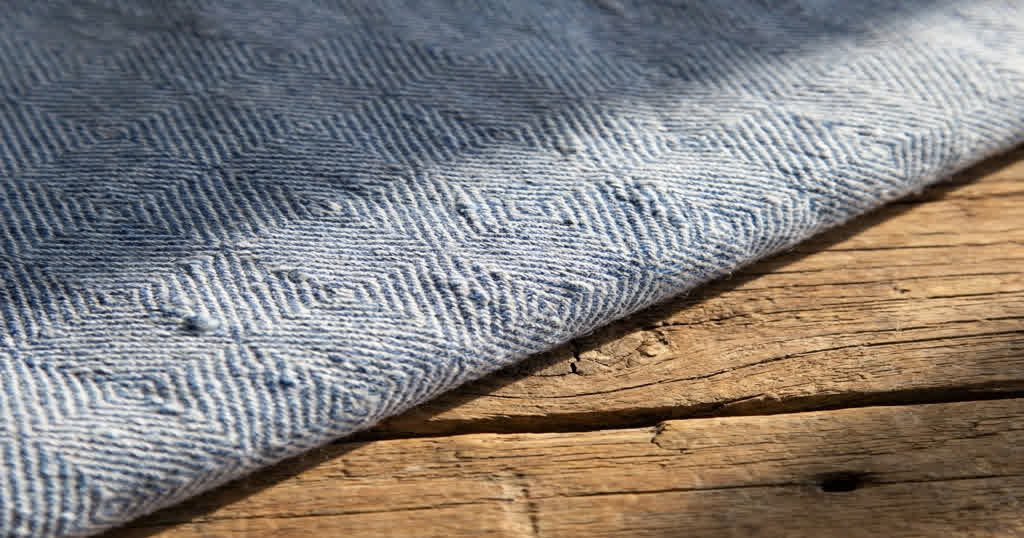
Is Jacquard Fabric Good or Bad for Upholstery and Apparel?

Designers specifying textiles for a new collection often face a choice between flat printed synthetics and structurally woven materials. When evaluating jacquard fabric, the decision rests on balancing intricate aesthetics with physical performance. Invented by Joseph Marie Jacquard in 1804, the original punch-card loom automated complex pattern weaving, setting a standard for textile engineering. Today, understanding how this weave structure behaves under stress is critical for selecting the right material.
The stakes are high when sourcing materials that must endure daily wear without losing their visual appeal. Buyers need to know exactly how the structural integrity of these textiles translates to different applications. By examining specific metrics like GSM and fiber composition, sourcing teams can determine the most effective jacquard fabric uses for their specific collections. This technical breakdown clarifies how woven patterns outperform printed alternatives in both longevity and tactile quality.
Decoding the Jacquard Fabric Texture: How the Weave Dictates Durability
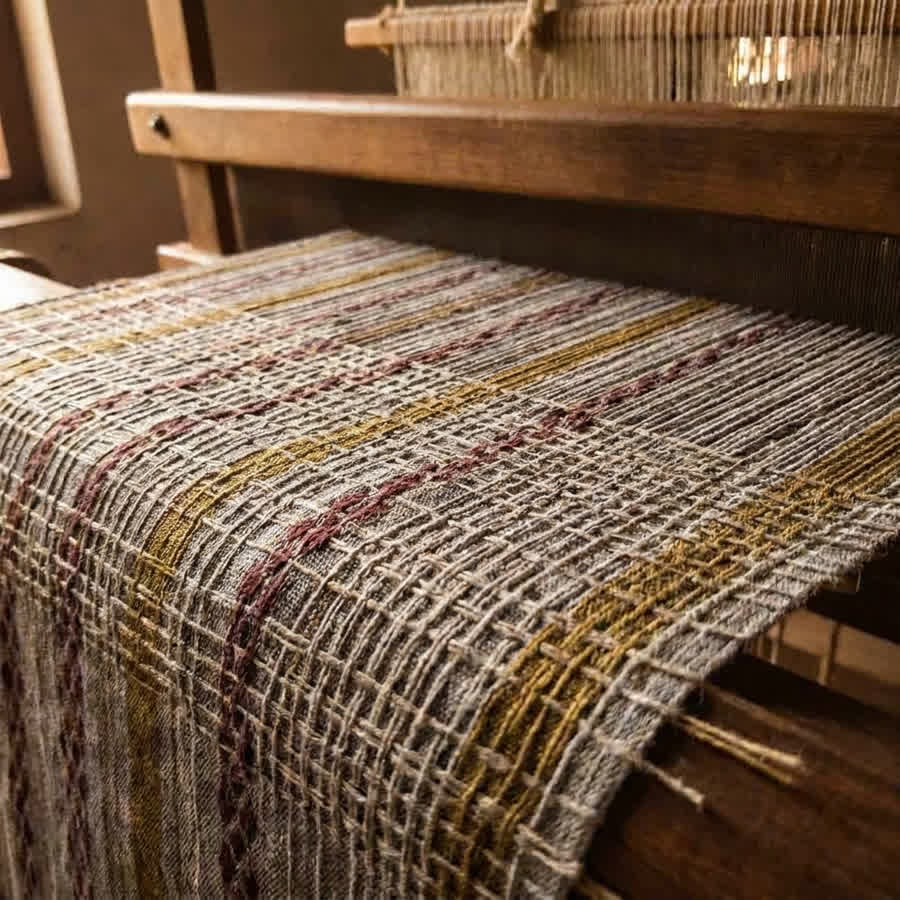
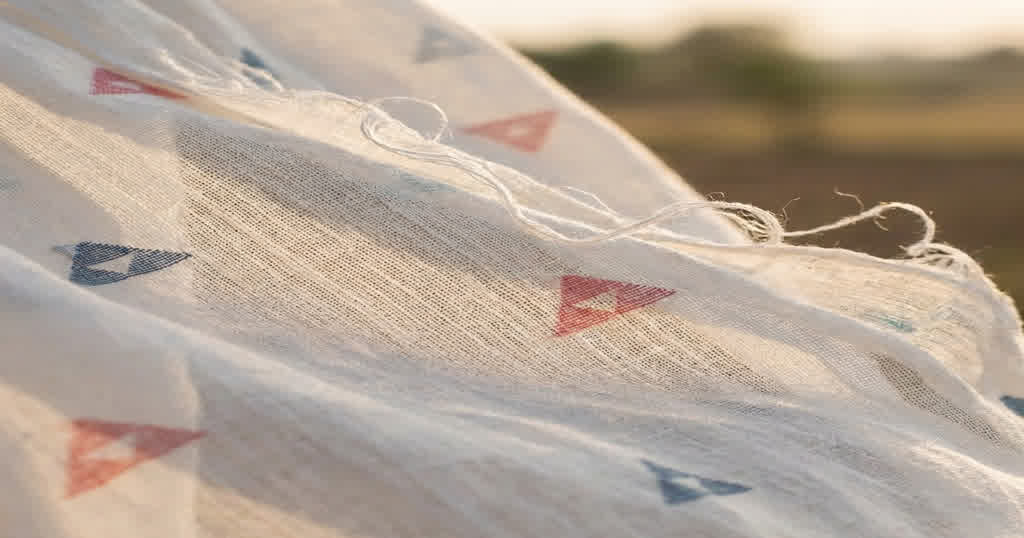
The jacquard fabric texture directly dictates its high durability because the design is structurally woven into the material rather than printed on the surface. This interwoven construction locks the yarns together, creating superior tensile strength that resists tearing and abrasion. Unlike surface applications that degrade over time, the jacquard fabric pattern remains intact as long as the underlying yarns hold. This fundamental difference in construction makes it a highly reliable choice for demanding applications.
The Mechanics of Loom-Controlled Patterning
To understand the physical properties of this textile, we must look at how the threads intersect on the loom. The process utilizes loom-controlled patterning, where individual warp threads are raised independently to create the motif. Historically, this was achieved using Joseph Marie Jacquard's 1804 punch-card system, a notable method that automated complex designs. Today, this mechanical precision allows for highly complex, three-dimensional designs that possess a distinct, tactile surface.
Because the pattern is built from pre-dyed yarns, the resulting textile exhibits exceptional colorfastness.
The structural density achieved through this method provides several distinct physical advantages. When evaluating the material for commercial use, designers look for specific performance indicators. The inherent properties of this weave include:
- High abrasion resistance due to the tightly packed warp and weft intersections.
- Dimensional stability that prevents the material from stretching out of shape under tension.
- Fade-resistant motifs because the color is embedded within the core of the yarn itself.
- Textural depth that adds a premium, sculptural feel to the finished product.
Material Science Behind the Texture
It is important to note that jacquard refers exclusively to the weave structure, not the raw material composition. The physical performance of the textile depends entirely on the fibers selected for the warp and weft. When woven with high-quality natural fibers, the resulting interwoven pattern offers a balance of flexibility and strength. This structural integrity ensures the material can withstand repeated friction without pilling or degrading.
For sourcing teams, this means the textile can be engineered for specific performance requirements simply by altering the yarn thickness and density. A tighter weave yields a stiffer, more resilient fabric, while a looser construction provides better drape for lighter applications. By specifying the exact yarn count and fiber type, buyers can precisely control the final tactile quality of the material.
Jacquard Fabric for Upholstery: GSM, Abrasion Resistance, and Longevity
Jacquard fabric for upholstery requires a heavy-duty construction, typically ranging from 250 to 400+ GSM, to provide the necessary structural support and prevent sagging. This high density ensures the material can withstand the constant friction and weight demands of furniture applications. By utilizing a tightly packed weave structure, the textile maintains its shape and visual appeal even under heavy daily use. This makes it an essential material for interior decorators focused on longevity.
Engineering for High-Traffic Environments
Interior decorators specifying materials for commercial spaces must prioritize abrasion resistance above all else. A heavy-weight woven textile excels in these environments because the pattern cannot be rubbed off by constant seating or cleaning. The high-GSM construction creates a thick, protective barrier over the furniture frame, resisting punctures and tears. This makes the material highly suitable for hotel lobbies, office seating, and high-use residential sofas.
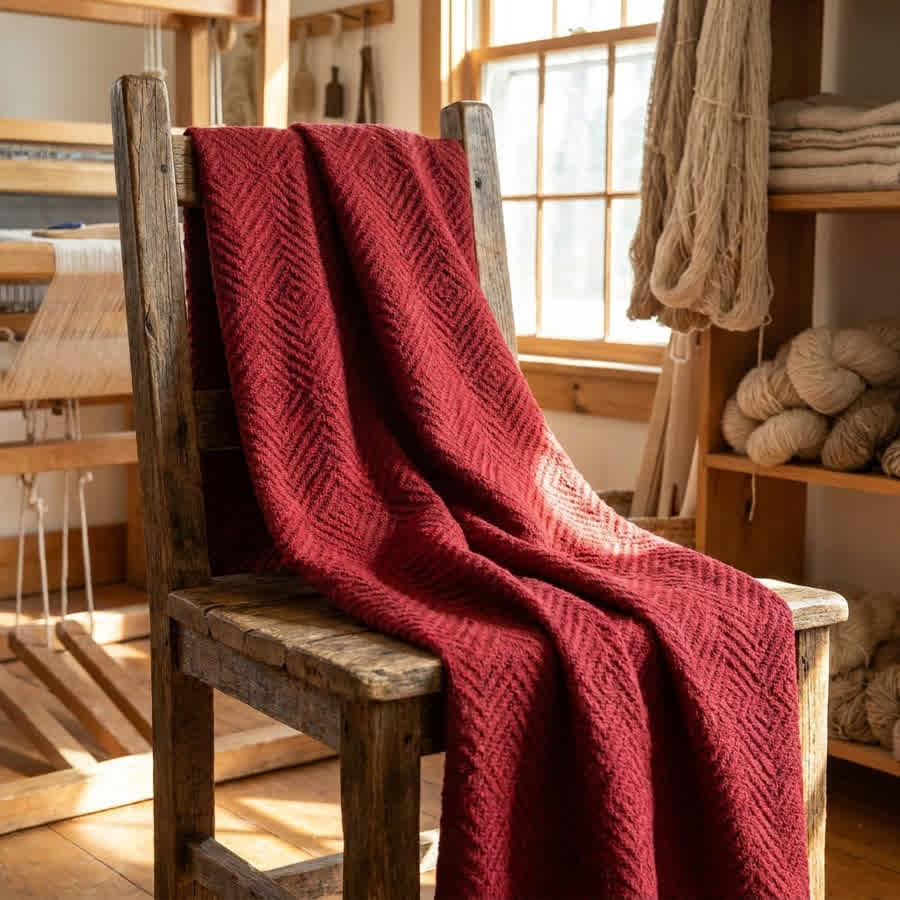
When evaluating materials for these demanding spaces, specific technical specifications dictate the textile's performance. The primary benefits of using a heavy woven material for furniture include:
- Superior tear resistance provided by the dense 250-400+ GSM weight.
- Long-term shape retention that prevents unsightly bagging on seat cushions over time.
- Concealment of wear as the complex, textured surface naturally hides minor stains and scuffs.
- Enhanced seam strength ensuring the fabric does not pull apart at the stitching under pressure.
Structural Integrity and Furniture Design
The physical weight of the textile plays a crucial role in how it behaves once upholstered onto a frame. A heavier yarn composition provides the stiffness required to tailor clean, crisp lines on modern furniture pieces. Because the jacquard fabric pattern is integrated into the structural base, the material does not suffer from the delamination issues common in backed synthetic alternatives. This ensures a longer lifespan for the finished piece, reducing the need for costly reupholstery.
Additionally, the choice of fiber significantly impacts the longevity of the upholstery in different climates. While mass-market options rely on synthetics, natural fibers offer a more breathable, premium hand-feel for luxury interiors. By selecting a high-density natural weave, designers achieve both the necessary structural support and a refined aesthetic. This combination of durability and design makes it a staple in high-end interior sourcing.
Jacquard Fabric for Clothing: Breathability Meets Intricate Design
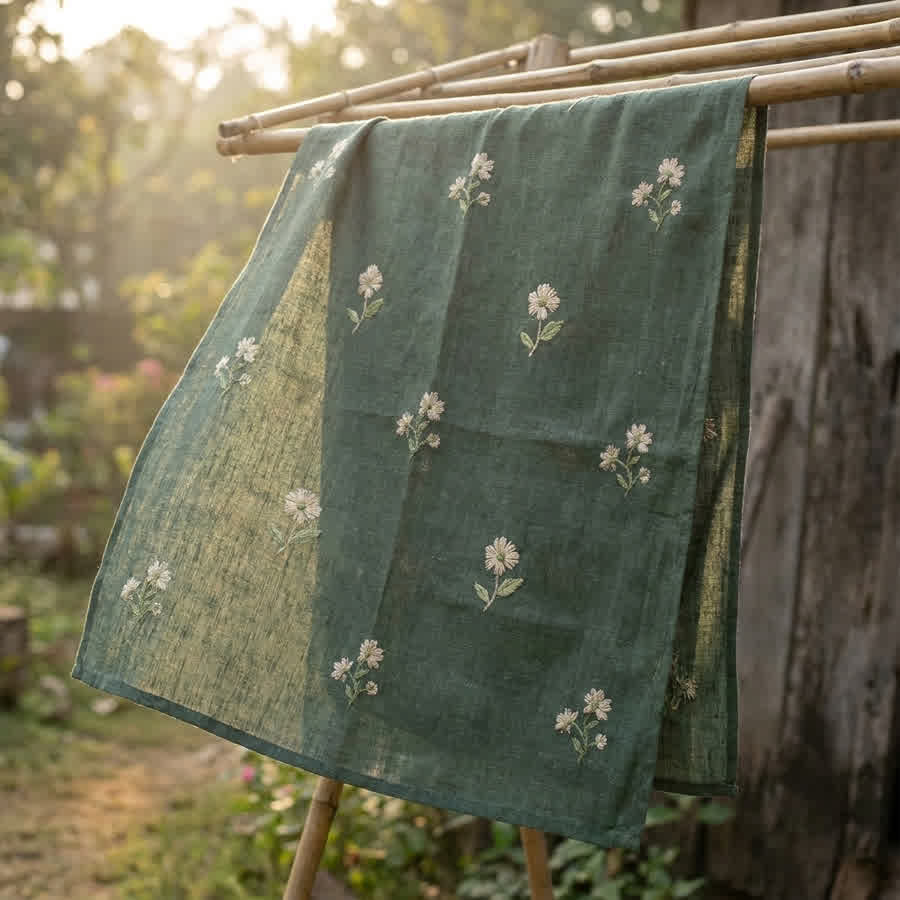
When used for apparel, jacquard fabric for clothing is engineered at a lighter 120-200 GSM to ensure optimal breathability and a comfortable drape. This specific weight allows designers to incorporate complex, woven motifs into garments without the stiffness associated with heavier upholstery grades. By carefully controlling the yarn density, weavers create a textile that moves naturally with the body. This precision ensures the fabric remains functional for daily wear.
Optimizing GSM for Apparel
Boutique apparel designers require materials that offer both visual interest and physical comfort. At 120-200 GSM, the textile achieves a delicate balance, providing enough structure to showcase the woven motif while remaining supple against the skin. This medium-weight category is ideal for constructing structured jackets, tailored trousers, and transitional outerwear pieces. The crisp drape of the material holds silhouettes beautifully without feeling restrictive or heavy.
To achieve this balance, the manufacturing process must be precisely calibrated for garment use. The key advantages of specifying this lighter weight for fashion collections include:
- Enhanced breathability that prevents the wearer from overheating in moderate climates.
- Fluid drape characteristics allowing the garment to fall cleanly away from the body.
- Reduced bulk at the seams, making the construction and tailoring process highly efficient.
- Versatile layering potential due to the manageable, medium-weight profile.
The Benefits of Natural Fiber Composition
The raw material choice is critical when designing garments meant for direct skin contact. Utilizing jacquard fabric cotton ensures the finished piece remains highly breathable, soft, and hypoallergenic. Unlike synthetic blends that trap heat and moisture, a 100% natural composition allows air to circulate freely through the interwoven threads. This makes it an excellent choice for premium, sustainable fashion lines focused on wearer comfort.
We frequently see designers shifting away from stiff polyesters in favor of these natural alternatives for their seasonal collections. A pure cotton weave offers a distinct, dry hand-feel that signals quality to the end consumer. By prioritizing natural fiber composition, brands can deliver intricate, textured designs that align with strict eco-friendly sourcing standards. This approach satisfies both the aesthetic and functional demands of modern apparel design.
Is Jacquard Fabric Good or Bad? A B2B Sourcing Perspective
To determine if jacquard fabric is good or bad for a specific project, B2B buyers must weigh its superior durability and premium aesthetic against its higher production cost and heavier weight. For projects requiring long-lasting, structurally integrated patterns, it is an exceptionally good choice that delivers a strong return on investment. The decision depends on the specific performance requirements and budget constraints of the collection.
Evaluating the Advantages for B2B Buyers
Sourcing managers tasked with finding reliable, high-quality textiles consistently turn to woven patterns for their proven longevity. The primary advantage lies in the exceptional colorfastness achieved by using pre-dyed yarns in the weaving process. Because the design is physically built into the material, it will not wash out, crack, or degrade like a surface print. This results in a premium aesthetic that maintains its value over years of continuous use.
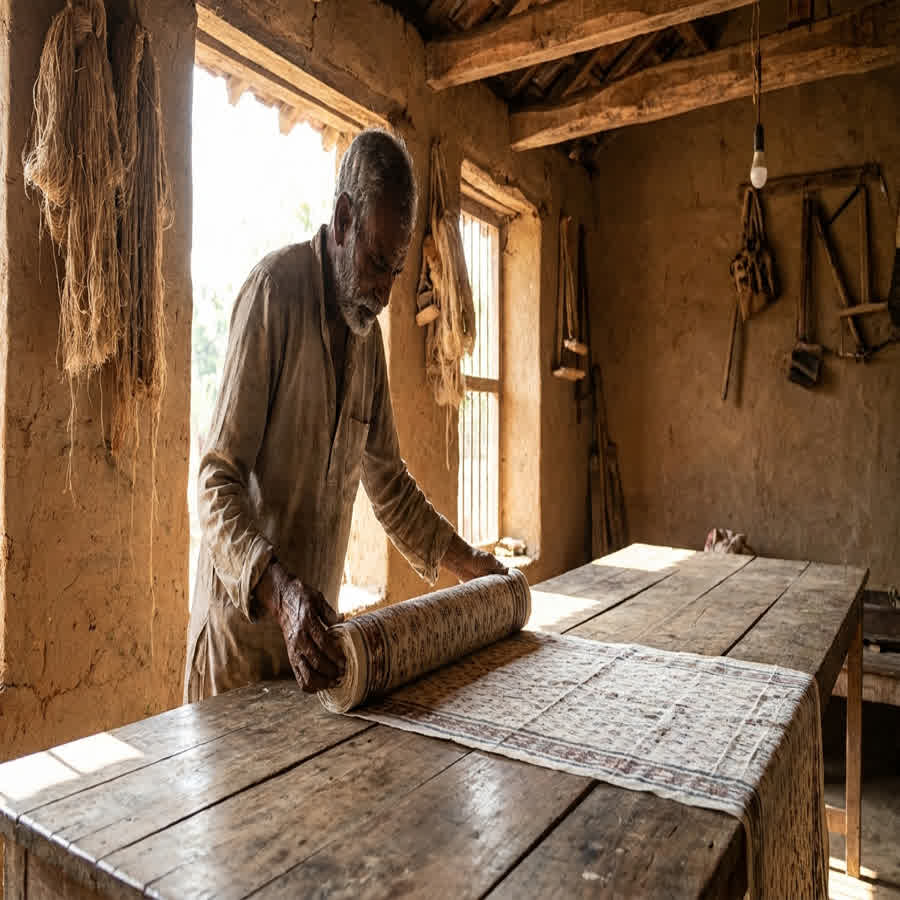
When building a case for this material, buyers focus on the tangible benefits that justify the initial investment. The most compelling reasons to specify this textile include:
- Extended product lifespan due to the high tensile strength of the interwoven yarns.
- Enhanced brand perception created by the complex, tactile surface of the material.
- Lower replacement rates for commercial clients, offering better long-term value.
- Consistent pattern alignment that simplifies the cutting and manufacturing process.
Understanding the Limitations and Costs
Despite its many benefits, buyers must also account for the inherent limitations of the material during the sourcing phase. The complex loom setup required to weave these patterns naturally results in higher production costs and longer lead times compared to basic plain weaves. Additionally, the inherent density of the weave means the material is generally heavier, which may not be suitable for lightweight summer apparel. Sourcing teams must carefully evaluate these factors against their target margins and delivery schedules.
However, when assessing the overall uses of jacquard fabric, the initial cost is often offset by the durability of the final product. A higher upfront investment yields a garment or furniture piece that resists premature wear and tear. By conducting a thorough cost-benefit analysis, B2B buyers can confidently position this textile within their premium product tiers, ensuring the material aligns with their strategic goals.
The Handloom Advantage: Sustainable Uses of Jacquard Fabric in Modern Design
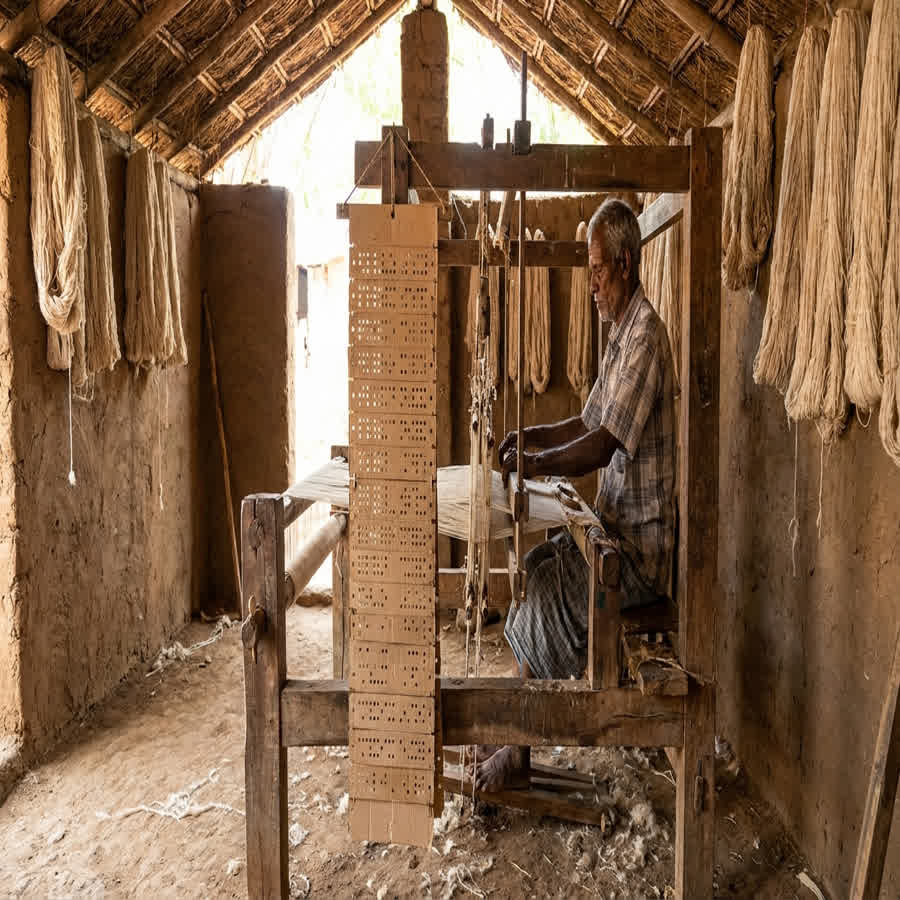
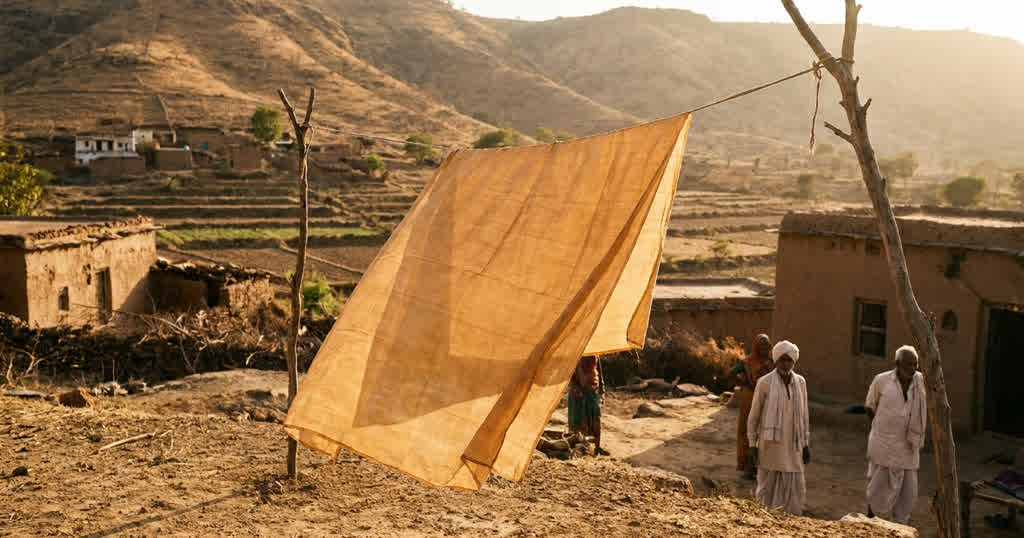
The most sustainable uses of jacquard fabric are found within decentralized artisan supply chains, where rural Indian weavers produce bespoke, eco-friendly textiles using hand-operated looms. This traditional approach eliminates the heavy carbon footprint of industrial powerlooms while delivering a highly breathable, low-impact luxury material. By sourcing through these artisan networks, brands secure a unique product that carries authentic heritage value and verifiable ethical credentials.
Decentralized Artisan Production
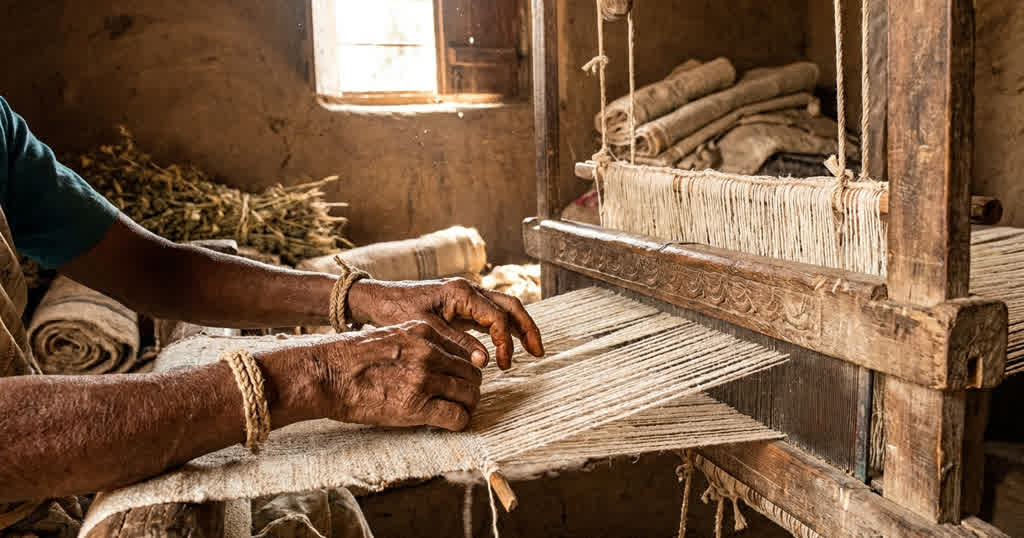
At Anuprerna, we work directly with rural weaving clusters across India to produce intricate textiles without relying on mechanized factories. The marriage of the historical punch-card concept with traditional Indian handlooms allows artisans to execute complex, loom-controlled patterning entirely by hand. This process requires immense skill, as the weaver manually manipulates the warp threads to build the design row by row. The result is a textile with a distinct, human touch that machine-made alternatives simply cannot replicate.
This decentralized model offers significant advantages for brands committed to ethical manufacturing and transparent sourcing. The benefits of sourcing handwoven materials through an artisan network include:
- Zero-carbon weaving as the looms are entirely human-powered and require no electricity.
- Bespoke pattern development allowing designers to create exclusive, small-batch motifs with lower minimums.
- Direct economic impact that supports the livelihoods and traditions of rural weaving communities.
- Traceable supply chains providing complete transparency from the initial yarn dyeing to the finished fabric.
Eco-Friendly Sourcing and Brand Value
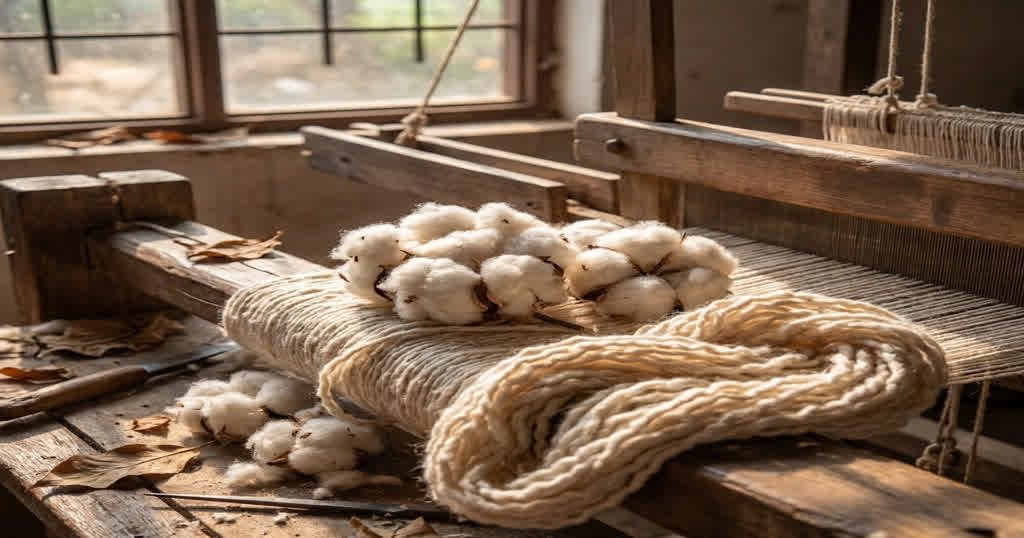
For a sustainable fashion brand or interior decorator, the narrative behind the material is just as important as its physical properties. Sourcing handloom cotton jacquard provides a compelling story of ethical production and environmental responsibility that resonates with conscious consumers. Because we utilize 100% natural fibers and low-impact dyes, the final product aligns perfectly with strict ESG sourcing criteria. This allows brands to market an authentically sustainable luxury item with confidence.
By choosing artisan-made textiles, B2B buyers differentiate their collections in a crowded, mass-produced market. The combination of high durability, intricate design, and ethical artisan impact creates a powerful value proposition for any brand. This approach proves that technical performance and sustainable practices can coexist, offering conscious brands a reliable, premium material for their most important collections.
Explore Our Collection
Anuprerna works directly with handloom artisan clusters to weave jacquard fabric for designers and brands building considered collections. To source it for your next line, explore the range below.
frequently asked questions
What is the ideal GSM of jacquard fabric for upholstery versus clothing?
For clothing, a lighter weight of 120-200 GSM is ideal to ensure breathability and a comfortable drape. For upholstery, a heavier weight ranging from 250 to 400+ GSM is required to provide the necessary abrasion resistance and structural support for furniture. Selecting the correct weight ensures the material performs optimally for its intended application without compromising comfort or durability.
Is jacquard fabric cotton, or is it made from synthetic fibers?
Jacquard refers to the weaving technique, not the fiber itself, meaning it can be woven from either natural cotton or synthetic fibers. While mass-market options often use polyester or synthetic blends to reduce costs, premium and sustainable jacquard fabrics are woven from 100% natural fibers like cotton, silk, or linen. Sourcing natural fibers guarantees better breathability and aligns with eco-friendly manufacturing standards.
Does the jacquard fabric pattern fade over time?
No, the pattern does not fade easily because it is structurally woven into the fabric using pre-dyed yarns rather than printed on the surface. This interwoven construction provides excellent colorfastness, ensuring the design remains vibrant even after repeated use and washing. The physical integration of the colored yarns makes it highly resistant to visual degradation.
Is jacquard fabric good or bad for high-traffic commercial upholstery?
It is highly recommended and considered exceptionally good for high-traffic areas, provided it is woven with high-tensile yarns and a tight weave structure. The interwoven pattern resists wear and tear significantly better than flat, printed alternatives, preventing the design from rubbing off. This structural integrity ensures long-lasting performance in demanding commercial environments.
What is the difference between brocade and standard jacquard fabric?
Brocade is a specific type of jacquard weave characterized by a raised, embroidered appearance, whereas standard jacquard encompasses any fabric woven on this type of loom, including flatter designs like damask. All brocades are jacquards, but not all jacquards are brocades. The distinction lies in the specific weaving technique used to create the raised, ornamental surface typical of brocade textiles.
More Blogs
designer kurta for men: the role of fabric, texture and handloom craft
cotton shirts for men online: a guide to fabric types, weaves and quality
is silk good for hot weather? a summer fabric analysis
breathability tested: why handwoven cotton outperforms blends in summer
is french terry fabric good for summer or winter? a seasonal guide
the ultimate fashion dictionary: essential clothing terminology