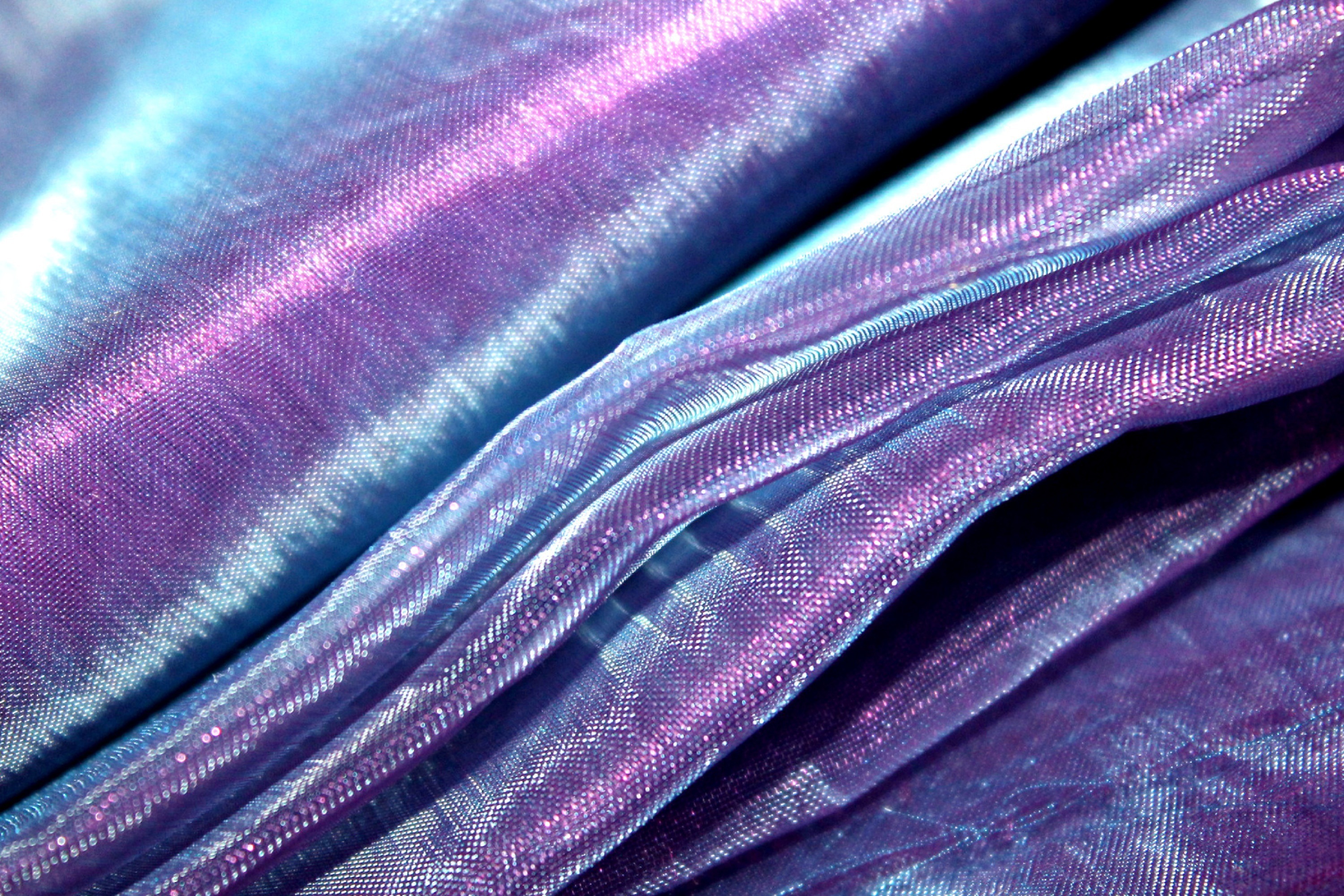
Organza Fabric: Elegance & Versatility

Organza Fabric Is A Sheer And Delicate Textile Known For Its Ethereal Appearance And Versatile Nature. It Is A Plain Weave Fabric, Typically Made From Silk, Though Synthetic Variations Also Exist. The Hallmark Of Organza Material Is Its Lightweight, Sheer, And Crisp Texture, Which Gives It An Elegant And Transparent Quality.
At Anuprerna, we embrace the delicate beauty and versatility of organza fabric made from cotton and silk. Our commitment to ethical craftsmanship drives us to meticulously select the finest cotton fibers for our organza fabrics, ensuring both quality and sustainability. We believe in honoring the heritage of organza while innovating with modern techniques to create fabrics that exude elegance and charm.
What is Organza Material?
Organza is a lightweight, sheer fabric traditionally made from silk, though modern versions also use polyester or nylon. Known for its crisp texture and subtle sheen, organza holds its shape well, making it ideal for structured garments like gowns, sarees, and dupattas.
The fabric’s fine weave and transparent quality give it a delicate, airy appearance, while its strength and durability make it suitable for layering, embroidery, and decorative fashion elements.
Origin of Organza Silk

Organza has a rich history that dates back centuries. Originally, this luxurious fabric was made from silk, and its name is believed to have been derived from the Italian word "organzino," meaning a fine silk. Over time, it has evolved to include variants made from synthetic fibers such as polyester.
Crafting Organza
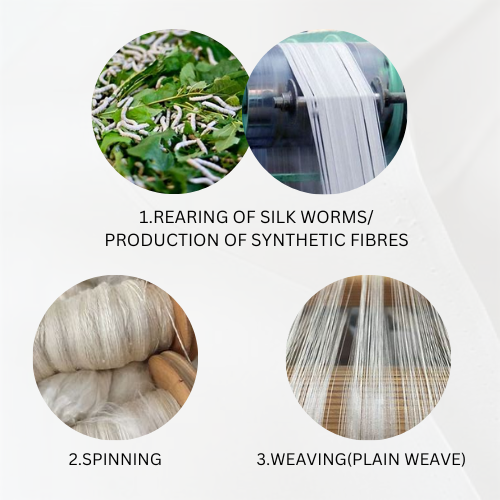
Organza is renowned for its sheer, lightweight, and crisp texture. Its creation involves a meticulous process, starting with the rearing of silkworms or the production of synthetic fibers. The fibers are then spun into threads, which are woven into an open plain-weave structure. This unique weaving technique results in the distinctive sheer appearance and slight stiffness that organza is known for.
Understanding Organza's Unique Characteristics
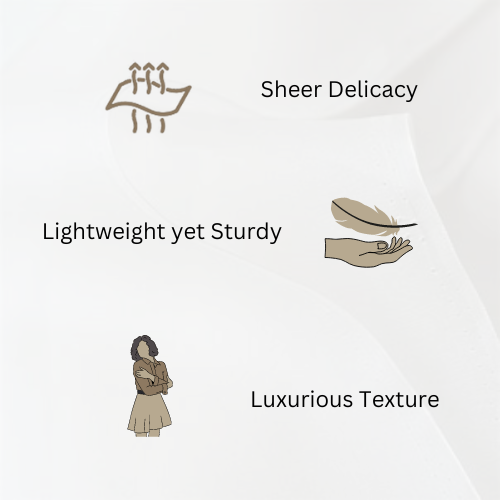
Sheer Delicacy
Organza is celebrated for its delicate and translucent nature. It possesses a sheer quality that adds an air of sophistication to any garment or decor. This transparency makes it a preferred choice for overlays, sleeves, and bridal veils.
Lightweight Yet Sturdy
Despite its delicate appearance, Organza is surprisingly durable. Its lightweight structure belies its strength, making it a favorite for creating structured silhouettes and adding volume to garments.
Luxurious Texture
The texture of Organza is unmistakably luxurious. Its smooth surface, coupled with a subtle sheen, elevates the aesthetic appeal of any design it graces. This fabric is synonymous with opulence.
Types of Organza Fabric

Organza material is one of the most commonly used textiles in india. Organza material comes in various types, each with its distinct characteristics:
Silk Organza
Silk organza or pure organza fabric is the epitome of luxury. Its natural sheen and softness make it a preferred choice for bridal gowns, evening dresses, and high-end fashion creations and natural dyeing fabric makes it more desirable for sustainable clothing. The delicate drape of silk organa makes it one of the most desired among silk fabrics
Polyester Organza
Polyester organza, an affordable alternative to silk, offers similar transparency and sheerness. It's a versatile option for crafting elegant garments, curtains, and decorative accessories. Its synthetic composition makes it more resistant to wrinkles and easier to care for.
Organza Blends
Organza is often blended with other fabrics to create unique textures and properties. Common blends include silk and polyester, which combine the best of both worlds – the luxurious feel of silk with the durability of polyester. These blends are favored in fashion and interior design for their practicality and aesthetic appeal.
Versatile Applications

Organza cloth's versatility makes it a favorite among designers and craft enthusiasts alike. Here are some of its key applications:
Fashion
Organza is a staple in the fashion industry. Designers use it to create ethereal organza fabric dresses, wedding dresses, ball gowns, and delicate blouses. Its lightweight nature allows for graceful draping and intricate detailing.
Home Decor
The sheer fabric quality of organza makes it an excellent choice for home decor. It can be used for curtains, table runners, and decorative cushions, adding a touch of elegance to any space.
Occasion Wear
Embroidered Organza fabric is a cherished choice for bridal gowns and show-stopping gowns for red carpet events and gala nights due to its ethereal and romantic aura and its ability to hold intricate embellishments and maintain a structured silhouette.
Accessories
Organza isn't limited to clothing; it also finds its way into accessories. Delicate organza ribbons adorn gift boxes, while organza bags are used for jewelry and small item packaging.
Care and Maintenance of Organza Fabric

Caring for Organza fabric is essential to maintain its timeless allure. To ensure its longevity, follow these simple steps:
- Hand wash gently with cold water and a mild detergent.
- Avoid wringing or twisting the fabric to prevent damage.
- Hang the Organza garment to dry, away from direct sunlight.
- Iron on a low heat setting with a cloth between the iron and the fabric.
related questions
Does organza gets wrinkled and torn easily?
Yes, organza can wrinkle easily due to its delicate nature, and it may be more prone to tearing compared to sturdier fabrics.
Can organza be ironed?
Yes, organza can be ironed, but it requires careful handling. When ironing organza, use a low heat setting, and place a pressing cloth or a piece of fabric over the organza to protect it from direct heat. Ironing should be done quickly and with light pressure to avoid damaging the delicate fibers. Always check the care instructions on the garment or fabric to ensure proper ironing guidelines.
Is organza a summer fabric?
Yes, organza is often considered a summer fabric. It is a lightweight and sheer material that allows for breathability, making it suitable for warm weather. Organza is commonly used in summer clothing such as dresses, blouses, and overlays due to its light and airy texture.
Is organza an expensive fabric?
The cost of organza can vary depending on several factors, including the type of material used, the quality, and the brand. Generally, silk organza tends to be more expensive than organza made from synthetic fibers. Additionally, if the organza is embellished or embroidered, it may also contribute to a higher cost. Overall, while organza can be found in a range of price points, it is often considered a more luxurious and upscale fabric, particularly when made from high-quality materials.
More Blogs
can one fabric feel luxurious and sustainable? meet the silk-bamboo blend
handwoven jamdani vs machine-made: what wholesale buyers should know
raw silk fabrics: uses, texture, and styling ideas
french terry vs. fleece: choosing the right loopback fabric for your collection
how emerging eco-conscious designers source ethical fabrics
designing with tussar silk: drape, texture, and application in modern wear