Common Challenges in Textile Export Wholesale and How to Avoid Them

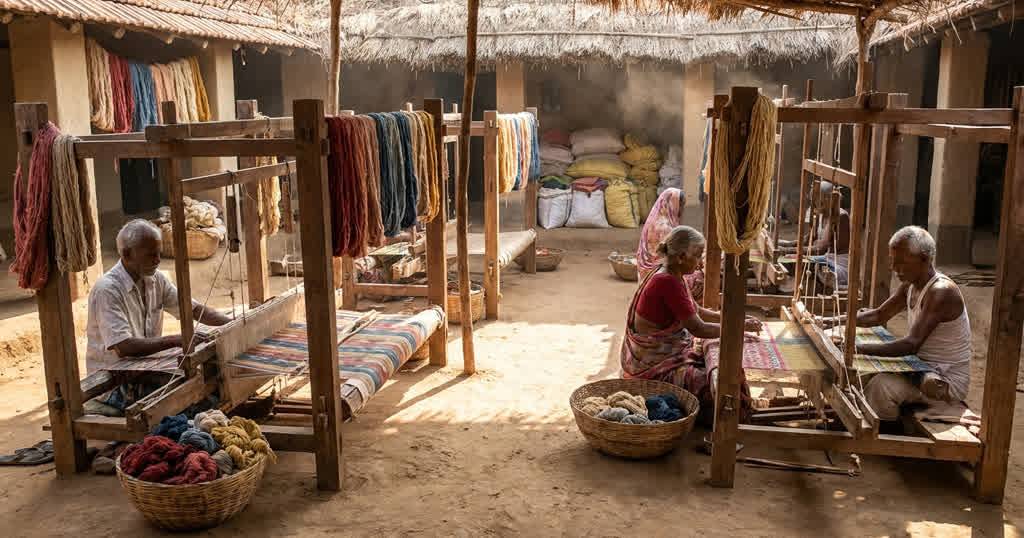
Sourcing authentic handwoven materials often begins with a vision of heritage craftsmanship, but the reality of textile export wholesale quickly introduces complex operational hurdles. A buyer might find the well suited crisp, dry hand-feel in a sample of Ahimsa silk from a rural cluster, only to face inconsistent fabric weights, delayed shipments, or failed compliance checks when scaling up production. India holds a millennia-old legacy of dominating the spice and silk routes, yet the modern shift from centralized mill production back to decentralized artisan-led handloom clusters requires strict logistical oversight.
Bridging traditional craftsmanship with global B2B compliance means addressing the inherent risks of rural supply chains before they disrupt production schedules. Global fashion brands are shifting towards sustainable, traceable sourcing, which requires partnering with reliable suppliers who can mitigate these risks. By implementing structured quality control and transparent communication, buyers can secure authentic fabrics wholesale without sacrificing commercial reliability or ethical standards.
Managing Quality Control in Decentralized Artisan Supply Chains
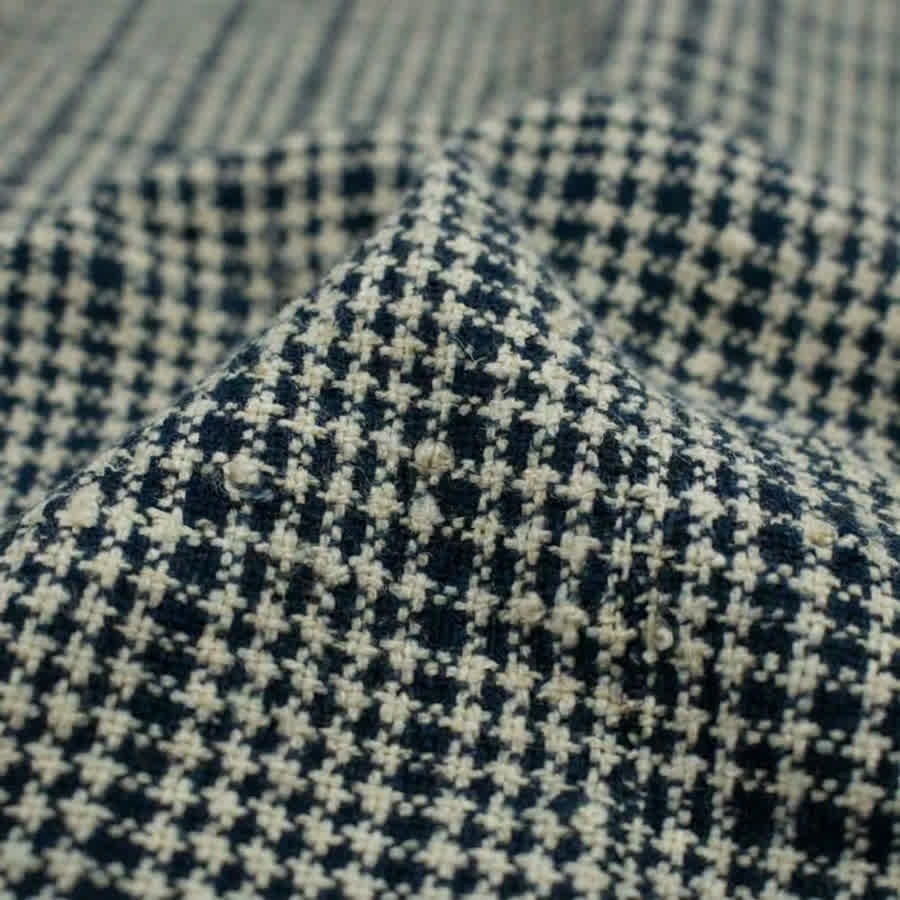
Maintaining quality across decentralized artisan networks requires implementing standardized quality control protocols, such as the 4-point system, before any fabric leaves the cluster. Buyers sourcing from fabric manufacturers in india often struggle with variations that naturally occur when multiple independent weavers produce a single order. Unlike centralized mills, rural clusters rely on human rhythm, making strict oversight essential for commercial viability. Implementing these checks at the village level prevents defective yardage from reaching the final export packing stage.
Controlling GSM and Weave Tension
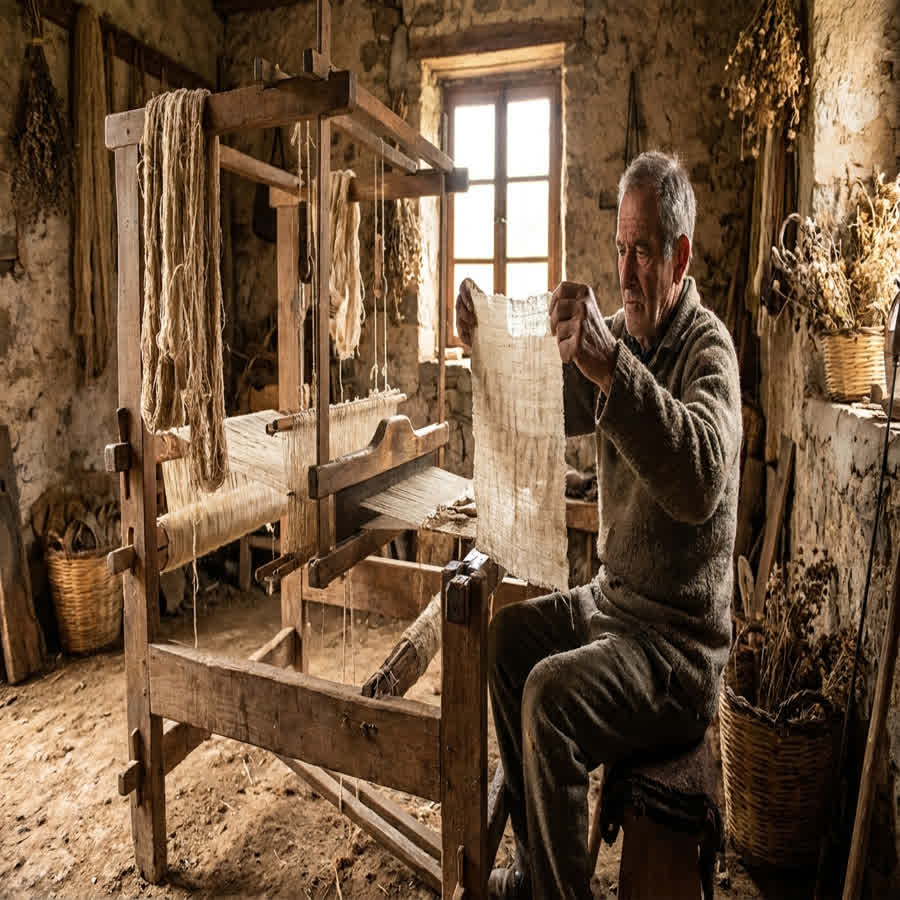
The most frequent issue in handwoven textiles is fluctuating fabric weight and density. A GSM consistency tolerance of +/- 5% is the industry standard for artisanal fabrics like Khadi, Linen, and Ahimsa Silk. Achieving this requires distributing identical yarn batches and standardized reeds to every weaver in the network.
- Uniform yarn procurement: Sourcing all raw material from a single spinning batch prevents base weight discrepancies across different looms.
- Standardized reed counts: Ensuring every loom uses the exact same reed spacing maintains consistent weave tension across different villages.
- In-process inspections: Checking the first few meters on the loom allows technicians to correct tension issues early before the entire warp is woven.
Ensuring Colorfastness Standards
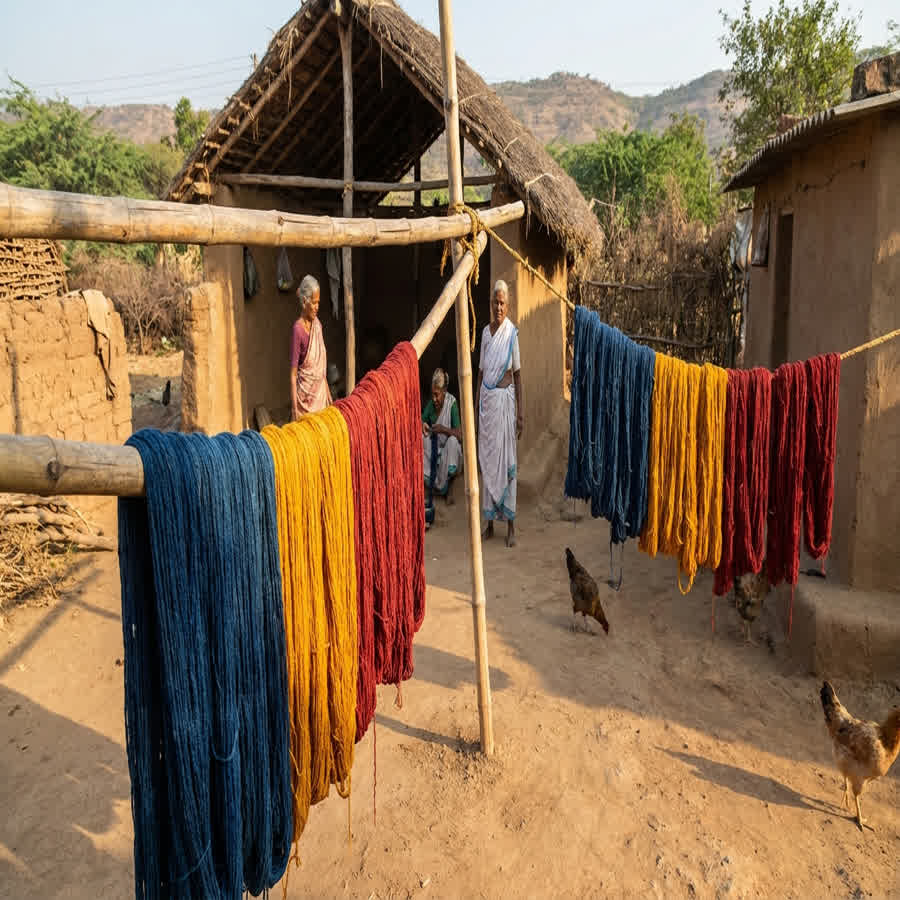
Dyeing in rural settings often involves open-air drying and manual mixing, which can lead to bleeding or fading if unmonitored. Professional textile exporters in india mitigate this by enforcing strict laboratory testing on all dyed batches. Meeting international standards requires moving beyond visual checks and relying on scientific validation to guarantee the longevity of the garment.
- ISO 105-C06 testing: This specific standard verifies colorfastness to domestic washing, ensuring the dye remains stable after multiple laundry cycles.
- Controlled dye baths: Master dyers use precise recipe logs and digital scales rather than estimating pigment ratios by eye.
- Proper fixation processes: Applying the correct mordants and curing times locks the pigment securely into the natural bast fibers.
Overcoming Logistics and Lead Time Hurdles with Indian Textile Exporters
Buyers can overcome logistics and lead time hurdles by building 15 to 30 days of buffer planning into their sourcing calendars and partnering with suppliers who consolidate rural shipments centrally. Moving goods from remote weaving villages in Murshidabad or Malda to international ports introduces variables that centralized mills simply do not face. Monsoon rains, local festivals, and limited rural infrastructure can easily delay an order of fabrics wholesale if not properly managed. Anticipating these regional factors is critical for maintaining a reliable seasonal launch schedule.
Strategies for Buffer Planning
Handloom production is inherently slower than power loom manufacturing, requiring a different approach to inventory management. Sourcing managers must adjust their critical path to account for the realities of decentralized supply chains.
- Extended lead times: Standard production requires 60 to 90 days to accommodate yarn dyeing, warping, and meticulous hand-weaving.
- Weather contingencies: High humidity or heavy monsoon rains directly impact the drying times of sized yarns and freshly dyed fabrics.
- Phased deliveries: Splitting large orders into smaller, staggered shipments keeps production lines moving without waiting for the entire batch to finish.
Consolidation and Customs Clearance
Once the fabric is woven, moving it across borders requires precise coordination and paperwork. Reliable textile wholesale suppliers act as a bridge, gathering small batches from multiple artisans into a single, export-ready shipment. This consolidation is critical for managing freight costs and simplifying complex customs procedures at the port of origin.
- Centralized quality hubs: Fabrics are transported from villages to a central facility for final inspection, mending, and export packing.
- Accurate documentation: Preparing the Commercial Invoice and Packing List correctly prevents costly holding fees and delays at customs checkpoints.
- Freight forwarding partnerships: Working with logistics providers experienced in textile export wholesale ensures predictable delivery windows and proper handling of delicate materials.
Compliance and Certification: The Hidden Pitfalls of Fabric Wholesale
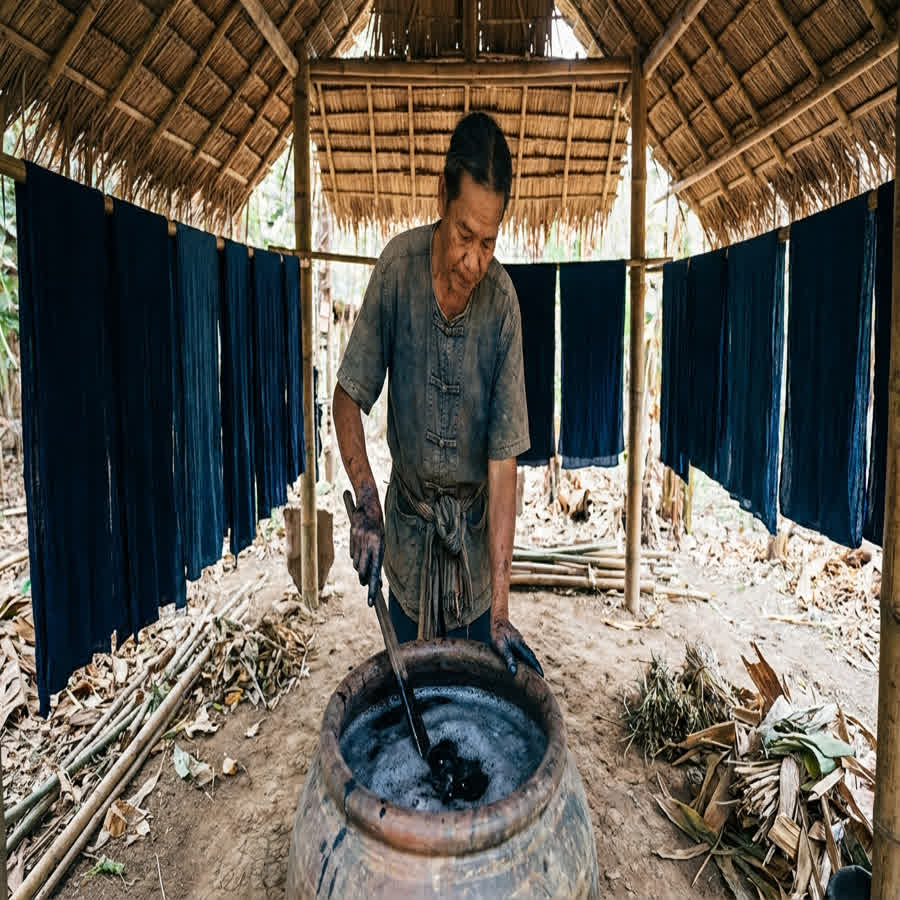
Securing compliance in fabric wholesale demands rigorous chemical testing and transparent supply chain mapping to ensure all materials meet destination-specific legal requirements. Global fashion brands face severe penalties and customs rejections if their imported textiles fail to meet environmental or ethical standards. Working with decentralized artisans adds complexity to gathering the necessary ethical trade documentation for international markets. Brands must proactively demand verifiable proof rather than relying on informal supplier guarantees.
Managing Chemical Restrictions
The European Union and other major markets strictly regulate the chemicals used in textile processing. Buyers must ensure their fabric wholesale suppliers understand and adhere to these legal frameworks at the village level. Relying on verbal assurances from rural dyers is insufficient for international trade and poses a massive liability risk.
- REACH compliance: This regulation restricts the use of harmful chemicals, requiring documented proof that the textiles are safe for direct consumer contact.
- AZO-free certifications: Exporters must provide lab test results confirming the absence of banned AZO colorants that can release carcinogenic amines during wear.
- Heavy metal testing: Ensuring dyes and mordants are free from lead, cadmium, and other toxic elements is increasingly required by global customs authorities.
Verifying Ethical Trade Practices
Modern consumers and regulatory bodies demand proof of fair labor practices across the entire production cycle. When sourcing from wholesale textile fabric suppliers, brands need verifiable data showing that artisans work in safe conditions and receive fair compensation.
- Traceability mapping: Documenting the exact village and cluster where the handwoven fabrics were produced provides necessary transparency for ESG reporting.
- Fair wage documentation: Maintaining records of payments made directly to the weavers protects the brand against exploitation claims and greenwashing accusations.
- Decentralized audits: Conducting regular, documented visits to rural weaving centers ensures ongoing compliance with global ethical standards and safe working conditions.
Communication Gaps: Bridging the Divide Between Global Buyers and Rural Weavers
Bridging communication gaps requires a structured supply chain partner who can translate complex B2B tech packs into practical, artisan-friendly instructions. A designer in London or New York speaks in Pantone codes, EPI (ends per inch), and CAD drawings, while a master weaver in rural Bengal understands local yarn counts and traditional drafting techniques. Without an intermediary to decode these specifications, textile export wholesale operations suffer from costly sampling errors. Clear translation of technical data is the only way to align modern design expectations with heritage craft capabilities.
Translating Technical Specifications
Direct communication between international buyers and rural artisans often fails due to differences in technical vocabulary and measurement systems. Reliable fabric wholesale manufacturers act as translators, converting modern design requirements into traditional weaving parameters.
- Pantone to pigment: Converting digital color codes into physical dye recipes that utilize available AZO-free dyes while accounting for the natural base color of the yarn.
- EPI to reed count: Translating the required fabric density into the specific local reed sizes used on traditional pit looms to achieve the desired drape.
- Visual sampling: Creating physical strike-offs and handloom swatches for the buyer to approve before committing to bulk production.
Preventing Costly Sampling Errors
Misunderstandings during the sampling phase lead to wasted materials, frustrated artisans, and significant calendar delays. A structured approach to prototyping ensures the final fabrics wholesale order matches the initial design intent perfectly.
- Detailed bilingual spec sheets: Providing weavers with instructions in their native language alongside visual diagrams reduces misinterpretation of complex weave structures.
- Iterative feedback loops: Reviewing the first woven meter allows technicians to adjust the weave tension before completing the sample yardage.
- Standardized reference libraries: Keeping approved physical swatches at both the buyer's office and the weaving cluster ensures everyone references the exact same tactile hand-feel.
MOQ Challenges: Scaling Sustainably with Fabric Wholesale Manufacturers
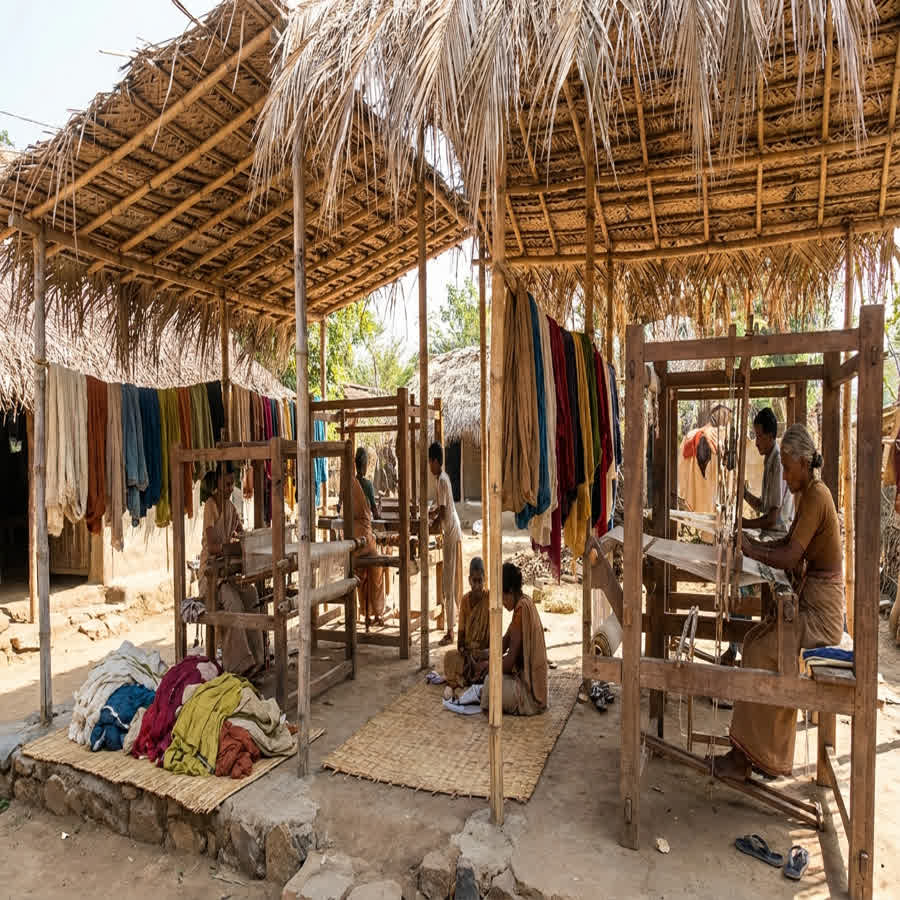
Scaling sustainably involves balancing the low-volume capabilities of handloom weavers with the bulk demands of wholesale by utilizing modular production networks. Traditional mills require massive Minimum Order Quantities (MOQs) to justify setting up their automated machinery, which alienates boutique designers and sustainable brands. Conversely, individual rural artisans cannot independently fulfill the large volume requirements expected by wholesale textile fabric suppliers. Aggregating these independent weavers into a coordinated network solves this volume mismatch.
Balancing Slow Fashion with Bulk Demands
The decentralized model offers a unique solution to the MOQ dilemma by treating individual looms as flexible production nodes. By aggregating the output of multiple independent weavers, textile exporters in india can scale production up or down without the rigid constraints of a centralized factory.
- Flexible MOQs: Brands can order smaller initial quantities for capsule collections, significantly reducing inventory risk and deadstock.
- Parallel production: Large orders are distributed across dozens of looms in a cluster, allowing bulk handloom production to meet commercial deadlines efficiently.
- Customization at scale: Buyers can request specific yarn-dyed stripes or custom selvedges without needing to commit to thousands of meters per colorway.
Building Long-Term Sourcing Resilience
Partnering directly with artisan networks bypasses traditional middleman bottlenecks and mass-market fragility. This community-driven model provides a resilient alternative to conventional textile export wholesale, offering both flexibility and authentic storytelling that resonates with end consumers.
- Direct cluster engagement: Working closely with specific weaving communities ensures a stable supply of traceable handloom fabrics season after season.
- Capacity building: Consistent orders allow rural clusters to invest in better equipment, improving overall efficiency and quality for future production runs.
- Sustainable growth: Brands can scale their purchasing gradually, aligning their sourcing strategy with their actual sales velocity and zero-waste credentials.
frequently asked questions
How do textile exporters in India ensure color consistency in hand-dyed wholesale fabrics?
Reliable exporters utilize standardized AZO-free dyeing processes and digital color matching where possible, while educating buyers on the acceptable 5-10% tonal variation inherent to artisanal batch dyeing. Master dyers use precise recipe logs to maintain consistency across multiple dye baths. This scientific approach minimizes unexpected shifts in hue.
What are the standard lead times for textile export wholesale from decentralized Indian clusters?
For custom handloom fabrics, lead times typically range from 60 to 90 days. This accounts for yarn procurement, hand-dyeing, weaving, rigorous 4-point system quality control, and export customs clearance. Factoring in these timelines is essential for accurate seasonal planning.
How can buyers verify the ethical claims of fabric wholesale suppliers in India?
Buyers should look for transparent supply chain mapping, fair trade certifications, and direct cluster engagement. Anuprerna provides traceability down to the weaver's village, ensuring compliance with global ethical standards and fair wage practices. Documented audits further validate these commitments.
What customs documentation is required when importing wholesale textile fabric from India?
Standard requirements include a Commercial Invoice, Packing List, Bill of Lading/Airway Bill, Certificate of Origin (often GSP Form A for duty benefits), and specific textile declarations depending on the destination country, such as MID codes for the US or REACH compliance documents for the EU. Proper documentation prevents costly delays at the border.
What is the acceptable GSM tolerance for handwoven fabrics in textile export wholesale?
An acceptable GSM consistency tolerance for handwoven fabrics is typically +/- 5% from the approved sample weight. Because these textiles are crafted on human-powered pit looms rather than automated machinery, slight variations in weave tension are natural. Standardizing yarn batches and reed counts helps keep the fabric within this commercial tolerance.
More Blogs

custom clothing, accessories, & homewares
custom eco-printing
custom clothing, accessories, & homewares

wholesale production & preorder

order fabric swatches
natural sustainable custom dyeing