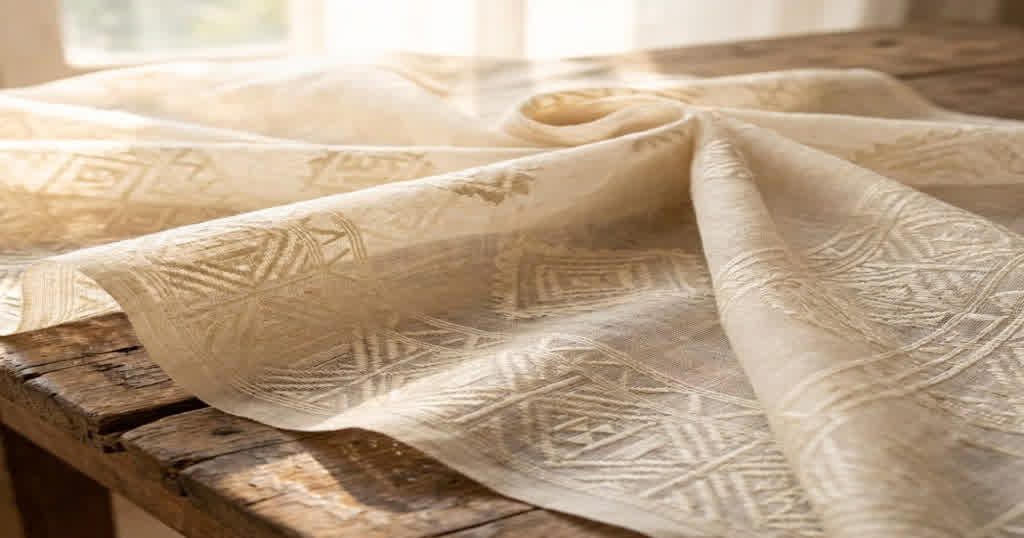
Jamdani Fabric Wholesaler: A Guide for Designers & Brands

Finding a reliable jamdani fabric wholesaler often means sorting through a fragmented market of power-loom imitations and opaque supply chains. For a boutique designer or an ethical fashion brand, securing a textile that retains the sheer, gauze-like drape of historical Bengal weaves requires direct access to the artisans who still practice this supplementary weft technique. The shift toward traceable, low-impact textiles makes this centuries-old craft highly relevant for modern collections. Partnering with a decentralized artisan network ensures that the resulting handwoven jamdani fabric meets strict ESG goals while offering the precise yarn counts and custom motifs required for high-end apparel.
Decoding Jamdani: The Anatomy of a Supplementary Weft Masterpiece
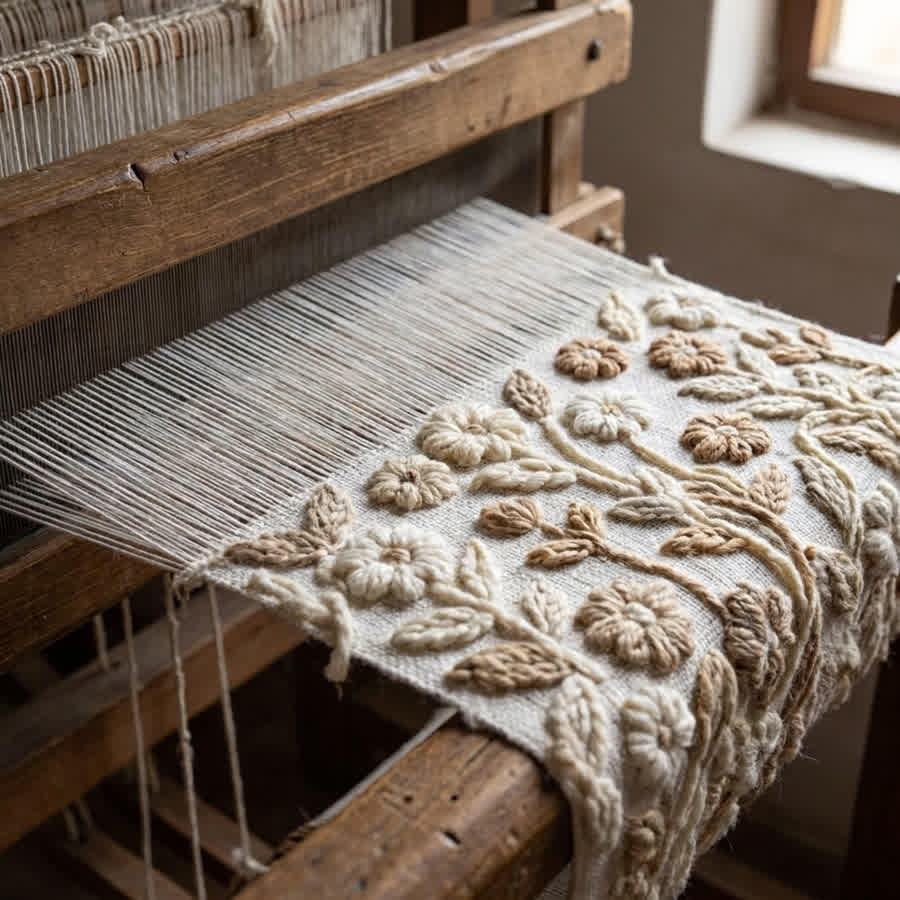
Authentic Jamdani is a non-structural, supplementary weft weave created directly on the handloom, distinguished by motifs that appear identical on both sides without loose floating threads. This centuries-old technique originated in Bengal and was historically patronized by Mughal emperors. Today, a knowledgeable jamdani fabric wholesaler provides textiles that maintain this heritage, utilizing a discontinuous weft method to insert patterns by hand. The resulting fabric features localized density in the motif areas without compromising the sheer base structure.
The Mechanics of the Discontinuous Weft
Unlike standard jacquard weaving, the Jamdani process does not rely on a mechanized punch-card system. Artisans use a supplementary weft yarn, typically heavier than the base thread, to weave individual motifs directly into the warp. This requires the weaver to manually lift specific warp threads and insert the pattern thread using small shuttles or needles.
Because the pattern thread is only introduced where the motif appears, the fabric retains its lightweight, breathable properties. Power-loom imitations often carry continuous floating threads across the back of the fabric, which are later clipped away. A genuine handwoven jamdani fabric shows a clean, reversible finish, proving the meticulous nature of the hand-insertion technique.
Identifying Genuine Muslin and Yarn Specs
The foundation of this textile relies heavily on the quality and thinness of the base yarn. Historically woven on fine muslin, modern production still demands high-count cotton yarns to achieve the correct drape. Designers should look for specific technical markers when evaluating a supplier.
- Yarn Count: Authentic pieces typically use cotton yarns ranging from 60s to 100s count, with higher numbers indicating a finer, thinner thread.
- Fabric Weight: The standard GSM falls between 40 and 80, creating a gauze-like hand-feel ideal for summer apparel and layering.
- Material Composition: While pure cotton is traditional, modern weavers often incorporate silk or linen blends to alter the sheen and structural integrity.
Understanding these specifications helps sourcing leads verify the technical quality of the textile. Working with a specialized jamdani fabric wholesaler ensures that the yarn counts and GSM match the precise requirements of high-end fashion collections.
Why Brands Need a Decentralized Artisan Supply Chain
A decentralized artisan supply chain provides brands with direct traceability to rural weavers, ensuring ethical production and eliminating the opacity common among conventional factory models. Many global designers are shifting their sourcing strategies to meet strict ESG compliance goals and consumer demand for slow fashion. Partnering with a decentralized network allows brands to bypass the rigid structures of standard fabric manufacturers in india. This model distributes production across multiple rural clusters, directly supporting the local economies where the craft originated.
Bypassing the Opaque Factory Model
Industrial textile production often obscures the origins of the raw materials and the working conditions of the laborers. When sourcing from large-scale clothing manufacturers in india, tracing a fabric back to its specific loom is nearly impossible. A decentralized model changes this dynamic by mapping every meter of fabric to a specific artisan weaving cluster.
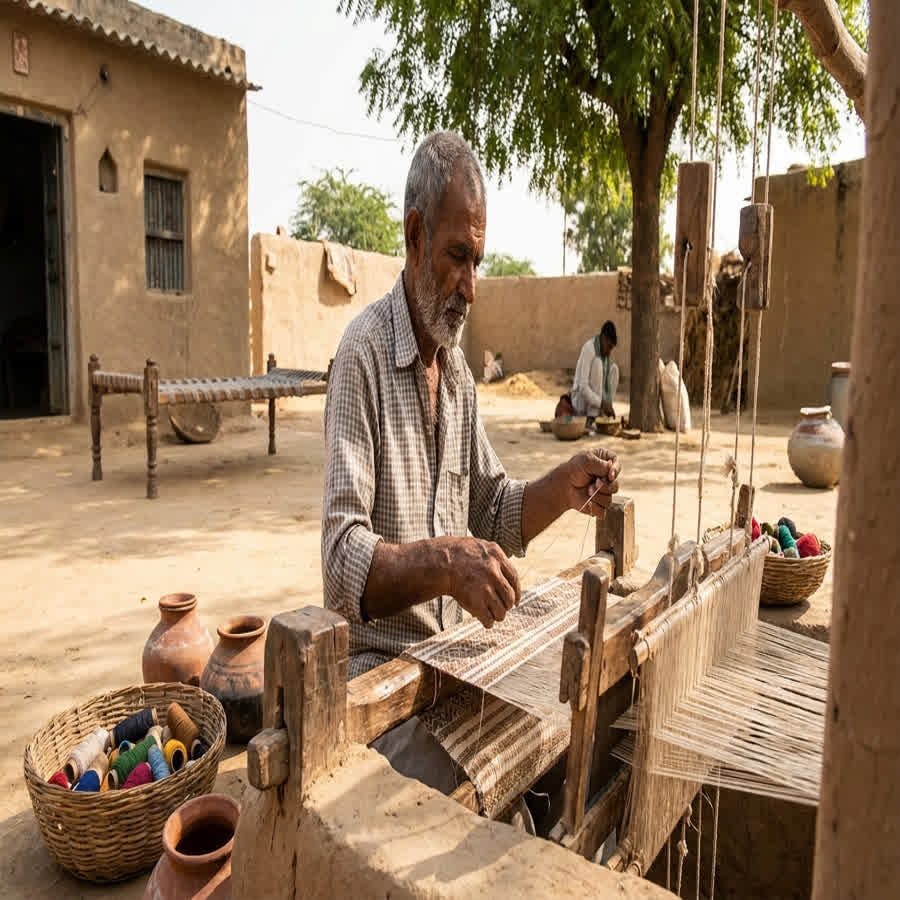
We currently work with numerous handloom clusters across Bengal, ensuring that the supply chain remains transparent from yarn dyeing to final finishing. This visibility allows brands to confidently market the zero-waste credentials and ethical origins of their collections. Designers receive exact data on where their textiles were woven, providing a factual narrative for their end consumers.
Empowering Rural Handloom Clusters
The decentralized approach is not just about traceability; it is a structural commitment to preserving heritage weaving techniques. By keeping production in rural villages rather than centralizing it in urban factories, weavers can work from their own homes. This setup respects traditional community work rhythms and reduces the carbon footprint associated with daily commuting and industrial factory operations.
- Fair Compensation: Direct partnerships ensure that a larger percentage of the purchase price goes directly to the artisan weaving families.
- Skill Preservation: Consistent orders allow master weavers to pass down the supplementary weft technique to the next generation.
- Low Environmental Impact: Handlooms require zero electricity to operate, aligning perfectly with the sustainability targets of modern fashion houses.
Choosing a decentralized jamdani fabric wholesaler transforms procurement into a partnership. It allows boutique brands to source exceptional textiles while actively participating in the economic empowerment of rural Indian artisans.
Manage MOQs and Customization with Indian Fabric Suppliers
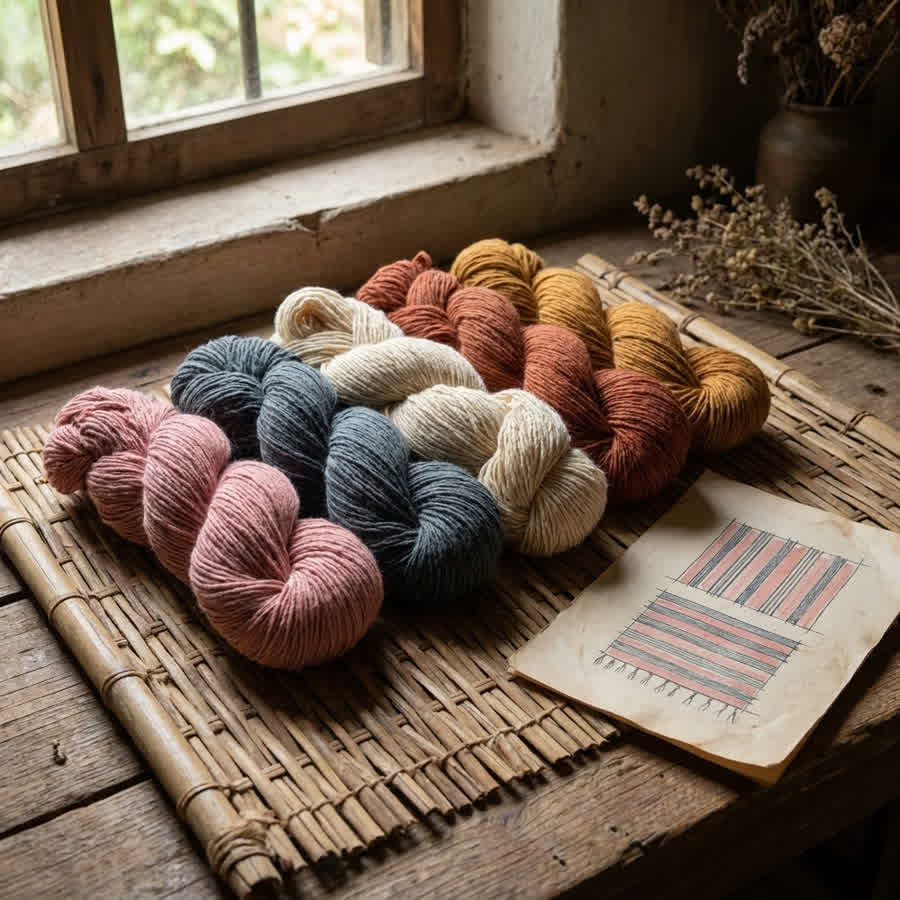
Working with decentralized artisan networks allows designers to order custom motifs and natural dyes at low minimum order quantities, bypassing the massive volume requirements of industrial mills. One of the primary hurdles for independent designers is meeting the high minimums demanded by conventional indian fabric suppliers. Industrial looms require large production runs to offset setup costs, making bespoke designs inaccessible for capsule collections. A decentralized handloom network operates on a completely different scale, offering flexible production volumes tailored to boutique needs.
Flexible Minimums for Boutique Collections
Handloom weaving is inherently modular, meaning a single loom can be set up for a relatively short run of fabric. This flexibility is a major advantage when partnering with wholesale fabric suppliers in india who specialize in artisanal textiles. Brands can test new patterns or seasonal colorways without committing to thousands of meters of inventory.
- Low Starting Volumes: Custom orders can often begin at 20 to 50 meters, allowing for highly specialized, limited-edition garments.
- Reduced Deadstock: Ordering only what is needed minimizes excess fabric waste, supporting a leaner, more sustainable business model.
- Scalable Production: As a brand grows, the decentralized network can activate additional rural looms to increase output without sacrificing quality.
This adaptability makes it easier for designers to integrate authentic handwoven textiles into their lines. It provides the logistical freedom that standard fabric suppliers wholesale simply cannot match.
Co-Creating Custom Motifs and Dyes
The true value of the Jamdani technique lies in its capacity for intricate, non-structural customization. Because the motifs are inserted by hand using a discontinuous weft, designers are not limited by the mechanical constraints of a jacquard punch-card. We collaborate directly with brands to translate modern geometric shapes or minimalist logos into traditional woven patterns.
The customization process extends to the coloration of the yarns as well. Designers can specify AZO-free synthetic dyes for exact Pantone matching or opt for plant-based natural dyes to enhance the eco-friendly profile of the fabric. A dedicated jamdani fabric wholesaler manages this co-creation process, ensuring the designer's vision is accurately communicated to the master weavers.
From Loom to Label: Quality Control in Handloom Sourcing
Consistent quality in artisanal textiles is achieved through localized, stage-by-stage inspections, ensuring every meter of fabric meets commercial standards before export. A common concern among B2B buyers is the natural variation inherent in hand-crafted products. While slight irregularities are a hallmark of human craftsmanship, structural flaws are unacceptable for high-end apparel. We implement a strict quality assurance protocol directly at the village level to maintain consistency across all decentralized weaving clusters.
Standardizing the Handcrafted Process
Quality control begins long before the shuttle crosses the loom. The preparation of the yarn dictates the final strength and drape of the jamdani muslin fabric. We monitor the sizing process, where yarns are treated with natural starches like rice water to increase their tensile strength for weaving.
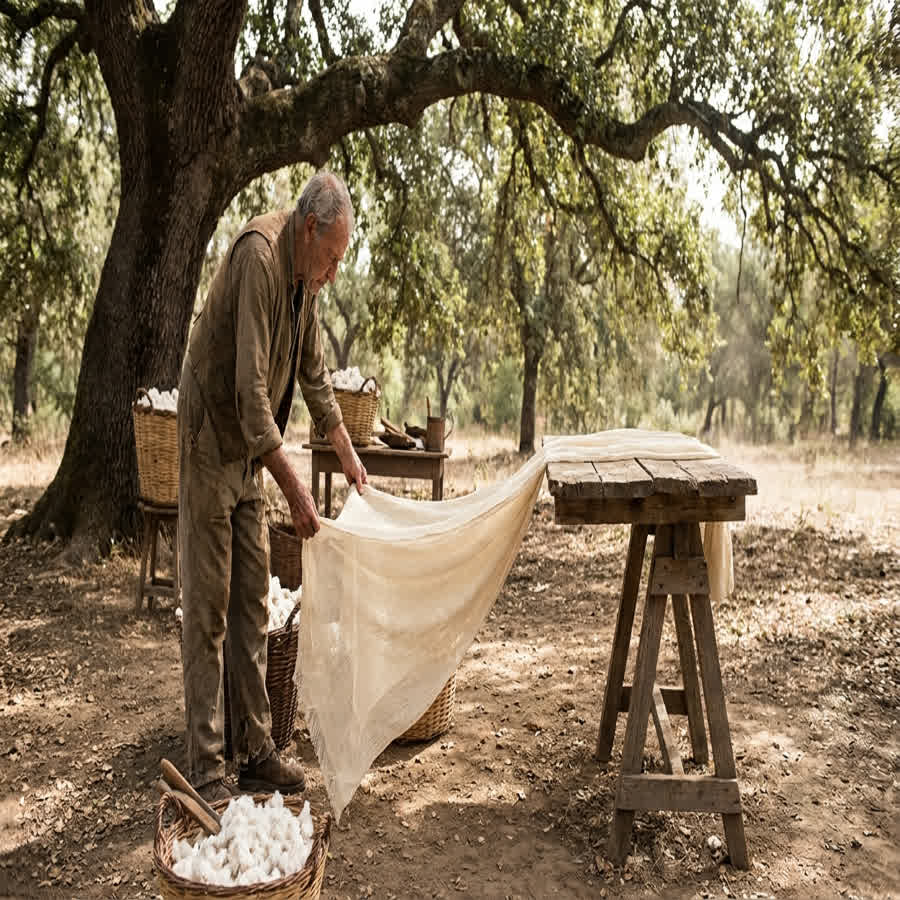
- Yarn Inspection: Every batch of dyed yarn is checked for colorfastness and uniform thickness before being distributed to the weavers.
- Loom Calibration: The reed and heddles are carefully aligned to ensure a consistent warp tension, preventing puckering in the final fabric.
- In-Process Checks: Field supervisors visit the weavers regularly to verify that the motif density and placement match the designer's technical pack.
By standardizing these preparatory steps, we significantly reduce the margin for error. This proactive approach is essential for a jamdani fabric wholesaler aiming to supply commercial fashion brands.
Defect Mitigation in Fine Weaves
Weaving with high-count cotton requires immense skill, as the fine threads are prone to snapping under tension. When a warp thread breaks, the weaver must knot it smoothly to prevent a visible defect in the sheer base structure. Our quality control teams are trained to identify and address these micro-flaws during the weaving process, rather than waiting for the final inspection.
Once the fabric is removed from the loom, it undergoes a rigorous light-table inspection. The textile is stretched over a backlit surface to reveal any missed picks, uneven weft tension, or loose pattern threads. Only the yardage that passes this final visual audit is approved for dispatch, ensuring that designers receive well-made artisanal yardage ready for cutting and sewing.
Partnering with Ethical Textile Exporters in India
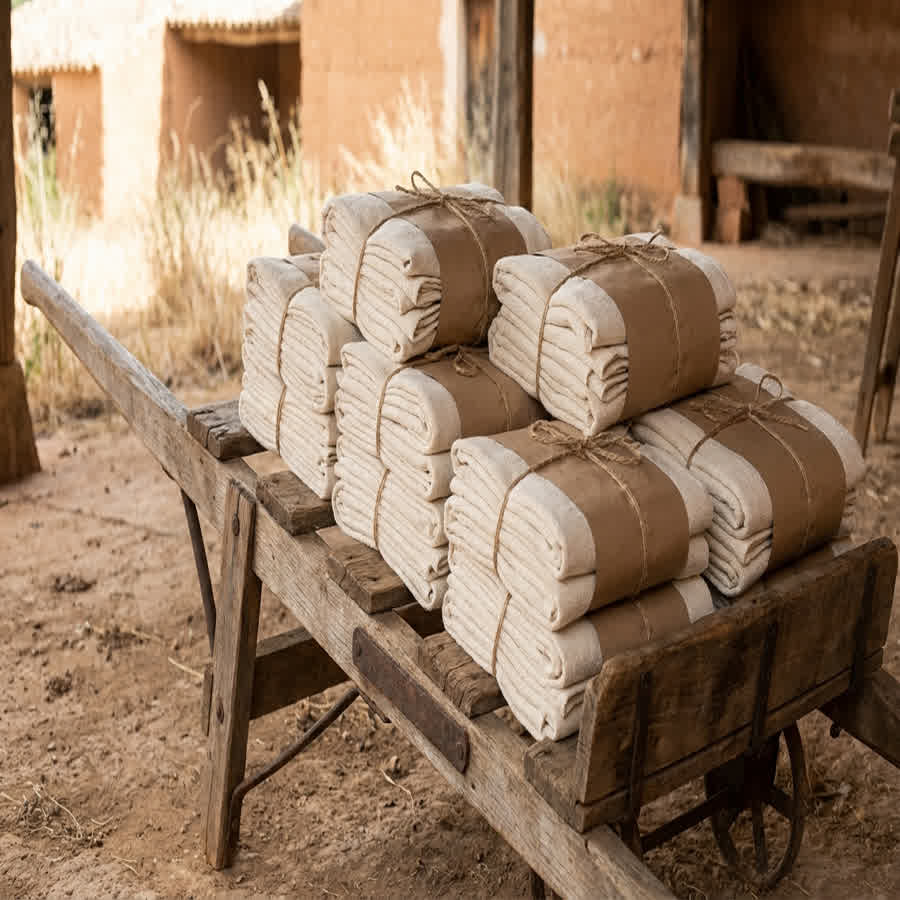
Successful partnerships with ethical textile exporters require clear communication regarding lead times, export compliance, and logistics to ensure seasonal collections arrive on schedule. Sourcing internationally involves managing a complex chain of logistics, customs documentation, and shipping schedules. For a fashion brand, delays in fabric delivery can derail an entire production calendar. Working with experienced textile exporters in india ensures that the artisanal fabric transitions smoothly from the rural village to the global cutting room.
Managing Lead Times and Production Schedules
Handloom weaving is a slow, deliberate process that cannot be rushed without compromising the integrity of the textile. A highly detailed Jamdani pattern may progress at a rate of just a few inches per day. Therefore, accurate production forecasting is critical for B2B sourcing managers.
- Yarn Dyeing and Prep: Sourcing, dyeing, and sizing the yarn typically requires 15 to 20 days before weaving can even begin.
- Loom Setup: Drafting the warp and setting the specific motif guides takes an additional 5 to 7 days per loom.
- Weaving Phase: Depending on the complexity, the actual weaving of a 50-meter roll can take 30 to 45 days.
A reliable jamdani fabric wholesaler provides transparent timelines upfront, factoring in local weather conditions like the monsoon season, which can delay natural yarn drying. This transparency allows brands to align their sourcing with their manufacturing schedules at various clothes suppliers in india.
Export Compliance and Transparent Logistics
Moving textiles across international borders requires strict adherence to trade regulations and customs standards. We handle all necessary export documentation, including certificates of origin and commercial invoices, to prevent delays at customs checkpoints. Ensuring that the fabric meets international chemical compliance standards is also a mandatory part of the export process.
We coordinate with reliable freight forwarders to offer both air and sea freight options, depending on the brand's budget and urgency. By managing the entire logistical chain, we remove the administrative burden from the designer. This comprehensive service defines a professional jamdani fabric wholesaler, bridging the gap between remote artisan clusters and global fashion capitals.
Explore Our Collection
Anuprerna works directly with handloom artisan clusters to weave jamdani fabric wholesaler for designers and brands building considered collections. To source it for your next line, explore the range below.
frequently asked questions
What is the standard lead time for wholesale handwoven jamdani fabric orders?
Lead times vary based on motif complexity and yarn count, but typically range from 60 to 90 days for custom wholesale orders. This timeframe accounts for the initial yarn dyeing, the intricate loom setup, and the meticulous hand-weaving process required for supplementary weft designs. Factoring in these timelines is essential for brands planning seasonal collections.
How can we verify the authenticity of jamdani muslin fabric?
Authentic handwoven Jamdani features motifs that look identical on both the face and reverse sides, with no loose floating threads on the back. Power-loom jacquard imitations typically have continuous threads running across the reverse side that are later cut away, leaving a frayed edge around the motif. A genuine piece will always display a clean, reversible finish due to the discontinuous weft technique.
What are the minimum order quantities (MOQs) for custom Jamdani designs?
As a decentralized artisan network, Anuprerna offers flexible MOQs, often starting as low as 20 to 50 meters for custom motifs. This low barrier to entry makes authentic handloom textiles accessible for boutique designers testing new capsule collections. It also provides a scalable model for larger brands looking to gradually increase their artisanal sourcing.
Can Jamdani fabric be woven with yarns other than cotton?
Yes, while traditionally woven in fine cotton or muslin, modern Jamdani can incorporate silk, linen, or blends like cotton-silk or khadi. Changing the yarn composition alters the drape, the surface sheen, and the overall GSM of the textile. This material versatility allows designers to adapt the heritage weaving technique to suit diverse apparel needs, from lightweight summer dresses to structured evening wear.
What is the typical GSM of handwoven Jamdani fabric?
The typical GSM of handwoven Jamdani ranges from 40 to 80, resulting in a highly breathable, lightweight textile. This low weight is achieved by using fine cotton yarns, often between 60s and 100s count, which form the sheer base structure. The supplementary weft motifs add localized density without increasing the overall weight of the fabric.
More Blogs
why organic fabric suppliers are growing in india
jacquard fabric in modern fashion
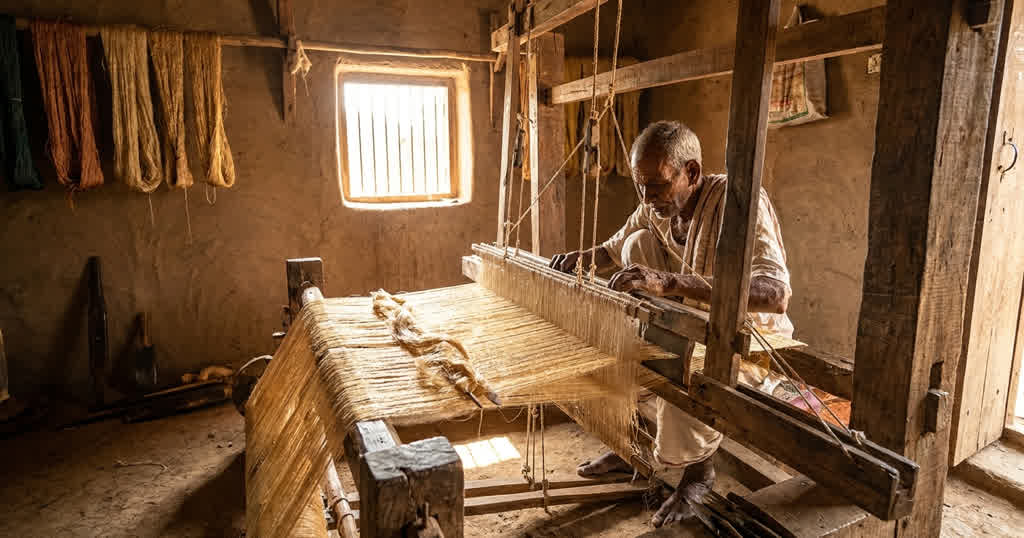
how silk manufacturers preserve traditional craftsmanship
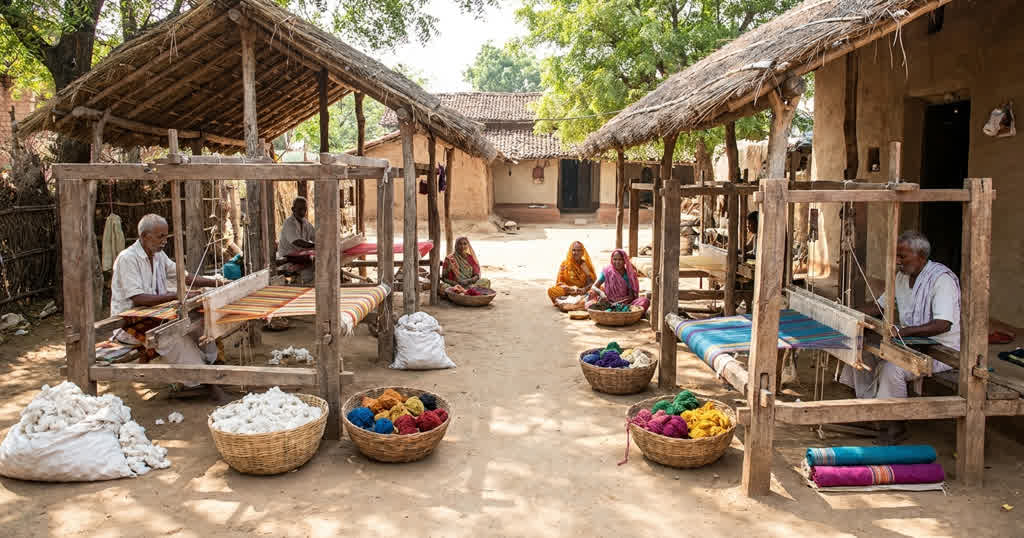
indian fabric wholesale: a guide to sourcing handwoven textiles
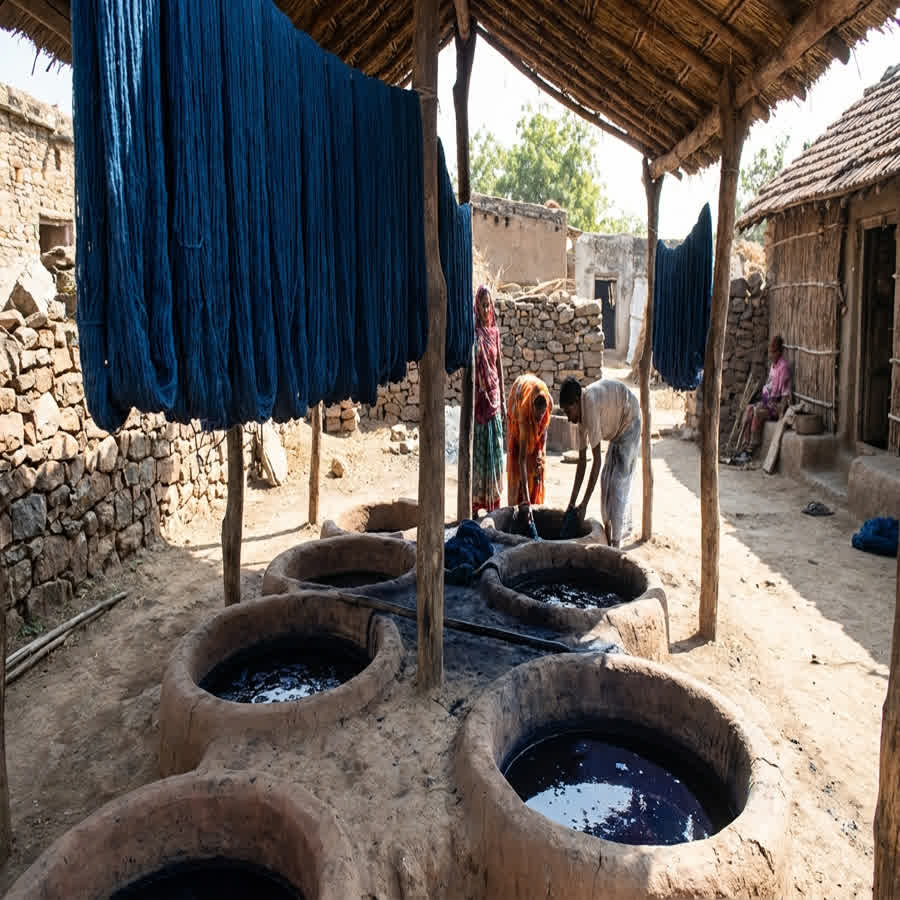
how indian fabric exporters meet global quality standards
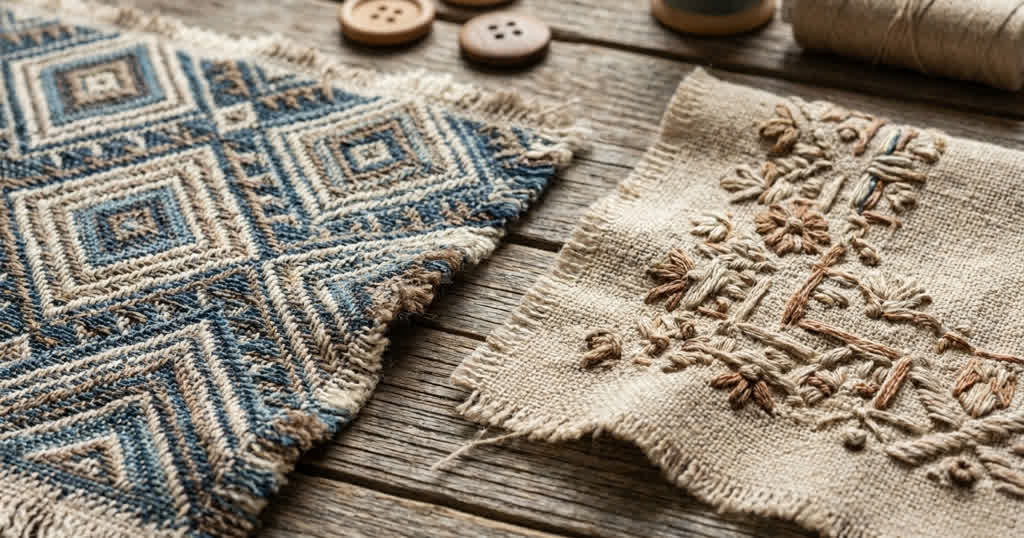
jacquard vs embroidery: what's the difference?