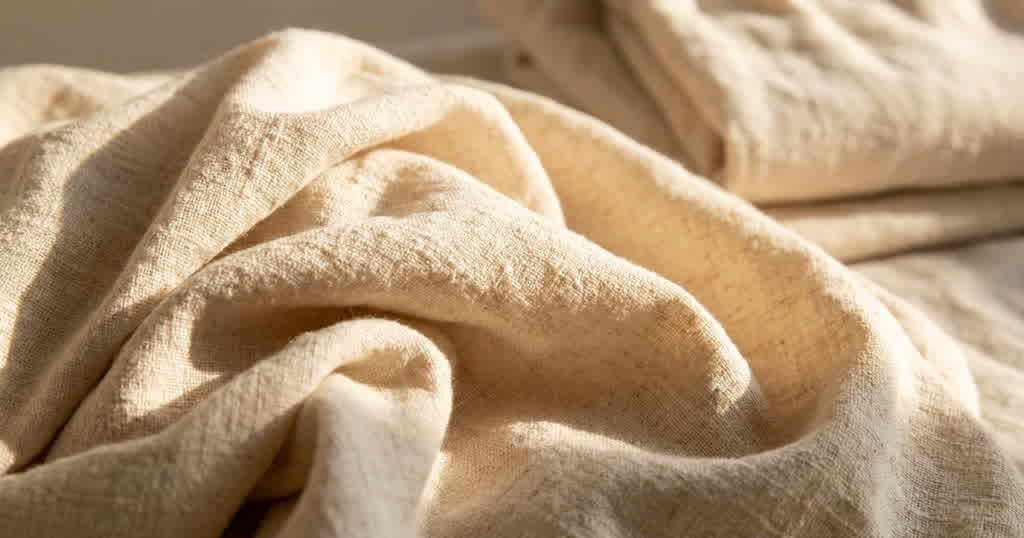
Organic Cotton vs. Bamboo: Which Is Better For Loungewear?

Designers building a new collection face intense scrutiny over material claims, especially when sourcing organic cotton loungewear versus heavily marketed alternatives. The decision between organic cotton vs bamboo dictates not just the soft, breathable drape of the final garment, but the entire environmental footprint of the supply chain. As consumers demand transparency, specifying the right materials for a loungewear set requires looking past surface-level marketing. Understanding the technical realities of chemical extrusion versus traditional spinning is critical for brands aiming to avoid greenwashing and deliver verifiable sustainability.
The Greenwashing of Bamboo Fabric for Loungewear: What B2B Buyers Must Know

Commercial bamboo fabric for loungewear is rarely a natural fiber; it is almost always a semi-synthetic viscose reliant on heavy chemical processing. While marketed as an eco-friendly alternative, the reality of its manufacturing often contradicts the sustainability goals of a loungewear womens collection.
The Reality of Chemical Extrusion
The journey from a rigid bamboo stalk to a silky, yielding fabric requires intense industrial intervention. Unlike traditional natural fibers, commercial bamboo undergoes a viscose manufacturing process that dissolves raw wood pulp into a viscous solution. This method relies heavily on carbon disulfide and sodium hydroxide, toxic solvents that break down the plant material.
This chemical extrusion fundamentally alters the cellulosic structure of the plant. The resulting material is a regenerated cellulose fiber, classifying it as a semi-synthetic textile rather than a natural one. For a designer sourcing materials for a loungewear set, this industrialized 20th-century invention presents a significant reputational risk if marketed as purely natural.
To understand the environmental cost of this process, buyers must evaluate the specific manufacturing steps required to produce standard bamboo viscose:
- Pulping and steeping: Raw bamboo is soaked in a strong sodium hydroxide solution to extract cellulose.
- Xanthation: The extracted cellulose is treated with carbon disulfide, a highly toxic chemical that creates a gelatinous mass.
- Wet spinning: The chemical solution is forced through a spinneret into a sulfuric acid bath to harden into filaments.
Mechanical Bamboo vs. Viscose
True mechanical bamboo, often called bamboo linen, does exist. This process uses natural enzymes to break down the woody stalks, similar to the retting process used for flax. However, this mechanical method produces a coarse, stiff yarn that lacks the soft, fluid drape required for comfortable loungewear.
Because mechanical bamboo is too rough for intimate apparel, the market defaults to bamboo viscose. Buyers comparing organic cotton vs bamboo must recognize that the soft bamboo garments they encounter are products of chemical regeneration. Choosing authentic natural fibers avoids this hidden chemical footprint entirely.
Material Science: Breathability and Durability in Organic Cotton vs Bamboo
Organic cotton loungewear significantly outperforms bamboo viscose in wash durability because it retains its high wet tensile strength during repeated laundering. Bamboo fabric loses structural integrity when wet, leading to faster degradation in frequently washed garments.
Wet Tensile Strength and Wash Degradation
The structural integrity of a loungewear set depends heavily on how the fiber behaves when saturated with water. Organic cotton possesses a unique cellulosic structure that actually increases in strength by up to 20% when wet. This natural property ensures that cotton garments withstand the mechanical stress of washing machines without stretching or tearing.
Conversely, the chemical extrusion used to create bamboo viscose severely weakens the fiber. Bamboo viscose can lose up to 50% of its wet tensile strength during laundering. This drastic reduction causes the fabric to stretch out of shape, pill rapidly, and degrade much faster than natural cotton.
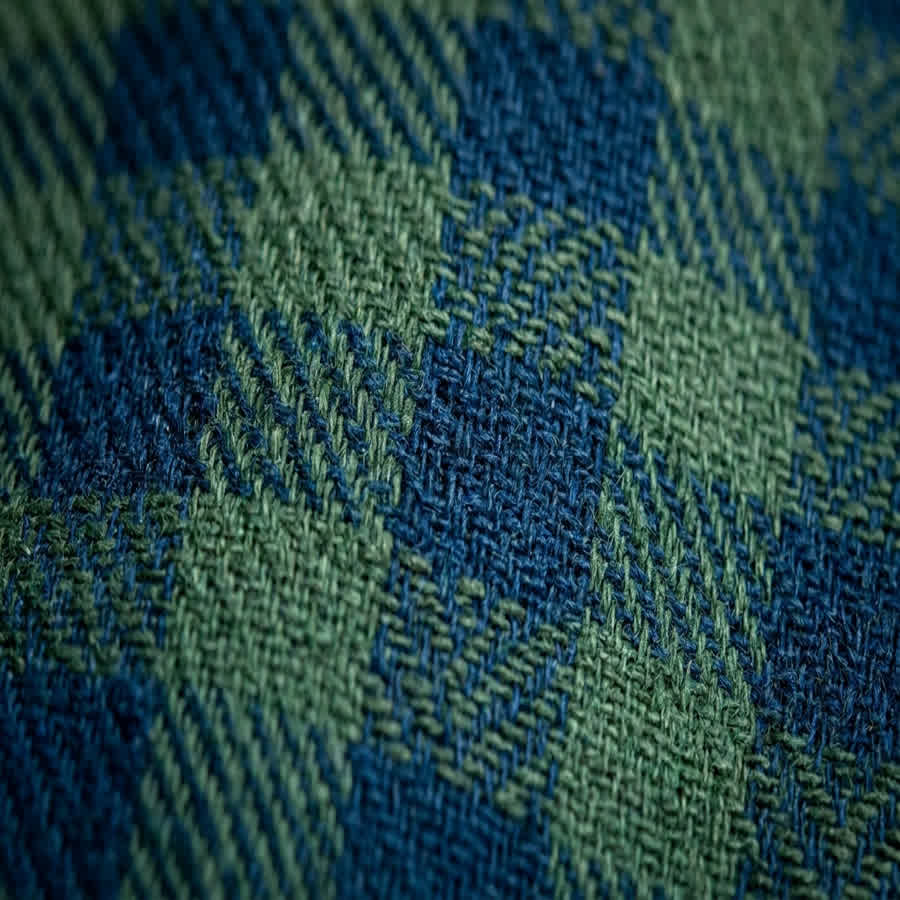
For a loungewear womens collection, longevity is a primary indicator of quality. Designers must consider the following performance metrics when evaluating these materials:
- Tensile retention: Organic cotton maintains its fiber integrity when wet, preventing premature garment failure.
- Abrasion resistance: The natural spinning process of cotton creates a yarn that resists surface pilling over time.
- Dimensional stability: Cotton fabrics hold their shape after washing, avoiding the sagging and distortion common in bamboo viscose.
GSM Suitability and Thermal Regulation
Selecting the correct fabric weight is crucial for indoor apparel. A weight between 130 and 200 GSM provides the ideal balance of opacity and comfort for loungewear. Organic cotton excels in this range, offering natural thermal regulation that keeps the wearer comfortable across different seasons.
The natural crimp of organic cotton yarn creates microscopic air pockets within the fabric structure. These pockets allow the material to breathe naturally, providing a dry, crisp hand-feel that wicks moisture away from the skin. Bamboo viscose, while soft, often traps heat and moisture against the body, making it less suitable for year-round comfort.
Why Organic Cotton Loungewear is the Authentic Sustainable Choice
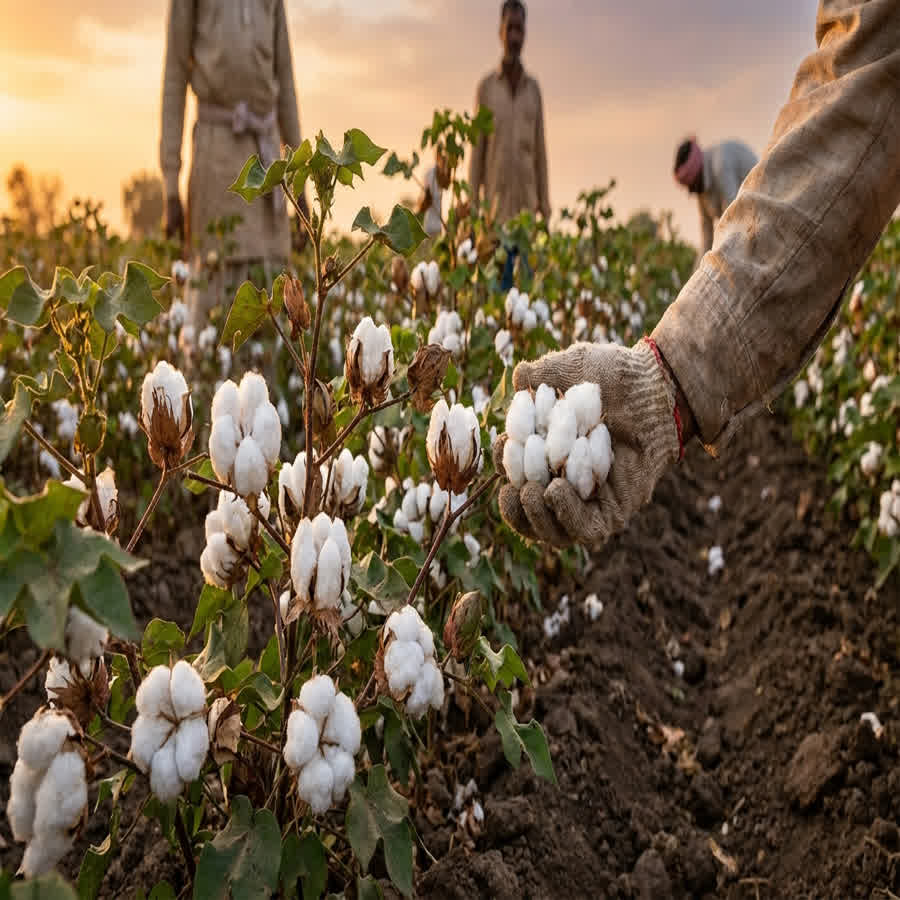
Choosing organic cotton loungewear provides brands with a sustainable material backed by strict agricultural standards and zero toxic extrusion processes. This allows designers to market a loungewear set with verifiable environmental integrity rather than relying on ambiguous eco-claims.
Eliminating Toxic Processing
The production of organic cotton relies entirely on mechanical spinning, a process that preserves the natural integrity of the fiber. After harvesting, the cotton bolls are simply ginned to separate the seeds, carded, and spun into yarn. This direct farm-to-yarn pathway requires absolutely zero chemical solvents or acid baths.
By avoiding the viscose manufacturing process, organic cotton eliminates the release of hazardous chemicals into local waterways. For a brand developing a sustainable loungewear womens line, this transparent mechanical process offers a clear, defensible environmental narrative. The absence of carbon disulfide ensures a safer working environment for textile workers and a cleaner end product for the consumer.
The environmental benefits of choosing organic cotton over chemically processed bamboo include several critical factors:
- Zero chemical extrusion: The fiber remains in its natural state, avoiding the regenerated cellulose classification.
- Safe wastewater: Mechanical spinning produces no toxic runoff, protecting local aquatic ecosystems.
- Biodegradability: Untreated organic cotton decomposes naturally without leaving behind chemical residues.
Soil Health and Water Efficiency
Organic cotton farming practices actively regenerate the environment rather than simply extracting resources. Cultivators utilize crop rotation and natural composting to maintain healthy, nutrient-rich soil. This healthy soil acts as a sponge, retaining rainwater and significantly reducing the need for artificial irrigation.
Organic certification prohibits the use of synthetic pesticides and chemical fertilizers. This protects the biodiversity of the farming region and ensures the safety of the agricultural communities. When comparing organic cotton vs bamboo, the verifiable agricultural standards of organic cotton provide a level of traceability that industrialized bamboo supply chains rarely match.
The Artisan Impact: Sourcing Handloomed Organic Cotton with Anuprerna
Sourcing handloomed organic cotton loungewear through Anuprerna directly sustains decentralized rural artisan economies across India. We connect B2B buyers with a transparent supply chain that transforms raw organic cotton yarn into premium textiles through traditional handloom weaving.
Decentralized Rural Supply Chains
Cotton possesses a millennia-old legacy in Indian handloom weaving, deeply rooted in decentralized rural economies. At Anuprerna, we work directly with artisan clusters in regions like Burdwan and Murshidabad. These communities rely on traditional wooden looms, operating entirely without electricity to produce high-quality fabrics.
This low-carbon production model stands in stark contrast to the heavily industrialized factories required for bamboo fabric for loungewear. By choosing handloomed cotton, designers actively support a heritage craft that keeps economic value within rural villages. This decentralized approach prevents forced urban migration and allows artisans to work from their own homes.
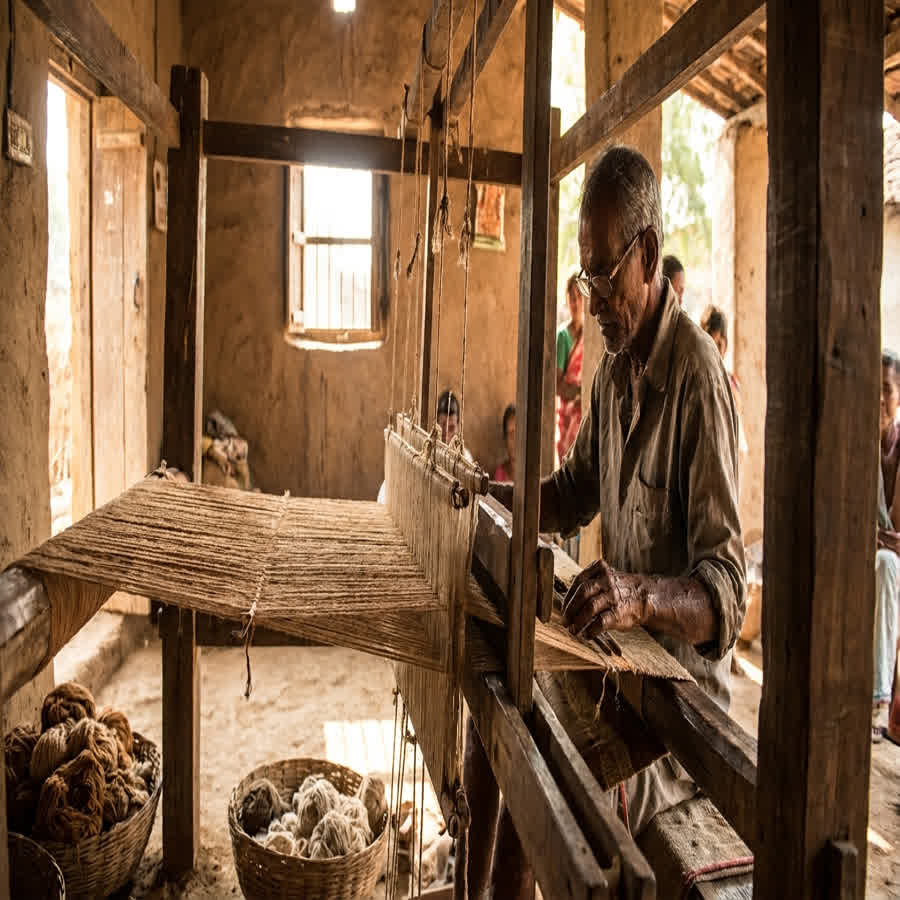
Partnering with a decentralized artisan network offers distinct advantages for a sustainable loungewear set collection:
- Low carbon footprint: Handloom weaving requires zero electricity, drastically reducing the manufacturing emissions of the fabric.
- Economic empowerment: Direct sourcing ensures fair wages reach the rural Indian weavers, supporting entire village ecosystems.
- Preservation of heritage: Continuous demand for handloomed textiles keeps traditional weaving techniques alive for future generations.
Verifiable Socio-Economic Value
For a B2B sourcing manager, the story behind the fabric is as important as its technical specifications. Sourcing through Anuprerna provides complete supply chain traceability, from the organic cotton farms to the final handloomed yardage. This transparency allows brands to confidently market the socio-economic impact of their loungewear womens collections.
Every meter of our handloomed cotton carries the distinct, tactile signature of the artisan who wove it. This subtle variation adds intrinsic value to the final garment, differentiating it from mass-produced, chemically extruded alternatives. By prioritizing artisan empowerment, brands can offer their customers a product that is environmentally sound, technically superior, and socially responsible.
Explore Our Collection
Anuprerna works directly with handloom artisan clusters to weave organic cotton loungewear for designers and brands building considered collections. To source it for your next line, explore the range below.
frequently asked questions
Is bamboo fabric sustainable for loungewear production?
Most commercial bamboo fabric is bamboo viscose, which requires highly toxic chemicals like carbon disulfide to dissolve the wood pulp. Unless it is mechanically processed bamboo linen (which is rare and too rough for loungewear), it is a semi-synthetic, not a natural fiber.
How does the durability of organic cotton loungewear compare to bamboo?
Organic cotton retains its tensile strength when wet, making it highly durable through repeated washing. Bamboo viscose loses up to 50% of its strength when wet, leading to faster degradation, stretching, and pilling in loungewear sets.
What GSM is ideal for organic cotton loungewear?
For loungewear, a GSM between 130 and 200 is ideal. It provides the well suited balance of opacity, drape, and breathability required for comfortable, year-round womens loungewear without feeling overly heavy.
Can Anuprerna supply certified organic cotton for my loungewear line?
Yes, Anuprerna sources certified organic cotton yarn, which is then handwoven by skilled rural artisans in a decentralized, low-carbon supply chain, ensuring both environmental integrity and social compliance.
Why is traceability important when sourcing materials for a loungewear set?
Traceability guarantees that the environmental and social claims made about a fabric are accurate and verifiable. By tracking the journey from organic farming to the rural handloom weaver, brands can confidently avoid greenwashing and prove the authentic sustainability of their collections.
More Blogs
tussar silk fabric: characteristics, texture & a guide for designers
jacquard fabric supplier: a guide for designers & fashion brands
organic fabric suppliers in india: a guide for sustainable brands
raw silk vs tussar silk vs eri silk: key differences & characteristics
jamdani fabric wholesaler: a guide for designers & brands
malmal cloth in english: understanding the global appeal of mul cotton